
Tanzania | Park guide
Ruaha National Park
Tanzania's biggest park and its wildest - prides, dogs and 570 birds with no crowds.
Wildlife
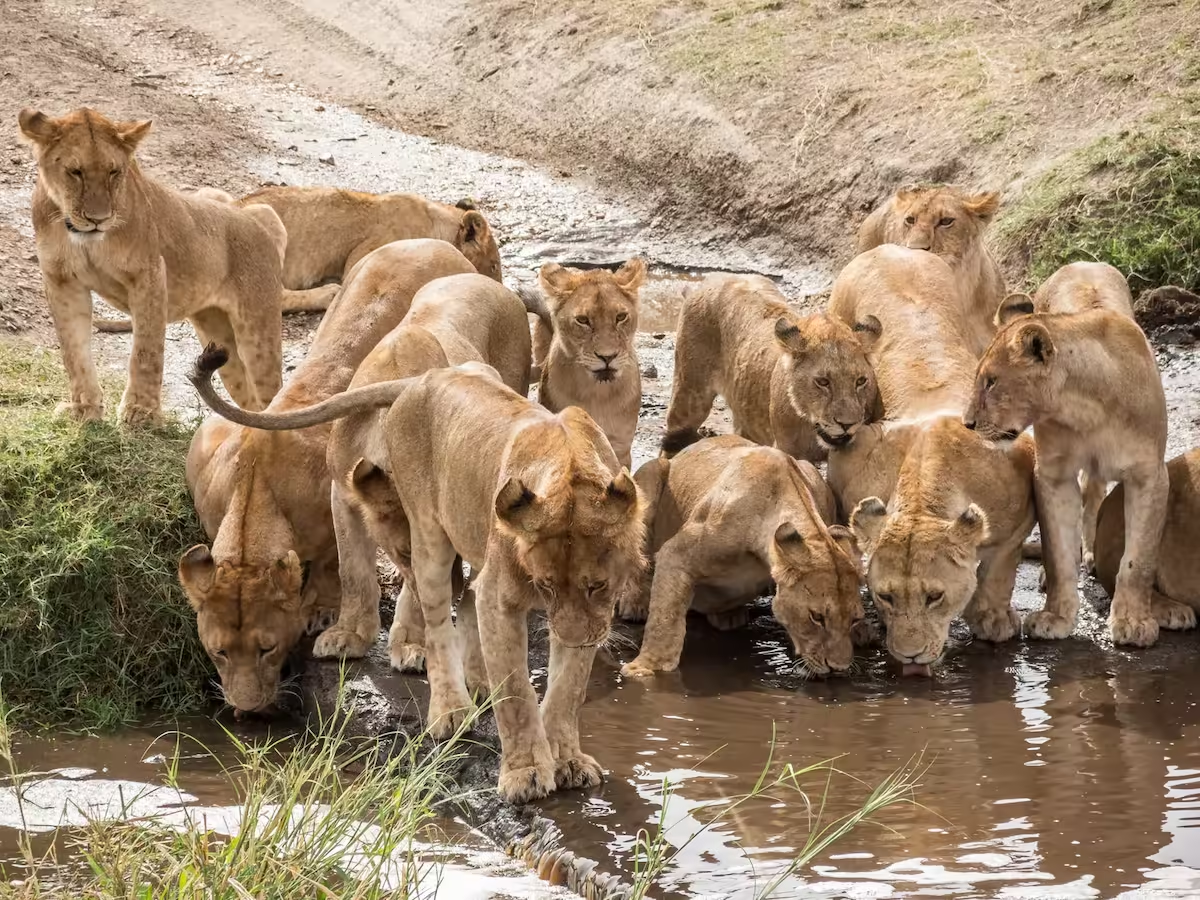
Huge lion prides, African wild-dog packs, greater and lesser kudu, sable, roan and 570 bird species along the Great Ruaha River - a predator density that surprises first-timers.
Safaris visiting Ruaha National Park
Best time to visit
June to October dry season concentrates game at water; green season is lush, bird-rich and superb value.
Getting there
Fly-in from Arusha or Dar (90 minutes) - road transfers are full-day expeditions.
Where to stay
Fly-in tented camps along the river systems; 3-plus nights minimum to justify the flight.
FAQs
Why is Ruaha still quiet?
Distance and fly-in cost filter crowds - the reward is sightings with one vehicle instead of twenty.
What are wild-dog odds?
Among Tanzania's best: several resident packs den in the park. Dry season gives the highest encounter rates.
Ruaha or Serengeti for lions?
Serengeti for sheer numbers and Migration drama; Ruaha for huge prides in total solitude.
How many days do we need in Ruaha National Park?
3 or more days.
When is the best time to visit Ruaha National Park?
June to October dry season concentrates game at water; green season is lush, bird-rich and superb value.
What pairs well with Ruaha National Park?
Pair with Nyerere for the complete wild south, or as a fly-in finale to a northern trip.
What is NOT included that surprises first-timers?
International flights, visas, travel insurance (required), premium drinks, the balloon flight where offered, and tips. Our quotes line-item park fees and permits so the total you compare is the total you pay.
What happens if it rains?
Game drives run rain or shine - vehicles have roofs and ponchos, animals remain active, and green-season light is superb for photography. Only true downpours pause activity, and camps flex schedules around them.
What insurance do we need?
Comprehensive travel insurance is required, including medical evacuation (AMREF/Flying Doctors cover, about 30 dollars, is recommended for remote circuits). Bring policy details - camps and operators ask for them.
Can we customise the route?
Freely - add nights, upgrade camps, swap parks or append beach and trekking. Request a proposal and we re-quote line by line.
Do we need a visa?
Most visitors need one: Tanzania offers visas on arrival for many nationalities, Kenya uses an eTA applied for online before travel, Uganda an e-visa. We confirm the current rule for your passport before you fly.
One decision per country, and they differ. Tanzania sells visas on arrival for most passports - US$50, US$100 for United States citizens - or by eVisa in advance. Kenya has issued only the eTA since 2024, at US$32.50 online at least three days before departure. Uganda runs an e-visa printed before you fly, and the US$100 East African Tourist Visa folds Kenya, Uganda and Rwanda into a single stamp. Six months of passport validity covers all three. Send us passport details at proposal stage and we confirm every rule for your nationality before you commit to flights.
Traveling solo - how do single supplements work?
All itineraries run solo. Expect a 20 to 50 percent supplement where lodges charge per room; vehicles cost the same whether one or six ride. Ask for the honest supplement math per trip.
Put Ruaha National Park in the right place
Season, zone and camp selection by a specialist.