
1-Day Safari from Zanzibar: Mikumi Day Trip
Dawn flight, full Mikumi game drive, evening return - the only honest day trip.
From $750

Tanzania | 4 days | migration
Direct Seronera flights: big cats and herds with zero transit-town nights.
Zanzibar to the Serengeti flies direct to Seronera strips or via Arusha: big cats and Migration herds with zero mainland overnights wasted in transit towns. A focused taste: one region done properly rather than three rushed. Route: Central Serengeti - Northern Serengeti over 4 days. Season logic: June-October dry season and January-March calving; camp zone follows the herds.

Morning: Scheduled flight Zanzibar to Arusha; meet your private guide at arrivals. Island logistics handled: beach hotel stores big bags, soft duffel only (15-20kg).
Midday: Transfer into safari with lunch en route.
Afternoon: Afternoon game drive in Central Serengeti. Resident big cats around Seronera - lions, leopards and cheetahs at close range.
Evening: Dinner and overnight near the park gate.
Meals: Breakfast, lunch and dinner.
Accommodation: Lodge near Arusha.

Morning: Early departure for a dawn game drive when predators are still active, returning for brunch.
Midday: Picnic lunch at a designated site or lodge lunch, then rest through the midday heat while wildlife dozes.
Afternoon: Afternoon game drive in Central Serengeti: Resident big cats around Seronera - lions, leopards and cheetahs at close range.
Evening: Sundowner at a scenic stop, dinner and overnight at the lodge or camp.
Meals: Breakfast, picnic lunch and dinner.
Accommodation: Permanent tented camp in the Central Serengeti.
Morning: Early departure for a dawn game drive when predators are still active, returning for brunch.
Midday: Picnic lunch at a designated site or lodge lunch, then rest through the midday heat while wildlife dozes.
Afternoon: Afternoon game drive in Northern Serengeti: Mara River crossing points; picnic lunches and patient waiting July to October. Transfer from Central Serengeti (4-5 hr northbound game drive).
Evening: Sundowner at a scenic stop, dinner and overnight at the lodge or camp.
Meals: Breakfast, picnic lunch and dinner.
Accommodation: Seasonal camp in the Northern Serengeti.
Morning: Sunrise game drive around Northern Serengeti and bush breakfast.
Midday: Transfer to the airstrip for the scheduled flight to Zanzibar.
Afternoon: Beach transfer on arrival - sand by sunset.
Evening: Overnight at your Zanzibar hotel (booked separately or in your proposal).
Meals: Breakfast and lunch.
Accommodation: Beach hotel on the Zanzibar coast.
4 days on the Tanzania circuit: Central Serengeti, Northern Serengeti. Every day below is a real day on the ground, not a transfer with a game drive attached.
The route runs south to north, and Seronera is the first block of true open plain - and that is where the route opens.
Central Serengeti holds 1 of the 4 days, and that is deliberate: overnight inside the park means the first and last hour of light are yours, and those are when the cats move.
4 days is the length where every stop gets a full day and nobody is unpacking at midnight. There is room for a long sighting without wrecking the following morning.
The northern circuit runs by road out of Arusha: Tarangire, the crater and the Serengeti sit in a line north of the city, so the route follows the line instead of doubling back. Ruaha and Nyerere are different - both are fly-in only, and road transfers to Ruaha are full-day expeditions.
Hand-picked lodges and tented camps matched to your tier - mid-range comfort or luxury suites, always positioned for short game-drive starts. Family rooms, honeymoon suites and triple options on request.
Extended 4x4 Land Cruiser with pop-up roof, fridge, charging ports and window seats for all. Your English-speaking driver-guide averages a decade in these parks and is assigned by specialty - Migration positioning, photography, birding or family pacing.
Travelers timing their trip to herds, crossings or calving - patience rewarded.
| Season | Per person (2 travelers) |
|---|---|
| Green season | from $2,350 |
| Peak season | from $2,850 |
| Tier | What you get |
|---|---|
| Budget | Camping and simple camps, with departures in the green season to hold the rate down. The private vehicle, your guide and the park fees stay exactly the same - the cut is beds and season, never guiding or positioning. |
| Mid-range | Comfortable lodges and tented camps with full board, positioned for short game-drive starts. This is the standard the from-price on this page assumes. |
| Luxury | Top-end suites and private villas in the best position in camp, private guiding throughout and flexible meal times. The highest season surcharge applies. |
Tanzania runs on two seasons. The one you pick changes what you see, what the camps cost and how far ahead you need to commit.
Tanzania's cooler, drier high season is the easiest window for wildlife. Water shrinks to the Tarangire River and the remaining pools, vegetation thins and animals gather where they can still drink, so sightings come faster and the crater floor is at its most open. It is also peak price and peak crowd: July and August are the busiest weeks in the parks, and the better camps go first.
Short rains begin in November and the landscape greens within weeks, with rates down and the parks nearly empty. January to March is calving season on the southern Serengeti, where predators concentrate around the newborn herds and the photography is at its sharpest. March and April bring the long rains, when lodges cut hardest, visitor numbers fall to their lowest and the light is superb for photography. Outside the Christmas and New Year window, this is where the value sits.
The migration moves all year: southern Ndutu for calving from January, the central Seronera through the green months, and northern Mara from July to October. Camp zone follows the herds rather than a fixed map, which is why your month matters more than your itinerary length.
June to August and the peak migration months want six to twelve months of notice for the camps worth choosing. Green-season departures usually go through on two to four months. Christmas, New Year and Easter compress early whatever the season.
Every price on this page is a full-cost quote. Park and concession fees are line-itemed, so the total you compare against another operator is the total you pay.
Central Serengeti | Northern Serengeti
Back to hub | Style hub | Customize any itinerary
Dawn flight, full Mikumi game drive, evening return - the only honest day trip.
From $750
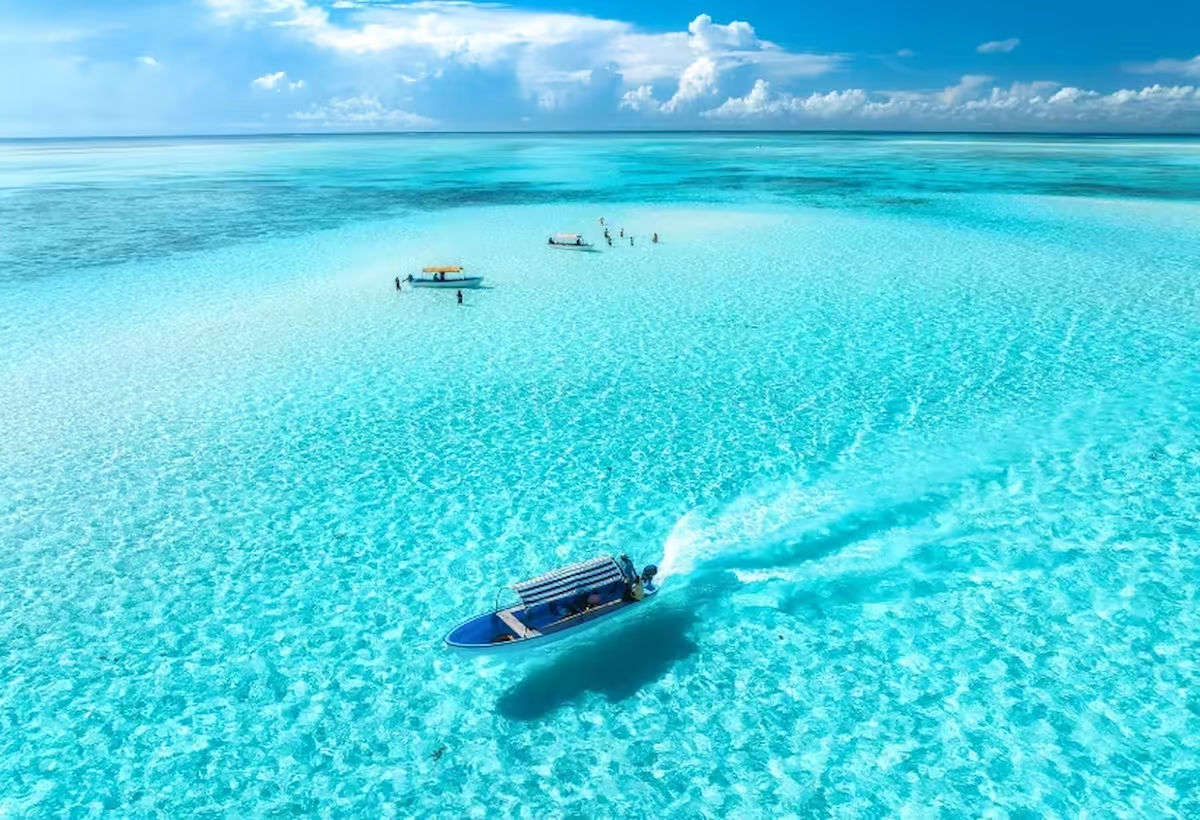
Boat safari plus game drives with one Nyerere night - the classic add-on.
From $1,150
River, road and foot - boats, drives and a walking safari in three days.
From $1,550
International flights, visas, travel insurance (required), premium drinks, the balloon flight where offered, and tips. Our quotes line-item park fees and permits so the total you compare is the total you pay.
Game drives run rain or shine - vehicles have roofs and ponchos, animals remain active, and green-season light is superb for photography. Only true downpours pause activity, and camps flex schedules around them.
Comprehensive travel insurance is required, including medical evacuation (AMREF/Flying Doctors cover, about 30 dollars, is recommended for remote circuits). Bring policy details - camps and operators ask for them.
Freely - add nights, upgrade camps, swap parks or append beach and trekking. Request a proposal and we re-quote line by line.
Most visitors need one: Tanzania offers visas on arrival for many nationalities, Kenya uses an eTA applied for online before travel, Uganda an e-visa. We confirm the current rule for your passport before you fly.
One decision per country, and they differ. Tanzania sells visas on arrival for most passports - US$50, US$100 for United States citizens - or by eVisa in advance. Kenya has issued only the eTA since 2024, at US$32.50 online at least three days before departure. Uganda runs an e-visa printed before you fly, and the US$100 East African Tourist Visa folds Kenya, Uganda and Rwanda into a single stamp. Six months of passport validity covers all three. Send us passport details at proposal stage and we confirm every rule for your nationality before you commit to flights.
All itineraries run solo. Expect a 20 to 50 percent supplement where lodges charge per room; vehicles cost the same whether one or six ride. Ask for the honest supplement math per trip.
Once, yes: a dawn flight over the Serengeti or Mara with a bush breakfast runs 550 to 600 dollars and minimum ages apply. Book at proposal stage - seats sell out months ahead in season.
Peak Migration and gorilla-permit months need 6 to 12 months. Green season often works with 2 to 4 months notice.
With a private vehicle and pools at stops, yes for most routes. Gorilla trekking has a strict minimum age of 15.
Your dates, your camp tier - reply within 24 hours.