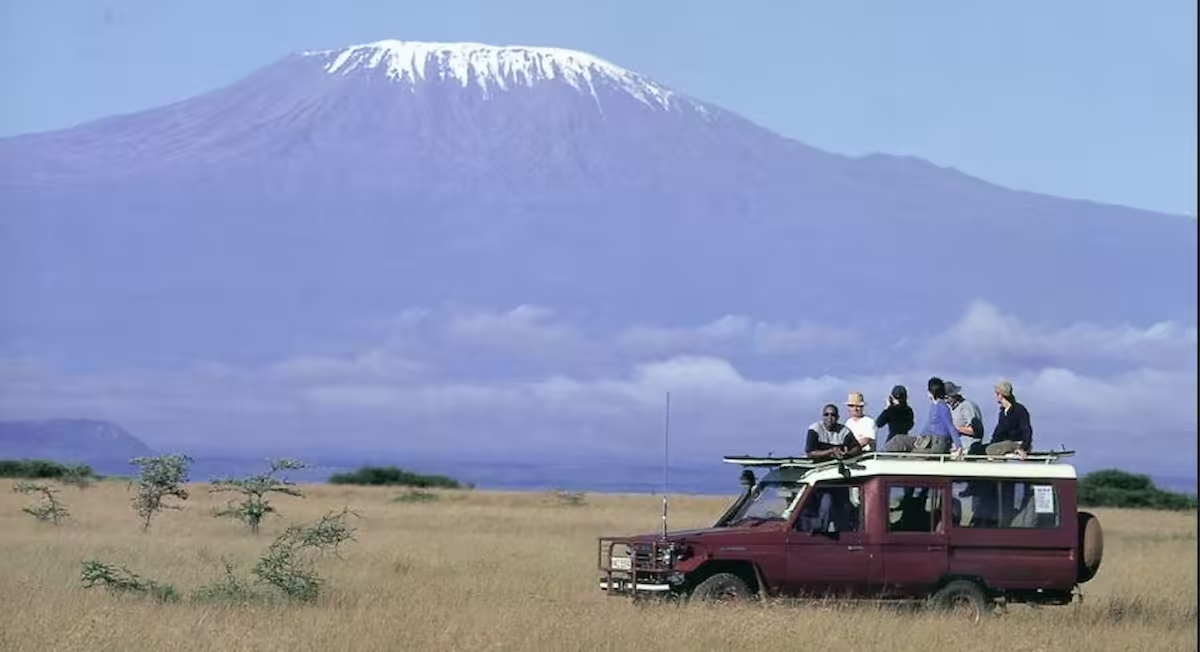
7-Day Machame Route Kilimanjaro Climb
Moshi → Machame → Shira → Barranco → Karanga → Barafu → Uhuru Peak → Mweka
The classic southern line with enough days to build in acclimatization rather than rushing the ascent.

Activity guide
Five to eight days on Africa's highest mountain, walked with a licensed crew and no technical climbing. The route you choose decides the scenery, the crowds and your summit odds.
Six ways to the summit, from the busy southern lines to the quiet northern approach. See the routes →
What the trek asks of your legs and lungs, and why days on the mountain beat raw speed. Check the effort →
What a trek quote should cover, what moves the price and what is usually left out. Break down the cost →
The two dry windows, and what the shoulder months really feel like up high. Check the timing →
Kilimanjaro trekking is a supported walk up a volcano rather than a mountaineering expedition. You walk on foot for five to eight days, sleep in mountain huts or camps, and carry only a day pack while the crew moves the group equipment.
Every climb is run by a licensed operator and starts from one of the park gates, usually after a briefing and an equipment check. These are trekking routes, so there is no rope work, no ice axe and no rock climbing: the real challenges are distance, altitude and weather.
A typical day on the mountain looks like this:
The trail moves through montane forest, moorland and alpine desert before reaching the summit rim, and the landscape changes with every day. That shift in scenery is a large part of why the mountain draws people who would never consider a technical climb.

Six routes are regularly used by trekkers, and each one approaches the mountain from a different side.
The day-by-day comparison of traffic, walking hours and acclimatization sits in the Climb Kilimanjaro guide, which also carries route notices, month-by-month weather and the full cost breakdown.
Most fit hikers complete Kilimanjaro, but almost everyone feels the altitude, and fitness on its own does not guarantee a summit.
The trek is measured in consecutive days spent walking at height rather than in technical difficulty. The variables that matter most are:
Trekking poles, broken-in boots and a realistic training plan do more for your chances than raw speed. Try the success estimator to see how days, pace and acclimatization combine.
Five days is the shortest standard itinerary on Kilimanjaro, and it is also the one with the least room for acclimatization.
Most trekkers do better on six or seven days, because the extra day is usually spent climbing higher and sleeping lower rather than walking further. The day plans for every route are set out in the how long it takes page.
These durations count nights on the mountain. Transfers from Arusha or Moshi and the night before the climb are added on either side, so the trip itself runs longer than the trek.
Kilimanjaro has two main dry windows, and they feel quite different from each other.
January to March is generally warmer and clearer at higher elevation, with colder nights coming with June to October. April and May bring the long rains and November a shorter wet period, although people do trek in every month of the year.
Conditions can change quickly at 5,000 metres, so no month guarantees a clear summit morning. See the month-by-month guide before fixing your dates.
A properly organized Kilimanjaro trek generally falls between 2,800 and 5,500 US dollars per person, shaped by the number of days, the season and the size of the group.
What moves the price:
Quotes far below that band normally recover the difference through fewer crew days, older equipment or a compressed itinerary. Read the full cost breakdown.
Before comparing prices, check that every quote covers the same ground.
Expect to see:
International flights, visa fees, travel insurance, personal gear, tips and any safari or beach extension sit outside the quote unless the operator states otherwise.
The kit list is short on technical items and long on layering, because the same day can run from a warm forest floor to well below freezing at the summit.
The core of the list:
Most operators set a 15 kg limit for the duffel each porter carries, while you walk with a day pack. Open the full packing list.
Three to four months of regular training covers most of what the trek asks for.
The useful sessions are the ones that look most like the trek itself:
None of this needs a gym membership. What matters is that your feet, knees and lungs have already done the volume before you reach the gate, and that nothing on the mountain is a surprise.
Previous mountaineering experience is not required on the standard routes.
First-timers manage well when the itinerary has enough days, when the pace is set by the guides rather than by the fastest walker in the group, and when everyone reports symptoms early instead of pushing through them.
What the crew handles for you: route finding, water and meals, camp setup, the timing of rest stops, and the decision about whether the group continues on summit night.
Altitude is the part of the trek that no amount of fitness removes.
Mild altitude symptoms - headache, poor sleep, nausea, shortness of breath at rest - are common above 3,000 metres and usually settle with time. The plan that reduces the risk is straightforward: ascend gradually, sleep lower than you walked, and keep the itinerary long enough for the body to adapt.
Descending is the treatment, and that call is made on the mountain by the guide who has been watching you, not later at the hotel.
Licensed operators build several layers of safety into every departure.
A standard setup includes:
Insurance that covers walking to 5,895 metres, including helicopter evacuation, should be arranged before departure rather than at the trailhead.
Behind every climber stands a team of porters, cooks and guides whose working conditions are part of the price you pay.
Porters carry the group equipment and your duffel up to a regulated maximum of 20 kg, while trekkers walk with a day pack only. Operators that treat the crew properly provide kit, meals, sleeping arrangements and fair wages, and they brief clients on what should and should not be handed over at camp.
Tipping is customary and usually pooled across the mountain crew, with the amount settled at the pre-climb briefing. Trekkers keep to marked trails, carry all waste down with them and use the latrine facilities at camp rather than the surrounding ground.
The trek and a northern Tanzania safari fit together naturally, and the order matters more than most people expect.
Most itineraries put the mountain first and then move into game drives, because sitting in a vehicle is a gentle way to recover from a week of walking. The usual combination covers Tarangire, Ngorongoro and Serengeti, with two or three days between the descent and the first long drive.
Travelers who prefer to walk first can reverse it, but the safari then needs a rest day before the climb starts. Either way, the two halves should be planned as one trip rather than bolted together at the end.
A beach end to the trip works well after the mountain, provided it is treated as a real rest rather than a hurried stop.
Allow at least four nights on Zanzibar and keep the first day or two completely free. Flights from Kilimanjaro or Arusha to the island are short, and moving from cold summit air to the Indian Ocean is one of the easier transitions of the whole itinerary. See the trek and Zanzibar combination.
A shared departure is the simplest and least expensive way onto the mountain, while a private trek puts the date, the route and the pace in your hands.
Both follow the same park rules, the same routes and the same crew standards. The practical differences are:
Small groups, hiking clubs and company teams usually take the private option, while solo travelers and couples often join a scheduled departure and share the mountain with strangers who tend to stay in touch afterwards.
Children under 10 are not permitted above 3,700 metres on Kilimanjaro, which rules out a summit attempt for younger families.
Older teenagers who are comfortable walking several hours a day can usually manage the trek, as long as the itinerary is chosen for a slower pace rather than for a fixed number of days. Families often settle on a shorter combination of Mount Meru, a Tanzania safari and time on the coast instead of the full ascent.
These are the itineraries people ask for most often. Every one of them can be extended with a safari or a beach finish.
Moshi → Machame → Shira → Barranco → Karanga → Barafu → Uhuru Peak → Mweka
The classic southern line with enough days to build in acclimatization rather than rushing the ascent.
Lemosho Gate → Shira → Barranco → Karanga → Barafu → Uhuru Peak → Mweka
A longer western start that trades speed for time at altitude, which is how summit odds improve.
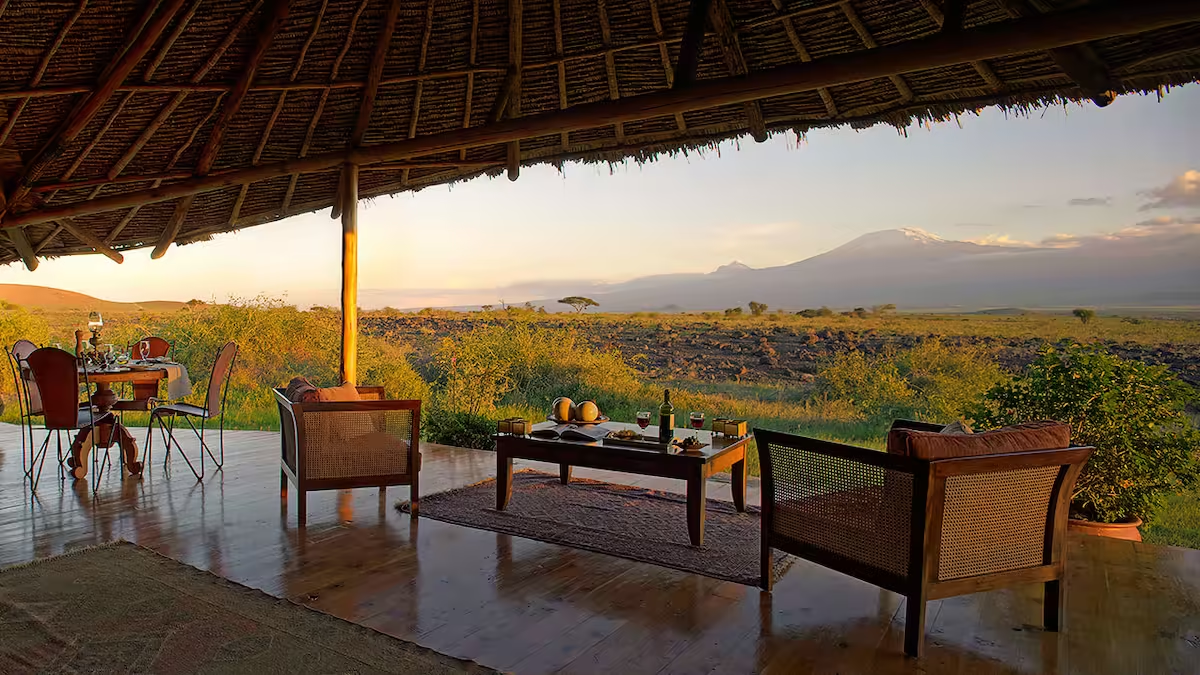
Lemosho Gate → Northern Circuit → Kibo → Uhuru Peak → Mweka
The longest standard approach, circling the mountain with very few other groups on the trail.
Shorter formats, hut-based versions, the quiet northern approach and full combinations with the safari circuit and the coast.
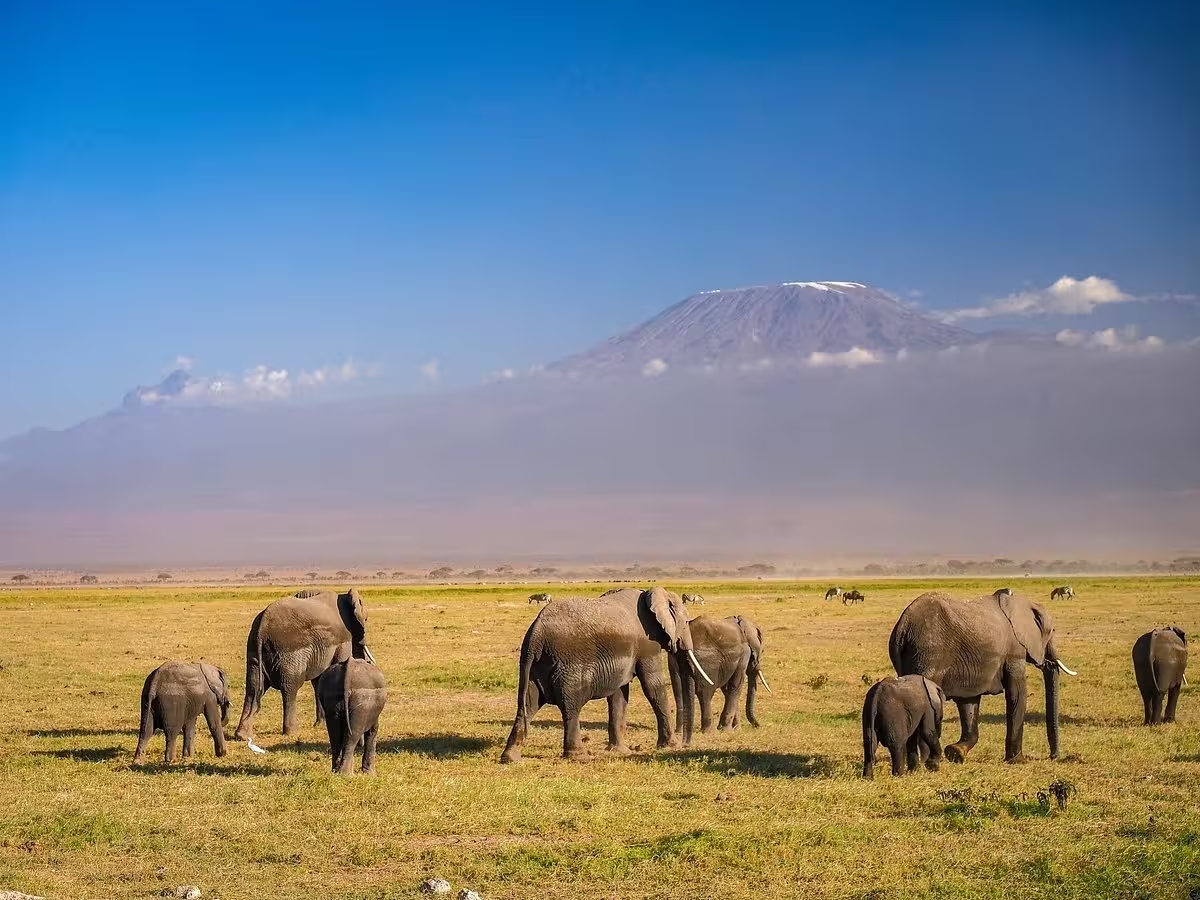
Moshi → Machame → Shira → Barranco → Karanga → Barafu → Uhuru Peak → Mweka
The standard Machame schedule for travelers with a fixed set of dates.
Marangu Gate → Mandara → Horombo → Kibo → Uhuru Peak → Horombo → Marangu
The hut option, with the extra day that turns a rushed ascent into a properly paced one.
Rongai Gate → Kikelewa → Kibo → Uhuru Peak → Mweka
A quieter northern approach, drier than the southern lines and far less used.
Kilimanjaro → Tarangire → Ngorongoro → Serengeti
The climb followed by the northern circuit, with game drives doubling as recovery days.
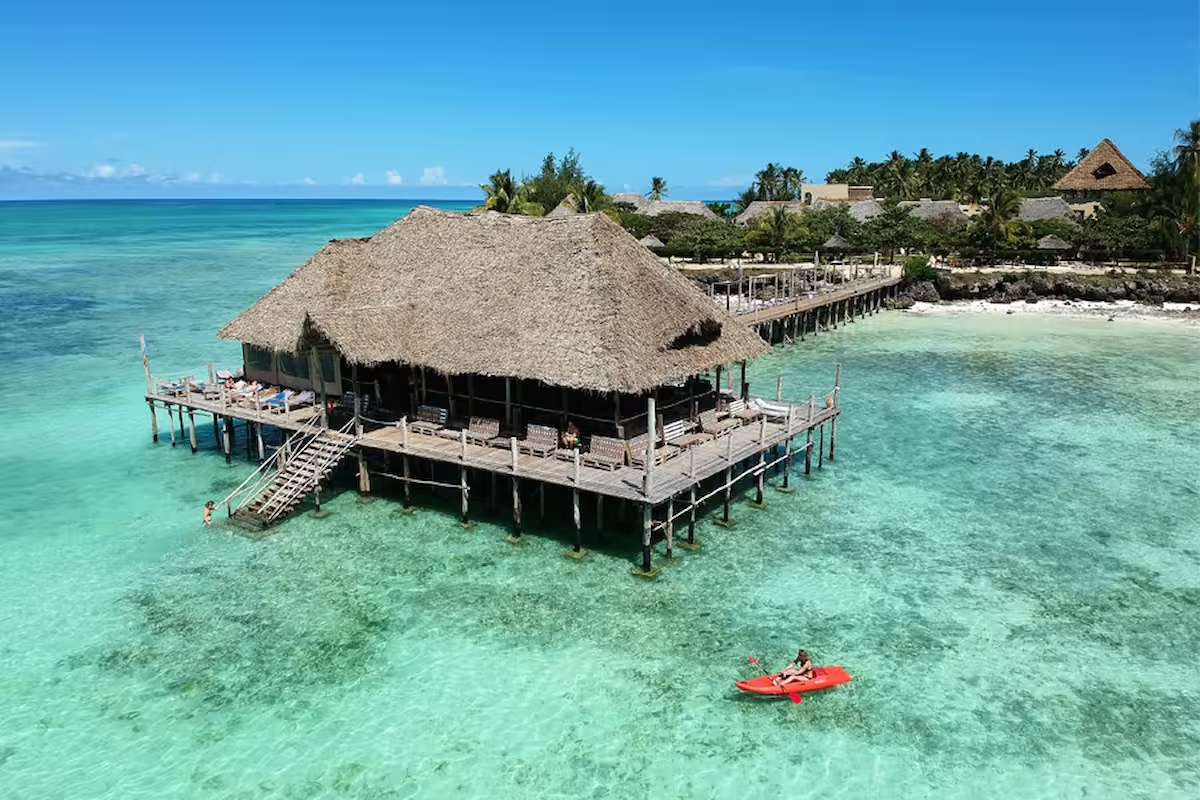
Kilimanjaro → Serengeti → Ngorongoro → Zanzibar
The mountain, the wildlife and a slow finish on the Indian Ocean.
Dates first, then the route, then everything that hangs off them.
Send your travel window, the number of trekkers and whatever matters to you - budget, privacy, an extension - and the route status for those dates is confirmed before an itinerary is built. Availability is checked again close to departure, because routes can open and close during the year for operational and environmental reasons. Request a proposal or book a consultation and the route check is the first thing that happens.
No technical climbing is involved. The standard routes are walking routes, so what you need is endurance for several consecutive days of hiking and a sensible approach to altitude.
Fit enough to walk four to seven hours a day for a week, ideally with a pack on training walks. Hill sessions and back-to-back long weekends prepare you far better than speed work at sea level.
Train for consecutive days, not peak effort: back-to-back hill walks with a loaded pack beat weekend marathons. Altitude is the real gate - no fitness level prevents AMS, so the itinerary's acclimatisation profile (longer routes on Lemosho or Machame) matters more than your VO2 max. Smokers and altitude-history travellers should say so at medical screening.
Five to eight days on the mountain, plus transfers and a night before the start. Longer itineraries give the body more time to adapt and produce better summit odds.
Route choice sets the number: six-day Machame or Lemosho cut the summit night short, seven to eight day versions build in a proper acclimatisation day. The park caps it - Kilimanjaro routes run five to nine days and nothing shorter exists. Add two buffer days either side for weather holds and descent recovery.
Quality climbs normally fall between 2,800 and 5,500 US dollars per person. The main drivers are the number of days, park fees, group size, season and hotel category before and after the trek.
The band splits by format: US$2,800-3,500 buys shared-group climbs on shorter routes with basic mountain hotels, US$4,000-5,500 buys private departures, better crew ratios and superior pre- and post-trek hotels. Park fees alone run about US$100-200 per person and the fee schedule is the same for every operator - quotes far below US$2,800 are cutting crew or days.
January to March and June to October are the preferred dry windows. Trekking runs all year, and conditions at altitude can change quickly whatever the month.
Month-by-month: January-March is dry with the best views of the glaciers and the least traffic on Marangu; June-August is coldest and busiest (book early); September-October adds dust but clear summit skies; April-May is the long rains - possible, cheaper, and muddy on every route. December-January works but holidays sell out first.
Many trekkers notice mild symptoms above 3,000 metres. Choosing a longer itinerary, ascending gradually and reporting symptoms to your guide on the same day are the measures that matter.
Yes. Every climb must be arranged through a licensed operator, and independent trekking on the mountain is not permitted.
The park enforces it at the gate: every climber is registered to a licensed operator with a TALA/TKNHI permit, a certified lead guide and a mandatory ranger on the route. Porters do not replace guides - ratios are checked. Independent attempts are refused entry, and this is also where your insurance validity gets verified.
Broken-in waterproof boots, layered clothing, a warm hat and gloves, a sleeping bag rated for cold nights, a headlamp and a soft duffel that stays inside the porter weight limit.
The list that separates prepared from cold: a down jacket for the summit night (Kili drops below -10C at Uhuru by dawn), a 3-4 litre hydration bladder, gaiters for the scree descent, a duffel sized to the 15kg porter limit, and cash in small notes for crew tips. Gear rental exists in Moshi and Arusha - boots are the one item never to rent.
Yes, and most people do. Two or three days between the descent and the first game drive, and at least four nights on the coast, keep the second half of the trip enjoyable.
The sequencing that works: gorilla day last in Uganda, then either Queen Elizabeth and Kibale northbound, or fly Entebbe-Zanzibar direct (1.5 hours) and finish on the coast. From Rwanda, Akagera adds two nights of savanna before Kigali flights home. Do not stack the trek on arrival day - altitude, road time and a 6am briefing are three separate stresses.
On a properly organized climb, yes: guide, cook and porter support, three meals a day and drinking water are part of the quote. Tips for the mountain crew are handled separately.
On Kilimanjaro, licensed climbs include the mountain crew inside the park fee structure - each climber travels with one porter limited to about 18kg of shared load. Meals follow the crew's schedule at altitude and drinking water is treated at camp. Budget US$15-20 per climber per day for the crew tip pool, paid in cash at the end.
Tell us the dates you have, how many of you are trekking and whether you want to add a safari or a beach finish. The route for your window gets confirmed first, and the itinerary is built around it.