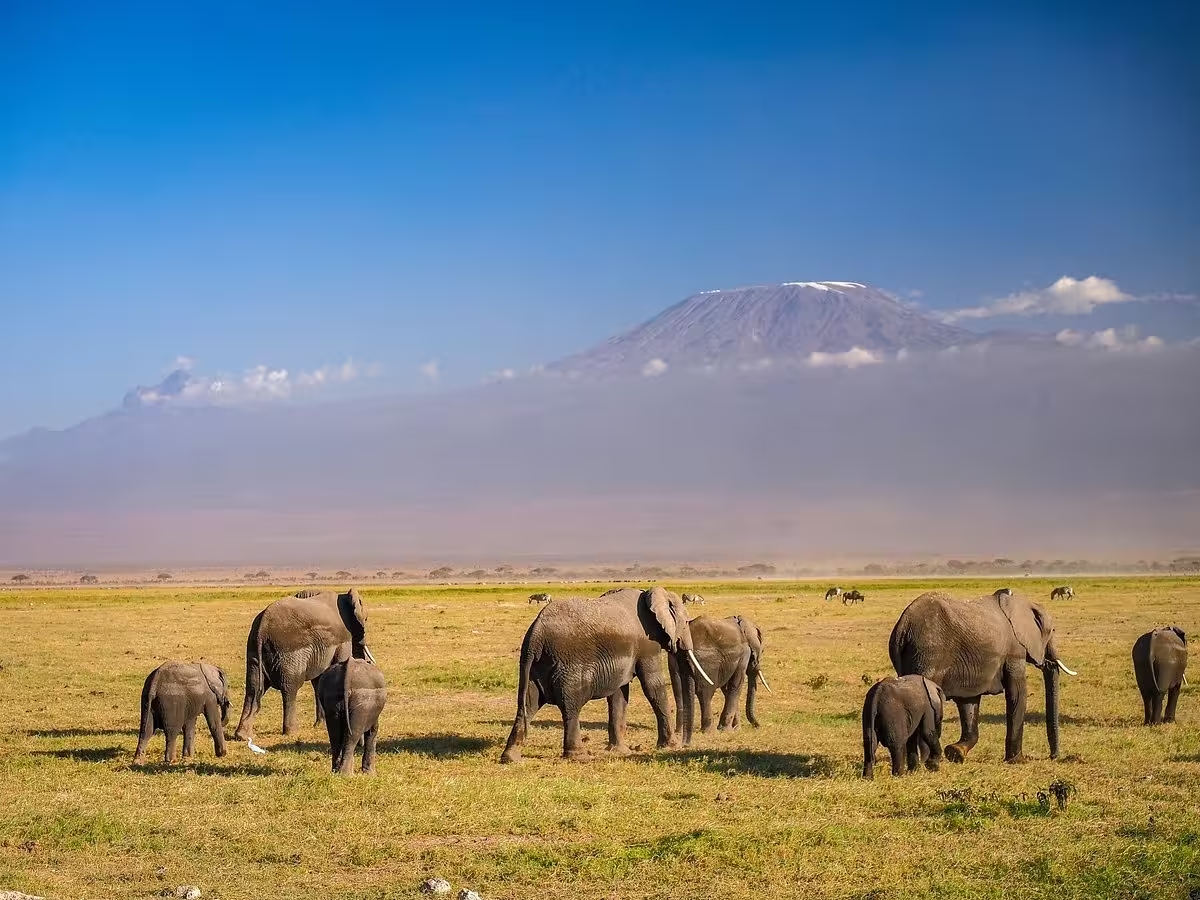
6-Day Machame Route Kilimanjaro Climb
Moshi → Machame → Shira → Barranco → Karanga → Barafu → Uhuru Peak → Mweka
Designed for travelers with limited time who want the Machame approach and its varied scenery.

Trekking hub
5,895 metres, five to nine days on the mountain, and a summit night that decides the whole trip. Every route compared, with cost, weather by month and what the climb asks of you.
Seven routes, what each one is like, and how they compare on days, traffic and acclimatization. Compare the routes →
Why five days and nine days produce very different summit odds on the same mountain. See the day plan →
What a complete climb covers, what drives the price, and what is usually left out of a quote. Break down the cost →
Month by month conditions, and which windows are normally preferred for trekking. Check the timing →
Kilimanjaro is unusual among the world's great mountain destinations because a climber passes through several dramatically different environments during a single ascent, without needing ropes, ice axes or rock-climbing skills.
The mountain rises directly from the surrounding plains and moves through distinct ecological zones as the altitude increases. The landscape changes continuously, so the climb is more than a route to a summit: it is a sequence of different worlds stacked on top of each other.
The main zones and features on the mountain are:
Kilimanjaro is Africa's highest mountain and the largest free-standing volcanic massif in the world. It has three major volcanic features: Kibo, Mawenzi and Shira. Kibo carries the summit, Uhuru Peak, at 5,895 metres. Mawenzi reaches 5,149 metres, while Shira stands at approximately 3,962 metres.

The climb is therefore not simply a summit walk. Vegetation thins, temperatures fall and the air becomes drier with every day, and the final approach crosses terrain that looks closer to the Arctic than to the plains far below.
Choosing a Kilimanjaro route affects the scenery, the accommodation, the number of trekking days, the acclimatization profile, the amount of traffic on the trail, and the overall character of the climb.
The principal routes used by climbers are:
Each route uses a different approach corridor, a different number of days and a different acclimatization profile, which is why two climbers can leave the same mountain with completely different experiences of it.
Important 2026 route notice: a public notice dated 29 September 2026 concerns the suspension of the Lemosho and Londorosi routes. Travelers planning a climb should confirm the current operating status with a licensed operator and the park authority before booking an itinerary that uses these approaches. Route availability can change independently of general Kilimanjaro tourism information.
The Machame Route approaches Kilimanjaro from the southern side and is one of the mountain's most established climbing routes.
The route is known for changing scenery as it moves through:
Typical itineraries take around 6 to 7 days, although the exact plan depends on the operator and the acclimatization schedule. Machame is a camping route rather than a hut-based one, which suits hikers who want a varied mountain landscape and are comfortable with longer trekking days and nights in a tent.
The Marangu Route approaches Kilimanjaro from the southeast and is the only major route where climbers sleep in mountain huts rather than tents throughout the standard itinerary.
The mountain huts used on the route are:
A standard Marangu climb is commonly arranged over 5 to 6 days. The six-day version allows more time for acclimatization than the compressed five-day itinerary, and it is the detail that separates a rushed climb from a well-paced one.
Marangu follows a relatively direct line toward Kibo and uses the same general corridor for both ascent and descent, unlike routes that approach and leave the mountain through different sides.
The Lemosho Route approaches Kilimanjaro from the west and is known for its long approach across the western side of the mountain before it joins the southern circuit.
Typical itineraries run around 7 to 8 days, depending on how the operator designs the plan. The longer duration gives the body more time to adjust than a compressed Kilimanjaro itinerary, and the western approach also spreads the early walking over quieter ground.
Because the public notice of 29 September 2026 concerns the suspension of Lemosho and Londorosi route use, this route should currently be treated as subject to reopening confirmation rather than assumed to be immediately available. Confirm the operating status before the itinerary is built around it.
The Lemosho Route in detail sets out the day-by-day profile, the camps and where the acclimatization days sit.
The Rongai Route approaches Kilimanjaro from the northern side near the Tanzania and Kenya border, which gives it a completely different character from the southern approaches.
It provides a different perspective from the southern routes and is commonly associated with a quieter wilderness experience during the early stages. Typical itineraries take approximately 6 to 7 days, although longer versions can be designed around acclimatization.
The northern approach can also be attractive when weather conditions make the southern routes less appealing, since the two sides of the mountain do not receive the same rainfall at the same time. The Rongai Route guide covers the camps, the border crossing and how the route is paced.
The Umbwe Route is a shorter, steeper approach from the southern side, and it is the most direct line on the mountain.
Because of its direct ascent profile, it is generally more demanding than routes that build altitude more gradually. It is better suited to experienced trekkers who understand the demands of high-altitude mountain travel and are comfortable with steep terrain.
For a first Kilimanjaro climb, route selection should prioritize an appropriate acclimatization profile rather than simply choosing the shortest itinerary. The Umbwe Route guide explains what the extra gradient actually costs in terms of days on the mountain.
The Northern Circuit takes a longer route around the mountain before it approaches the summit, and its main advantage is simply the amount of time spent at altitude.
Typical itineraries take approximately 8 to 9 days. The route provides a quieter northern environment and more gradual acclimatization than many shorter itineraries, which is why it produces the strongest summit odds of the standard routes.
For travelers with sufficient time, the Northern Circuit can be incorporated into a longer Kilimanjaro adventure rather than trying to compress the climb into the minimum number of days. The Northern Circuit itinerary shows how those extra days are used.
The table below puts the principal routes side by side on duration, accommodation and character, which is usually enough to narrow the choice to two or three options.
| Route | Typical duration | Accommodation | Main character |
|---|---|---|---|
| Machame | 6 to 7 days | Camping | Varied scenery and an established southern approach |
| Marangu | 5 to 6 days | Mountain huts | Hut-based climbing and a direct approach |
| Lemosho | 7 to 8 days | Camping | Long western approach and varied landscapes |
| Rongai | 6 to 7 days | Camping | Northern approach and quieter early stages |
| Umbwe | 5 to 7 days | Camping | Steep and direct |
| Northern Circuit | 8 to 9 days | Camping | Long itinerary with a broad mountain traverse |
| Shira | 7 to 8 days | Camping | High western approach |
Summit climbs generally take 5 to 8 days depending on the route, while longer commercial itineraries may add acclimatization or approach days. Availability of Lemosho and Londorosi should be confirmed against the latest park notices before booking.
The number of days matters because Kilimanjaro is an altitude expedition rather than a long-distance hike. Short itineraries reduce the time the body has to adapt to increasing altitude, and that is where summit odds are lost.
A practical planning structure looks like this:
A compressed itinerary with limited acclimatization time. It is suitable only where the operator judges the profile appropriate, and it gives the least time on the mountain of any standard option. See how long to allow.
A common shorter option, particularly on Marangu or Machame-style itineraries, and the point at which most travelers find a workable balance between time and preparation.
Provides additional time compared with compressed itineraries and is commonly used for Machame and other southern routes. The extra day is normally placed where the altitude gain is steepest.
Allows a longer mountain schedule and more time for acclimatization, which is the single most reliable way to improve the chances of standing on the summit.
Common for longer Northern Circuit itineraries and for travelers who simply prefer a slower ascent with more time to look around.
Climbers are generally advised to take their time and acclimatize gradually, and the itineraries that build in that time are the ones that finish the job.
Altitude is one of the central challenges of climbing Kilimanjaro. At Uhuru Peak the atmospheric pressure is much lower than at sea level, so the body receives less oxygen with every breath.
That is why a person who can comfortably run, cycle or hike at low altitude can still struggle at 5,000 metres. A good itinerary should therefore allow you to:
The practical version of this rule is simple: choose an itinerary with acclimatization days, ascend slowly, stay hydrated, and report symptoms to the guide as soon as they appear rather than waiting to see whether they pass.
Kilimanjaro does not require technical mountaineering on its standard trekking routes, but that does not make it an easy hike. The difficulty comes from the combination of several factors rather than from any single one.
The main challenges are:
The final ascent is particularly demanding. A typical summit attempt begins during the night so climbers can reach the summit around sunrise, depending on the itinerary and the conditions. The summit section combines darkness, cold, steep terrain and extreme altitude in the same few hours.
Summit day is usually the most physically demanding part of the climb, and it is the part most travelers remember.
From high camp, climbers ascend toward the top in stages:
High camp → Kibo → Gilman's Point → Stella Point → Uhuru Peak
The exact route and timing depend on the chosen approach and the conditions on the night. At the summit, climbers reach Uhuru Peak at 5,895 metres, the highest point in Africa.
The experience at the top is very different from the lower sections. Vegetation has disappeared, temperatures can be extremely cold, and the air contains substantially less oxygen. This is also where the effort of the previous days becomes most apparent.
A successful climb should therefore be designed around reaching the summit safely rather than around maximizing daily distance.
Kilimanjaro can be climbed throughout much of the year, but the weather conditions vary considerably, and two windows are commonly preferred.
The two main climbing windows are:
Outside those windows, March to May is the long-rain period and can make lower trails wetter and muddier, while November to December brings the short rains, which can affect trail conditions even though climbs remain possible. Read the month by month guide.
Conditions can still change rapidly on the mountain, particularly at higher elevations. There is no month in which the mountain guarantees clear skies or a straightforward summit, and weather at 5,000 metres can turn quickly even during the traditionally favorable periods.
| Month | General conditions | Planning consideration |
|---|---|---|
| January | Generally dry | Popular climbing period |
| February | Generally dry | Good high-season window |
| March | Increasing rainfall | Wetter conditions possible |
| April | Long rains | Wet trails and cloud |
| May | Long rains | Wetter mountain conditions |
| June | Drier conditions begin | Cooler summit conditions |
| July | Dry and cold | Popular climbing period |
| August | Dry and cold | Popular climbing period |
| September | Generally dry | Strong climbing season |
| October | Generally favorable | Transition toward short rains |
| November | Short rains | Weather can be less predictable |
| December | Variable | Christmas and New Year demand can increase |
Weather patterns are not guarantees, and the mountain's conditions should be checked close to departure.
The price of climbing Kilimanjaro depends on much more than the park entrance fee, which is why cheap quotes are the ones worth examining most carefully.
A complete climb may include:
Fees vary according to visitor category, route and number of days, with conservation, camping or hut and rescue fees potentially applying. Tariff systems also distinguish between non-resident, resident and East African Community rates.
Park tariffs are revised from time to time, so an old published price should never be treated as a fixed Kilimanjaro cost. The final quotation should be calculated using the tariff that applies to the traveler's nationality and residency, the route and the itinerary. See the full cost breakdown.
A professionally organized Kilimanjaro package normally covers the mountain logistics required to complete the trek. Depending on the package, this can include:
Climbing must be organized through licensed operators, and guide and porter services are arranged through licensed tour operators. Anything outside that structure is not a properly organized Kilimanjaro climb.
Accommodation depends entirely on the route, and it is the clearest practical difference between the Marangu option and everything else on the mountain.
Marangu uses mountain huts rather than tents, which is why it attracts climbers who would rather not camp. The hut facilities on the route are:
Routes such as Machame, Rongai, Umbwe and the Northern Circuit use designated mountain camping areas with tents operated by licensed trekking teams. A typical setup includes:
The camping experience becomes increasingly basic as the climb goes higher, which is worth understanding before the trip rather than at the gate.
A packing list should balance warmth, weather protection and weight, because everything you carry is either worn by you or carried by the crew. The full packing list goes item by item.
The summit is significantly colder than the lower mountain, so summit clothing should be planned separately from normal hiking clothing. You may need:
Your operator should provide a final equipment list before departure, because rental equipment and porter arrangements vary between crews.
You do not need to become a professional athlete to climb Kilimanjaro, but preparation makes the experience considerably more manageable. Training should focus on endurance rather than only maximum strength.
Build up to long walks several hours in duration, and do it in the boots you intend to wear on the mountain.
Use hills, stairs or inclined treadmills to prepare for sustained elevation gain rather than flat distance alone.
Walking on consecutive days prepares the legs for the repeated effort of a multi-day climb, and no single long day substitutes for it.
The useful areas to work on are:
Practice walking with the daypack you expect to use on the mountain. The objective is to arrive with enough physical reserve to deal with altitude and long trekking days.
Yes. Previous mountaineering experience is not normally required for the standard trekking routes.
The factors that matter more than experience are:
Kilimanjaro should not be treated as a casual day hike. A first-time climber can succeed while still respecting the mountain as a serious high-altitude environment, and the ones who do are the ones who prepare honestly.
Every climbing group must follow park regulations and the instructions of the mountain guide.
The published rules state that:
Climbers are additionally advised to report altitude symptoms promptly and to prepare for rapidly changing mountain conditions. Safety on Kilimanjaro is mostly a matter of listening early rather than enduring late.
Porters are an essential part of most commercial Kilimanjaro climbs. They help transport tents, food, cooking equipment, camping equipment, group supplies and selected personal luggage.
The rules state that a porter may carry a maximum of 20 kg during mountain climbing.
Responsible trekking should include fair porter treatment, appropriate wages, adequate food, suitable clothing and reasonable luggage weights. Choosing a licensed operator with transparent porter practices is an important part of responsible Kilimanjaro travel, because the crew's conditions are usually the clearest signal of how a trip is run.
Kilimanjaro is a protected national park and a UNESCO World Heritage Site. The mountain's fragile environments change dramatically with elevation, and responsible trekking helps reduce the impact of thousands of annual visitors.
Responsible climbers should:
Designated routes are required and littering and damage to vegetation are prohibited, so most of what responsible travel asks for on Kilimanjaro is also what the park rules already require.
Climbing Kilimanjaro is primarily a mountain experience, but the lower elevations form an important wildlife habitat and the walk passes through it twice.
Wildlife recorded in the national park includes:
Leopard and spotted hyena also occur but are rarely seen. The mountain's five major ecological zones create a remarkable transition from forest to alpine desert and summit ice, and most of the animal life sits in the first two of them.
Crater camping is a specialized experience on the upper mountain, and it is one of the few ways to spend real time inside the volcano itself.
The Kibo Crater and Ash Pit are the mountain's major volcanic attractions, and because the crater lies at extreme altitude, this experience requires careful planning. It should only be included where it is appropriate for the climber and permitted under the current park conditions.
Some climbers choose to climb Mount Meru before attempting Kilimanjaro, both for the mountain itself and for the acclimatization it provides.
Mount Meru reaches approximately 4,565 metres and is Tanzania's second-highest mountain. A Mount Meru and Kilimanjaro itinerary can therefore be structured as:
Arusha → Mount Meru → Rest Day → Kilimanjaro → Safari
This gives travelers an additional mountain experience before the main expedition, and it puts a real altitude day under the legs before the longer climb begins.
Climbing Kilimanjaro does not have to be a standalone holiday. A popular Tanzania itinerary combines the mountain with a northern safari, and the two halves suit each other well.
Arrival → Kilimanjaro → Tarangire → Ngorongoro → Serengeti → Departure
Arrival → Kilimanjaro → Rest → Tarangire → Ngorongoro → Serengeti
Arrival → Kilimanjaro → Tarangire → Serengeti → Ngorongoro → Lake Manyara → Departure
This combination works particularly well for travelers who want both a physical adventure and traditional African wildlife viewing, because the game drives double as recovery days. Tanzania safaris cover the wildlife half of the route.
For travelers who want to finish the mountain adventure on the Indian Ocean, Zanzibar can be incorporated into the same Tanzania itinerary.
A typical structure is:
Kilimanjaro → Serengeti → Ngorongoro → Zanzibar
Or, for a shorter combination:
Kilimanjaro → Zanzibar
After several days of climbing, Zanzibar provides a completely different environment:
This makes a Kilimanjaro and Zanzibar itinerary particularly suitable for travelers who want an adventure followed by several days of relaxation. Beach and safari combinations show how the transfer works in practice.
A Kilimanjaro climb can form the adventure component of a honeymoon, with the safari and beach portion doing the slowing down afterwards.
A longer itinerary can combine:
Kilimanjaro → Serengeti → Ngorongoro → Zanzibar
For honeymooners, it is important not to schedule demanding activities immediately after the summit without allowing sufficient recovery time. The mountain takes more out of the legs than most people expect, and the first days after it should be genuinely quiet.
Kilimanjaro is not automatically suitable for every child. Park rules prohibit children under 10 from going beyond 3,700 metres, which is well below the summit.
Families therefore need to consider:
For families with younger children, alternatives can include Mount Meru, lower Kilimanjaro nature experiences, a Tanzania safari, cultural experiences and time in Zanzibar. Families with teenagers who meet the age limit can climb, provided the itinerary is built around a realistic pace rather than a fixed number of days.
Solo travelers can climb Kilimanjaro, but the climb itself must be organized through a licensed operator, because independent solo trekking on the mountain is not permitted.
A solo traveler can arrange:
All climbs must be guided, and the shared group option is usually the friendliest way to handle both the cost structure and the long evenings at camp. Book a consultation if you want to see what a solo departure looks like on a specific date.
Private Kilimanjaro climbs can be arranged for couples, friends, families, corporate groups, photography groups and hiking clubs.
A private climb gives the group greater control over:
The park rules and route regulations still apply regardless of whether the climb is private or shared, so the difference is in the schedule rather than in the standards.
These itineraries show how a climb is usually structured. Every one of them can be shortened, extended or combined with a safari and a beach finish.
Moshi → Machame → Shira → Barranco → Karanga → Barafu → Uhuru Peak → Mweka
Designed for travelers with limited time who want the Machame approach and its varied scenery.
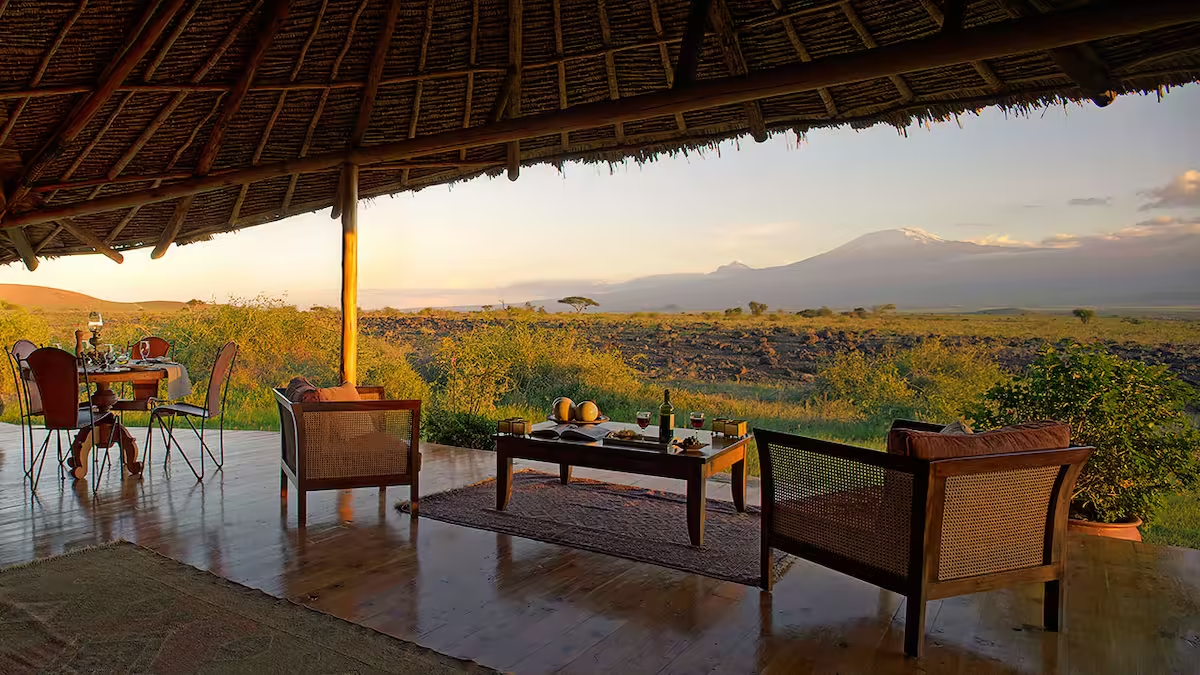
Marangu Gate → Mandara → Horombo → Kibo → Uhuru Peak → Horombo → Marangu
The hut-based option, with the extra day that makes the profile far more sensible.
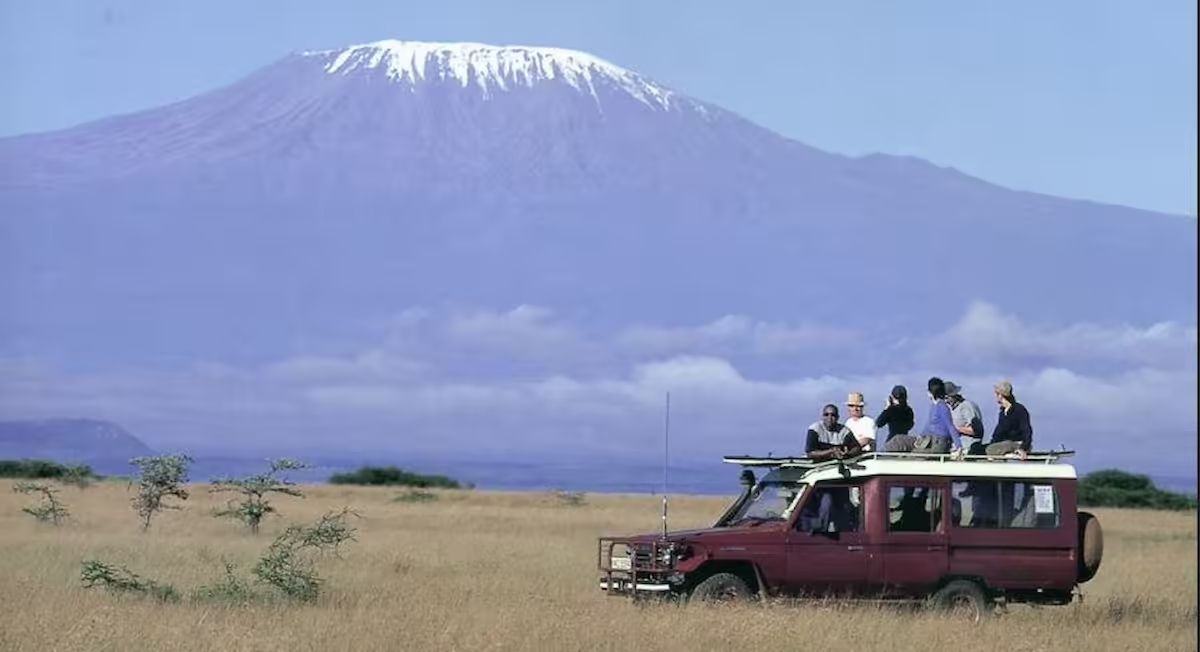
Rongai Gate → Kikelewa → Kibo → Uhuru Peak → Mweka
A longer northern approach with camping and additional time on the mountain.
Longer formats add acclimatization days, a northern traverse, or a safari and beach finish to the same climb.
Moshi → Machame → Shira → Barranco → Karanga → Barafu → Uhuru Peak → Mweka
A longer Machame itinerary with additional time built around acclimatization and recovery.
Lemosho Gate → Shira → Barranco → Karanga → Barafu → Uhuru Peak → Mweka
A longer itinerary designed to prioritize gradual acclimatization rather than compressing the ascent.
Lemosho Gate → Northern Circuit → Kibo → Uhuru Peak → Mweka
A longer mountain expedition with extensive time on Kilimanjaro before the summit attempt.
Kilimanjaro → Tarangire → Ngorongoro → Serengeti
The climb followed by the northern circuit, with game drives doubling as recovery days.
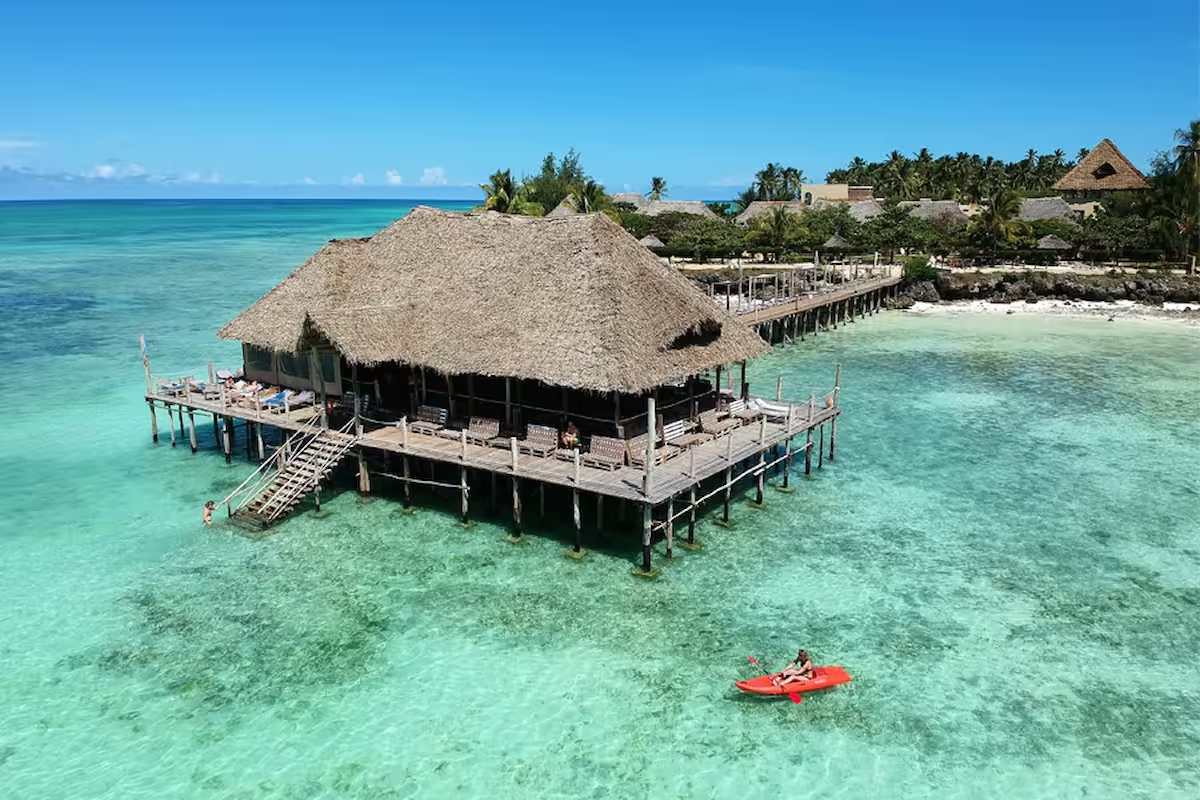
Kilimanjaro → Serengeti → Ngorongoro → Zanzibar
The mountain, the wildlife and a slow finish on the Indian Ocean.
Kilimanjaro → Tarangire → Serengeti → Ngorongoro → Zanzibar
The full Tanzania arc, with enough days that nothing in it has to be rushed.
The right route depends on several practical questions rather than on a single ranking.
How many days do you have? If your schedule is flexible, a longer itinerary allows more time for acclimatization. Compare the day plans.
Do you prefer huts or tents? Marangu is the principal hut-based route, and most other routes use camping.
Do you want a quieter approach? Rongai and the Northern Circuit provide different traffic patterns from the heavily used southern routes.
Are you an experienced mountain hiker? Experienced trekkers may consider more demanding routes such as Umbwe, while first-time climbers should focus on a sensible acclimatization profile. Try the success estimator to see how the variables combine.
Are you combining Kilimanjaro with a safari? If you are also visiting Serengeti, Ngorongoro or Tarangire, the mountain itinerary should be designed so the safari begins with enough recovery time.
Are you adding Zanzibar? Allow several days after the climb rather than treating Zanzibar as an immediate continuation of strenuous activity.
There is no single route that suits every climber, and the honest answer depends on more than one variable.
The decision should be based on:
The most important point is to avoid choosing a route simply because it is the shortest or the cheapest. A well-designed climb gives your body enough time to adjust while keeping the daily walking distances realistic.
Booking early is useful when you have fixed international flights, a specific departure date, a preferred route, a private group, a safari extension, Zanzibar flights or specific accommodation requirements.
Route availability should always be confirmed close to booking, because routes can be suspended temporarily or access can be modified for operational, environmental or safety reasons. The September 2026 Lemosho and Londorosi suspension is a current example of exactly that.
The practical order is simple: fix the dates, confirm the route is operating, then build the acclimatization plan, the accommodation and any safari or beach extension around it. Request a proposal and the route status is the first thing that gets checked.
Mount Kilimanjaro's highest point, Uhuru Peak, is 5,895 metres, or 19,341 feet, above sea level.
The standard trekking routes do not require technical mountaineering skills such as rock climbing. The primary challenges are endurance, terrain, weather and altitude.
Climbing Kibo generally takes 5 to 8 days depending on the route. Longer commercial itineraries may add acclimatization or preparation days.
No route should be described simply as easy. Terrain, altitude and weather make every summit attempt demanding, and route suitability depends on the climber's experience, available time and acclimatization plan.
Yes. Previous mountaineering experience is not normally required on the standard routes, but proper physical preparation and an appropriate acclimatization itinerary are essential.
The commonly preferred climbing periods are January to February and June to October, although Kilimanjaro can be climbed outside these windows and weather can change rapidly at any time.
No. All climbs must be guided by a licensed operator and solo trekking on the mountain is not permitted.
Children under 10 are not allowed above 3,700 metres under the published park rules. Because the summit is at 5,895 metres, a full summit climb is not suitable for young children.
Yes. Kilimanjaro combines naturally with Tanzania's northern safari circuit, including Tarangire, Ngorongoro and Serengeti.
Yes. A Kilimanjaro climb can be followed by a Zanzibar beach holiday, and it is one of the most popular combinations we build.
Not necessarily, but you should be prepared for several consecutive days of walking and a substantial altitude gain.
Yes. Warm clothing, waterproof layers, proper hiking boots, a sleeping system suitable for cold conditions, a headlamp and appropriate personal gear are all important.
Porter arrangements depend on the package. Porters are normally used on commercial climbs to carry group equipment and permitted personal luggage, with a maximum carrying weight of 20 kg.
Temperatures vary significantly with altitude. Lower slopes can be relatively warm while the summit zone can be extremely cold, especially during the night summit attempt.
Yes. Altitude is one of the principal risks of the climb. Ascend gradually, allow acclimatization time and report symptoms to your guide promptly.
A Kilimanjaro climb should be planned around the route, the number of days and the acclimatization strategy first. Accommodation, transfers, equipment, mountain crew and any safari or Zanzibar extension are then built around the climb.