
Africa-wide safari hub
Budget African Safaris: Real Value Without Regret (2026/27)
Genuine ways to cut safari cost - green season, camping, groups, self-drive - and what never to cut.
Budget safaris work when you cut beds and season, never guide quality or Migration positioning. Green-season camping safaris, join-in departures, self-drive Namibia and South Africa, and four-plus travelers splitting a private vehicle all move the needle 20 to 40 percent. Below: honest value routes by country.
Best countries for this safari
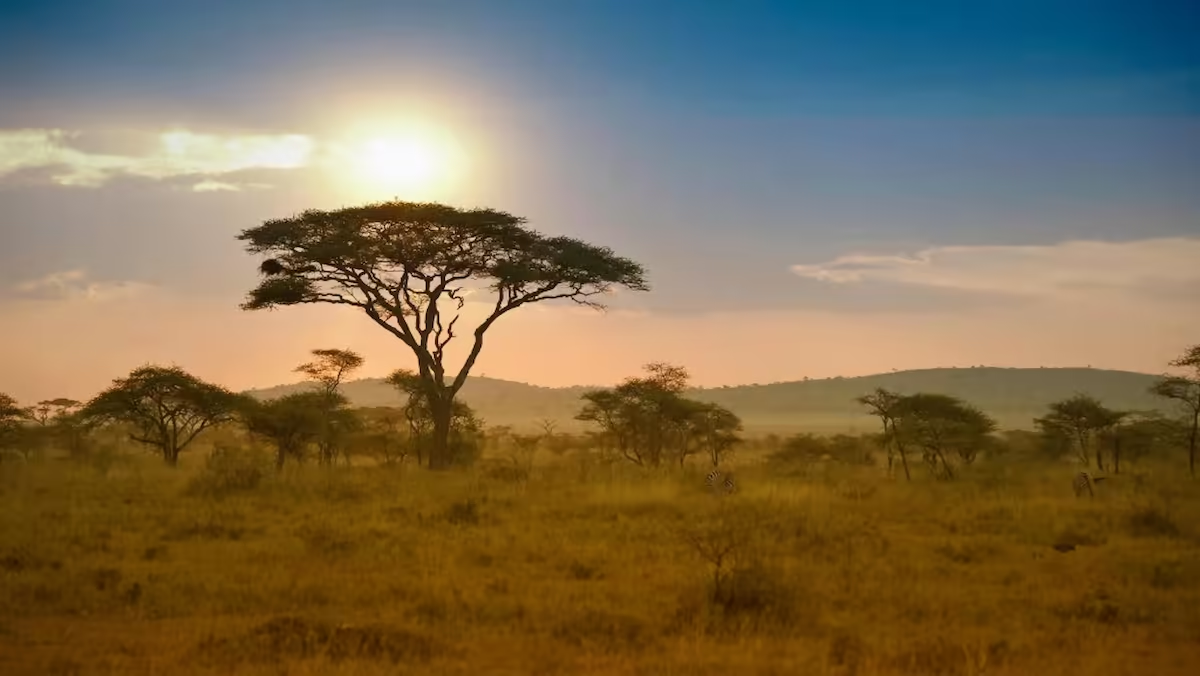
Tanzania budget
Camping northern circuit.
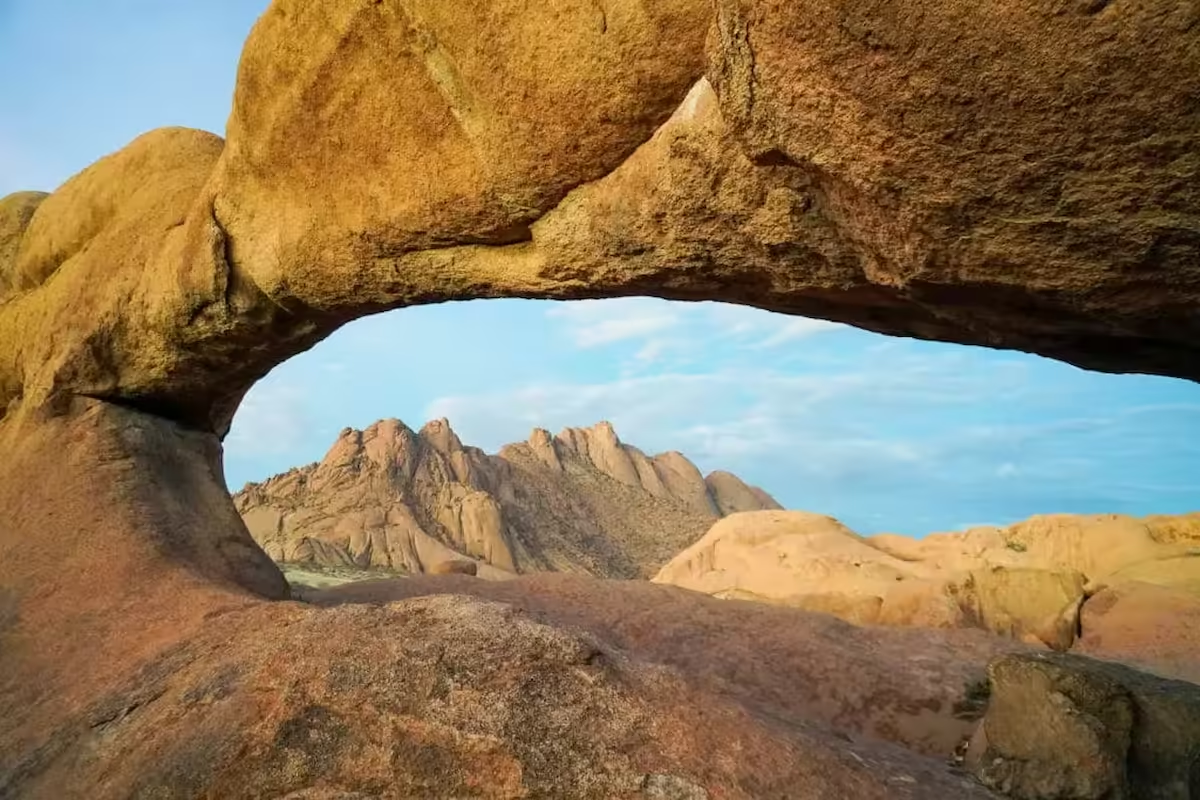
Namibia self-drive
Freedom plus value.
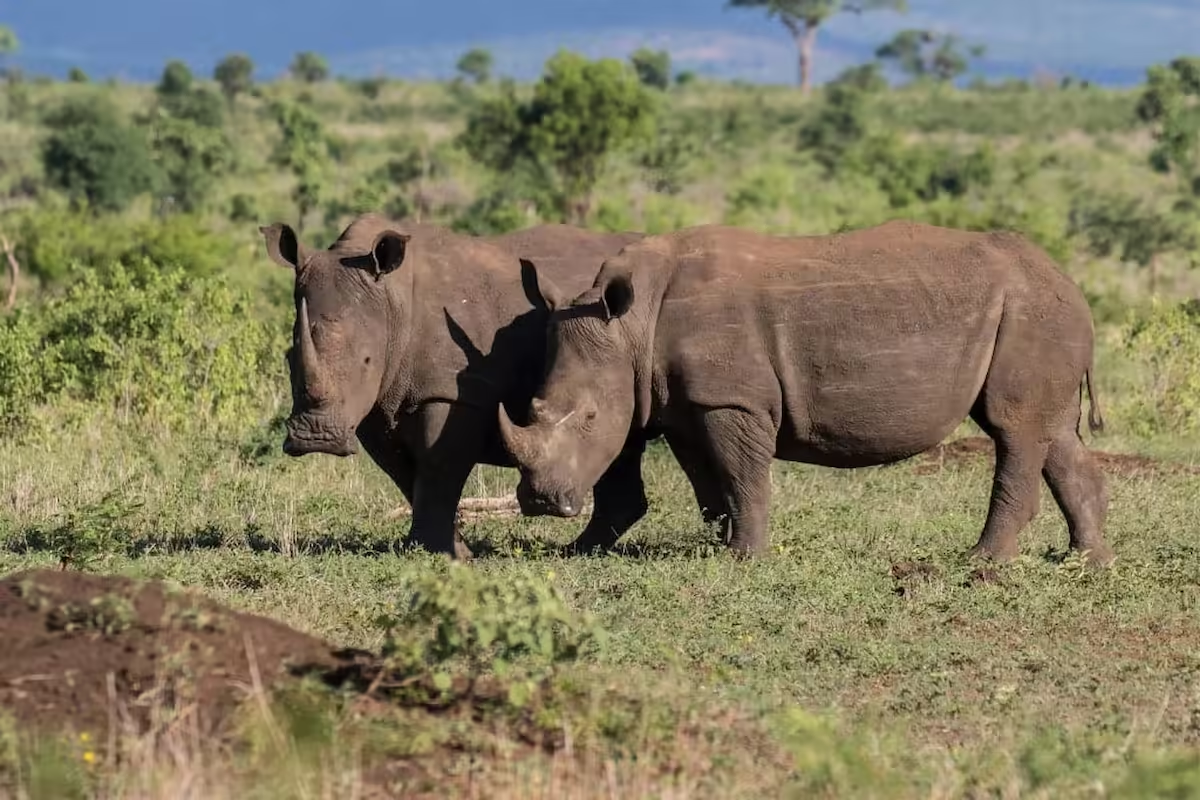
South Africa value
Self-drive Kruger options.
Compare your options
| Option | Best for | Guide price |
|---|---|---|
| Camping safari | Tanzania/Kenya, green season | From $300/day |
| Self-drive | Namibia/SA | From $250/day |
| Join-in group | Set departures | On request |
Featured safari packages
FAQs
What should we never cut?
Guide quality, Migration-zone camp location and insurance. Cut thread counts and travel dates instead.
Is green season actually good?
Yes - babies, birds, dramatic skies, empty sightings. April-May long rains are the only genuinely limiting window.
How do we choose between the options above?
Match the country to your priority: Tanzania budget: Camping northern circuit. Namibia self-drive: Freedom plus value. South Africa value: Self-drive Kruger options. Tell us your month and party and a specialist narrows it to one route.
What do the guide prices on this page include?
Guide prices such as Camping safari (Tanzania/Kenya, green season) - From $300/day; Self-drive (Namibia/SA) - From $250/day; Join-in group (Set departures) - On request are mid-range baselines per person (two travelers), including private vehicle and guide, accommodation, park fees and listed transfers. Peak season and luxury tiers quote higher - every proposal is line-itemed.
Those per-day figures assume two travelers sharing one vehicle in green season; every additional passenger splits the same vehicle bill, and peak-season park tariffs can lift a day by US$30-80 before any upgrade. Treat them as the floor of a mid-range build, not as a ceiling - every proposal we issue line-items the same structure.
How much should we tip?
As a guideline: 15 to 25 dollars per day for your driver-guide (per group, not per person), 10 to 15 dollars per day into camp communal tip boxes, and 20 to 30 dollars for a gorilla porter. Restaurants 10 percent where service is not included.
Traveling solo - how do single supplements work?
All itineraries run solo. Expect a 20 to 50 percent supplement where lodges charge per room; vehicles cost the same whether one or six ride. Ask for the honest supplement math per trip.
What happens if it rains?
Game drives run rain or shine - vehicles have roofs and ponchos, animals remain active, and green-season light is superb for photography. Only true downpours pause activity, and camps flex schedules around them.
How do internal flights and luggage limits work?
Bush flights allow 15 to 20kg in soft duffels; lodges store hard cases free. We route connections with realistic margins and meet you at every airstrip - missed-connection cover is built into fly-in trips.
How do we get the best price without hurting the trip?
Travel green season, bring four or more travelers to split the vehicle, choose tented camps over lodges, and drive where flying saves little. Never cut guide quality, Migration-zone positioning or insurance.
The four levers that actually work: green season (published rates 20-40 percent below high season with fewer vehicles at sightings), four or more travelers splitting the vehicle, tented camps over permanent lodges of the same operator, and road transfers under two hours instead of flight sectors. The three that do not: cutting guide quality, cutting Migration-zone positioning, and dropping insurance - the last one being a false economy at US$100-300 for a multi-thousand-dollar trip.
Related guides
Plan this exact trip
One specialist, line-item pricing, reply within 24 hours.