
Tanzania Safari | 2026-08-20
Best Time to Visit Tanzania: Month-by-Month Safari Guide
Excerpt: June-October dry season and crossings, January-March calving, November-December value - matched to Migration zones.
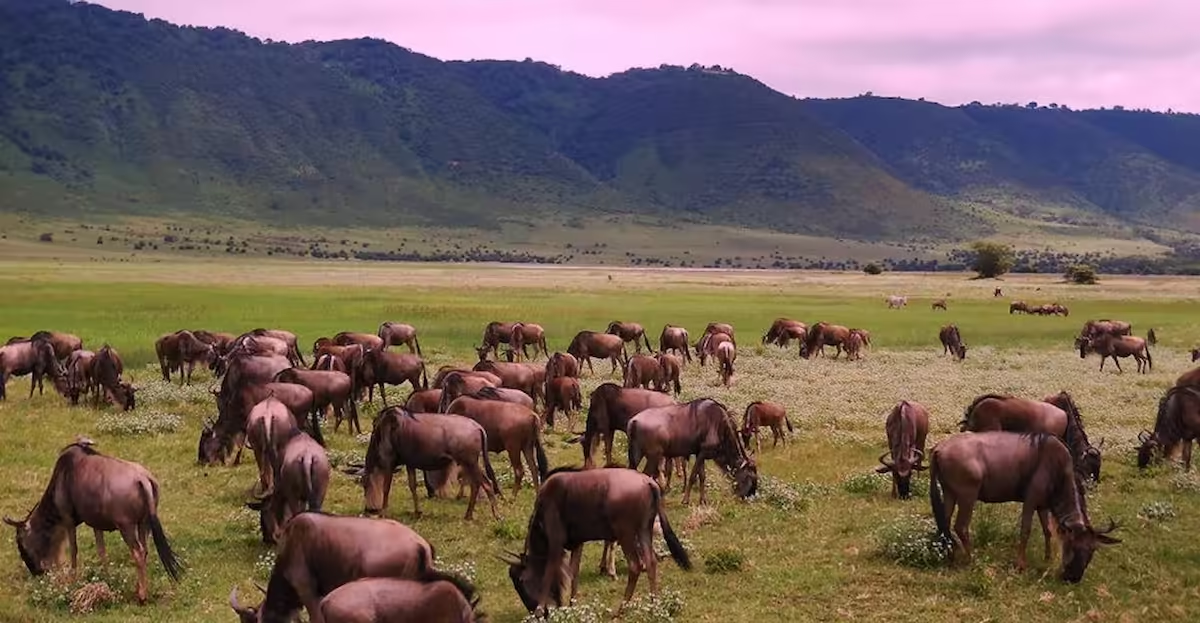
Tanzania has no single best month - only the best month for your goal. Dry concentrates game; green cuts prices and crowds.
Related safari packages
June to October: dry season
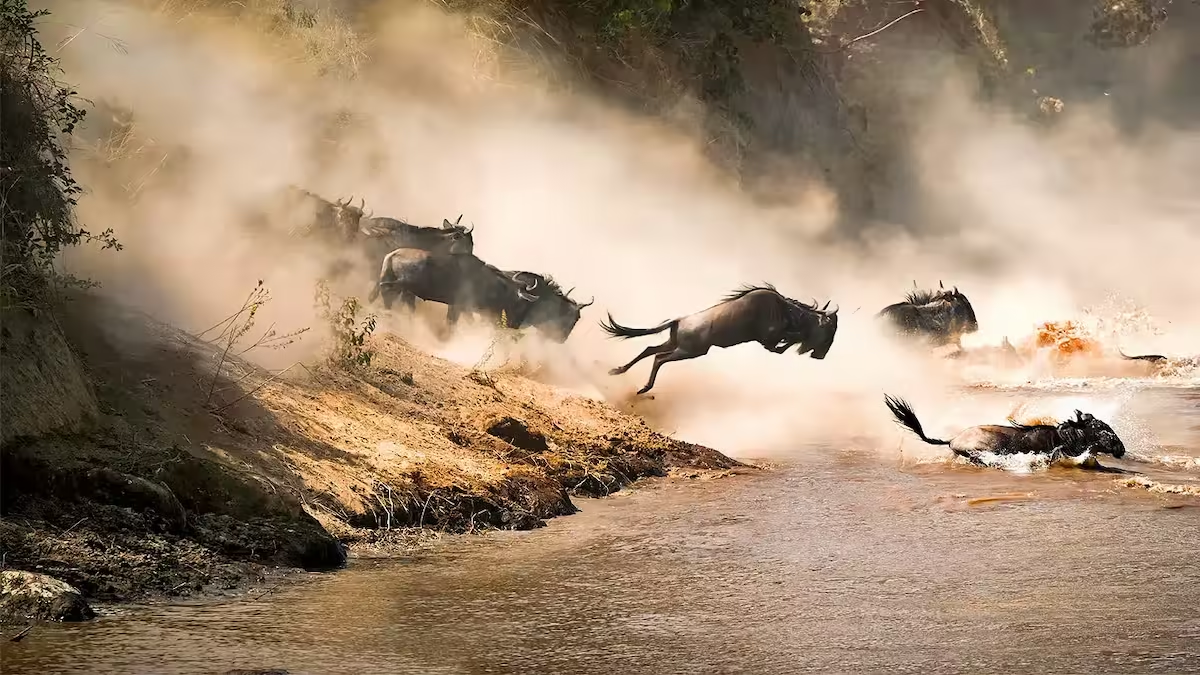
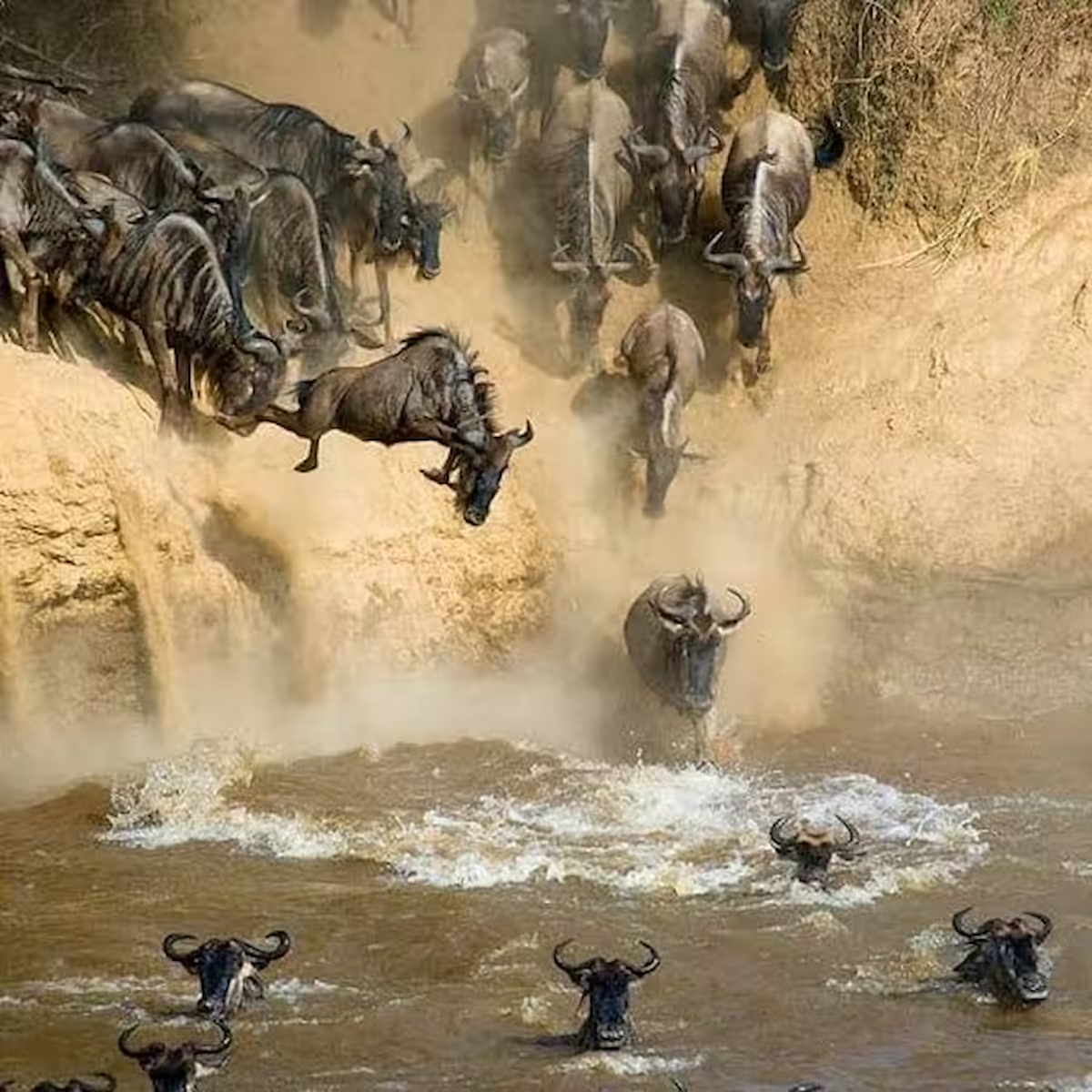
Best general game viewing; Grumeti crossings June, Mara River crossings July-October in the north. Peak prices, peak availability pressure - book 9-12 months ahead.
January to March: calving
Ndutu and the southern plains: 8,000 calves daily with lions, cheetahs and hyenas hunting in daylight. Fewer vehicles, superb photography, strong value.
November to December: short rains value
Green landscapes, migratory birds, newborn antelope, empty sightings. Brief afternoon storms, rarely trip-ruining.
April to May: long rains
The one genuinely limiting window: some murram roads impassable, a few camps close. Deep discounts for flexible travelers on southern circuits.
Related articles
FAQs
Which month for river crossings?
Grumeti in June; Mara River July to October. Exact days follow rain - three-plus nights near the river converts odds to probability.
Is January good?
Superb for calving in Ndutu plus clear Kilimanjaro views in Amboseli if combining Kenya. Fewer crowds than August.
Can we travel with school holidays?
June-August and December-January align beautifully with dry or calving seasons. Book family rooms 9-12 months out.
What about Zanzibar timing?
Beach is year-round; June-October and January-March driest. Safari season and beach season agree - convenient.
How far ahead to book?
Migration months 9-12 months; calving 6-9; green season 2-4. Gorilla-style permit pressure does not apply - camps are the constraint.
Does it rain all day in April?
Rarely: intense bursts, often afternoons, with bright intervals. The issue is roads, not skies - southern black-cotton soil suffers most.
How do deposits and payments work?
A deposit of 20 to 30 percent confirms camps, permits and flights; the balance is due 60 days before travel. We accept bank transfer and major cards (card fees disclosed upfront). Full terms arrive in writing before you pay anything.
We accept bank transfer and Visa or Mastercard; card payments add the processor's 2-4 percent, disclosed line by line. Splitting the balance across two cards is possible at proposal stage, and paying early in green season occasionally unlocks camp flexibility worth a few percent - always against a written schedule, never against an informal promise.
Are your guides qualified?
Our driver-guides average a decade in their parks, hold national guiding licenses plus first-aid certification, and are assigned by specialty - Migration positioning, photography, birding or family pacing.
How do we get the best price without hurting the trip?
Travel green season, bring four or more travelers to split the vehicle, choose tented camps over lodges, and drive where flying saves little. Never cut guide quality, Migration-zone positioning or insurance.
The four levers that actually work: green season (published rates 20-40 percent below high season with fewer vehicles at sightings), four or more travelers splitting the vehicle, tented camps over permanent lodges of the same operator, and road transfers under two hours instead of flight sectors. The three that do not: cutting guide quality, cutting Migration-zone positioning, and dropping insurance - the last one being a false economy at US$100-300 for a multi-thousand-dollar trip.
Turn this into an itinerary
A specialist replies within 24 hours.