
Gorilla Trekking | 2026-09-10
Gorilla Permits Explained: Cost, Booking Windows & Sector Strategy
Excerpt: Uganda 800 vs Rwanda 1,500 dollars, 6-12 month booking windows, Bwindi sector strategy - permits first, lodges second.
Permits are the constraint around which entire trips are built. Understand them and everything else follows.
Related safari packages
Cost and what it funds
Uganda 800 dollars, Rwanda 1,500 per person per trek. Fees fund rangers, trackers, veterinary units and community revenue-share - the conservation model that saved the species.
Booking windows
Peak months (Jul-Sep, Dec-Feb) sell out 6-12 months ahead in both countries. Shoulder months work at 3-4 months. We check live availability before quoting lodges - never the reverse.
Bwindi sector strategy
Rushaga and Nkuringo host the most families (permit odds); Buhoma has the deepest lodge bench. Match sector to dates first, lodge second - cross-sector transfers waste trek mornings.
Rules that matter
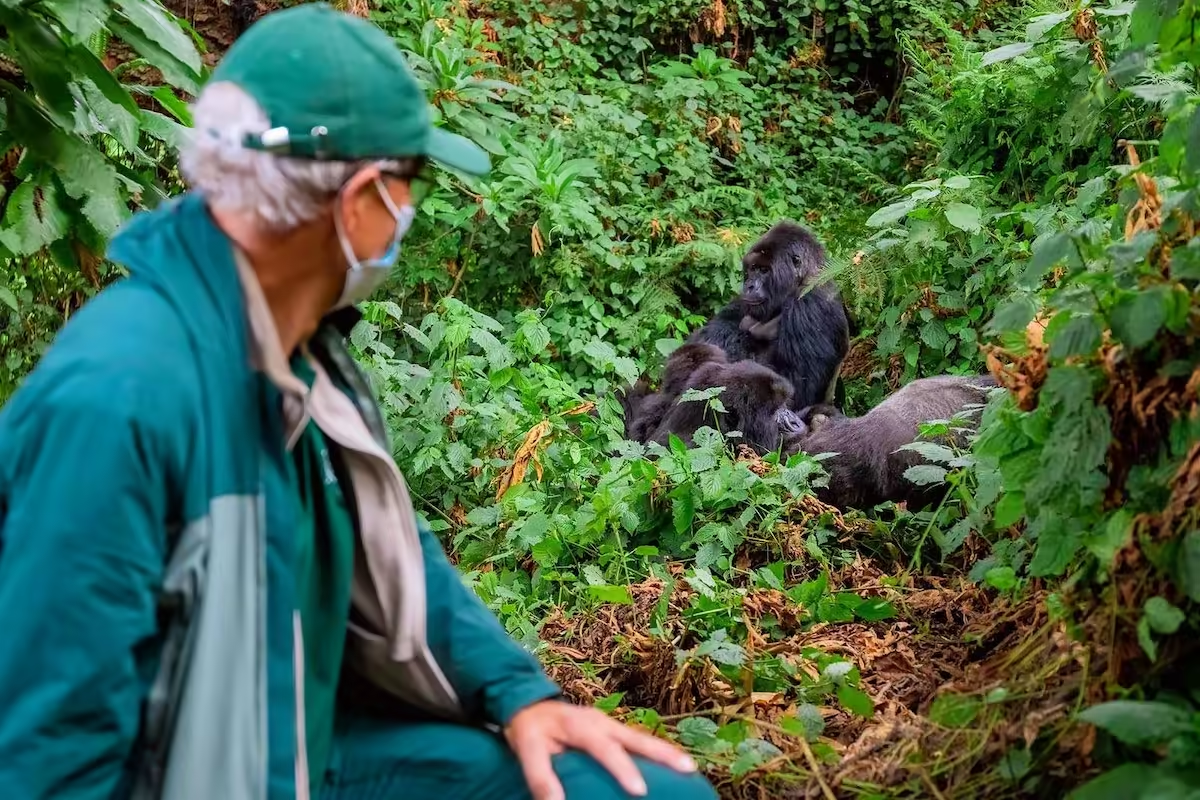
Minimum age 15, one hour with the family, 8-meter rule, no flash, masks near gorillas, stay home if ill (reschedules beat infections). Porters mandatory in our planning.
Related articles
FAQs
Can permits sell out?
Routinely in peak months. Flexibility on sector and weekday unlocks availability; fixed dates need early booking.
Peak means July-August and the Christmas-New Year fortnight, when Uganda's release window can close within days for the best trailheads. Sell-outs hit families with more lodges around them first - Rushaga and Buhoma - while Mgahinga and mid-week slots stay open longer. Authority releases are announced, so a specialist watches the calendar rather than guessing.
What if it rains?
Treks run rain or shine - ponchos provided, trails slippery, gorillas unconcerned. Porters earn their fee.
One trek or two?
One saturates most travelers. Photographers and devotees take two; others spend the second permit on chimps.
Practical split: first trek for the encounter, second only if photography or a specific family drives you. Consecutive days in the same sector avoid repeat transfers, and a second permit can be a habituation day (US$1,500, four hours) instead of a repeat visit. If the first day runs long and rough, most groups are glad they booked one.
Are permits refundable?
Partially per authority policy, with rescheduling options for illness. Terms arrive in writing before payment.
The written schedule typically runs: full refund minus an administrative fee if cancelled well ahead (often 90+ days), no refund inside the final window, and illness rescheduling subject to a medical letter. Weather cancellations are handled by the authority on trek day itself. This is why we ask for permits before lodge payments - they carry the hardest terms.
Rwanda worth the premium?
For speed and lodge splendor, yes. For cost and combinations, Uganda. Same hour, different logistics.
How do we pay?
Permit fees flow through our ground allocation with receipts. Never buy permits from unverified resellers.
How do deposits and payments work?
A deposit of 20 to 30 percent confirms camps, permits and flights; the balance is due 60 days before travel. We accept bank transfer and major cards (card fees disclosed upfront). Full terms arrive in writing before you pay anything.
We accept bank transfer and Visa or Mastercard; card payments add the processor's 2-4 percent, disclosed line by line. Splitting the balance across two cards is possible at proposal stage, and paying early in green season occasionally unlocks camp flexibility worth a few percent - always against a written schedule, never against an informal promise.
Are your guides qualified?
Our driver-guides average a decade in their parks, hold national guiding licenses plus first-aid certification, and are assigned by specialty - Migration positioning, photography, birding or family pacing.
How do we get the best price without hurting the trip?
Travel green season, bring four or more travelers to split the vehicle, choose tented camps over lodges, and drive where flying saves little. Never cut guide quality, Migration-zone positioning or insurance.
The four levers that actually work: green season (published rates 20-40 percent below high season with fewer vehicles at sightings), four or more travelers splitting the vehicle, tented camps over permanent lodges of the same operator, and road transfers under two hours instead of flight sectors. The three that do not: cutting guide quality, cutting Migration-zone positioning, and dropping insurance - the last one being a false economy at US$100-300 for a multi-thousand-dollar trip.
Turn this into an itinerary
A specialist replies within 24 hours.