

Safari Planning | 2026-02-18
Where Your Safari Money Actually Goes (Line-Item Transparency)
Excerpt: Park fees, concession beds, guide wages and vehicles line-itemed - the transparency most operators will not show you.
A mid-range day costs 350 to 600 dollars per person. Here is exactly where it goes - and the questions that reveal padding.
Related safari packages
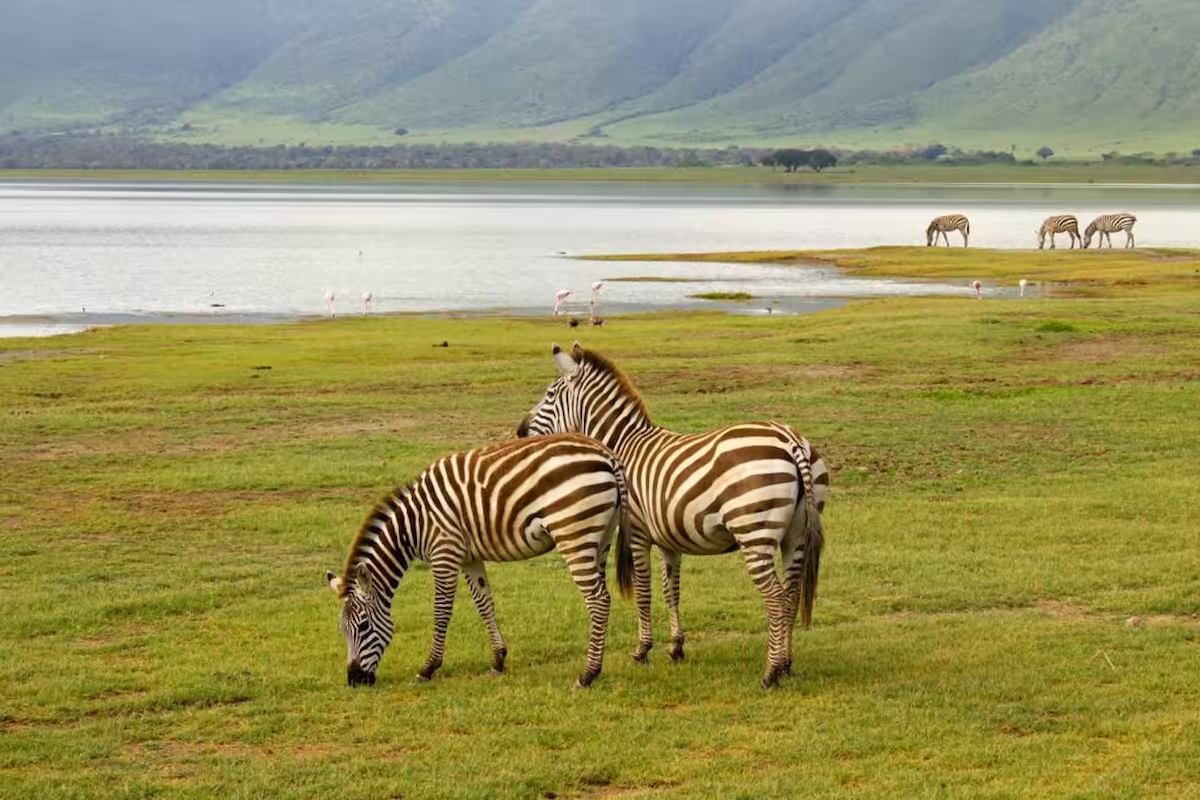
Park and concession fees: 70-120 per day
Serengeti, Mara and crater fees plus concession bed levies. Non-negotiable, payable to authorities - any quote excluding them is not comparable.
Beds: 180-320 per day mid-range
Full-board lodges and tented camps. Luxury suites run 700-plus. Location beats thread count in Migration season.
Vehicle and guide: 100-180 per day share
Extended Land Cruiser, fuel, maintenance plus a licensed career guide. Split across travelers - the math that makes groups of four the value sweet spot.
What padding looks like
Excluded park fees, vague accommodation (no named camps), single-line totals, balloon/visa surprises later. Demand named camps, included fees, and per-night splits. See the cost guide.
Related articles

FAQs
Why do quotes for the same trip vary so much?
Camp tier, fee inclusion, vehicle sharing and season. A 30-percent gap usually means different trips, not different margins - compare line items.
Are park fees really that high?
Yes: 70-120 dollars daily in premier parks, plus permits (gorilla 800). They fund rangers and communities - legitimate cost, always disclosed in our quotes.
Yes, and the numbers are public: Serengeti US$70-plus per adult per day, Maasai Mara conservancies near US$100, Kruger US$10-40, gorilla permits US$800-1,500. They fund ranger salaries and community trusts - the line item that separates a sustainable operator from a discount quote.
How do groups of four save money?
The vehicle and guide bill splits four ways instead of two - typically 12-18 percent less per person with zero quality change.
The saving is arithmetic: a US$250-per-day vehicle and guide bill falls from US$125 to US$62.50 per person when four share instead of two, and four-bed rooms and family villas often price better per head than two doubles. Four travelers can therefore hold mid-range accommodation and still beat a two-person private quote.
Is luxury double the wildlife?
No - double the ease, positioning and space. Mid-range sees the same lions; luxury sees them privately, longer, with night drives.
What is never worth cutting?
Guide quality, Migration-zone positioning, insurance. Cut thread counts, travel dates and internal flights first.
Tipping budget?
300-600 dollars per week covers guides, camps and porters for most travelers. See the tipping guide.
A practical envelope: US$15-25 per day for the guide (per vehicle, not per person), US$10-15 per day into the camp tip box, US$5-10 per porter or activity guide - roughly US$200-400 per person on a ten-day trip. Small, clean notes in dollars or local currency work; tips are settled in cash on departure.
Do prices drop last-minute?
Rarely for quality camps - they sell out. Green-season published rates are the real discount mechanism.
Quality camps hold rates and release inventory late only under pressure - and the late release is usually the rooms nobody else wanted. The real last-minute lever is green-season published rates (often 20-40 percent below high season) and last-minute seat sales on scheduled light-aircraft flights, both of which reward flexible dates rather than fixed plans.
Credit card fees?
2-4 percent is standard where cards are accepted; bank transfers avoid it. Disclosed upfront in our proposals.
Cards work at most lodges and city hotels, typically at 2-4 percent over cash or transfer; ATMs in Nairobi, Arusha and Windhoek dispense local currency but cap withdrawals (often US$200-300 per transaction), which matters more than the rate for daily tipping cash. Bank transfers carry no card surcharge and are the cleaner route for deposits and balances.
How do deposits work?
20-30 percent confirms camps and permits; balance 60 days out; full written terms before payment. Never pay without named camps.
Standard structure: 20-30 percent deposit confirms camps, permits and flight seats; the balance falls due 60 days before departure; cancellation scales from deposit only (90-plus days out) to full (inside two weeks). Gorilla and Migration-concession permits are the exception - often non-refundable the moment they are issued.
Turn this into an itinerary
A specialist replies within 24 hours.