
Kenya Safari
Kenya Luxury Safaris: conservancy exclusivity
Private Mara conservancies, helicopter extras and Diani royalty.
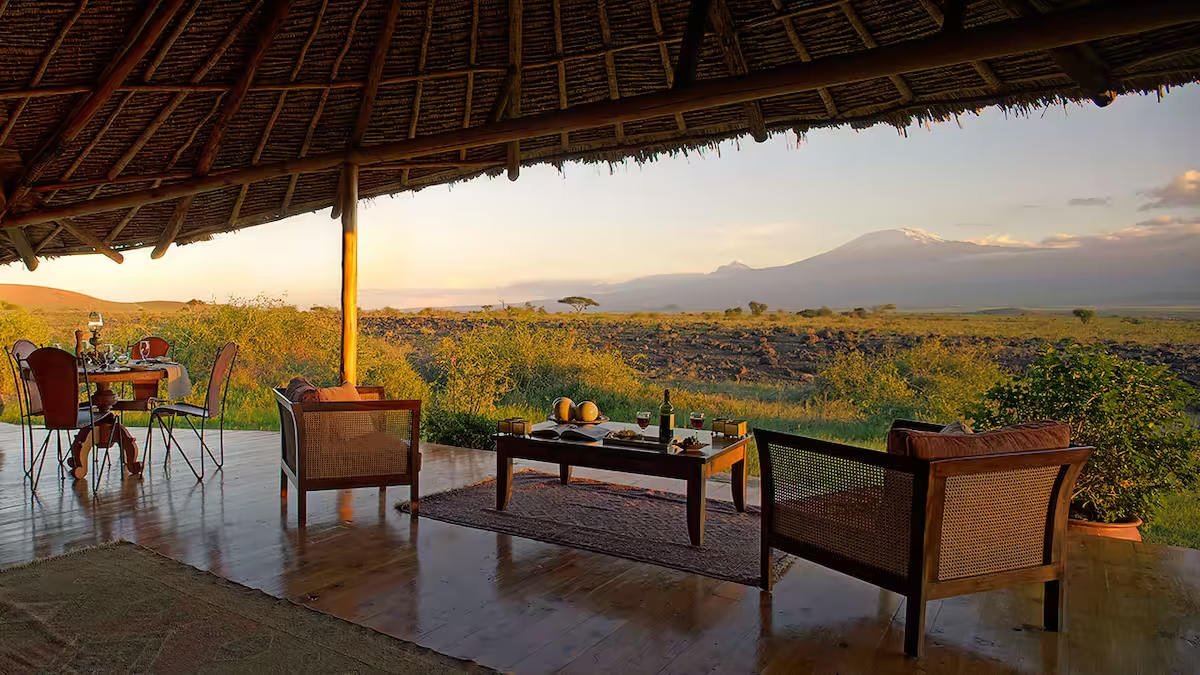
Kenya luxury lives in the conservancies - Mara North, Naboisho, Olare Motorogi - where bed limits guarantee empty sightings and rules allow night drives and walks. Add helicopter transfers and a Diani Aman-tier finish for the full statement.
Recommended itineraries
Durations, season & stays
Durations: 7 days ideal
Best time: Jul-Oct peak; Jan-Mar elegant value
Stays: Conservancy suites
FAQs
Reserve or conservancy for luxury?
Conservancy, without debate - the exclusivity is the product.
What is the best month for this trip?
Timing decides everything: Jul-Oct peak; Jan-Mar elegant value. Tell us your exact window and we confirm the wildlife logic before quoting camps.
How many days should we allow?
7 days ideal. Shorter formats move daily; longer formats add buffer days for weather, herds and rest - the days most travelers later call the best.
What does it cost?
As a baseline, rates in this cluster start at $5,450, rising with season and camp tier - see the cards above. Final pricing depends on season, camp tier and group size - every proposal is line-itemed so you can trade choices up or down per night.
Who is this trip best for?
Everyone who wants their own vehicle, guide and schedule - no group compromises.
How do we get the best price without hurting the trip?
Travel green season, bring four or more travelers to split the vehicle, choose tented camps over lodges, and drive where flying saves little. Never cut guide quality, Migration-zone positioning or insurance.
The four levers that actually work: green season (published rates 20-40 percent below high season with fewer vehicles at sightings), four or more travelers splitting the vehicle, tented camps over permanent lodges of the same operator, and road transfers under two hours instead of flight sectors. The three that do not: cutting guide quality, cutting Migration-zone positioning, and dropping insurance - the last one being a false economy at US$100-300 for a multi-thousand-dollar trip.
What is the best month for this trip?
Dry-season months give the easiest wildlife viewing; green-season months cut cost 20 to 35 percent. Tell us your window and we confirm the wildlife logic.
What vaccinations and malaria prevention do we need?
Yellow fever certificates are required when arriving from endemic countries; malaria prophylaxis is recommended for most safari regions - discuss options with your doctor 6 to 8 weeks out. We brief every trip on water, sun and insect precautions.
CDC guidance for the region is precise. Yellow fever vaccination is recommended for all safari travelers and becomes a certificate requirement when you arrive via an endemic country such as Rwanda or Uganda. Routine boosters, hepatitis A, typhoid and hepatitis B round out the travel clinic list. Malaria transmission covers every game park below roughly 2,500 meters, the parasite is chloroquine resistant, and the preventatives that work are atovaquone-proguanil, doxycycline, mefloquine or tafenoquine, started before arrival and finished after. Book the clinic six to eight weeks out, and pack repellent with 20 percent DEET plus long sleeves for dusk.
What photography gear should we bring?
A 100 to 400mm zoom covers 90 percent of sightings; add a wide second body for landscapes. Beanbags beat tripods in vehicles. We provide charging setups and dust management briefings - tell us your kit and targets.
How do internal flights and luggage limits work?
Bush flights allow 15 to 20kg in soft duffels; lodges store hard cases free. We route connections with realistic margins and meet you at every airstrip - missed-connection cover is built into fly-in trips.
Related
Get a tailored proposal
Your dates, your pace, your camp tier.