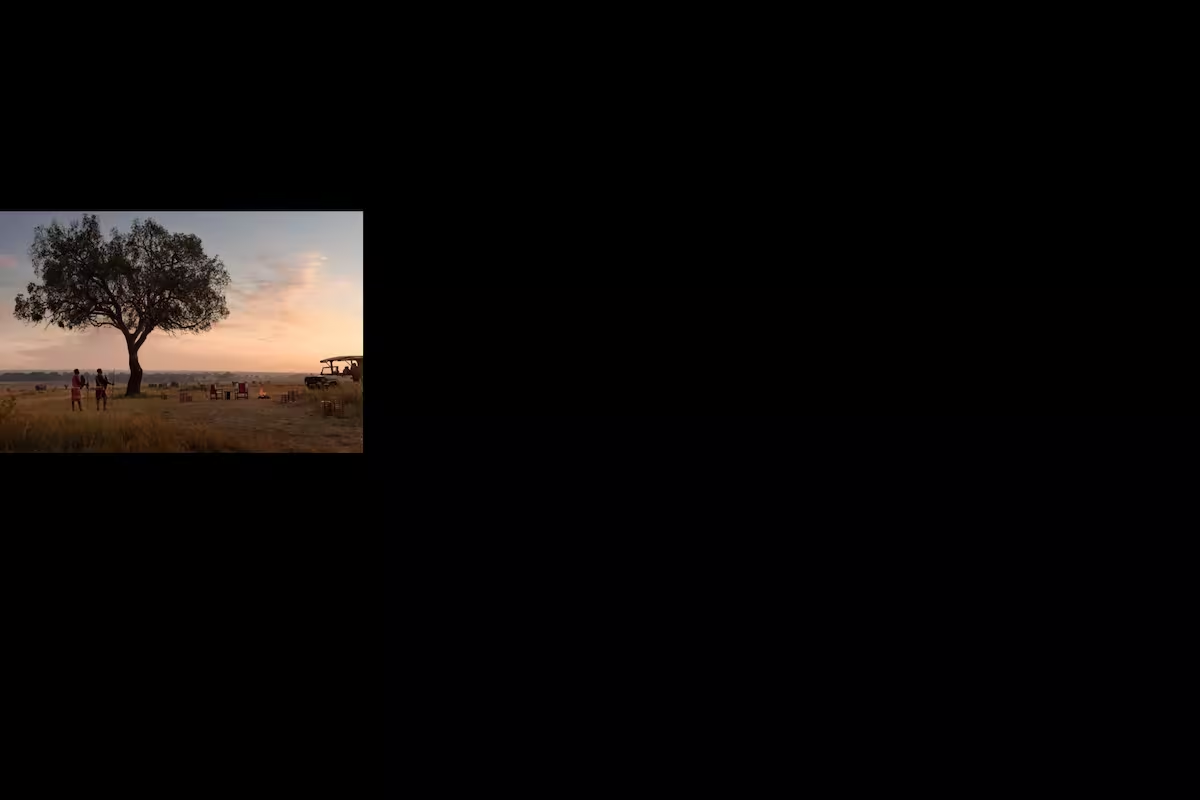
7-Day Kenya & Tanzania Safari: Mara + Serengeti
Two countries, one ecosystem: Mara, Serengeti and crater.
From $3,250

Kenya & Tanzania | 10 days | combo, migration
Two full Migration zones plus crater and Amboseli.
Two-country East Africa: Mara plus Serengeti with Isebania/Namanga border handling, crater included from seven days, Amboseli and Zanzibar on longer formats. Grand-tour depth: two regions or bush-plus-beach without rushing. Route: Amboseli - Masai Mara - Ngorongoro Crater - Northern Serengeti over 10 days. Season logic:

Morning: Land at Nairobi; meet your private guide for a full safari briefing.
Midday: Lunch and gear check; rest after the flight.
Afternoon: Introductory game drive in Amboseli where routing allows, else lodge pool and early rest.
Evening: Dinner and overnight near Nairobi. (Add a pre-night after long-haul arrivals.)
Meals: Dinner.
Accommodation: Hotel in Nairobi.
Morning: Early departure for a dawn game drive when predators are still active, returning for brunch.
Midday: Picnic lunch at a designated site or lodge lunch, then rest through the midday heat while wildlife dozes.
Afternoon: Afternoon game drive in Amboseli: Great-tusker elephants with Kilimanjaro looming - clearest at dawn.
Evening: Sundowner at a scenic stop, dinner and overnight at the lodge or camp.
Meals: Breakfast, picnic lunch and dinner.
Accommodation: Tented camp or lodge on the Amboseli boundary.
Morning: Early departure for a dawn game drive when predators are still active, returning for brunch.
Midday: Picnic lunch at a designated site or lodge lunch, then rest through the midday heat while wildlife dozes.
Afternoon: Afternoon game drive in Masai Mara: Marsh Pride lions, river crossings in season and big-cat density at its peak. Transfer from Amboseli (a scenic road transfer).
Evening: Sundowner at a scenic stop, dinner and overnight at the lodge or camp.
Meals: Breakfast, picnic lunch and dinner.
Accommodation: Tented camp or lodge in the Masai Mara.

Morning: Early departure for a dawn game drive when predators are still active, returning for brunch.
Midday: Picnic lunch at a designated site or lodge lunch, then rest through the midday heat while wildlife dozes.
Afternoon: Afternoon game drive in Ngorongoro Crater: Gate-open descent for lions, black rhino, hyena clans and flamingo lakes on the crater floor. Transfer from Masai Mara (a scenic road transfer).
Evening: Sundowner at a scenic stop, dinner and overnight at the lodge or camp.
Meals: Breakfast, picnic lunch and dinner.
Accommodation: Crater-rim lodge or permanent camp in the Ngorongoro highlands.
Morning: Early departure for a dawn game drive when predators are still active, returning for brunch.
Midday: Picnic lunch at a designated site or lodge lunch, then rest through the midday heat while wildlife dozes.
Afternoon: Afternoon game drive in Northern Serengeti: Mara River crossing points; picnic lunches and patient waiting July to October. Transfer from Ngorongoro Crater (a scenic road transfer).
Evening: Sundowner at a scenic stop, dinner and overnight at the lodge or camp.
Meals: Breakfast, picnic lunch and dinner.
Accommodation: Seasonal camp in the Northern Serengeti.
Morning: Early departure for a dawn game drive when predators are still active, returning for brunch.
Midday: Picnic lunch at a designated site or lodge lunch, then rest through the midday heat while wildlife dozes.
Afternoon: Second full day for deeper territories with picnic lunch out: Mara River crossing points; picnic lunches and patient waiting July to October.
Evening: Sundowner at a scenic stop, dinner and overnight at the lodge or camp.
Meals: Breakfast, picnic lunch and dinner.
Accommodation: Seasonal camp in the Northern Serengeti.
Morning: Final sunrise activity around Northern Serengeti with bush breakfast.
Midday: Brunch, then transfer to Nairobi for onward connections.
Afternoon: Day rooms available on late flights; souvenir stop if time allows.
Evening: End of safari services at Nairobi airport.
Meals: Breakfast and brunch.
Accommodation: Departure day - no overnight stay.
10 days on the Kenya and Tanzania circuit: Amboseli, Masai Mara, Ngorongoro Crater, Northern Serengeti. Every day below is a real day on the ground, not a transfer with a game drive attached.
It sits south of Nairobi on the way to the Mara, so it costs no backtracking - and that is where the route opens.
Northern Serengeti holds 5 of the 10 days, and that is deliberate: crossings are never scheduled, so consecutive nights are the only way to give one a chance of happening.
10 days moves past the point of rushing: whole days rather than stops, and enough slack that weather or wildlife can bend the plan without breaking it.
A cross-border circuit moves in one direction: the Kenyan parks south, then over the border into the northern Tanzania circuit, so the driving is spent once rather than twice. The Mara and the Serengeti are the same ecosystem split by a line, and the route is built to follow the wildlife across it.
Hand-picked lodges and tented camps matched to your tier - mid-range comfort or luxury suites, always positioned for short game-drive starts. Family rooms, honeymoon suites and triple options on request.
Extended 4x4 Land Cruiser with pop-up roof, fridge, charging ports and window seats for all. Your English-speaking driver-guide averages a decade in these parks and is assigned by specialty - Migration positioning, photography, birding or family pacing.
Two-country travelers - one ecosystem, zero repeated parks.
| Season | Per person (2 travelers) |
|---|---|
| Green season | from $4,650 |
| Peak season | from $5,650 |
| Tier | What you get |
|---|---|
| Budget | Camping and simple camps, with departures in the green season to hold the rate down. The private vehicle, your guide and the park fees stay exactly the same - the cut is beds and season, never guiding or positioning. |
| Mid-range | Comfortable lodges and tented camps with full board, positioned for short game-drive starts. This is the standard the from-price on this page assumes. |
| Luxury | Top-end suites and private villas in the best position in camp, private guiding throughout and flexible meal times. The highest season surcharge applies. |
Kenya and Tanzania runs on two seasons. The one you pick changes what you see, what the camps cost and how far ahead you need to commit.
June to October is the shared dry window across both countries: comfortable days, thinning vegetation and wildlife concentrated on the remaining water. July to August is the busiest stretch, when the migration is in the Mara and northern Serengeti.
The short rains arrive in November and the long rains in March to May. The parks green up, rates fall and the crowds thin, and the January to March calving season in the southern Serengeti is the outstanding wildlife event of the green months.
The migration does not recognise the border: it is in the Mara from July to October and in the southern Serengeti for calving from January. The itinerary positions camp on whichever side the herds are on for your dates.
June to August and the migration months want six to twelve months of notice across both countries, because you are booking two countries' camps at once. Green-season departures usually work on two to four months.
Every price on this page is a full-cost quote. Park and concession fees are line-itemed, so the total you compare against another operator is the total you pay.
Amboseli | Masai Mara | Ngorongoro Crater | Northern Serengeti
Back to hub | Style hub | Customize any itinerary
Two countries, one ecosystem: Mara, Serengeti and crater.
From $3,250
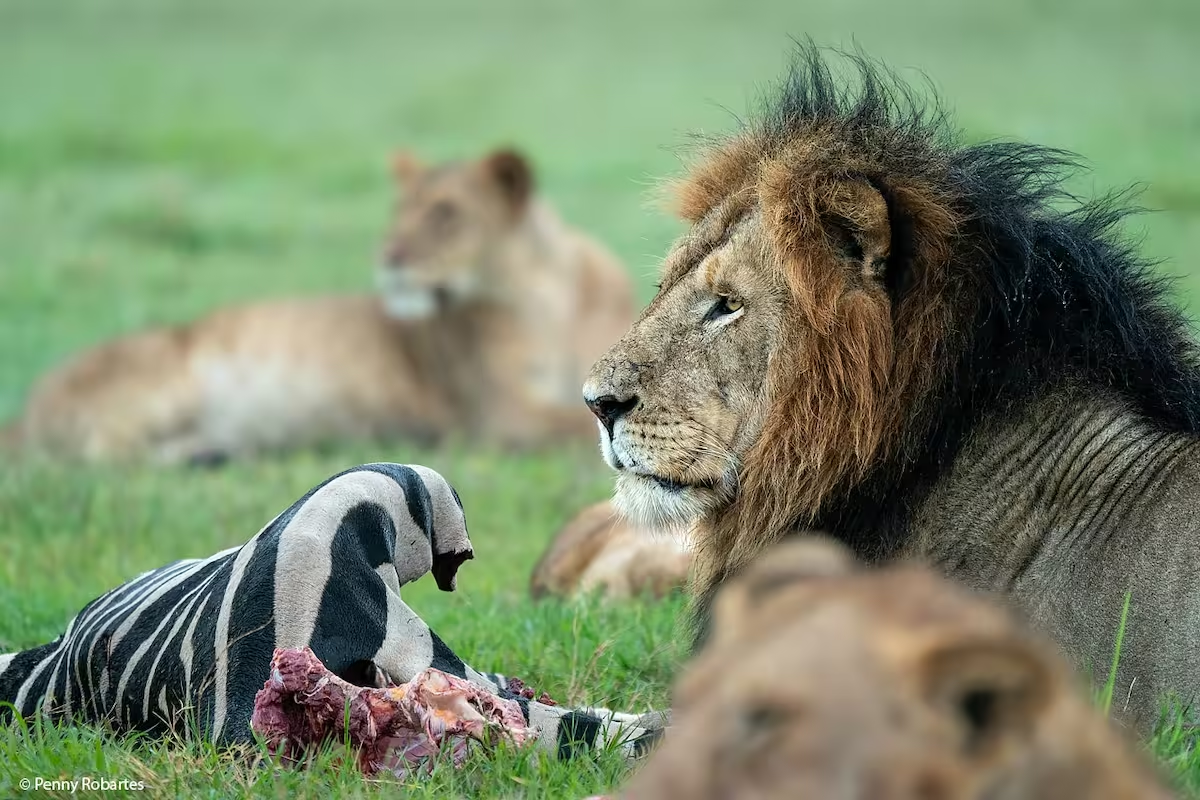
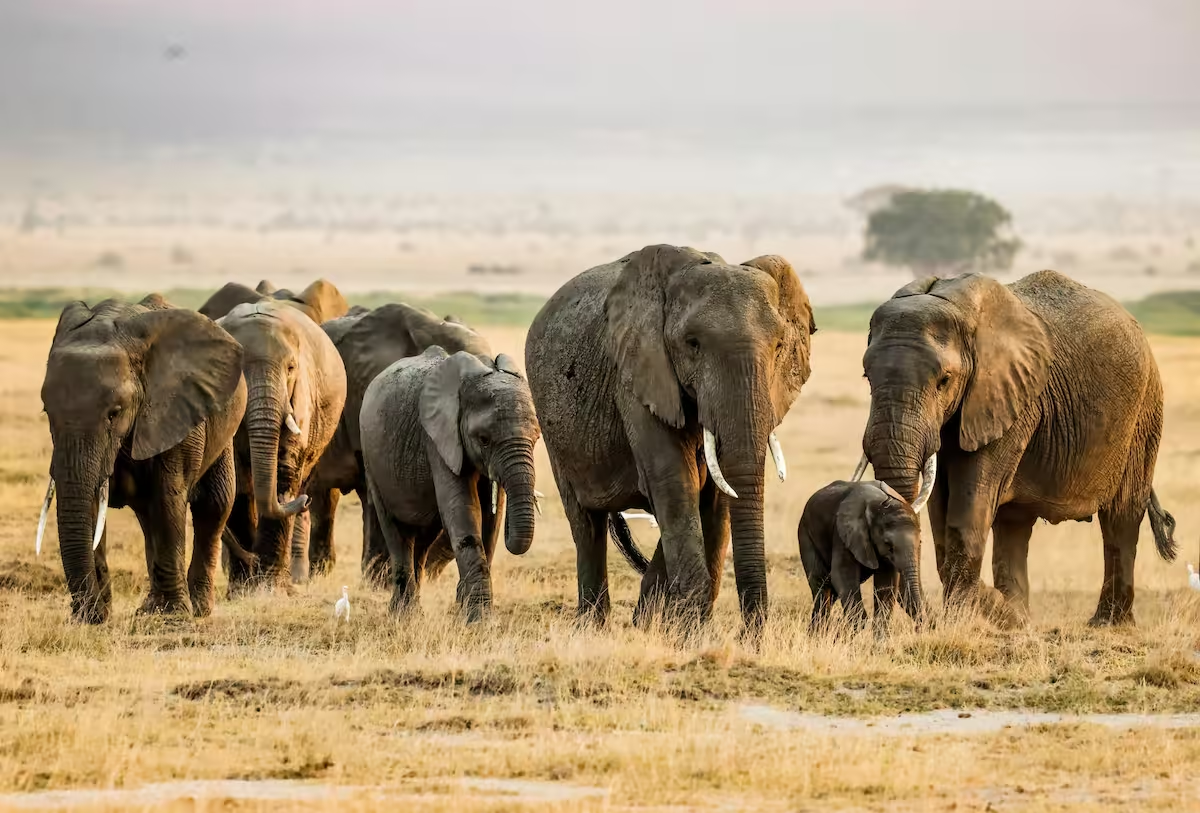
Elephants added: Tarangire joins Mara, Serengeti and crater.
From $4,150
Travel green season, bring four or more travelers to split the vehicle, choose tented camps over lodges, and drive where flying saves little. Never cut guide quality, Migration-zone positioning or insurance.
The four levers that actually work: green season (published rates 20-40 percent below high season with fewer vehicles at sightings), four or more travelers splitting the vehicle, tented camps over permanent lodges of the same operator, and road transfers under two hours instead of flight sectors. The three that do not: cutting guide quality, cutting Migration-zone positioning, and dropping insurance - the last one being a false economy at US$100-300 for a multi-thousand-dollar trip.
Dry-season months give the easiest wildlife viewing; green-season months cut cost 20 to 35 percent. Tell us your window and we confirm the wildlife logic.
Yellow fever certificates are required when arriving from endemic countries; malaria prophylaxis is recommended for most safari regions - discuss options with your doctor 6 to 8 weeks out. We brief every trip on water, sun and insect precautions.
CDC guidance for the region is precise. Yellow fever vaccination is recommended for all safari travelers and becomes a certificate requirement when you arrive via an endemic country such as Rwanda or Uganda. Routine boosters, hepatitis A, typhoid and hepatitis B round out the travel clinic list. Malaria transmission covers every game park below roughly 2,500 meters, the parasite is chloroquine resistant, and the preventatives that work are atovaquone-proguanil, doxycycline, mefloquine or tafenoquine, started before arrival and finished after. Book the clinic six to eight weeks out, and pack repellent with 20 percent DEET plus long sleeves for dusk.
A 100 to 400mm zoom covers 90 percent of sightings; add a wide second body for landscapes. Beanbags beat tripods in vehicles. We provide charging setups and dust management briefings - tell us your kit and targets.
Bush flights allow 15 to 20kg in soft duffels; lodges store hard cases free. We route connections with realistic margins and meet you at every airstrip - missed-connection cover is built into fly-in trips.
Yes - every itinerary here runs with your own vehicle and guide. No Mixed-group compromises unless you ask for a join-in price.
Game-drive safaris need no fitness. Trekking trips state their grade honestly - ask for the training notes.
International flights, visas, travel insurance (required), premium drinks, the balloon flight where offered, and tips. Our quotes line-item park fees and permits so the total you compare is the total you pay.
Game drives run rain or shine - vehicles have roofs and ponchos, animals remain active, and green-season light is superb for photography. Only true downpours pause activity, and camps flex schedules around them.
Your dates, your camp tier - reply within 24 hours.