
Africa-wide safari hub
East Africa Safari: Tanzania, Kenya, Uganda & Rwanda (2026/27)
Migration herds, gorilla forests, Kilimanjaro and the Indian Ocean coast in one region. Multi-country itineraries designed by specialists.
What Is an East Africa Safari?
An East Africa safari is a wildlife and nature-focused journey through one or more countries in the East African region. The most popular safari destinations include Tanzania, Kenya, Uganda, and Rwanda, each offering a different combination of wildlife, landscapes, ecosystems, and cultural experiences.
Unlike a safari limited to one national park, an East Africa safari can connect several destinations to create a broader experience. A traveler might combine the Serengeti and Ngorongoro Conservation Area in northern Tanzania with Kenya's Maasai Mara, or combine wildlife viewing in Uganda with gorilla trekking in Bwindi.
The region's diversity is one of its greatest strengths. Open savannahs support large populations of lions, elephants, giraffes, zebras, wildebeest, and other wildlife, while forests and mountainous areas provide habitats for chimpanzees and mountain gorillas. Lakes, volcanic landscapes, wetlands, and coastal environments add further variety to a multi-destination itinerary.
Best East Africa Safari Destinations
Choosing where to go is one of the most important parts of planning an East Africa safari. Each destination has its own ecological characteristics, wildlife concentrations, activities, and travel considerations.
Classic Savannah & Big Five Safaris
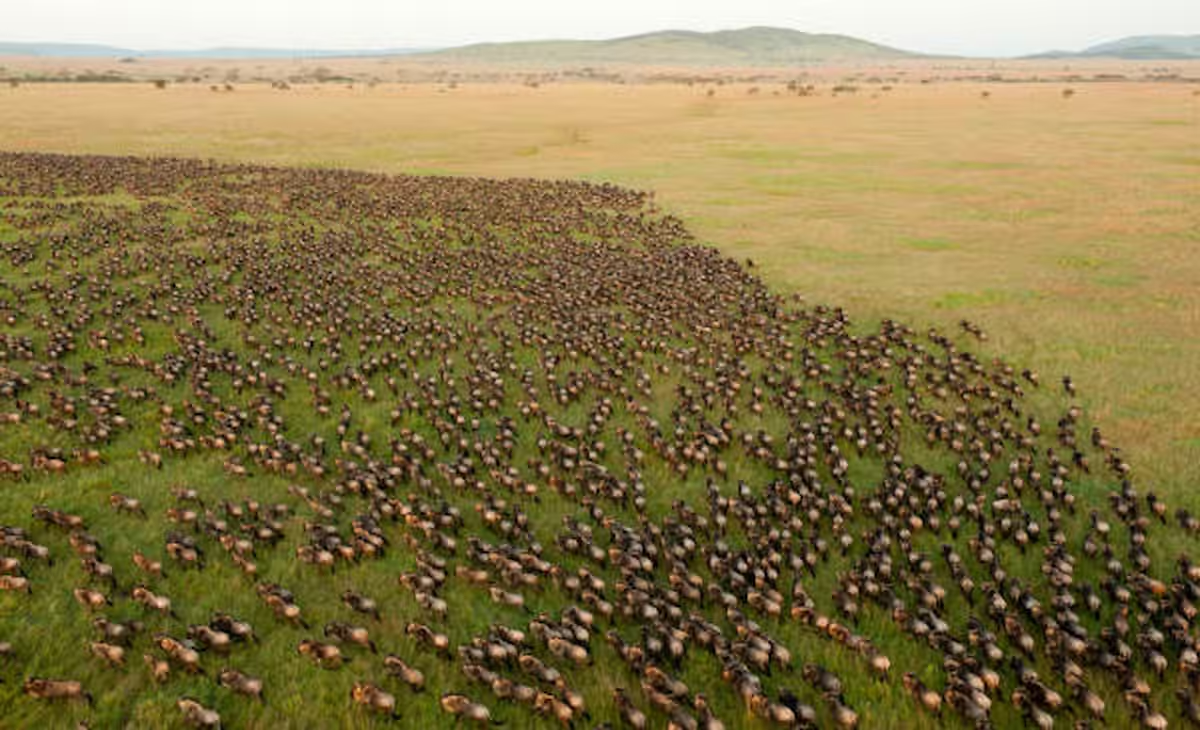
Tanzania
Serengeti, Ngorongoro Crater, Tarangire, Lake Manyara, Nyerere, Kilimanjaro, Zanzibar. The classic complete safari.
Kenya
Maasai Mara, Amboseli, Tsavo, Samburu, Laikipia, Diani Beach. The easiest fly-in safari logistics.
Primate & Forest Safaris
The Great Migration
The Great Migration is one of the most important reasons travelers plan an East Africa safari.
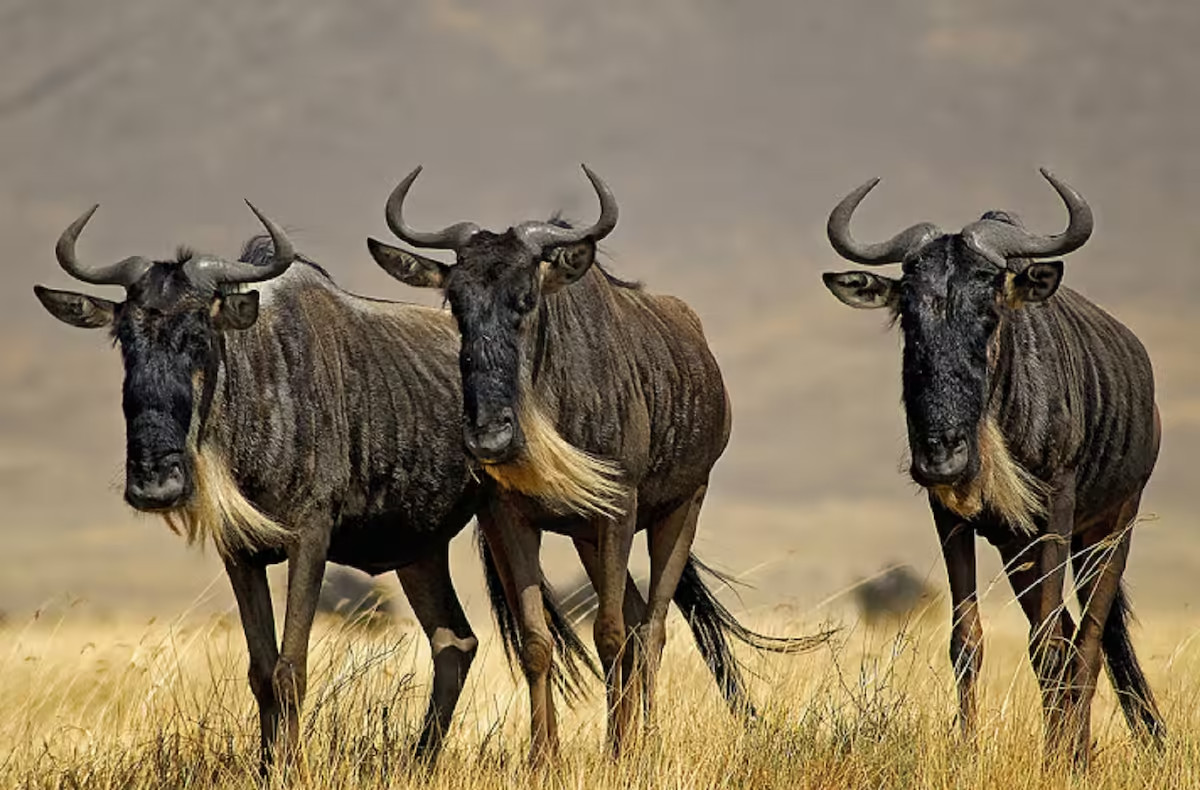
Every year, huge numbers of wildebeest, zebra, and gazelles move through the Serengeti-Mara ecosystem in search of fresh grazing and water. The movement is not a single event occurring on one predictable date. Instead, it is a continuing ecological cycle influenced by rainfall, food availability, and local conditions.
The migration can provide opportunities to witness dramatic river crossings, large concentrations of grazing animals, predator activity, and calving periods. However, the exact location of the herds changes throughout the year.
For this reason, choosing the right safari dates should involve understanding the seasonal movement rather than simply selecting a month because it is described as "migration season." See month-by-month guide →
When Is the Best Time for an East Africa Safari?
There is no single best time for every East Africa safari because the ideal period depends on the destinations and experiences you want.
Dry Season (Jun–Oct, Jan–Feb)
Thinner vegetation, wildlife concentrates around water sources, excellent game viewing. Peak season pricing.
Green Season (Nov–May)
Lush landscapes, fewer visitors, animal births, dramatic skies. Some lodges close; roads can be challenging.
Migration Timing
Jan–Mar: Calving in Ndutu. Jun–Jul: Grumeti crossings. Aug–Oct: Mara River crossings. Nov–Dec: Herds return south.
Wildlife You Can See
A well-planned East Africa safari can offer encounters with many of Africa's most recognizable animals.
Big Five
Lion, Leopard, Elephant, Buffalo, Rhino. Best in Serengeti, Ngorongoro, Mara, Akagera.
Migration Species
Wildebeest, Zebra, Gazelle, plus following predators: Lion, Cheetah, Hyena, Crocodile.
Primates
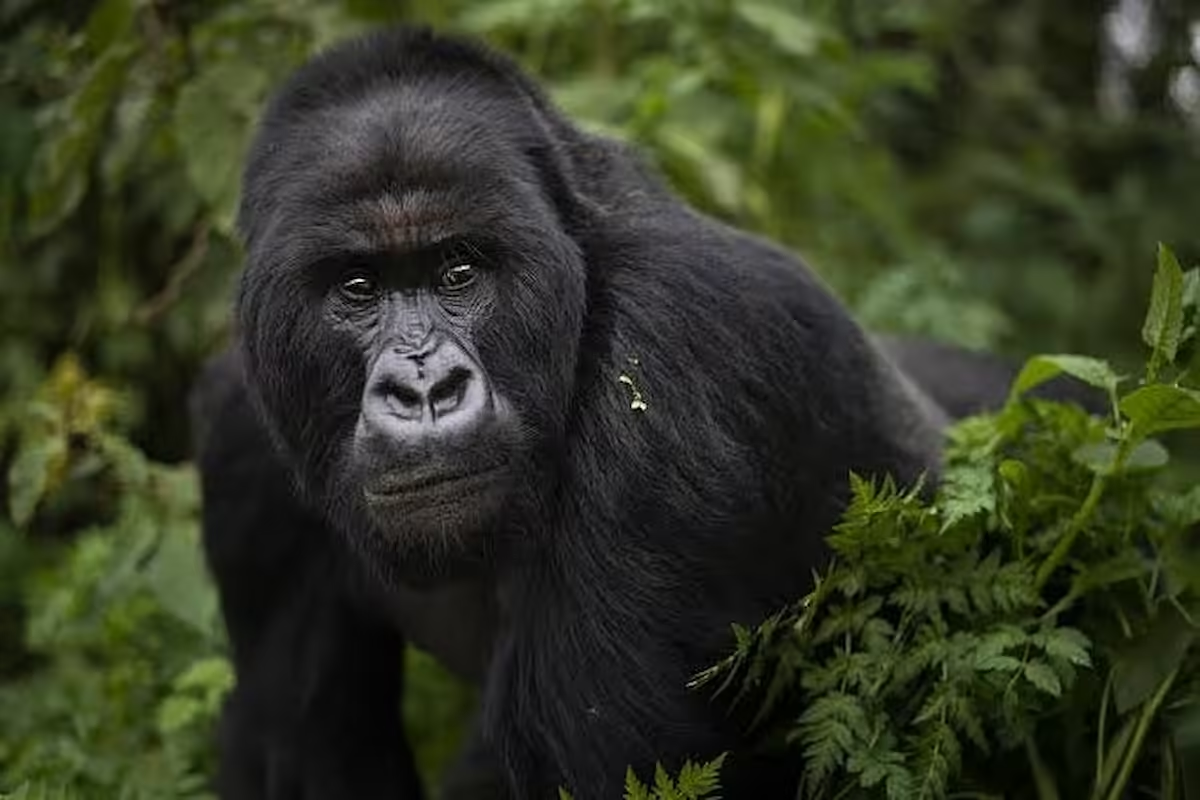
Mountain Gorilla (Bwindi, Volcanoes), Chimpanzee (Kibale, Kyambura, Nyungwe), Golden Monkey.
Specialties
Tree-climbing lions (Ishasha), Elephant herds (Amboseli, Tarangire), Flamingos (Natron, Nakuru), Shoebill (Mabamba).
It is important to remember that wildlife is wild and sightings cannot be guaranteed. Safari experiences are shaped by animal behavior, weather, habitat, season, and the skill and knowledge of local guides.
Big Five Safari in East Africa
The term Big Five refers to the lion, leopard, elephant, buffalo, and rhinoceros.
Tanzania and Kenya both offer opportunities to see Big Five species, although sightings vary between parks and individual safari days. Some destinations are particularly notable for certain animals, while others provide broader habitat diversity.
Rhinoceros sightings can require more patience because populations are smaller and more carefully protected than some other large mammals. This makes conservation-focused tourism particularly important when visiting areas that support rhino populations.
Best for Lion
Serengeti, Maasai Mara, Ngorongoro, Queen Elizabeth (tree-climbing)
Best for Leopard
Seronera (Serengeti), Laikipia, Samburu, South Luangwa (Zambia)
Best for Rhino
Ngorongoro Crater, Lake Nakuru, Ziwa (Uganda), Ol Pejeta (Kenya)
Gorilla Trekking and East Africa Safari
An East Africa itinerary does not have to focus exclusively on savannah wildlife.
Travelers interested in primates can extend their journey into Uganda or Rwanda for mountain gorilla trekking. The experience involves traveling through forest habitat with trained guides and trackers to locate habituated gorilla groups.
Gorilla trekking is physically different from a traditional game drive. Visitors walk through forest terrain, and the duration and difficulty of the trek can vary according to where the gorillas are located.
Combining gorilla trekking with a classic safari can create a diverse itinerary that includes both forest and savannah ecosystems.
Safari Activities
Depending on the destination, activities may include:
Game Drives
Morning, afternoon, full-day in 4×4 vehicles with pop-up roofs.
Walking Safaris
Guided bush walks in select areas (Tarangire, Nyerere, Laikipia).
Boat Safaris
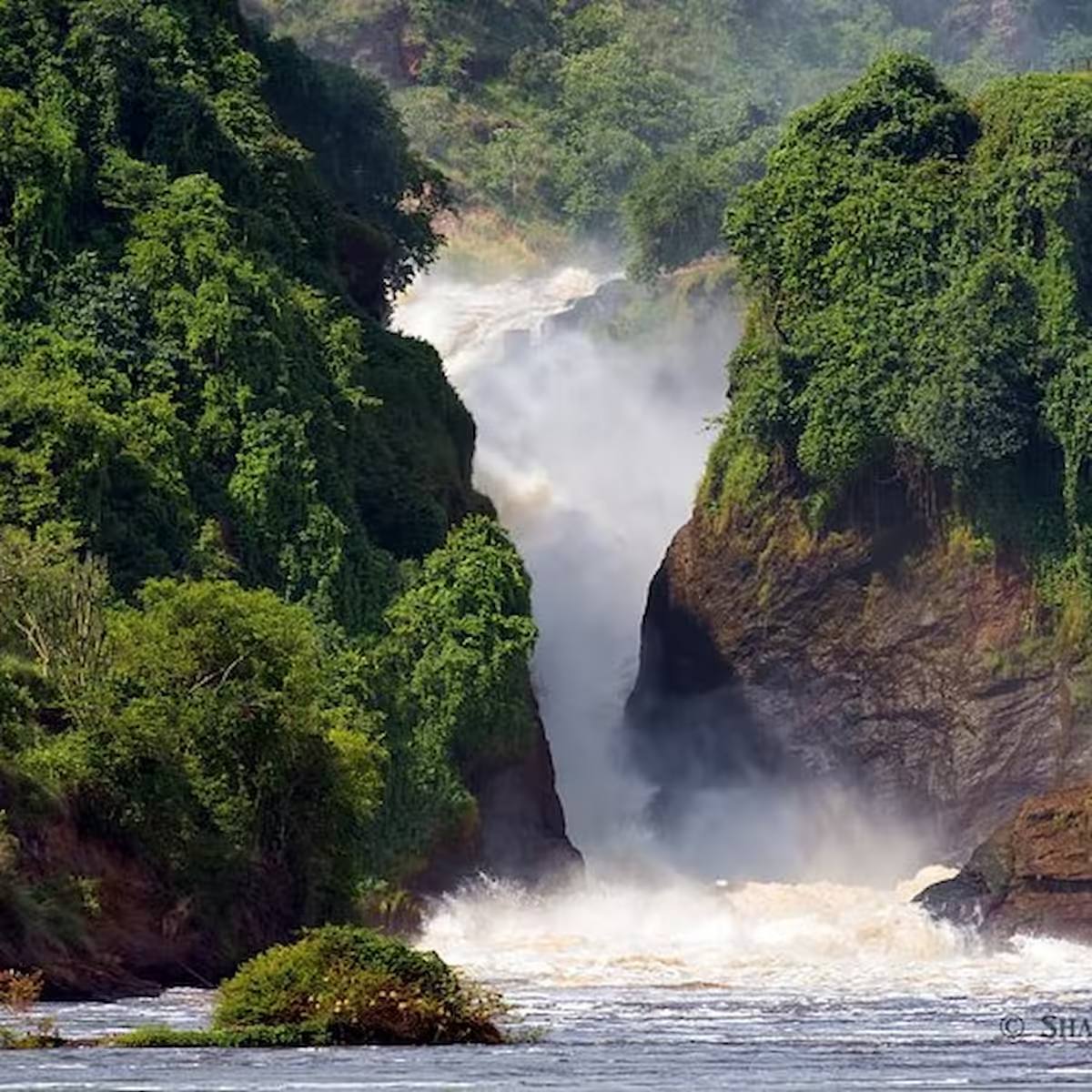
Nile (Murchison), Rufiji (Nyerere), Kazinga Channel (Queen Elizabeth), Lake Naivasha.
Gorilla Trekking
Bwindi (Uganda) or Volcanoes (Rwanda) — permit required, book 6–12 months ahead.
Chimp Trekking
Kibale (best), Kyambura, Mahale, Nyungwe, Gombe.
Balloon Safaris
Serengeti, Mara, Tarangire — pre-dawn, champagne breakfast.
Cultural Visits
Maasai, Samburu, Hadzabe, Batwa, Karamojong communities.
Photography Safaris
Specialist guides, low-mileage days, hides, night drives where permitted.
East Africa Safari Cost
Costs vary substantially depending on destination, duration, accommodation, transportation, group size, season, and activities.
Safari budgets generally need to account for factors such as:
- Accommodation
- Park and conservation fees
- Private or shared safari vehicles
- Professional guides
- Meals
- Domestic or regional flights
- Airport and airstrip transfers
- Special activities
- Gorilla or chimpanzee trekking permits where applicable
- Travel insurance
- Visa requirements
A budget safari using shared transportation and simpler accommodation will have a different cost structure from a private luxury safari staying in high-end lodges and tented camps.
For multi-country itineraries, international or regional flights and border arrangements can also affect the overall price.
| Style | Duration | Countries | From (pp, USD) | Notes |
|---|---|---|---|---|
| Classic | 7 days | Tanzania or Kenya | $3,100 | Mid-range lodges, private 4×4, park fees |
| Migration Focus | 7–8 days | Tanzania | $3,800 | Mobile camps follow herds |
| Primate + Savannah | 7–10 days | Uganda | $4,500 | Includes $800 gorilla permit |
| Premium Gorilla | 5–7 days | Rwanda | $5,500 | Includes $1,500 gorilla permit |
| Kenya + Tanzania | 10–14 days | Both | $6,200 | Mara + Serengeti + Ngorongoro + Amboseli |
| Grand East Africa | 14–21 days | 3–4 countries | $9,500 | Migration + Gorillas + Beach + Culture |
| Kilimanjaro Climb | 7–9 days | Tanzania | $2,800 | Machame or Lemosho route, all-inclusive |
| Zanzibar Add-on | 3–7 days | Tanzania | $800 | Beach hotel, transfers, flights from safari |
How Long Should an East Africa Safari Be?
3–4 Days
One country, 1–2 parks. Fly-in only.
5–7 Days
One country comprehensive (Serengeti + Crater, or Mara + Amboseli).
8–14 Days
Two countries (Kenya + Tanzania) or Primates + Savannah (Uganda/Rwanda + Tanzania/Kenya).
14+ Days
Grand circuit: Migration + Gorillas + Beach + Culture across 3–4 countries.
Tip: Spending more nights in fewer destinations often yields a better experience than rushing through many parks.
Popular Multi-Country Combinations
Tanzania + Kenya (Classic)
- Serengeti + Ngorongoro (TZ)
- Maasai Mara + Amboseli (KE)
- 10–14 days, road or fly between
- Best for: Migration, Big Five, diverse landscapes
Tanzania + Uganda (Savanna + Primates)
- Serengeti + Ngorongoro (TZ)
- Bwindi + Kibale + Queen Elizabeth (UG)
- 10–14 days, fly Entebbe ↔ Serengeti
- Best for: Migration + Gorillas + Chimps
Kenya + Rwanda (Mara + Gorillas)
- Maasai Mara + Amboseli (KE)
- Volcanoes + Akagera (RW)
- 8–11 days, fly Kigali ↔ Nairobi
- Best for: Mara crossings + premium gorilla trek
Grand Circuit (3–4 Countries)
- TZ: Serengeti, Ngorongoro, Zanzibar
- KE: Mara, Amboseli
- UG: Bwindi, Kibale
- RW: Volcanoes (optional)
- 18–21 days, multiple flights
Safari from Zanzibar
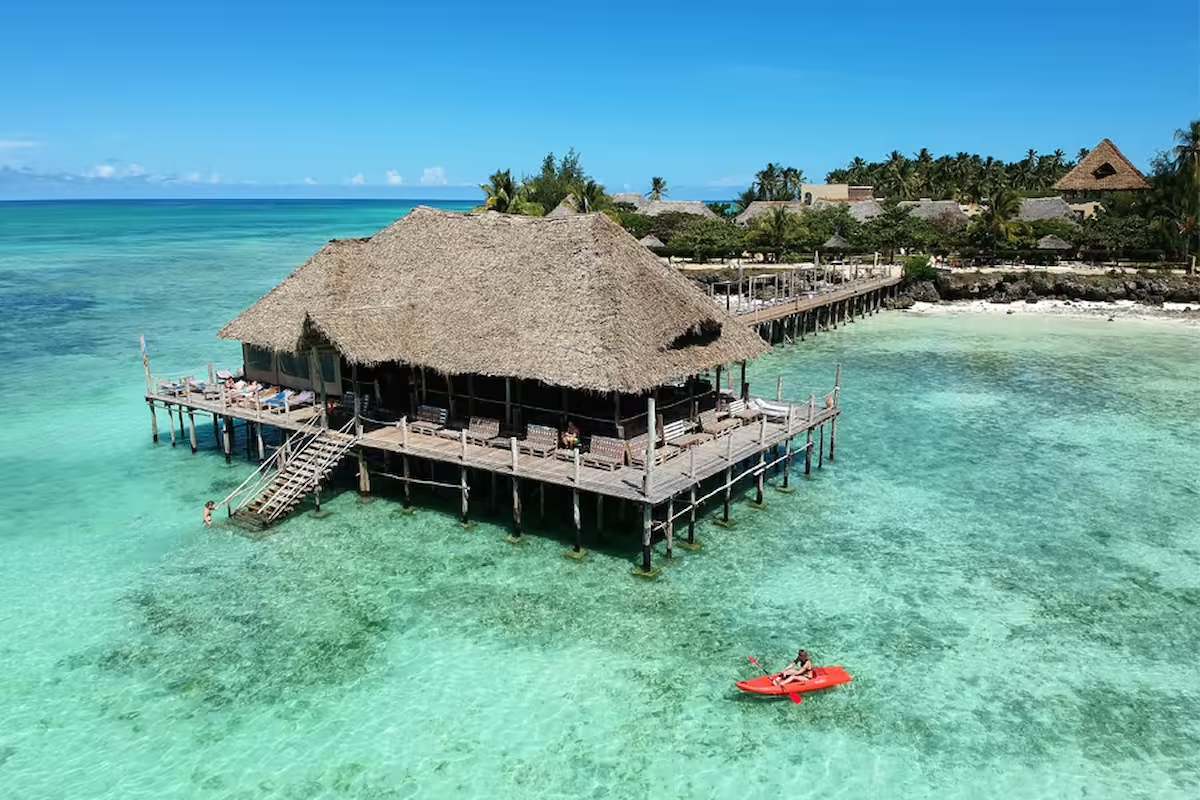
Travelers staying in Zanzibar can connect to mainland Tanzania for a safari via short domestic flights.

Accommodation Styles
Safari Lodges
Permanent properties with rooms/cottages, dining, pools. Comfortable, predictable.
Tented Camps
Canvas rooms on platforms, en-suite bathrooms. Closer to nature, varied luxury levels.
Mobile Camps
Move with the Migration (Serengeti). Authentic, seasonal, prime positioning.
What to Pack for an East Africa Safari
Packing should reflect the destination, season, and activities included in the itinerary.
Clothing
- Lightweight, breathable clothing
- Neutral-colored clothing
- Comfortable walking shoes
- Sun hat
- Light jacket or fleece
Essentials
- Sunglasses
- Sunscreen
- Insect repellent
- Binoculars
- Camera and spare batteries
- Reusable water bottle
- Personal medications
- Small daypack
Gorilla Trekking Extras
- Waterproof hiking boots
- Gaiters or long socks
- Gardening gloves (for nettles)
- Rain jacket / poncho
- Quick-dry layers
Prepare for wet forest conditions and uneven terrain.
Planning Your East Africa Safari
Planning an East Africa safari begins with identifying what you want to experience.
Consider:
- Which countries do you want to visit?
- How many days do you have?
- Which wildlife species interest you most?
- Is the Great Migration important to you?
- Do you want to include gorilla or chimpanzee trekking?
- What accommodation level suits your budget?
- Would you prefer a private or shared safari?
- Do you want to combine the safari with Zanzibar or another beach destination?
- Which activities are priorities?
- What season are you planning to travel?
Once these questions are answered, the route can be built around the experiences rather than simply trying to fit as many parks as possible into the itinerary.
Health & Safety
- Seek professional medical/travel-health advice before travel
- Yellow fever certificate required for Uganda/Rwanda, recommended for Kenya/Tanzania
- Malaria prophylaxis recommended for all safari areas
- Travel insurance with medical evacuation coverage essential
- Follow guide instructions: stay in vehicle, keep distance, no feeding
- Gorilla trekking: minimum age 15, fitness for forest hiking, no illness
Responsible Safari Travel
Tourism revenue contributes to conservation, park management, local employment, and community initiatives.
- Choose established operators with conservation partnerships
- Follow park regulations strictly
- Respect wildlife: no approaching, no noise, no litter
- Engage respectfully with local communities — cultural visits as learning, not staging
- Support lodges/camps that employ locally and source sustainably
Frequently Asked Questions
Which countries are best for an East Africa safari?
The major safari destinations include Tanzania, Kenya, Uganda, and Rwanda. Each offers different ecosystems and experiences, from savannah game viewing in Tanzania and Kenya to gorilla trekking in Uganda and Rwanda.
How much does an East Africa safari cost?
There is no single price. Costs depend on the countries visited, safari duration, accommodation, transportation, group size, season, park fees, and additional activities.
Is Tanzania or Kenya better for safari?
Tanzania and Kenya offer different safari experiences and share connected ecosystems. The appropriate destination depends on the traveler's dates, preferred parks, budget, activities, and desired itinerary.
Can I combine Kenya and Tanzania?
Yes. Kenya and Tanzania can be combined into a multi-country safari, subject to the chosen route, border arrangements, transportation, and available time.
Can I combine a safari with Zanzibar?
Yes. Zanzibar can be combined with a mainland Tanzania safari, with domestic flights providing connections between the island and safari destinations or mainland airports.
Can I see the Big Five in East Africa?
Yes. Several East African destinations provide opportunities to see lions, leopards, elephants, buffalo, and rhinoceros. Sightings are never guaranteed because wildlife moves freely through natural habitats.
Can I see gorillas during an East Africa safari?
Yes. Gorilla trekking can be added to an East African itinerary, particularly in Uganda or Rwanda, subject to permits and availability.
How many days do I need for an East Africa safari?
The required time depends on the itinerary. A focused safari can be completed in a few days, while multi-country journeys combining Tanzania, Kenya, Uganda, or Rwanda generally require more time.
Plan Your East Africa Safari
Whether your priority is the Great Migration, Big Five wildlife, gorilla trekking, photography, cultural experiences, or a combination of safari and beach travel, East Africa offers multiple ways to build a journey around those interests.