3-Day Masai Mara Safari
Two full game days in the Mara with a 45-minute flight each way - no road hours at all.
From $1,450 pp

Kenya safari hub
The Masai Mara's big cats and river crossings, Amboseli's elephants under Kilimanjaro, the vast red-earth wilderness of Tsavo and Samburu's northern specials - Kenya packs an extraordinary range of wildlife into short distances.
A Kenya safari takes you from the open grasslands of the Masai Mara to elephant country beneath Mount Kilimanjaro, across the immense wilderness of Tsavo and into the dry northern landscapes around Samburu - several completely different safaris inside one small, well-connected country.
It is a short-haul, logistically simple destination. International flights land in Nairobi, most itineraries start within an hour of the airport, and the country's best-known reserves are close enough to combine on a road loop or a couple of short internal flights. That makes Kenya one of the easiest places in Africa to build a first safari, an extended private trip, or a wildlife-and-beach combination around the Indian Ocean coast.
Whether you are planning your first African safari, travelling for the Great Migration, looking specifically for the Big Five, travelling with children, planning a luxury trip or pairing the bush with a beach holiday, Kenya has a route that fits. This page covers the parks, the seasons, the costs, the logistics and the choices that matter, so you can start a conversation with a specialist already knowing what you want.
Kenya is one of East Africa's most diverse safari destinations, and it is not defined by a single park or a single wildlife experience.
Its protected landscapes range from open savannah and semi-arid wilderness to highland forest, wetlands, Rift Valley lakes and a tropical coastline. That variety is the whole point: you can spend several days following lions and cheetahs across the Mara, watch large elephant herds under Kilimanjaro in Amboseli, search for northern specialist species in Samburu, explore the sheer scale of Tsavo, then finish on the Indian Ocean - without spending the entire trip inside one ecosystem.
Kenya supports large populations of elephants, lions, buffalo, giraffes, zebras and wildebeest, alongside threatened and highly specialised species that exist almost nowhere else. Amboseli holds more than 400 recorded bird species and some of Africa's most photographed elephants; Tsavo's elephants are famous for the red dust they bathe in; Samburu is the only place in Kenya to see Grevy's zebra, reticulated giraffe, gerenuk, Beisa oryx and Somali ostrich together.
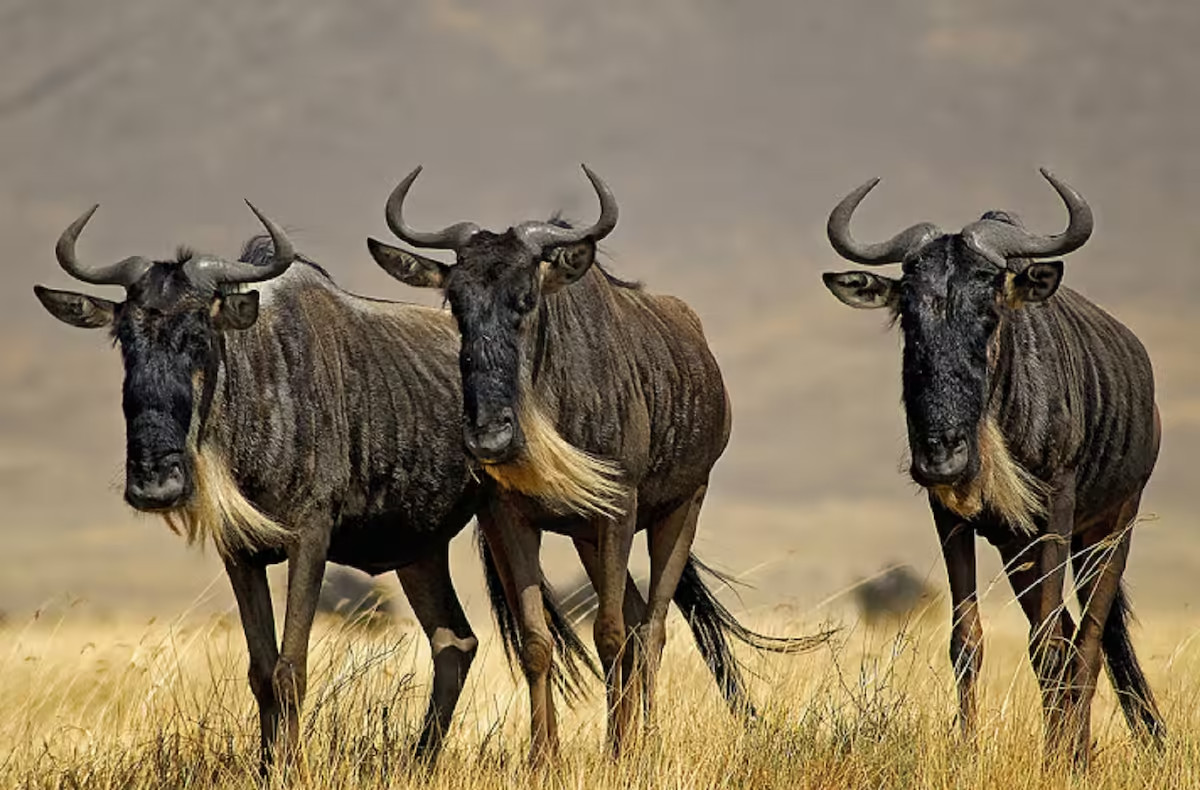
The Masai Mara is part of the larger Serengeti-Mara ecosystem and forms the northern end of the annual wildebeest migration cycle. From July to October the herds concentrate in the Mara and river crossings become possible - though never predictable. Outside those months the reserve still holds resident prides, leopards and cheetahs at densities few places can match. Read the Mara migration guide for month-by-month positioning.
Kenya's safari scenery changes completely from one destination to the next:
A Kenyan safari can include time with Maasai and Samburu communities, community-run conservancy projects and a much clearer picture of how people, wildlife and conservation actually fit together. Done well it is the part of the trip travellers remember longest - see cultural tours for how we run them.
Kenya works for first-time safari travellers, couples, families, honeymooners, luxury travellers, photographers, birdwatchers and anyone short on time. It suits short breaks of two or three days, classic week-long loops, and extended East African safaris that cross into Tanzania. Most of that flexibility comes down to choosing between the private, luxury, family and honeymoon formats described further down this page.
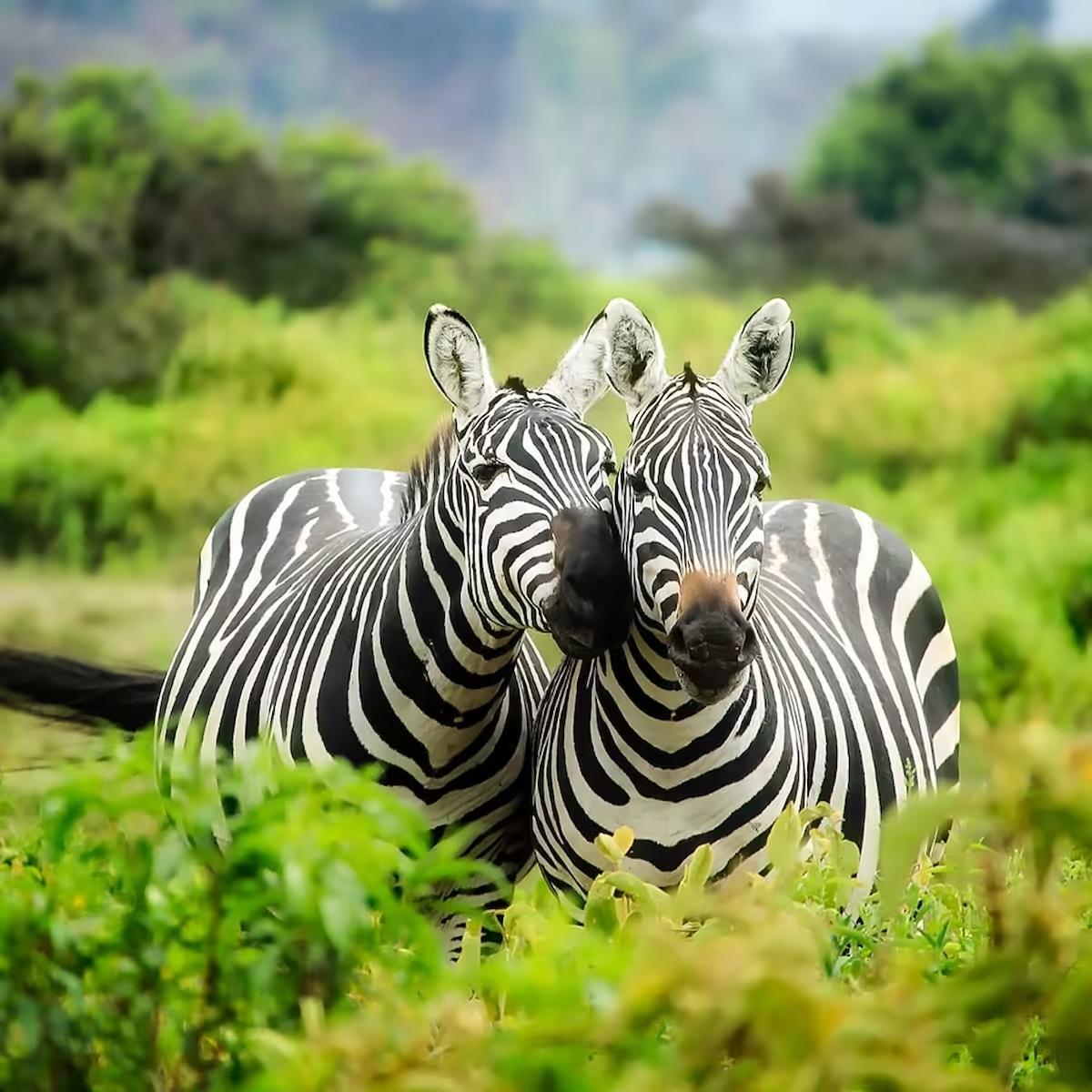
Resident prides, leopards and cheetahs at unmatched density. Mara guide →
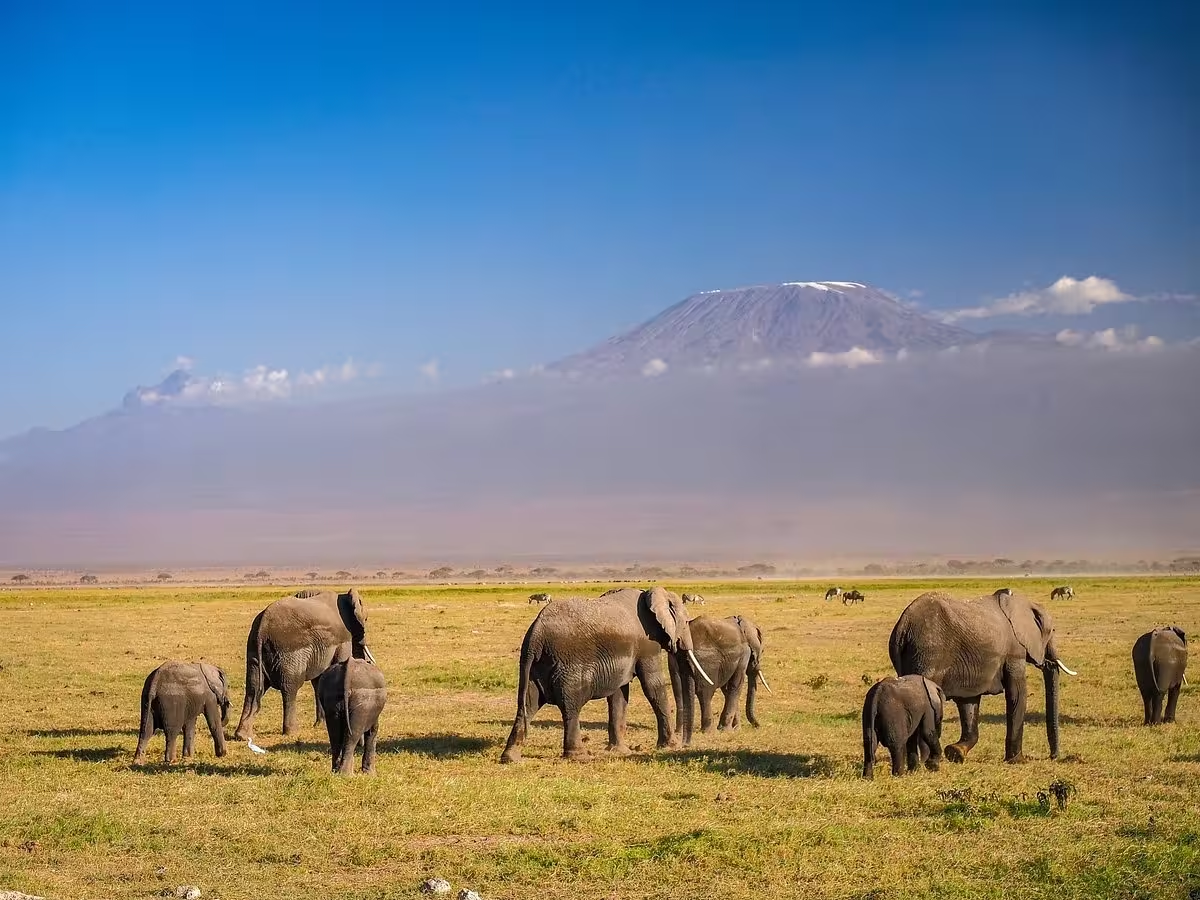
Amboseli's tuskers, Tsavo's red-dusted herds, Meru's corridors. Amboseli guide →
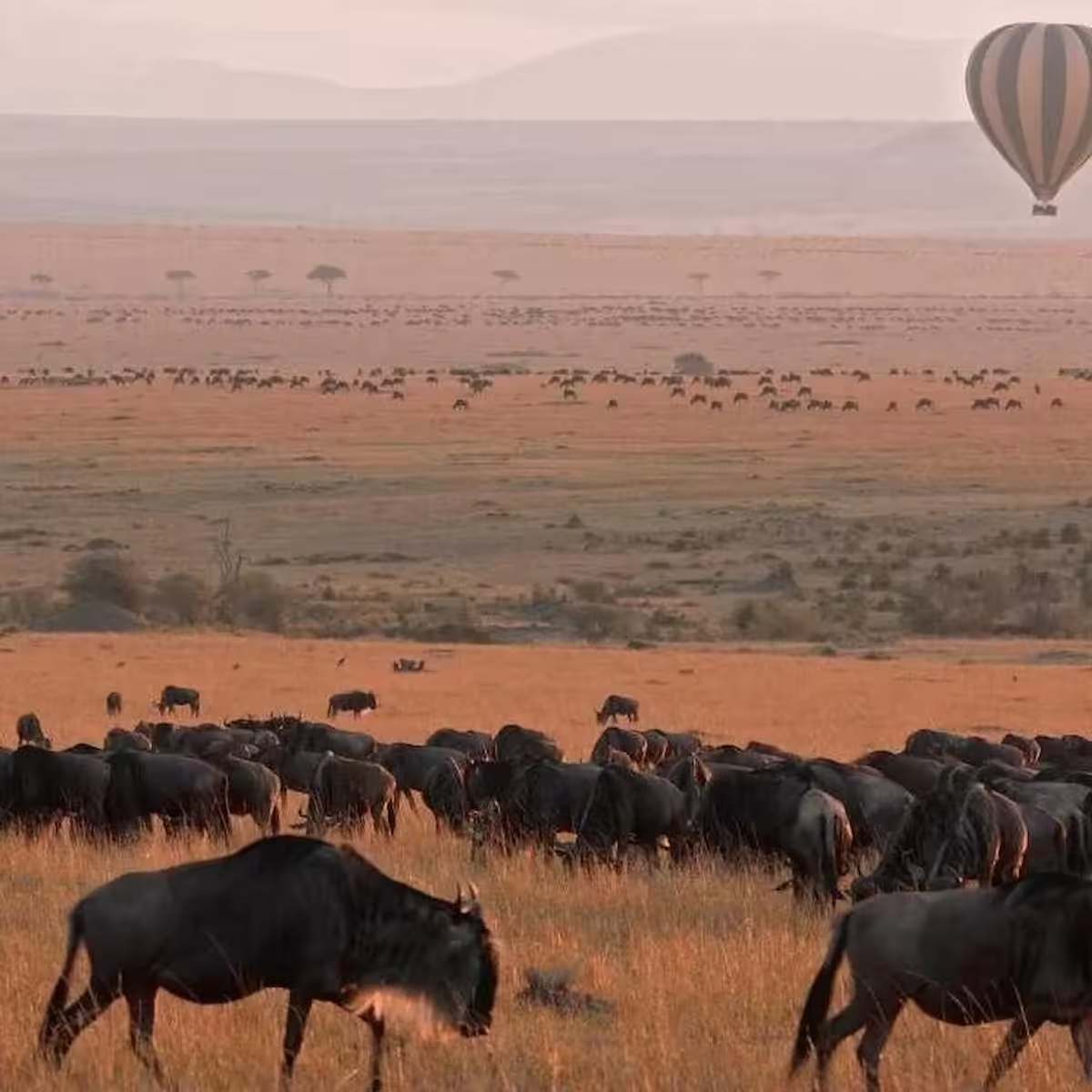
Grevy's zebra, gerenuk and reticulated giraffe in Samburu. Samburu guide →
Three we book most often. Every duration, park combination and budget lives on the packages page.
Two full game days in the Mara with a 45-minute flight each way - no road hours at all.
From $1,450 pp
The classic road loop: predator-rich Mara, Rift Valley lakes and Amboseli elephants under Kilimanjaro.
From $3,100 pp
Seven safari days across the Mara and Amboseli, then three nights on the Indian Ocean.
From $4,600 pp
Everything on this page, grouped. Jump straight to the part you need.
Kenya's protected areas are not one landscape with different names. Each one gives you a genuinely different safari, and the order you visit them changes the trip more than the number of days does.
Four destinations carry most first-time itineraries. The Masai Mara delivers predator density and, in season, the Migration. Amboseli is an elephant and Kilimanjaro destination. Samburu replaces the classic southern species with northern specialists you will not see elsewhere in Kenya. Tsavo is where you go for scale - more wilderness than any itinerary can use. Everything else on this page fits around those four.
Predator density and river crossings. 3-4 days.
Great tuskers with Kilimanjaro behind them. 2 days.
Northern specials along the Ewaso Nyiro. 2-3 days.
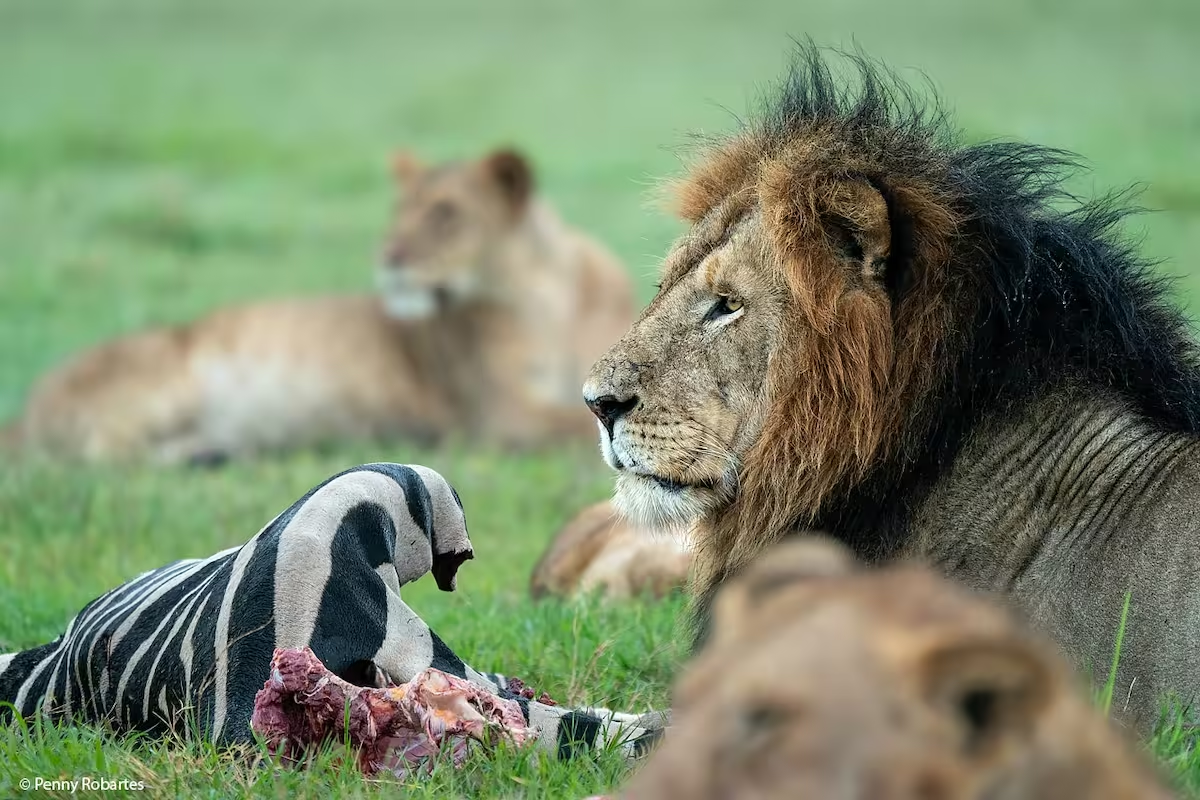
22,812 sq km of red earth and space. 2-3 days.
All Kenya national parks and reserves →
The Masai Mara is the destination most closely associated with a Kenya safari, and for good reason - it holds the highest concentration of large mammals in the country inside an area you can cross in an afternoon.
Located in south-western Kenya, the Mara forms the northern extension of the Serengeti ecosystem. It is known for open grasslands, high concentrations of large mammals and excellent predator viewing: resident prides of lions, leopards in the riverine forest, cheetahs on the short-grass plains and hyena clans that have been studied longer than almost any others in Africa.
Resident wildlife is present all year. The annual migration brings huge concentrations of wildebeest and zebra into the Mara for part of the year, and the river crossings that follow are the most photographed events in African safari travel - though they are never scheduled and never guaranteed. See the Migration in the Mara for how the season actually moves.
The Mara is particularly attractive to travellers interested in lions, leopards, cheetahs, elephants, buffalo, wildebeest, zebra, giraffes, hyenas, hippos, crocodiles, birdlife, the Great Migration and wildlife photography - which is most of them.
The surrounding conservancies offer a different style of safari from the main reserve. Bed numbers are limited, off-road driving and night drives are permitted, and vehicles per sighting are capped. Accommodation, community conservation and permitted activities vary by individual conservancy, and that difference matters more than the star rating on the tent. For a short version, see the 3-day Mara safari or the Masai Mara safari hub.
Amboseli is one of Kenya's most recognisable safari landscapes - flat open plains, swamps fed by underground springs from Kilimanjaro, and some of the last great-tusker elephants in Africa.
The park's water table sits low and its swamps stay green through the dry season, which concentrates wildlife against a backdrop of Mount Kilimanjaro. Views toward the mountain are clearest at dawn in the drier months, so Amboseli is a park where the alarm call is worth taking.
Amboseli is especially suited to travellers looking for elephants, Kilimanjaro scenery, photography, big-game viewing, birdwatching, short safari extensions from Nairobi and cultural experiences with the surrounding Maasai communities. It records more than 400 bird species across its swamps, plains and acacia woodland, and it pairs naturally before a Mara fly-in rather than after.
Tsavo West and Tsavo East together form the largest single wildlife area in Kenya. Tsavo East alone covers approximately 13,747 sq km - larger than many countries on most safari itineraries.
Its semi-arid landscapes, open plains, acacia bushland, rivers and volcanic scenery create a completely different atmosphere from the Mara. This is the park of distance and silence rather than crowded sightings, and the elephants here are famous for the red dust they wallow in.
Highlights include red-dusted elephants, lions, buffalo, giraffes, zebras, leopards, the Galana River, the Yatta Plateau, Lugard's Falls, Aruba Dam, superb birdwatching and serious photographic space. Tsavo East also offers more than conventional daytime game drives: guided walks, photography-focused experiences and selected night and astronomy experiences run in the wider Tsavo area.
Tsavo West is the greener, more dramatic half of the Tsavo ecosystem - volcanic terrain, lava flows, hills, springs and hidden oases.
Its best-known attraction is Mzima Springs, where clear water surfaces through volcanic rock and supports a concentration of wildlife and birdlife; hippos and crocodiles hold the pools while elephants come down to drink. The Shetani Lava Flow, Lake Jipe, rhino conservation areas and a string of scenic viewpoints complete the picture.
Highlights include Mzima Springs, the Shetani Lava Flow, rhino conservation, elephants, lions, buffalo, leopards, birdlife, Lake Jipe and volcanic landscapes. Tsavo West covers approximately 9,065 sq km and, with Tsavo East, forms part of the wider Tsavo Conservation Area - so a combined Tsavo itinerary is really one safari across a vast single ecosystem.
Samburu introduces a completely different landscape to the classic southern Kenya safari: dry plains, rocky ground, doum palms and riverine habitat along the Ewaso Nyiro River in the north of the country.
It is famous for the so-called Samburu Special Five - species adapted to arid northern country that do not occur in the Mara or Amboseli:
Samburu also supports lions, leopards - including some well-known resident individuals - cheetahs, elephants, buffalo and an enormous variety of birdlife. The riverine landscape is the reason: predators hold the green corridor while the plains outside it empty out. A Samburu safari pairs well with cultural visits to local communities, and it adds a genuinely different ecosystem to a route that would otherwise be all southern Kenya. See the Samburu reserve guide.
Lake Nakuru is a compact park that combines lakeshore scenery, woodland, grassland and some of the most reliable rhino viewing in Kenya.
The park is important for rhinoceros conservation and holds both black and white rhino inside a fenced, well-managed area - which is why Nakuru features on so many first safari itineraries. The alkaline lake and the surrounding habitats also attract diverse birdlife, and the wooded ridges around the shore support lions, leopards, buffalo, giraffes, zebras and antelope.
Commonly associated wildlife includes black rhino, white rhino, lions, leopards, buffalo, giraffes, zebras, antelope and large numbers of water-associated bird species. For bird-focused routing, see birdwatching safaris.
A Kenya safari can begin almost immediately after you land. Nairobi National Park sits on the southern edge of the capital, which produces the strangest photograph in African safari travel: wildlife against a city skyline.
The park holds more than 100 animal species and more than 400 bird species, and it is particularly important for rhino conservation. Because it is minutes from the airport, it works well as a first safari before travelling onward, a short game drive on a tight schedule, a final drive before an international flight, a photography session, or a Nairobi stopover activity.
Allow real margin for traffic when you build it around a departure - Nairobi's roads, not the park, are the variable.
Meru offers a more secluded wilderness experience in eastern Kenya, and it is the least visited park on this page - which is exactly its appeal.
The park combines grasslands, bushland, riverine environments and wildlife corridors, with a conservation history tied to George and Joy Adamson and Elsa the lioness. It supports elephants, lions, leopards, buffalo, rhinos, cheetahs, Grevy's zebra, reticulated giraffe and diverse birdlife, and it holds a dedicated rhino sanctuary.
Meru also runs wildlife viewing, nature experiences and night or astronomy tourism. It suits travellers who have already seen the northern circuit and want somewhere with fewer vehicles and more range.
For travellers who want something beyond classic savannah, the Aberdare region offers montane forest, moorland, waterfalls, mountain scenery and genuinely cool highland conditions.
The landscape is home to elephants, buffalo and other forest-adapted wildlife, and the altitude changes what a safari feels like: mist in the morning, cold at night, and viewpoints over the Rift Valley. Highlights include mountain scenery, montane forest, moorlands, waterfalls, hiking, scenic viewpoints, wildlife viewing and the historic Treetops area, where a visiting princess learned she had become queen.
The Aberdares are a strong contrast to Kenya's warmer open plains, and they work well as a stop between the Rift Valley lakes and Mount Kenya country.
One reason Kenya works so well for safari planning is the range of ecosystems available inside a single country - often within a few hours of each other.
Open grassland gives long viewing distances, ideal habitat for grazing herds and the predators that follow them. This is the landscape most people picture when they picture Kenya.
Seasonal and permanent water sources hold wildlife through dry country, with elephants as the area's signature attraction and Kilimanjaro supplying the backdrop.
Enormous scale, volcanic scenery, dry bushland, rivers and wildlife adapted to harsh conditions - a safari built around space rather than sightings per hour.
Samburu and the surrounding landscapes support species specifically adapted to dry northern environments, several of which exist nowhere else in Kenya.
Lake Nakuru and the other Rift Valley destinations combine water, birdlife and terrestrial wildlife in a compact area that is easy to route between parks.
The Aberdare and Mount Kenya landscapes introduce forest, high elevation and cooler conditions, plus hiking and walking that a plain-based safari cannot offer.
Kenya's Indian Ocean coast adds beaches, coral reefs, marine parks and water-based activities to an itinerary - the reason safari and beach combinations are so popular here.
A Big Five safari focuses on the five animals traditionally used to describe Africa's most famous large mammals: lion, leopard, African elephant, African buffalo and rhinoceros.
The Big Five are not a guarantee or a checklist. Wildlife is free-ranging, and sightings vary with location, season, weather, habitat and luck. Any operator who promises all five on fixed days is guessing.
What Kenya can offer is range. The Masai Mara, Lake Nakuru, Amboseli, Tsavo and Meru can all contribute to a Big Five-focused itinerary, but the experience and the likelihood of seeing each species differs between them. If rhino is your priority, Lake Nakuru and the specialist conservancies are where to concentrate; if elephants are the point, Amboseli and Tsavo give you two completely different versions of the same animal. Our private safaris can be built around whichever of those matters most to you.
The Great Migration is one of the major reasons travellers plan a Kenya safari - and one of the most misunderstood.
It is not a single event on a fixed date. It is a continuous ecological movement across the Serengeti-Mara ecosystem, driven by rainfall, grass condition, water availability and animal behaviour. The Masai Mara is the northern part of that wider system, and it receives the herds for part of the year rather than on a published schedule.
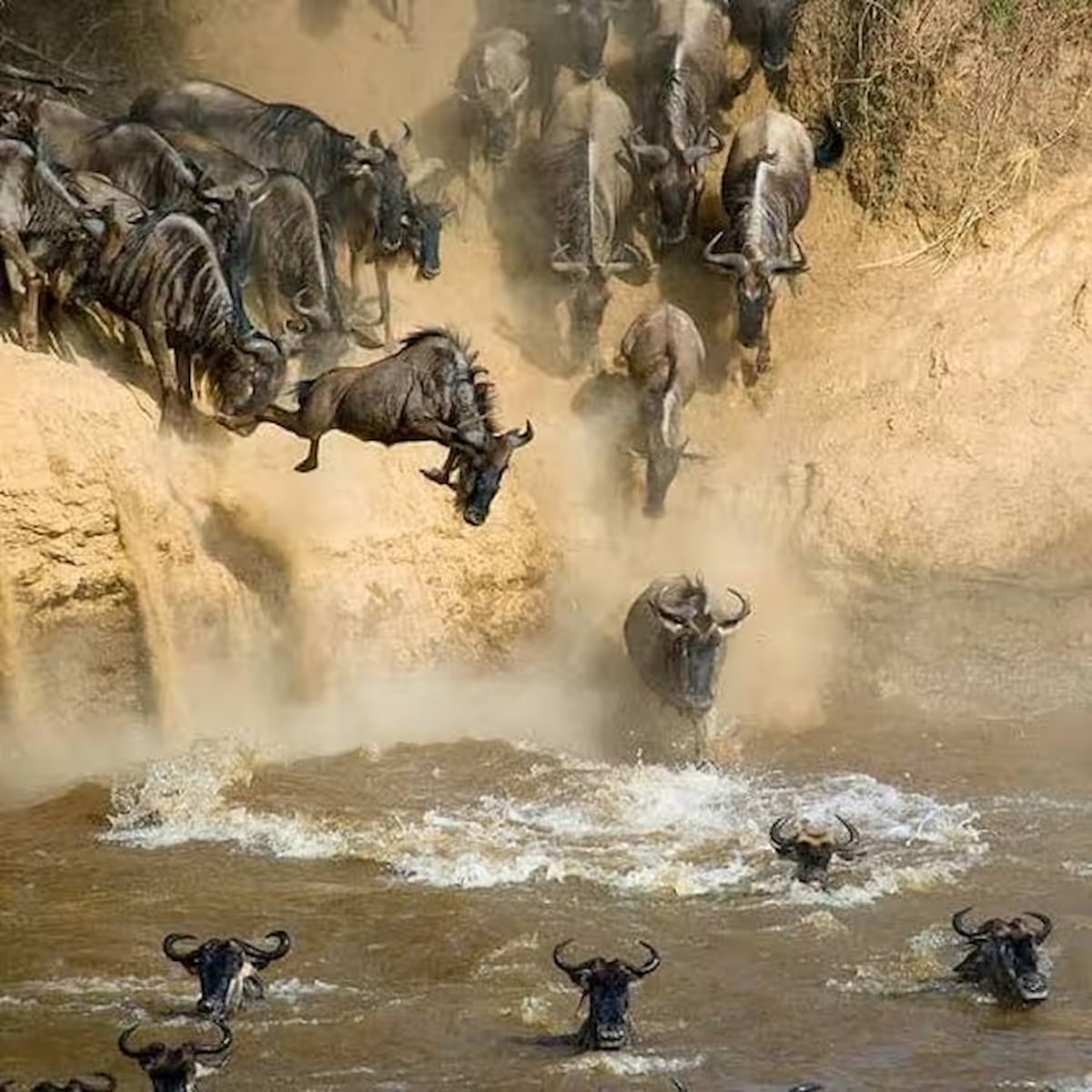
When the migrating herds reach the Mara, visitors may encounter huge wildebeest concentrations, zebra, predators tracking the herds, crocodiles and hippos along the rivers, dramatic crossing scenes and visibly increased activity on the open plains.
River crossings are highly unpredictable. Animals may gather for hours or days before crossing, or move away without crossing at all, and no guide can schedule one for you. The useful planning advice is to position yourself in the right part of the ecosystem for the right weeks and let the animals decide. Start with when to go for the Migration and the Mara river crossing guide.
The right Kenya safari depends less on the country's most famous reserve and more on who is travelling and what they want the trip to feel like.
Kenya is one of the easiest places in Africa to start. Nairobi is a straightforward arrival, the Mara and Amboseli are short hops or a manageable road loop away, English is widely spoken, and the accommodation range is enormous. A first safari usually wants one predator-rich reserve, one contrasting landscape and enough nights in each to stop feeling like a transit. Read planning your first safari before you book anything.
Family safaris work when the itinerary is built around the children's ages rather than around a checklist of parks. Shorter driving days, lodges with pools, camps that take children in the room, and a private vehicle so you can stop when someone spots a chameleon - those matter more than adding a fourth park. Lake Naivasha boats and Crescent Island walking break up drive days nicely, and fly-ins skip the long roads that tire younger travellers. See Kenya family safaris and our family safari formats.
A honeymoon itinerary usually combines wildlife with privacy: a conservancy camp with few vehicles, sundowners, bush dinners, a scenic flight and then the Indian Ocean. It works best when the beach comes second and the bush comes first, while the energy is highest. See Kenya honeymoon safaris.
Photography is the one interest that changes vehicle logistics. You want flexible game drives, longer stays in fewer places, guides who understand light, and ideally a private vehicle so a sighting can hold for an hour instead of ten minutes. See Kenya photographic safaris and our safari photography guide.
Luxury in Kenya is mostly about access - private conservancies, exclusive-use vehicles, fly-in routing and camps with a real relationship with the land around them. Compare luxury Kenya safaris with private safaris, and note that price differences between operators are usually accommodation and vehicle, not wildlife quality.
There is no single best month for every Kenya safari. The ideal period depends on what you want to see, where you are travelling, and whether you prioritise dry conditions, Migration activity, photography, birding or lower-season value.
This is Kenya's dry season and the period most associated with classic safari conditions: easier wildlife viewing, drier roads, animals concentrated around water, strong photographic light, and Migration activity in the Mara depending on the year. It is also peak season, so parks and conservancies are busiest and prices are at their highest.
The short rains transform the landscape. Expect green scenery, fewer visitors in some areas, young wildlife, excellent photography and migratory bird activity. Rain can affect road conditions and the shape of a daily game drive, so build in flexibility.
Often relatively dry across much of the country, with clear mornings and good wildlife viewing - and one of the best windows for photographs of Kilimanjaro from Amboseli. A strong value period outside the European school holidays.
The long rains bring greener landscapes and fewer visitors. This period suits travellers who value green scenery, birding, photography and a quieter atmosphere, but heavy rainfall can affect roads and access in some regions - we route around the worst of it or shift dates rather than run you through it.
If Migration activity is your reason for visiting, plan around the broad seasonal movement rather than a guaranteed river-crossing date. Start with the best time for an African safari and Migration timing, then decide from there.
| Travel period | Typical character | Particularly useful for |
|---|---|---|
| January-February | Often relatively dry | General wildlife, photography, Kilimanjaro views |
| March-May | Long-rain period | Green landscapes, birding, quieter travel |
| June-October | Dry season in many areas | Wildlife viewing, photography, Migration in the Mara |
| November-December | Short rains, green landscapes | Birding, photography, lower-season value |
Seasonality varies by region, elevation and rainfall patterns, so treat this as a planning guide rather than a guarantee.
The cost of a Kenya safari depends on several variables rather than one fixed national price, and the single biggest driver is never the park - it is where you sleep.
The factors that move the number: number of safari days, number of travellers, private or shared vehicle, accommodation category, park and reserve fees, domestic flights, road transfers, guide services, season, activities, beach extension, special experiences and the level of luxury you choose. See the full African safari cost guide for how each one is priced.
Budget safaris generally use simpler accommodation and shared or cost-efficient transport. They work well for travellers who would rather spend their money on days in the parks than on rooms - and they are honest about it.
Mid-range safaris balance comfortable lodges and tented camps with private or shared safari arrangements. This is the practical option for most couples, families and first-time travellers, and where the bulk of our bookings sit.
Luxury safaris can include premium tented camps, luxury lodges, private vehicles and guides, scenic flights, exclusive conservancy access, private dining and fully tailored days. What you are buying is space, flexibility and access rather than better wildlife. See the luxury safari guide.
Two safaris visiting the same park can cost very different amounts, because accommodation, transport, vehicle type and inclusions change the total far more than the wildlife does. That is why a quote should always show park fees and conservancy fees as line items - if they are hidden inside a headline price, you cannot compare operators honestly.
Your vehicle, your guide, your schedule - the format that suits photographers and families.
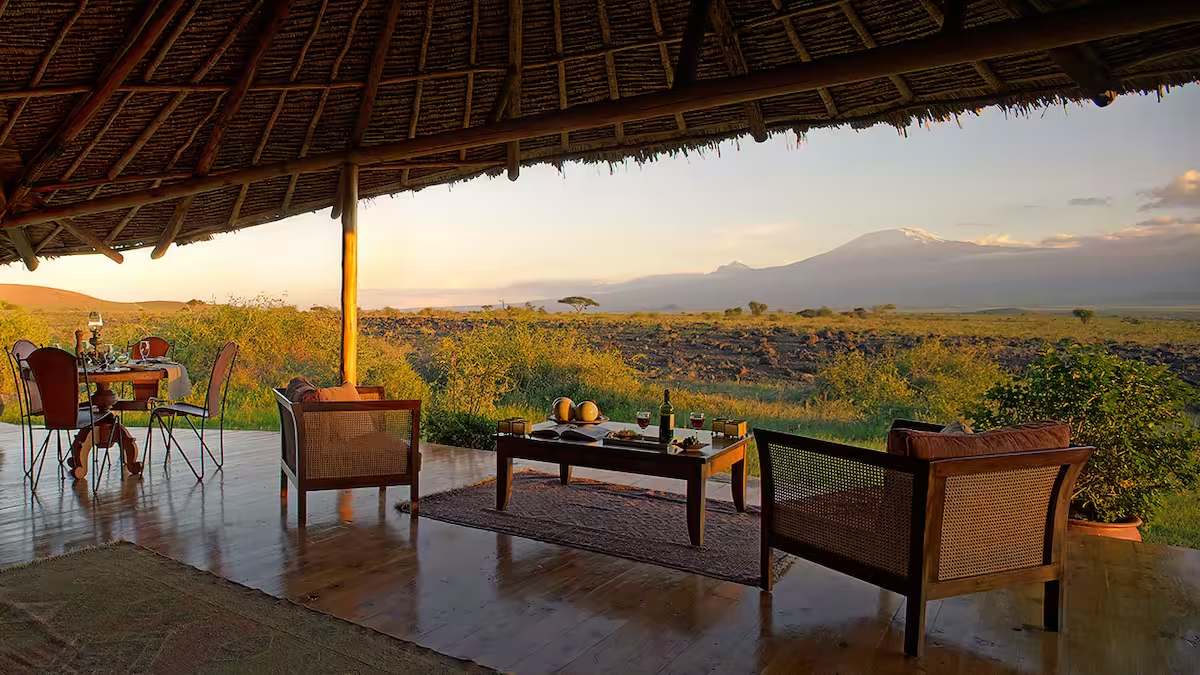
Conservancy access, exclusive vehicles and small, exceptional camps.
Shorter drives, pools, family rooms and private vehicles when it counts.
Conservancy nights, bush dinners and a beach to finish on.
Beyond those four, Kenya also suits photography-led trips, short safaris from Nairobi, and fully tailor-made routes built from scratch.
One of Kenya's strongest itinerary combinations is wildlife first, Indian Ocean coast second - and the logistics are simpler than most people expect.
A typical journey runs Nairobi → Masai Mara → Amboseli → Diani Beach, or Nairobi → Tsavo → Diani, or Nairobi → Samburu → Masai Mara → Diani. Direct flights from the Mara strip to the coast mean you do not have to backtrack through Nairobi, which is the difference between a good trip and an exhausting one.
Beach extensions commonly use Diani, Mombasa, Watamu, Malindi and Lamu. Wildlife and marine tourism are treated as complementary halves of the same holiday rather than competing choices - and three beach nights after seven safari days is the formula most people come back to. See Kenya safari and beach.
The default finish: long white sand, warm water, easy flights from the Mara. Relaxation, swimming, water sports, diving and snorkelling.
Reef, marine park and a quieter atmosphere - the better choice if you would rather snorkel than sunbathe.
Beaches alongside history, food, culture and coastal heritage - the most layered of the three.
Game drives are the foundation of every Kenya safari, but they are not the whole trip.
Early morning drives are usually the most productive: temperatures are cooler, predators are active and the light is good. Afternoon drives give you a second window on different habitats and changing animal behaviour. See game drives.
A full day out covers a much larger area without repeatedly returning to camp - especially useful in parks as big as Tsavo, where the distance between sightings is the whole point.
Walking gives you a closer understanding of tracks, plants, insects, birds and smaller wildlife that a vehicle drives straight past. It must always follow local rules and be conducted in appropriate areas with qualified staff. See walking safaris.
Balloon flights run in selected destinations, most famously over the Mara. They give you the landscape from the air and are normally followed by a bush breakfast on the ground. Worth doing once. See balloon safaris.
Selected Kenyan parks run night wildlife and astronomy experiences - Amboseli, Tsavo East, Tsavo West and Meru among them. They are permitted in specific areas only, never a general activity. See night safaris.
Kenya is an outstanding birding destination because its habitats are so varied. Potential highlights include raptors, waterbirds, migratory species, savannah birds, forest species and dryland specialists - with Amboseli alone recording more than 400 species. See birdwatching safaris.
Depending on the itinerary you may spend time with Maasai or Samburu communities. A good cultural experience centres on respectful interaction and learning rather than treating communities as entertainment. See cultural tours.
Kenya also offers hiking and mountain experiences in the Mount Kenya region, the Rift Valley and selected highland destinations - a useful counterpoint to long days in a vehicle.
Accommodation is usually the largest single line in a Kenya safari budget, and the choice matters more than the star rating suggests.
Permanent lodges offer rooms or suites, restaurants, swimming pools, common areas and established facilities. They are the easiest option for families and travellers who want reliability over atmosphere.
Tented camps run from comfortable mid-range properties to highly polished mobile-style camps. Canvas, insects at night and the sound of the bush create a much stronger sense of being in the landscape than a concrete room does.
The top end provides large private tents, en-suite facilities, private decks, butler-style service, private dining, spa treatments and exclusive activities - usually in a private conservancy where vehicle numbers are controlled.
Around the Masai Mara and Samburu, conservancy-based accommodation gives you a different relationship between tourism, wildlife and local communities: limited beds, community revenue and access to areas the main reserve does not allow. See Kenya accommodation.
Do not choose accommodation by looking at the room. Look at location first:
In the Masai Mara in particular, where you sleep decides how much of the ecosystem you can actually reach - that single choice changes a seven-day itinerary more than any other.
Kenya safaris run by road, by air, or - most often - by a combination of both.
A proper 4x4 matters for game viewing, photography, rougher road sections, flexible road itineraries and private safaris. Ask what you are actually getting: pop-up roof or sliding windows, fridge, charging points and how many people are sharing the vehicle all change the experience.
Flying between safari destinations can remove entire days of road travel. It is the standard way to link distant regions such as Samburu → Masai Mara or Masai Mara → Diani, and it is what makes a seven-day Kenya safari possible without seven days of driving.
Road travel lets you see more of the Kenyan countryside between destinations and is often more economical. It works best when the destinations are genuinely close and you enjoy the journey rather than just the arrival.
Choose road travel when you enjoy scenic journeys, destinations are relatively close, you want to control costs, or you want to see more of the country between parks. Consider flying when distances are large, time is limited, you want more hours inside the parks, or your route includes remote northern or coastal destinations.
Nairobi is the main starting point, convenient for the Masai Mara, Lake Nakuru, Amboseli, Samburu, Nairobi National Park and any multi-park itinerary. Jomo Kenyatta International Airport handles international arrivals and departures. Wilson Airport is the one that matters for domestic safari flights - the Mara hop is around 45 minutes. Mombasa works for travellers combining the coast with Tsavo or the south-east.
The right length depends on how many ecosystems you want and how fast you are willing to move between them.
Suitable for a short Masai Mara safari, Nairobi plus the Mara, a short Amboseli extension, or a safari stopover between other travel.
A good length for combining two destinations - Lake Nakuru + Masai Mara, Amboseli + Tsavo, or Masai Mara + one nearby destination.
Enough time for the Masai Mara, Lake Nakuru, Amboseli, Samburu and Tsavo in some combination, depending on route and transport. This is where flying starts paying for itself.
A longer Kenya safari can cover several ecosystems without turning every day into a transfer day. Both of these work:
Nairobi → Samburu → Lake Nakuru → Masai Mara → Amboseli → Nairobi
Nairobi → Masai Mara → Amboseli → Tsavo → Diani Beach
Day 1: Nairobi → Masai Mara Day 2: Full-day Mara game drives Day 3: Morning game drive → Nairobi. Best for travellers with limited time - see the 3-day Mara.
Day 1: Nairobi → Lake Nakuru Day 2: Lake Nakuru → Masai Mara Day 3: Full-day Mara Day 4: Morning drive → Nairobi. A strong combination for travellers interested in rhinos as well as big cats.
Day 1: Nairobi → Amboseli Day 2: Amboseli Day 3: Amboseli → Tsavo West Day 4: Tsavo West → Tsavo East Day 5: Tsavo East → Nairobi or Mombasa. Kilimanjaro scenery plus the scale of the Tsavo ecosystem.
Day 1: Nairobi Day 2: Nairobi → Samburu Day 3: Samburu Day 4: Samburu → Lake Nakuru Day 5: Lake Nakuru → Masai Mara Day 6: Full-day Mara Day 7: Masai Mara → Nairobi. See the 7-day Kenya safari.
All itineraries starting in Nairobi →
Kenya and Tanzania combine into one East African safari, and for travellers interested in the wider Serengeti-Mara ecosystem it is the best possible version of both.
The Mara and the Serengeti are not two separate attractions - they are the two halves of one ecological system, and crossing the border lets you follow it rather than sample it. A longer itinerary can run Nairobi → Masai Mara → Serengeti → Ngorongoro → Tarangire → Arusha, or Masai Mara → Serengeti → Ngorongoro → Zanzibar if you want to finish in the water.
The two countries offer different protected areas and different logistics, while sharing that same ecosystem. Cross-border trips need two park fee systems, border formalities and a longer itinerary than either country alone - which is why they are worth planning as a single route from the start. See Kenya and Tanzania safaris, the East Africa hub, and Tanzania safaris for the other side of the border.
Two interests shape a Kenya itinerary more than any others, and both reward a slower pace over a longer list of parks.
Kenya provides an exceptional range of subjects. For wildlife: lions, leopards, cheetahs, elephants, rhinos, buffalo, giraffes, wildebeest, zebras and birds. For landscapes: the Mara plains, Kilimanjaro from Amboseli, the Tsavo wilderness, the Rift Valley, Samburu's riverine country, highland forest and the coast.
Two practical rules make most of the difference. Use the early and the late light whenever possible - the middle of the day is photographically dead and the animals think so too. And allow enough time in one destination instead of trying to photograph everything from a moving vehicle: a private safari is genuinely more valuable here, because the vehicle can stay with a sighting without having to accommodate other guests. See photographic safaris.
Kenya's varied habitats support a remarkable range of species. Amboseli records more than 400 bird species and Nairobi National Park more than 400 as well, while Tsavo East and Tsavo West add opportunities across semi-arid and riverine country.
A bird-focused itinerary might combine Amboseli, Lake Nakuru, the Masai Mara, Samburu, Tsavo and the Aberdares - but the best destination depends entirely on the species and habitat you want to target, so tell us what is on your list before we build the route.
A responsible safari protects wildlife while respecting the people and landscapes that make it possible.
Stay in designated areas, respect wildlife, do not feed animals, stay on established roads and keep an appropriate viewing distance. Park rules include a maximum speed of 40 km/h, a minimum 20-metre wildlife viewing distance, restrictions on off-road driving and a prohibition on feeding wildlife - and they are enforced because they work.
Single-use plastics are restricted in Kenya's national parks and reserves. Pack accordingly and carry a reusable bottle rather than buying water at every stop.
Choose operators and accommodation that contribute meaningfully to wildlife conservation, local employment, community development, habitat protection and responsible tourism. Ask what a camp does, not just what it looks like.
When visiting Maasai or Samburu communities: ask before taking photographs, respect local customs, listen and learn, buy crafts directly where appropriate, and do not reduce a community to a stereotype for the sake of a picture.
A good safari is not measured by how close a vehicle gets to an animal. Give wildlife room and let natural behaviour continue - the sighting is better for everyone when the animal decides what happens next.
Three things are worth settling before you book flights: your entry documents, a conversation with a travel-health professional, and what goes in the bag.
Kenya operates an Electronic Travel Authorisation (eTA) system. Visitors who require an eTA should obtain approval before travelling, while citizens of certain East African Partner States and other listed categories are exempt. Requirements change, so verify your own status directly with Kenya's immigration authorities before departure.
For travellers who do need an eTA, the current application guidance asks for a passport valid for at least six months, a blank page, a photograph, contact details, and your travel itinerary and accommodation information. We send a step-by-step checklist with every booking, and our safari visa guide covers the regional picture.
Before travelling, speak to a qualified travel-health professional about recommended vaccinations, malaria prevention, travel insurance, any existing medical conditions, prescription medication, and food and water precautions. Conditions differ between regions, so advice should be based on your specific itinerary rather than a general list.
On safari, the practical rules are simple. Follow your guide's instructions. Remain inside the vehicle unless your guide confirms you are in a designated safe area. Do not approach wild animals on foot. Do not feed them. Keep food stored appropriately at camp, use insect repellent and sun protection, and carry enough drinking water. See safari safety for the full picture.
Clothing: lightweight, comfortable pieces in neutral or muted colours - lightweight trousers, shirts or T-shirts, a warm layer, a light jacket, comfortable shoes, sandals, a hat, and swimwear if your camp has a pool or you are continuing to the coast.
Safari essentials: binoculars, a camera, spare batteries, memory cards, a power bank, sunglasses, sunscreen, insect repellent, a reusable water bottle, a small day bag and personal medication.
Highland destinations such as the Aberdares get genuinely cold at night, so add warmer clothing for those legs. Our safari packing list has the printable version.
Start with the experience you want rather than the number of parks you can fit into one itinerary. Almost every route decision follows from the first answer.
Choose the Masai Mara - timed to the seasonal movement, not a fixed date.
Choose Amboseli, ideally in the January to March window when the mountain is clearest.
Choose Tsavo - East or West, or both.
Choose Samburu for Grevy's zebra, reticulated giraffe, gerenuk, Beisa oryx and Somali ostrich.
Consider Lake Nakuru.
Consider Nairobi National Park - ideal on an arrival or departure day.
Consider the Aberdare or Mount Kenya region.
Consider Kenya safari + Diani, Mombasa, Watamu or Malindi, with the coast at the end of the route rather than the middle.
Nine questions, answered honestly, will tell you more about the right trip than any amount of browsing.
This determines how many destinations can realistically be included - and it is the first constraint worth being honest about.
Are you here primarily for big cats, elephants, rhinos, the Migration, birds or northern specialist species? The answer changes the route, not just the wish list.
Your dates influence landscapes, road conditions, wildlife distribution and accommodation demand. Flexible dates are worth more than a longer itinerary.
Private safaris give you greater flexibility over departure times, game-drive length, photography stops, route, pace and who else is in the vehicle.
Long distances are usually better handled by air; shorter ones are more enjoyable and more economical by road.
Choose between budget, mid-range, luxury and ultra-luxury according to your priorities - and remember that the wildlife does not change with the thread count.
Check accommodation and activity age policies before confirming anything. See the family safari guide.
If yes, build the coastal extension into the route from the beginning - not as an afterthought added at the end.
A cross-border safari needs additional planning and a longer itinerary, but it is the only way to follow the whole Serengeti-Mara system.
Send us your dates and priorities → Or book a consultation
All Kenya safari packages → Or send us your dates
The three above are a shortlist. The full collection - every duration, every style, every combination of bush and beach - lives on the packages page.
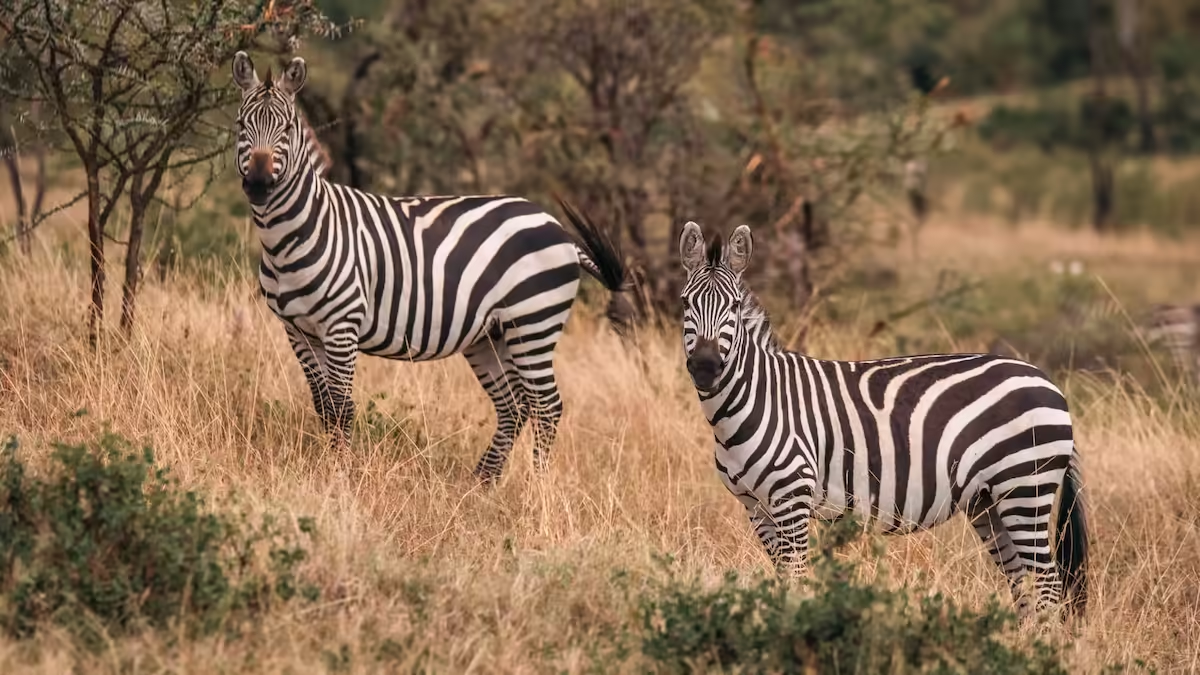
Fly-in Friday-to-Sunday Mara: three drives, zero road hours.
From $1,150
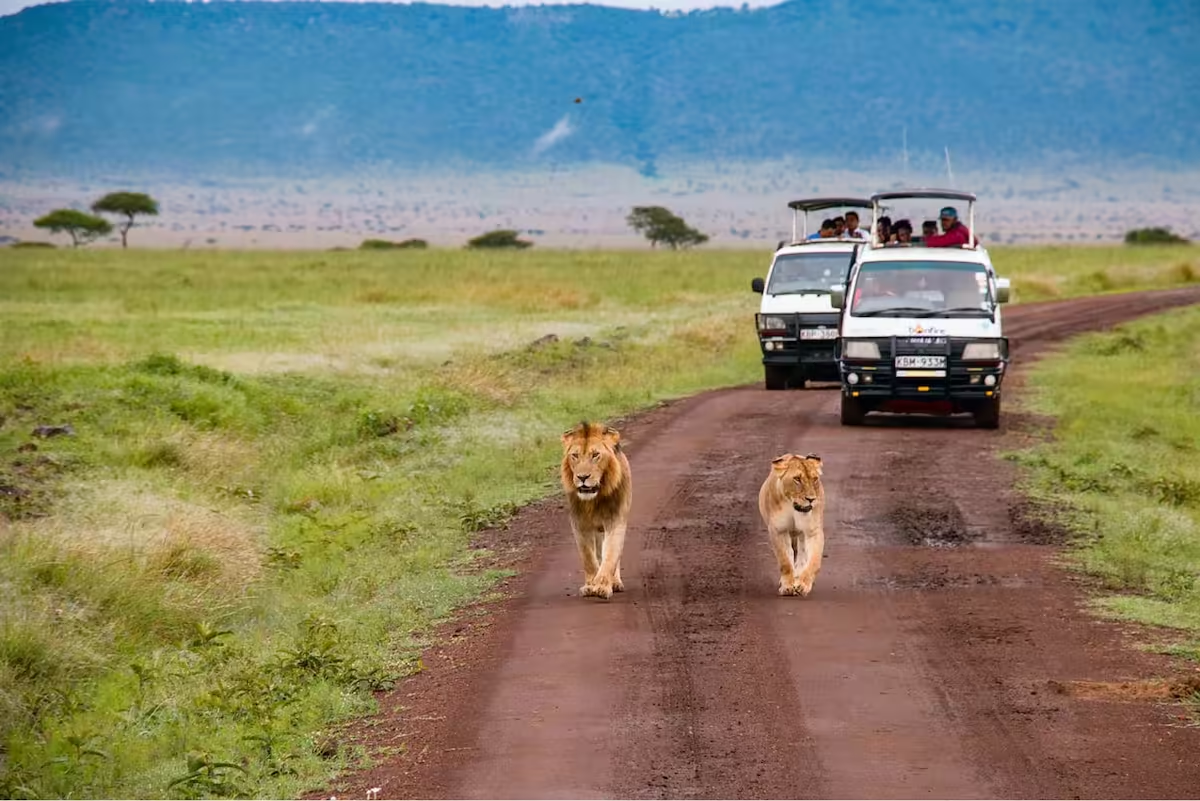
Mara fly-in plus Rift Valley boats - variety in a long weekend.
From $1,350
Amboseli tuskers plus two Mara nights - the efficient loop.
From $1,600
Mara depth plus Naivasha/Nakuru - rhinos, boats and big cats.
From $2,000
Three Mara nights plus Amboseli and lakes - Kenya entire in a week.
From $2,850
Adds the Special Five north - Samburu contrast to Mara plenty.
From $3,400
Samburu, lakes, Amboseli and four Mara nights - Kenya complete.
From $4,300
Three game drives in 48 hours - the shortest real Mara trip.
From $1,150
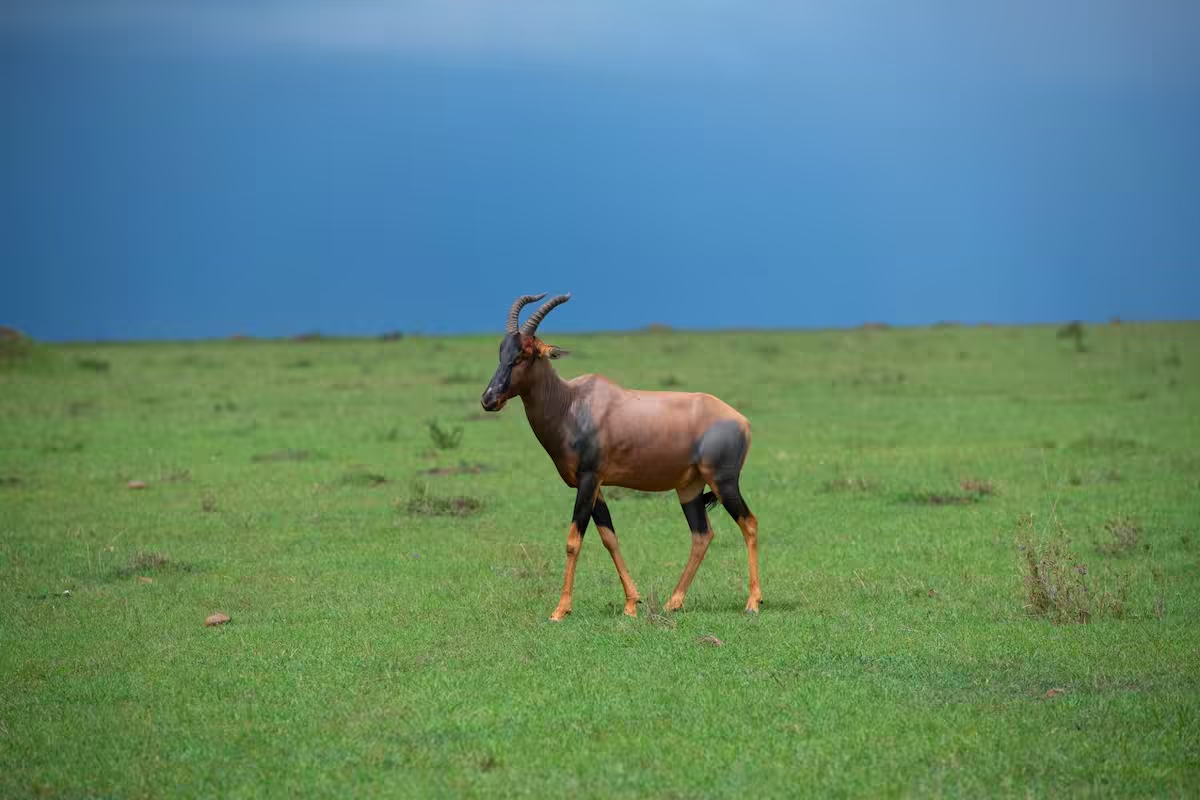
Reserve plus private conservancy - crowds and solitude compared.
From $2,900
The complete Mara: river, plains, conservancy and culture.
From $3,700
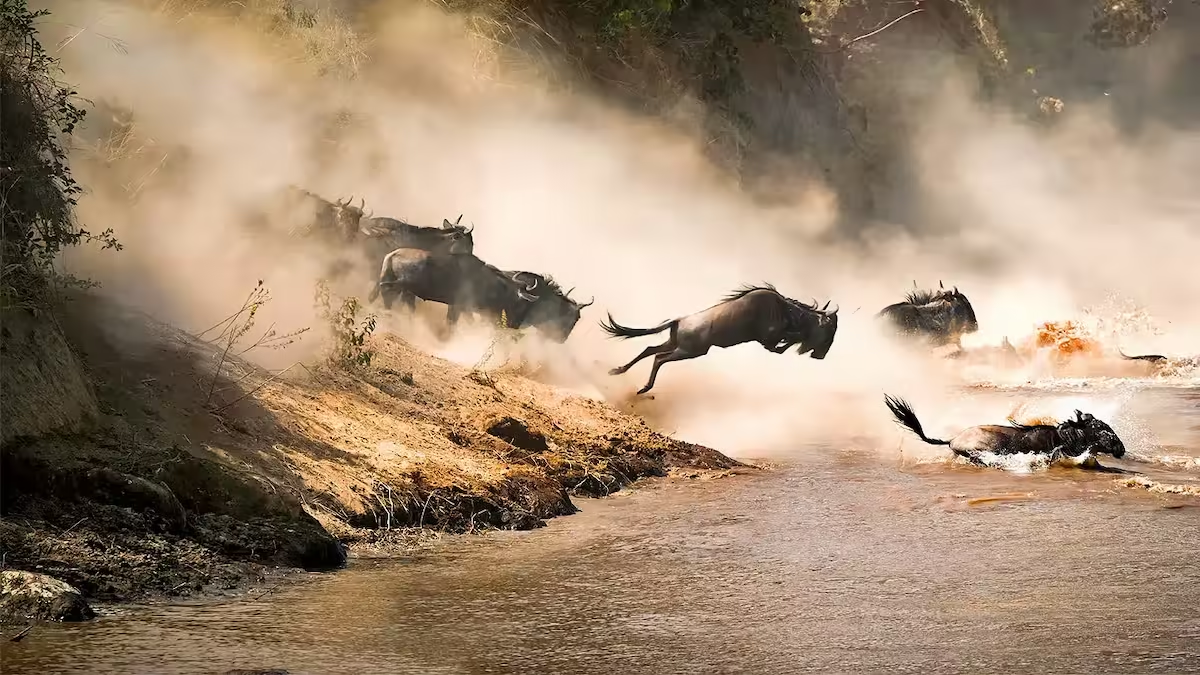
Crossing-season specialist: picnic lunches, river waits, patience.
From $3,200
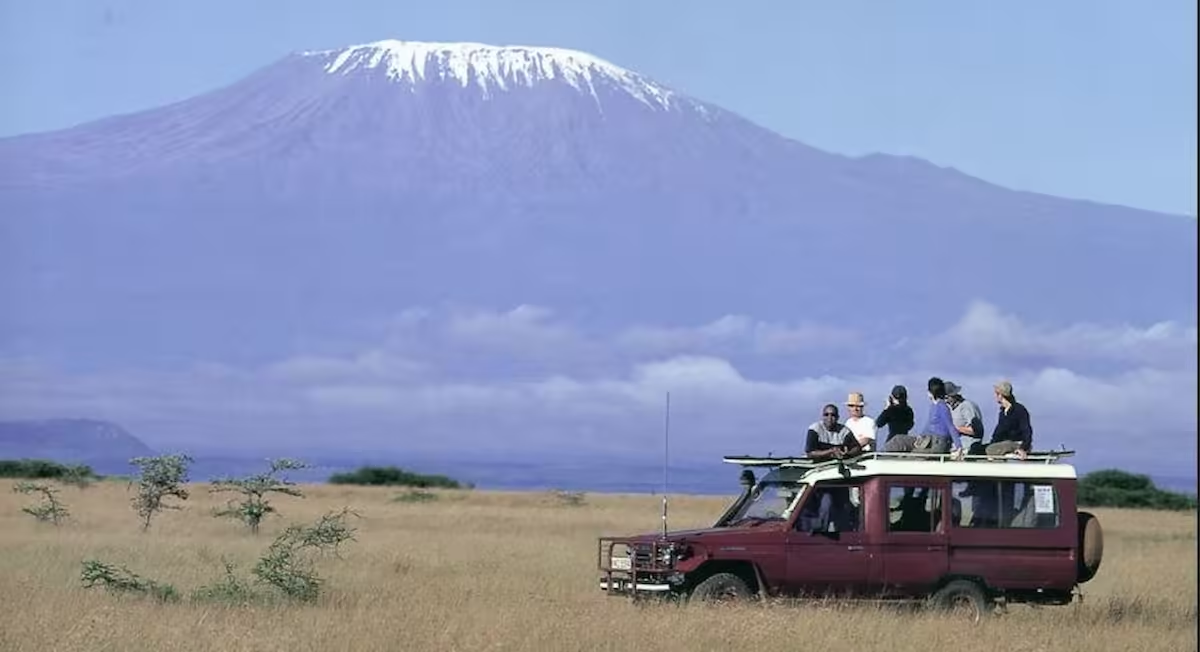
Two full days among great tuskers with dawn Kili views.
From $1,200
Amboseli plus red-dust Tsavo elephants - south Kenya pairing.
From $1,600
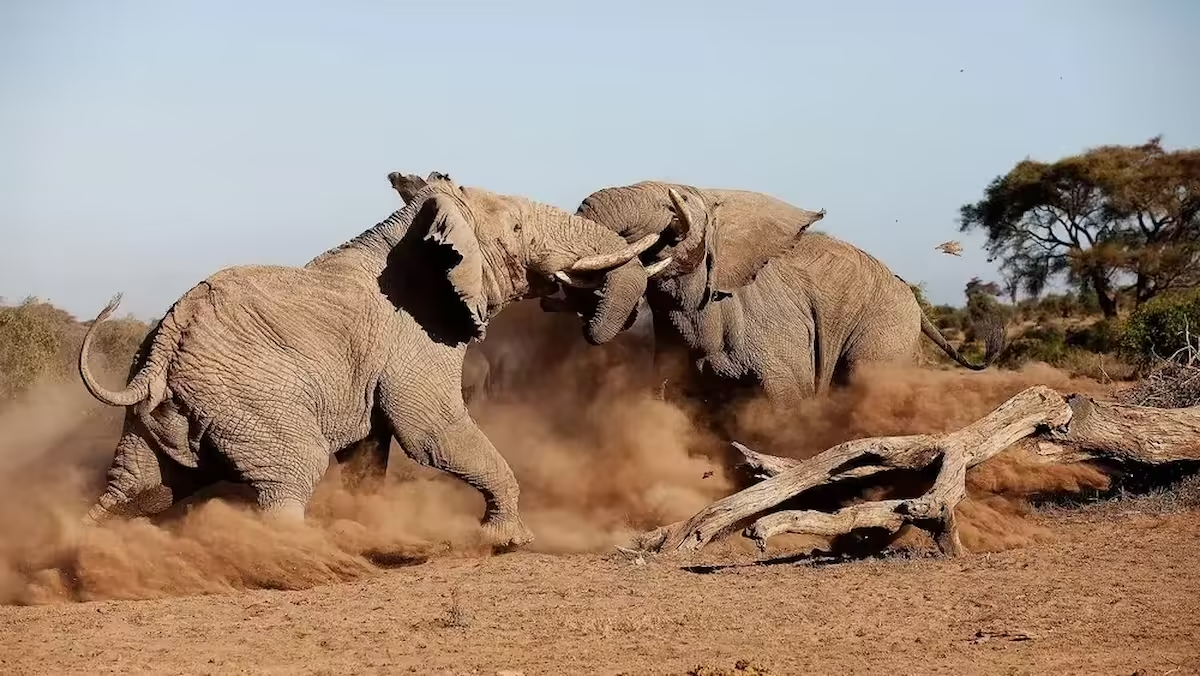
South Kenya in depth: swamps, springs and lava-flow savanna.
From $2,000
Mara North base: off-road, night drives, walks, helicopter option.
From $5,450
July to October for dry-season viewing and Migration activity in the Mara; January to March for resident predators, clear Kilimanjaro views from Amboseli and better value. The April to May long rains are the one window we would plan around rather than through.
Yes, and it is one of the best. Nairobi is a simple arrival, the Mara and Amboseli are a short flight or an easy road loop, English is widely spoken and the accommodation range covers every budget. A first trip usually wants two contrasting parks with enough nights in each to stop feeling like a transit.
The herds reach the Masai Mara for part of the year, but the timing changes annually with rainfall, grass condition and water. River crossings cannot be guaranteed on a specific date - plan around the seasonal movement and let the animals decide the rest.
Same ecosystem, different staging: the Mara concentrates wildlife and crossings into July to October in a compact area; the Serengeti holds herds for most of the year with calving and Grumeti crossings. Read the full comparison, then choose by month.
Three days works for the Mara alone as a fly-in. Five to seven covers Amboseli, the lakes and the Mara. Ten adds Samburu or Diani beach. Three Mara nights is the minimum we would recommend - cats and crossings both reward patience.
Yes. The Mara, Lake Nakuru, Amboseli, Tsavo and Meru all hold lion, leopard, elephant, buffalo and rhino in some combination. What no safari can promise is every species on every trip - wildlife is free-ranging and sightings depend on season, habitat and luck.
They are different experiences rather than a ranking. Amboseli is elephants against Kilimanjaro - concentrated, photographable, famous for its great tuskers. Tsavo is elephants inside a far larger semi-arid wilderness, where you earn the sighting over distance.
The national reserve costs less and has more vehicles at sightings. Private conservancies such as Mara North and Naboisho limit bed numbers and allow off-road driving, night drives and walking. Photographers and honeymooners should choose a conservancy.
Yes. The Mara holds resident prides, leopards and cheetahs year round and is a major destination in every month. The Migration is an additional seasonal event, not the only reason to go - and outside peak season you get fewer vehicles at every sighting.
Yes, particularly for elephant lovers and photographers: more than 400 elephants including great tuskers, with Kilimanjaro clearest at dawn from January to March. It pairs perfectly before a Mara fly-in.
It adds a completely different ecosystem and five northern species you will not see anywhere else in Kenya - Grevy's zebra, reticulated giraffe, gerenuk, Beisa oryx and Somali ostrich. On a route that would otherwise be all southern Kenya, it is the most interesting detour you can take.
Especially if rhinos, birdlife or Rift Valley scenery are on your list. It is a compact, well-managed park with both black and white rhino, which makes it one of the most reliable stops on a first itinerary.
International arrivals land at Jomo Kenyatta. Safari flights leave from Wilson Airport - the Mara hop is around 45 minutes - or you can route by road. Overnight in Nairobi on arrival day, and the Sheldrick elephant orphanage fills a layover beautifully.
Yes. Its position minutes from the city makes it possible to include on certain arrival or departure itineraries - but build in real margin for airport procedures and traffic, because the park is not what will make you late.
Excellent, when the itinerary is built around the children's ages. Naivasha boats and Crescent Island walks break up drive days, Mara fly-ins skip long roads, and lodges run strong kids' programmes. Under-fives do best with a private vehicle and regular pool stops.
Yes - and it is one of the country's strongest combinations. The Masai Mara, Amboseli or Tsavo all link easily to the Indian Ocean coast by direct flight, so there is no need to backtrack through Nairobi.
Fly the Mara to Diani via Wilson and Ukunda rather than backtracking through Nairobi. Three beach nights minimum, with Wasini dhow trips and Colobus sanctuary walks if you want more than a sun lounger. Seven safari days plus three beach nights is the formula.
Yes. The Mara and the Serengeti are two halves of one ecosystem, so a cross-border route follows the landscape rather than doubling back. It needs two park fee systems, border formalities and a longer itinerary - plan it as one trip from the start.
It is in the north, so it is either a domestic flight or a long road day from the Mara. That distance is exactly what makes it worth it - the ecosystem and the species are unlike anything in the south.
Safari destinations operate under established wildlife-management rules, but wild animals remain unpredictable. Follow your guide's instructions, stay in the vehicle where required, keep the required viewing distance and follow park regulations. Beyond the parks, standard travel sense applies - we brief you before departure.
Kenya uses an Electronic Travel Authorisation system for many visitors, with exemptions for certain nationalities and categories. Requirements change, so check the official immigration requirements for your passport before you travel.
Since 1 January 2024 Kenya has no visas, only the eTA. It costs US$32.50, is filed online between 90 and three days before travel, needs a hotel booking or invitation showing where you stay, and covers a single entry - you may still cross into Rwanda, Uganda or Tanzania and re-enter while it stays valid. South Africa, Ethiopia, Namibia, Botswana, Singapore and all EAC citizens are exempt outright, and anyone arriving from a yellow fever country must carry the certificate. Approval arrives by email: print it next to your onward ticket, because officers at the counter still want paper.
Lightweight, comfortable clothing in neutral or muted colours, a warm layer, closed shoes, a hat and sun protection. Highland destinations such as the Aberdares need genuinely warm layers for the evenings.
Mid-range private loops run from around 350 to 600 dollars per person per day; luxury conservancy camping is 800 and above. Park and conservancy fees should appear as line items in your quote rather than inside a headline price - always confirm that when comparing operators.
Mid-range private loops run from around US$350 to 600 per person per day; luxury conservancy camping is US$800 and above. Kenya's line items differ from Tanzania: conservancy fees (the Maasai Mara conservancies charge around US$100 per adult per day in high season) sit beside park fees, and most circuits add a light-aircraft hop of US$150-300 per sector.
Yes. Costs come down with shorter itineraries, simpler accommodation, shared transport and careful destination selection. What you should not compress is the number of nights in the Mara - that is the part you came for.
Yes. A Kenya safari on a budget usually means shorter routes, simpler camps, shared transport and careful timing: conservancy green-season tariffs run 20-40 percent below peak, and public KWS parks like Amboseli undercut private conservancies. What keeps the budget honest is cutting nights, not guiding - a four-night Tsavo-Amboseli loop by road costs less than two nights in the Mara by air, and both show elephants.
For most travellers, yes. A private safari gives you control over departure times, game-drive length, photography stops, route, accommodation and the overall pace of the trip - which is why it is our default recommendation for families, photographers and anyone with a specific goal.
A specialist replies within 24 hours.