
Activity guide
Walking Safaris in Africa: On Foot With an Armed Guide
Leaving the vehicle behind: tracks, plants, bird calls and the honest thrill of the bush on foot.
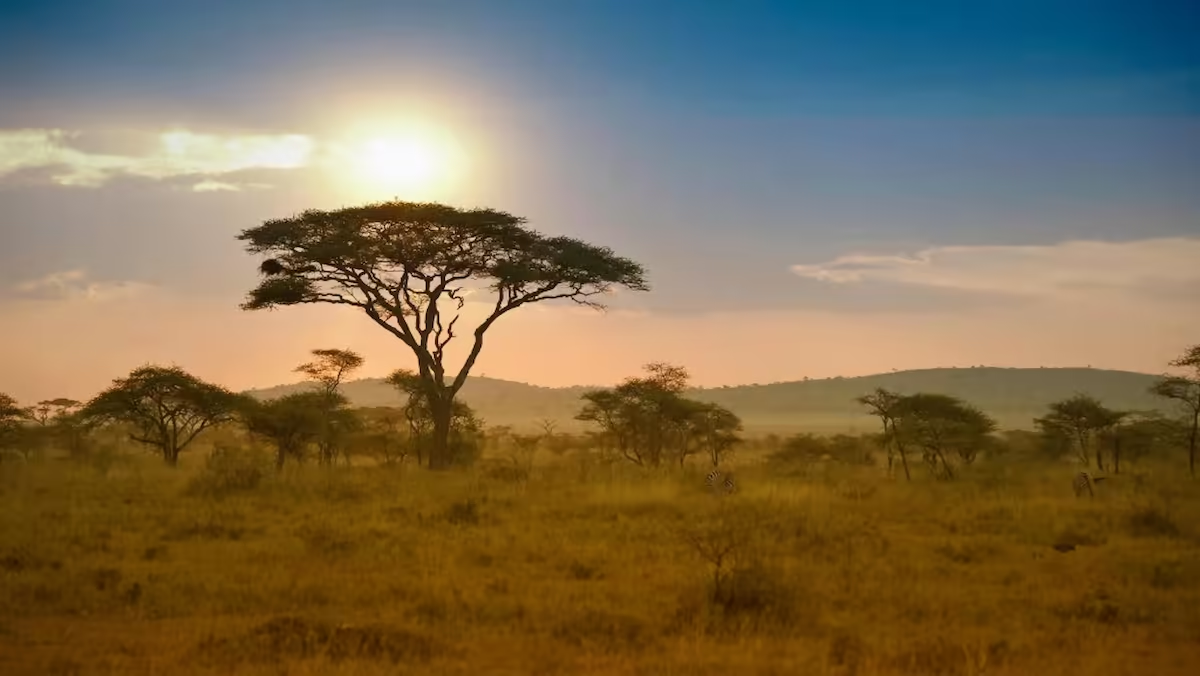
A walking safari in Africa offers a different way to experience the wilderness: leaving the safari vehicle behind and exploring the natural environment on foot with a qualified guide and, where required, an armed ranger. Instead of covering long distances in search of large animals, you slow down to interpret animal tracks, identify plants, listen to birds, examine insects and understand how wildlife moves through its habitat.
In many wildlife areas, walking safaris are conducted with an armed ranger because dangerous animals may be encountered at close range. The ranger's role is to help manage safety and respond to potential threats, while the professional guide interprets the landscape and wildlife. Their presence does not eliminate risk, and the experience depends on strict procedures, suitable conditions and following instructions throughout the walk.
For travelers planning an African safari, walking can be a standalone activity or an addition to traditional game drives. It is particularly rewarding for people interested in tracking, wildlife behavior, ecology, photography and a closer understanding of the African bush.
Trips featuring this activity
What Is a Walking Safari?
A walking safari is a guided wildlife experience in which visitors explore a designated natural area on foot rather than observing the landscape exclusively from a vehicle. Depending on the destination, it may last a couple of hours, take place around a wilderness camp or form part of a multi-day expedition between temporary camps.
The experience is not simply a hike through beautiful scenery. In a wildlife area, the route, pace and direction are influenced by animal movements, terrain, weather and the guide's assessment of the surroundings.
A walk might stop at a set of fresh elephant tracks, a disturbed patch of soil, a tree rubbed by an animal or a bird giving an alarm call. Each detail can provide information about the ecosystem and what may have passed through the area.
The emphasis is on understanding the bush rather than collecting sightings. Large mammals may be encountered, but they are not guaranteed, and the guide may choose to avoid them entirely if approaching would be unsafe.
Why Walk With an Armed Guide?
An armed ranger is an important safety feature of many walking safaris in African national parks and wildlife areas. In some destinations, an armed ranger is a formal requirement; in others, arrangements depend on the reserve, operator and type of walk.
The need arises because walking changes the relationship between visitors and wildlife. A vehicle provides a physical barrier and allows a group to leave an encounter quickly. On foot, there is no equivalent protection, and animals such as elephants, buffalo, hippos and large predators can be dangerous when surprised, approached too closely or threatened.
The presence of an armed ranger should never be interpreted as permission to approach wildlife. The priority is avoiding dangerous encounters through route selection, awareness, distance and the ability to recognize animal behavior.
The role of the professional guide
The walking guide explains what visitors are seeing and helps the group understand the environment. Their work may include:
- Interpreting tracks, dung, feeding marks and other signs of wildlife.
- Identifying plants, trees, insects, birds and smaller animals.
- Explaining animal behavior and how different species use the landscape.
- Choosing routes according to terrain, weather and wildlife activity.
- Keeping the group together and maintaining an appropriate pace.
- Explaining the rules before departure and reinforcing them during the walk.
The role of the armed ranger
Where a separate ranger accompanies the group, their principal responsibility is safety. The ranger is trained and authorized according to the relevant park or reserve requirements and helps assess wildlife encounters and potential threats.
The exact division of responsibilities differs between destinations and operators. Some walks use a guide and ranger as separate members of the team, while others may have a qualified guide who also meets the relevant armed-guide requirements.
Before booking, travelers should ask who will lead the walk, whether an armed ranger is included, what qualifications are required locally and what safety procedures are followed.
What Happens During a Walking Safari?

A typical walking safari begins with a briefing at the lodge, camp or designated meeting point. The guide explains the route, likely conditions, footwear requirements, group rules and what to do if wildlife is encountered.
The walk then proceeds at a measured pace, often in the cooler hours of the morning. The group may stop frequently to examine tracks, observe birds or learn about the uses of local plants.
1. Reading animal tracks
Tracking is one of the most distinctive elements of a walking safari. Footprints can reveal the species, direction of travel and sometimes the relative freshness of a trail. A knowledgeable guide may also explain how the shape of a print changes with the ground or how overlapping tracks indicate that several animals have passed through.
Tracks do not provide perfect information. Wind, rain, hard ground and the movement of other animals can make identification difficult. The guide interprets the evidence alongside other signs rather than treating every footprint as a guaranteed route to a sighting.
2. Understanding animal behavior
A walking safari can reveal details that are easy to overlook from a vehicle. Guides may explain how herbivores feed, how birds respond to nearby predators, why animals use particular paths or how different species compete for resources.
Visitors also learn why distance matters. An animal that appears relaxed may still react if it feels cornered, particularly when protecting young or moving through dense vegetation. A responsible walk prioritizes observation without forcing an encounter.
3. Discovering plants and smaller wildlife
Not every interesting discovery is a large mammal. The bush contains insects, reptiles, seeds, flowers, medicinal plants and evidence of animal feeding.
A guide may demonstrate how certain plants survive dry conditions, identify a termite mound or explain the ecological importance of fallen wood. These details make walking safaris valuable even when large animals remain out of sight.
4. Listening to the wilderness
On foot, sounds become an important part of interpreting the environment. Bird calls, alarm calls, rustling grass and changes in the sounds around a water source can provide clues about activity nearby.
Visitors are encouraged to remain quiet and attentive. Silence is not just a way to improve the experience; it can also help the guide communicate and assess the surroundings.
Where to Experience Walking Safaris in Africa
Walking safaris are not available in every national park or reserve, and the rules differ significantly between countries and individual protected areas. A destination that offers excellent game drives may not permit visitors to walk with a guide.
The following destinations are useful starting points when planning an itinerary specifically around walking.
Tanzania: Walking in the savannah and conservation areas
Tanzania offers walking experiences in selected national parks and conservation areas. These can introduce visitors to the ecology of the savannah, animal tracks, vegetation and the relationship between wildlife and its habitat.
In Tarangire National Park, walking activities must be arranged according to park regulations and accompanied by authorized personnel. The landscape of woodland, open country and seasonal water sources provides opportunities to interpret the environment beyond the vehicle-based safari.
The Ngorongoro Conservation Area also offers walking activities, including shorter walks and longer routes. The Ngorongoro Conservation Area Authority states that walking activities require an armed ranger and prior booking and arrangements. Routes and conditions should be confirmed with the authority or safari operator before travel.
Tanzania's walking opportunities should not be assumed to be identical across all parks. Ask which specific walk is available, where it begins, how long it lasts and whether it is included in the itinerary or charged separately.
Best for: Travelers who want to add a guided walk to a classic northern Tanzania safari.
South Africa: Guided walks in wildlife reserves
South Africa offers guided bush walks in selected parks, private reserves and lodge concessions. Depending on the location, walks may focus on wildlife tracking, plant identification, smaller animals and the interpretation of the ecosystem.
In some areas, walking takes place away from the main vehicle routes, offering a different perspective on the landscape. The format varies by reserve: some provide short interpretive walks, while others organize more immersive wilderness experiences.
Availability, age restrictions, group sizes and ranger requirements differ between operators. Travelers should confirm the current rules of the particular park or reserve instead of assuming every safari lodge offers walks. Greater Kruger and the Sabi Sand area are common starting points.
Best for: Visitors combining game drives with an interest in tracking, ecology and guided interpretation.
Botswana: Walking in private concessions and community areas
Botswana is known for walking safaris in selected private concessions and community wildlife areas. In parts of the Okavango Delta, the Linyanti region and other designated areas, guided walks can complement game drives and water-based activities.
Walking permissions are area-specific. Access to a private concession does not automatically mean every camp, route or season permits walking, and national park rules may differ from those of nearby concessions.
Some walking experiences are short outings from a camp, while specialist itineraries involve longer walks between wilderness camps. Travelers interested in a multi-day walking expedition should check the daily distances, luggage arrangements, camp facilities and emergency procedures before booking.
Best for: Travelers seeking a remote wilderness experience and, where available, longer walking-focused itineraries.
Other African destinations
Walking opportunities also exist in other African safari destinations, but the activity must be confirmed individually. Some parks offer designated walks with armed rangers, while others restrict walking to specific trails or areas.
When comparing destinations, look beyond the country name. The relevant questions are whether walking is permitted in the exact location, who leads the activity, what the route involves and whether it fits the group's abilities.
| Choose | When |
|---|---|
| Tanzania | You want to add a guided walk to a classic northern Tanzania safari. |
| South Africa | You are combining game drives with an interest in tracking, ecology and guided interpretation. |
| Botswana | You want a remote wilderness experience and, where available, a longer walking-focused itinerary. |
Walking Safari vs Game Drive: Which Is Better?
A walking safari and a game drive offer different strengths. Neither is automatically better for every traveler, and combining them often creates a more varied experience.
| Feature | Walking safari | Game drive |
|---|---|---|
| Main focus | Tracks, ecology, details and interpretation | Wildlife viewing over larger areas |
| Distance covered | Usually limited and dependent on the route | Often much greater |
| Large-animal sightings | Possible but never guaranteed | Often more practical for searching broad areas |
| Pace | Slow, with frequent stops | Can cover several habitats in one outing |
| Physical demand | Requires walking over natural terrain | Usually low |
| Safety arrangements | Strict walking rules and ranger or guide requirements | Vehicle-based procedures and guide instructions |
| Best suited to | Curious, active travelers interested in details | Travelers prioritizing wider wildlife coverage |
A walking safari should not replace every game drive on an itinerary if seeing a broad range of large mammals is a major priority. Instead, it adds depth to the safari by helping visitors understand the landscape and the evidence left by its wildlife. See game drives and night safaris for the vehicle-based alternatives.
How Long Does a Walking Safari Last?
The duration depends on the destination, route, weather and type of experience.
| Format | Typical length | What it involves |
|---|---|---|
| Short guided walks | A few hours | Useful additions to a lodge stay. The route is often chosen according to local conditions and the group's abilities. |
| Half-day walks | Up to half a day | More time for tracking, interpretation and exploring a designated area, although not every park or camp offers this format. |
| Multi-day walking safaris | Several days | Specialist trips where travelers walk between camps. The operator should provide a clear itinerary, daily distances, expected terrain, accommodation details and contingency arrangements. |
Do not choose a walk by duration alone. A shorter route with difficult terrain may be more demanding than a longer walk on relatively level ground.
Is a Walking Safari Dangerous?
A walking safari carries inherent risks because participants are on foot in a natural environment where dangerous wildlife may be present. A qualified guide and armed ranger, where required, help manage these risks, but no responsible operator can promise that an encounter will be risk-free.
Safety depends on preparation, route selection, weather, wildlife behavior, the guide's judgment and the group's willingness to follow instructions.
Before departure, the guide should explain the rules and how the group must respond to instructions. Travelers should disclose relevant mobility limitations before booking and ask whether the proposed route is suitable for them. Our safari safety guide covers the wider picture.
During the walk:
- Stay with the group and follow the guide's instructions immediately.
- Never approach, feed, touch or attempt to photograph wildlife from closer than the guide permits.
- Do not run, shout or make sudden movements unless specifically instructed to act.
- Keep conversations quiet and avoid distracting the guide.
- Do not pick plants, remove natural objects or leave the designated route.
- Tell the guide promptly if you feel unwell, injured or unable to continue.
- Carry the water and personal items recommended for the specific route.
Children may be subject to minimum-age rules, and these differ by operator and destination. Confirm the requirements before booking a family safari.
What Should You Wear and Carry?

Comfort and practicality matter more than specialist safari fashion. The correct clothing depends on the season, vegetation and terrain.
- Footwear: Wear closed, comfortable walking shoes or boots with good grip. The appropriate choice depends on the route; rocky ground, thick grass and uneven surfaces may require more support than a short, flat trail.
- Clothing: Lightweight, breathable clothing in neutral colors is usually suitable. Long trousers and sleeves can help protect against vegetation and insects. Avoid clothing that restricts movement or becomes uncomfortable in heat.
- Sun protection: Carry a suitable hat, sunscreen and enough drinking water for the planned walk. Early starts do not eliminate the need for sun protection.
- Insect protection: Use repellent appropriate to the destination and follow local health advice.
- Camera and binoculars: Compact equipment is preferable because you will be carrying it throughout the walk. Listen to the guide before stopping to photograph wildlife, and never let a photograph distract you from safety instructions.
The operator should provide a destination-specific packing list. Do not assume that water, first aid supplies or other equipment will be provided unless this has been confirmed.
Who Should Choose a Walking Safari?
Walking safaris are particularly suitable for travelers who enjoy learning through observation and are comfortable spending time outdoors. They can be an excellent choice for:
- Wildlife enthusiasts who want to understand tracks, animal behavior and habitat use.
- Photographers interested in plants, insects, textures and smaller wildlife, provided photography can be conducted safely.
- Experienced safari travelers looking for a different perspective after several vehicle-based safaris.
- Couples and small groups who enjoy quiet, guided outdoor activities.
- Nature and conservation enthusiasts interested in how ecosystems function beyond headline wildlife sightings.
A walking safari may be less suitable for people who cannot comfortably manage the proposed terrain, need frequent access to facilities or prefer to observe wildlife primarily from a vehicle. This does not automatically exclude them from every walk; suitability depends on the route and the operator's assessment.
Age note: minimum age is usually 16 for guided walks, but it is set park by park and operator by operator. Confirm it for the exact walk rather than assuming.
How Much Does a Walking Safari Cost?
There is no single price for walking safaris across Africa. The total cost depends on the destination, duration, accommodation, guiding arrangements and whether the walk is part of a larger safari package.
As a working figure, a guided walk usually adds about 30 to 80 dollars per person to a driving day, while multi-day walking trails cost more.
Factors that commonly influence the price include:
- Park, conservation or activity fees.
- Whether a specialist walking guide and armed ranger are required.
- Private versus shared guiding arrangements.
- The number of hours or days spent walking.
- Lodge or tented-camp accommodation.
- Transfers between camps and remote wilderness areas.
- Meals, drinking water and any additional activities.
- Whether the walk is included in a multi-day safari package or booked separately.
Before comparing quotes, ask for a clear breakdown of what is included. Two advertised prices may describe very different experiences: one may cover a short guided outing from a lodge, while another includes specialist guides, remote camps and transfers over several days.
Current fees and availability should be confirmed directly with the park authority or safari operator. Avoid relying on a price from an old article, particularly where official park tariffs change. Our safari cost breakdown explains how quotes are usually structured.
How to Choose a Responsible Walking Safari Operator
The quality of a walking safari depends heavily on the guide's knowledge, the operator's safety practices and the rules of the area being visited. Before making a reservation, ask:
- Is walking officially permitted in this area? Confirm the exact park, reserve, concession or route.
- Who leads the walk? Ask about the guide's qualifications and whether an authorized armed ranger accompanies the group.
- What is the safety procedure? The operator should explain the pre-walk briefing, group rules and emergency arrangements.
- How difficult is the route? Request information about distance, terrain, elevation, temperature and expected duration.
- What is the group size? Smaller groups may allow more detailed interpretation, but the permitted number depends on local rules.
- What happens if conditions change? The operator should be prepared to alter or cancel a walk when wildlife, weather or other circumstances make it unsuitable.
- What is included in the price? Check permits, guiding, ranger fees, transfers, meals and equipment.
- Are there age or fitness restrictions? Confirm these for the exact activity rather than relying on general safari guidance.
A responsible operator should never guarantee close encounters with dangerous animals. The objective is to experience the wilderness responsibly, not to force wildlife into a particular viewing situation.
How to Include a Walking Safari in an African Safari Itinerary
A walking safari works best when it complements the rest of the itinerary rather than being added without considering location, travel time and physical demands.
Best time: dry season for comfortable walking; green season for birds and flowers.
Option 1: Classic safari with a walking experience
Combine several days of game drives with a guided walk at a location where the activity is permitted. This gives travelers the opportunity to cover larger areas by vehicle while reserving time to explore the bush on foot.
Option 2: A nature-focused safari
Build the itinerary around wildlife interpretation, birding, tracking and time outdoors. Walking can be paired with other suitable activities, depending on local regulations and the accommodation's offerings.
Option 3: A multi-day walking expedition
Choose a specialist operator that offers an established walking route with appropriate guides, accommodation and emergency arrangements. Confirm daily distances and the conditions before committing to the trip.
When planning the itinerary, consider the walking activity's start time, transfers, weather and any physical recovery time needed. A well-designed safari should allow enough time to enjoy the walk without rushing to the next destination.
Frequently Asked Questions About Walking Safaris
Do all walking safaris require an armed guide?
No single rule applies across every African destination. Some park authorities explicitly require an armed ranger, while other locations have their own rules governing who may lead walks and where they may take place. Tanzania's Ngorongoro Conservation Area Authority, for example, specifies that walking activities must be accompanied by an armed ranger and arranged in advance. Always check the current requirements for the exact area you plan to visit.
Will I see lions, elephants or other dangerous animals on foot?
You may encounter large wildlife, but sightings are never guaranteed. Guides select routes based on conditions and may avoid an area if an animal's presence or behavior creates an unacceptable risk. The purpose of the walk is to explore and understand the ecosystem, not to approach dangerous animals for a closer view.
How fit do I need to be for a walking safari?
The fitness required depends on the route, terrain, weather and duration. A short walk over level ground may be manageable for many travelers, while a multi-hour walk through uneven terrain can be physically demanding. Ask the operator for realistic information about distance, pace, elevation and rest stops, and disclose any mobility concerns before booking.
Can beginners take part in a walking safari?
Yes, many short guided walks can suit people who have never done a walking safari before, provided they meet the activity's requirements and are comfortable with the terrain. A beginner should choose an operator that gives a thorough briefing and explains the physical demands in advance. Prior safari experience does not replace the need to follow instructions.
Are walking safaris suitable for children?
Some walking activities accept children above a specified minimum age, while others impose stricter limits because of wildlife risks and route difficulty. The minimum age is destination- and operator-specific. Families should confirm the current policy before booking and should not assume that a child accepted on a game drive can automatically join a walking safari.
What is the difference between a walking safari and a nature hike?
A nature hike usually emphasizes exercise, scenery or reaching a particular destination. A walking safari takes place in a wildlife environment and emphasizes guided interpretation of animal signs, habitat and ecological relationships. It also involves specific wildlife-safety procedures and may require an authorized armed ranger.
Can a walking safari be combined with a game drive?
Yes. Combining the two is often an effective approach because they offer complementary experiences. Game drives help travelers cover larger areas and search for wildlife, while walking allows them to examine tracks, plants and smaller details at a slower pace. The exact combination depends on the destination and the activities available at the selected camp or lodge.
Are walking safaris available throughout the year?
Not necessarily. Weather, seasonal vegetation, water levels, wildlife activity and park regulations can affect access and safety. Some routes may be restricted or unsuitable at particular times. Ask the operator which months are best for the specific walking experience and whether seasonal closures apply.
What should I do if I encounter a dangerous animal during a walk?
Follow the guide's instructions immediately. Do not approach the animal, attempt to move closer for a photograph or make an independent decision to leave the group. The guide and ranger will assess the situation and direct the group's response. The briefing before departure should explain the expected behavior and safety rules for that location.
Is a walking safari worth the extra cost?
For travelers who enjoy wildlife interpretation, tracking and being outdoors, a walking safari can add a memorable dimension to a trip. Its value is not measured solely by the number of large animals seen. However, if the main priority is maximizing large-mammal sightings in a limited time, game drives may deserve a larger share of the itinerary. The best choice depends on personal interests, physical ability and budget.
What vaccinations and malaria prevention do we need?
Yellow fever certificates are required when arriving from endemic countries; malaria prophylaxis is recommended for most safari regions - discuss options with your doctor 6 to 8 weeks out. We brief every trip on water, sun and insect precautions.
CDC guidance for the region is precise. Yellow fever vaccination is recommended for all safari travelers and becomes a certificate requirement when you arrive via an endemic country such as Rwanda or Uganda. Routine boosters, hepatitis A, typhoid and hepatitis B round out the travel clinic list. Malaria transmission covers every game park below roughly 2,500 meters, the parasite is chloroquine resistant, and the preventatives that work are atovaquone-proguanil, doxycycline, mefloquine or tafenoquine, started before arrival and finished after. Book the clinic six to eight weeks out, and pack repellent with 20 percent DEET plus long sleeves for dusk.
What photography gear should we bring?
A 100 to 400mm zoom covers 90 percent of sightings; add a wide second body for landscapes. Beanbags beat tripods in vehicles. We provide charging setups and dust management briefings - tell us your kit and targets.
How do internal flights and luggage limits work?
Bush flights allow 15 to 20kg in soft duffels; lodges store hard cases free. We route connections with realistic margins and meet you at every airstrip - missed-connection cover is built into fly-in trips.
Is this trip private?
Yes - every itinerary here runs with your own vehicle and guide. No Mixed-group compromises unless you ask for a join-in price.
What is NOT included that surprises first-timers?
International flights, visas, travel insurance (required), premium drinks, the balloon flight where offered, and tips. Our quotes line-item park fees and permits so the total you compare is the total you pay.
Experience Africa Beyond the Safari Vehicle
A walking safari reveals details that are easy to miss when traveling through the bush by vehicle. Animal tracks, feeding signs, bird calls, plant adaptations and the changing character of the landscape all become part of the experience.
The most important consideration is choosing the right destination and a responsible operator. Confirm that walking is permitted, understand whether an armed ranger is required, ask about the route and follow all safety instructions.
Whether added to a Tanzania safari, a South African wildlife trip or a specialist wilderness itinerary in Botswana, a well-planned walking safari offers a deeper appreciation of Africa's wild places—one step at a time.
Related
Ruaha | Nyerere | All activities
Add this to your safari
One proposal, all activities placed correctly.