Discover Africa
Safari activities
A safari is not one activity — it's a menu. Here's what each is actually like, where it's offered, and which trips include it.
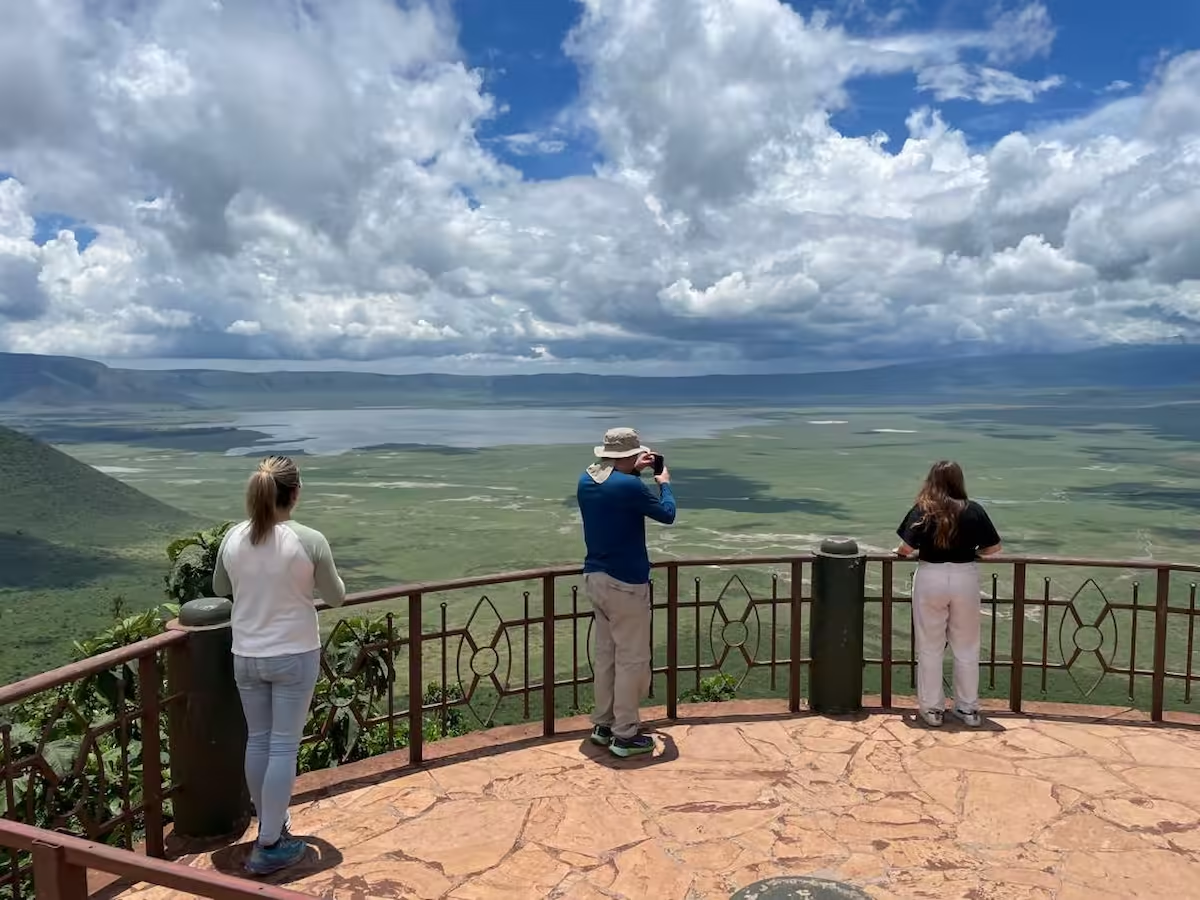
Game drives
Dawn + afternoon in open 4x4s — the core of every safari. How drives work, durations, private vs shared.
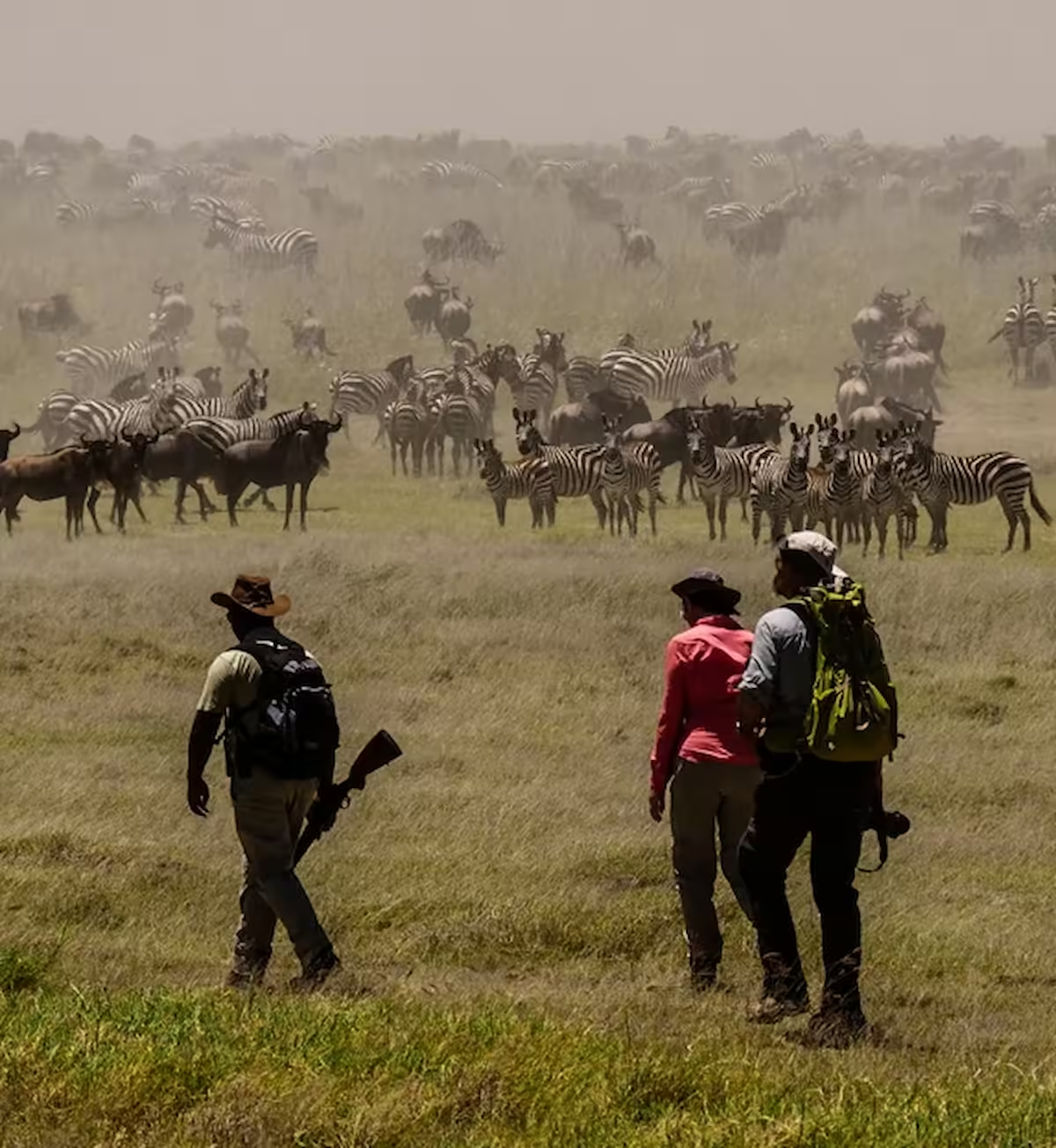
Walking safaris
On foot with an armed guide: tracks, birds, adrenaline. Tarangire, Ruaha, Nyerere, SA concessions.
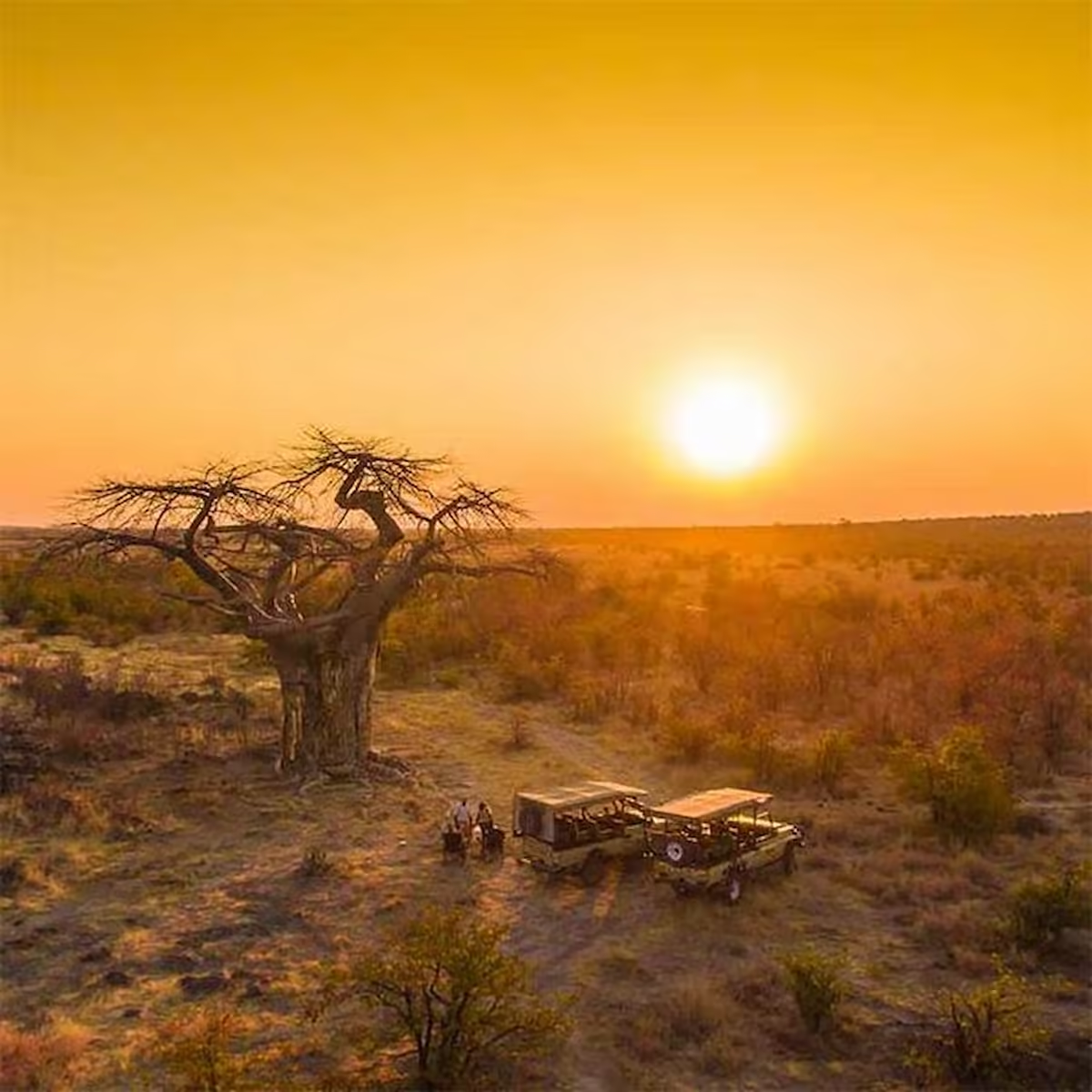
Night safaris
Spotlit bushbabies, aardvarks, hunting lions — only where allowed (concessions, not national parks).
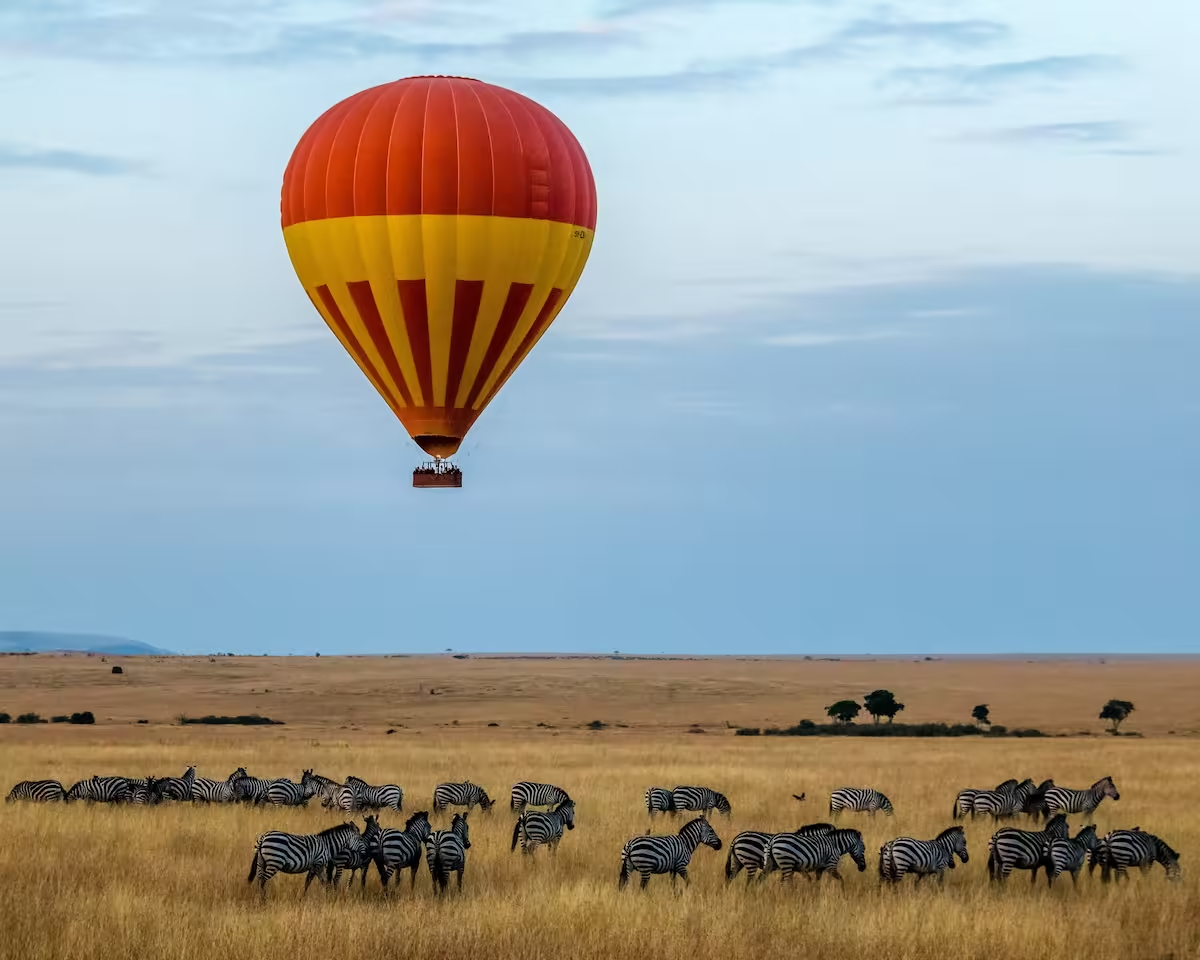
Hot-air balloon safaris
Dawn flights + bush breakfast over Serengeti, Mara, Tarangire. ~$550–600.
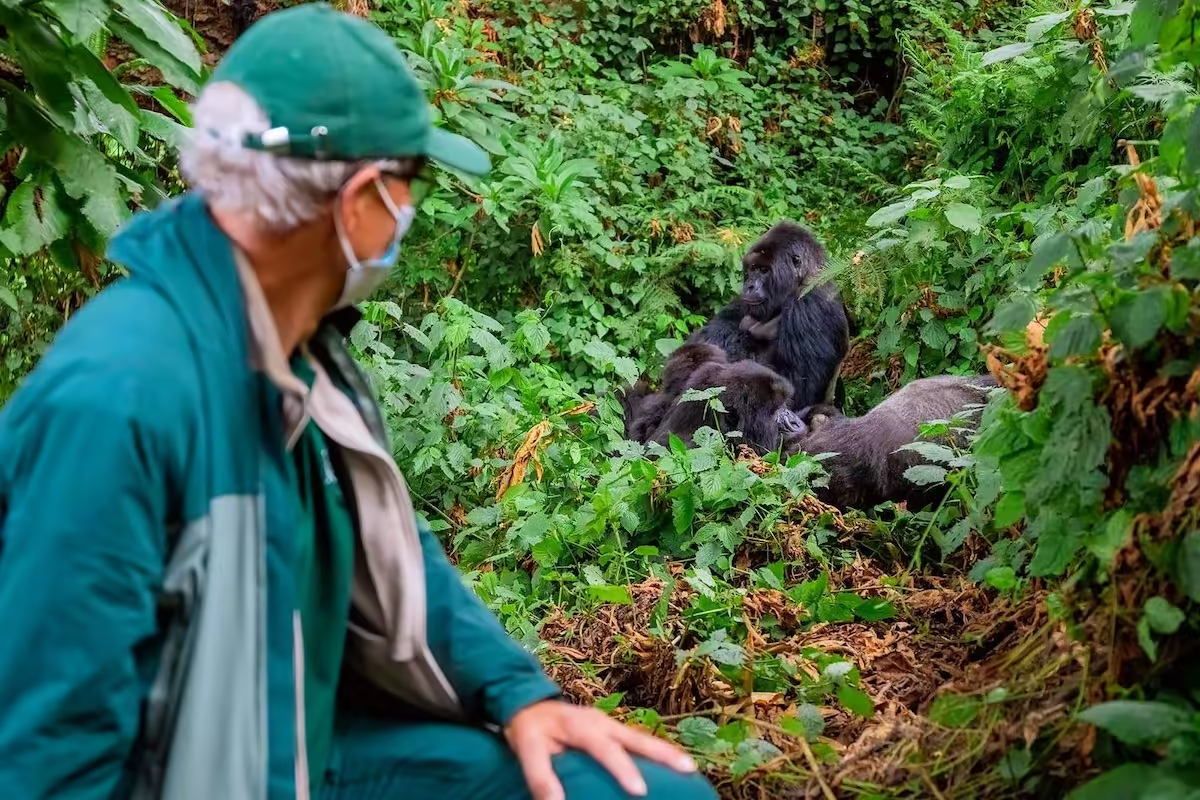
Gorilla trekking
Bwindi/Mgahinga: permits, fitness, the trek day hour-by-hour.
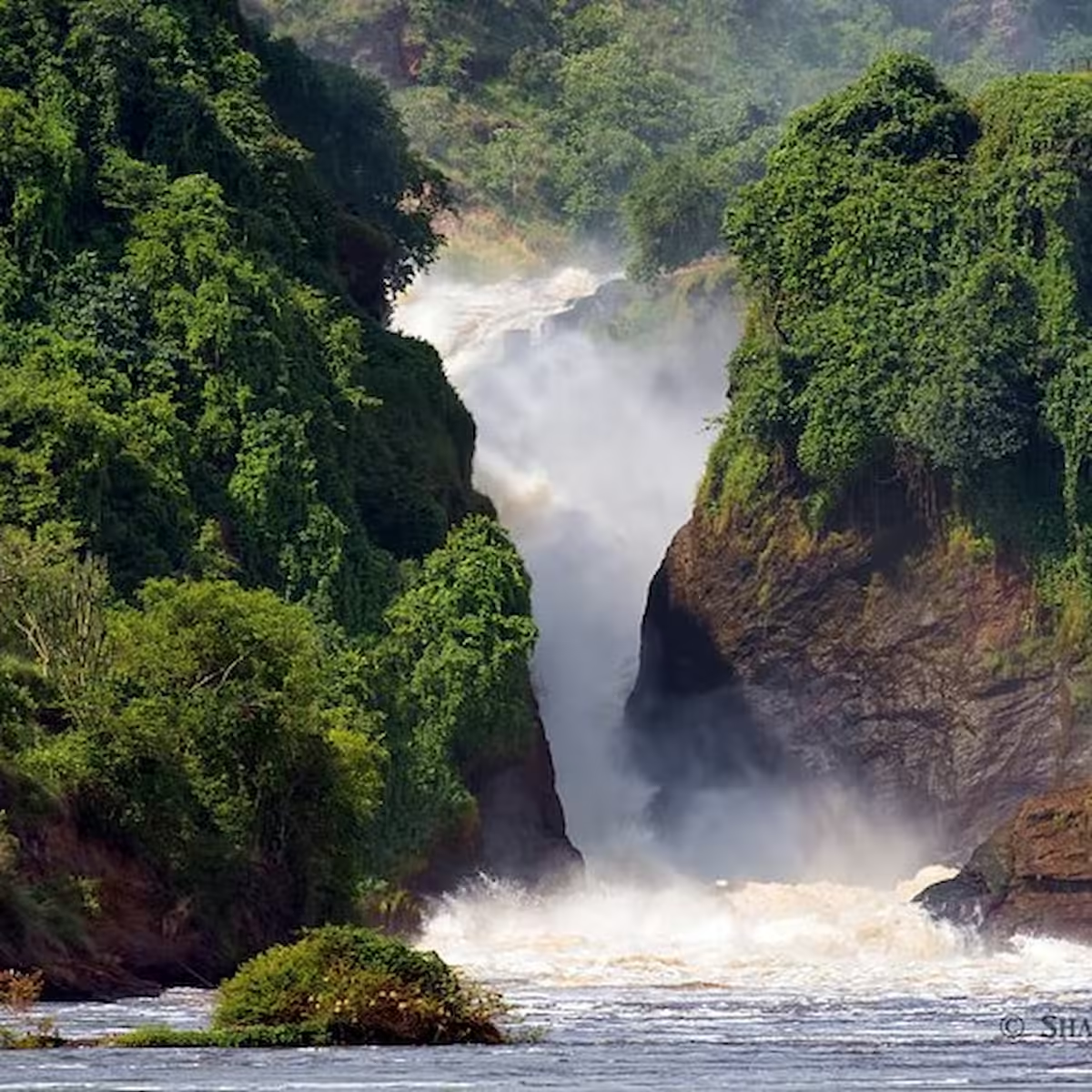
Chimpanzee trekking
Kibale's 98%-success half-day — the perfect gorilla companion.
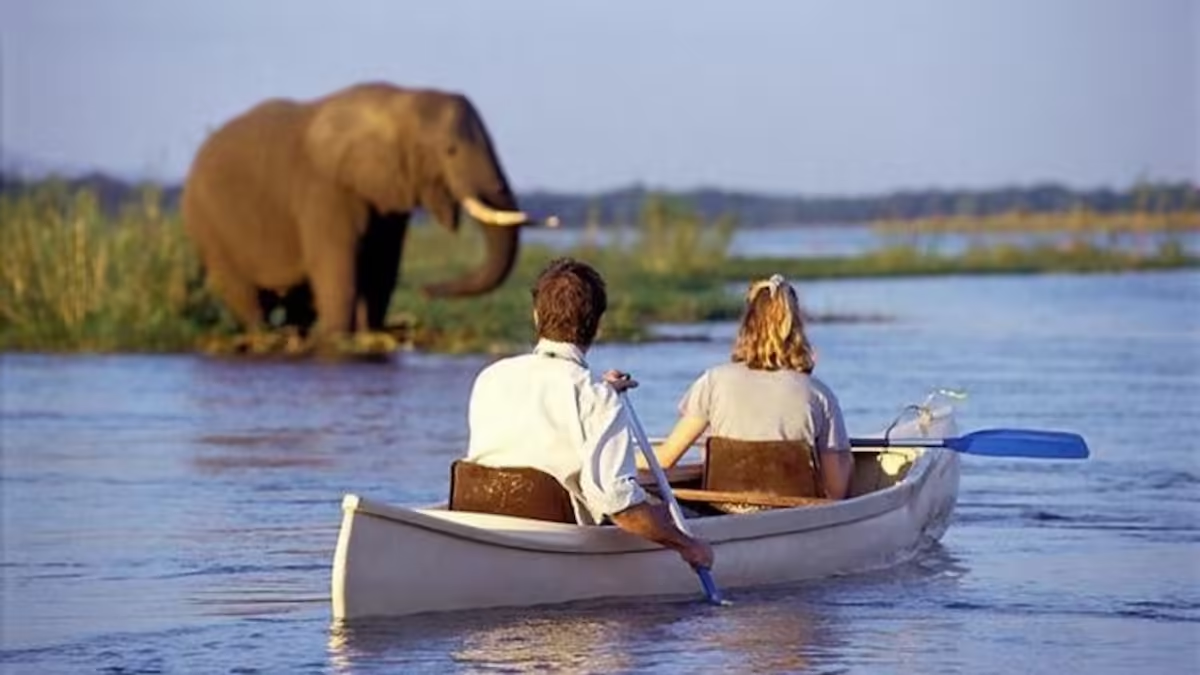
Boat safaris
Kazinga Channel, Chobe riverfront, Nyerere's Rufiji — elephants at eye level.
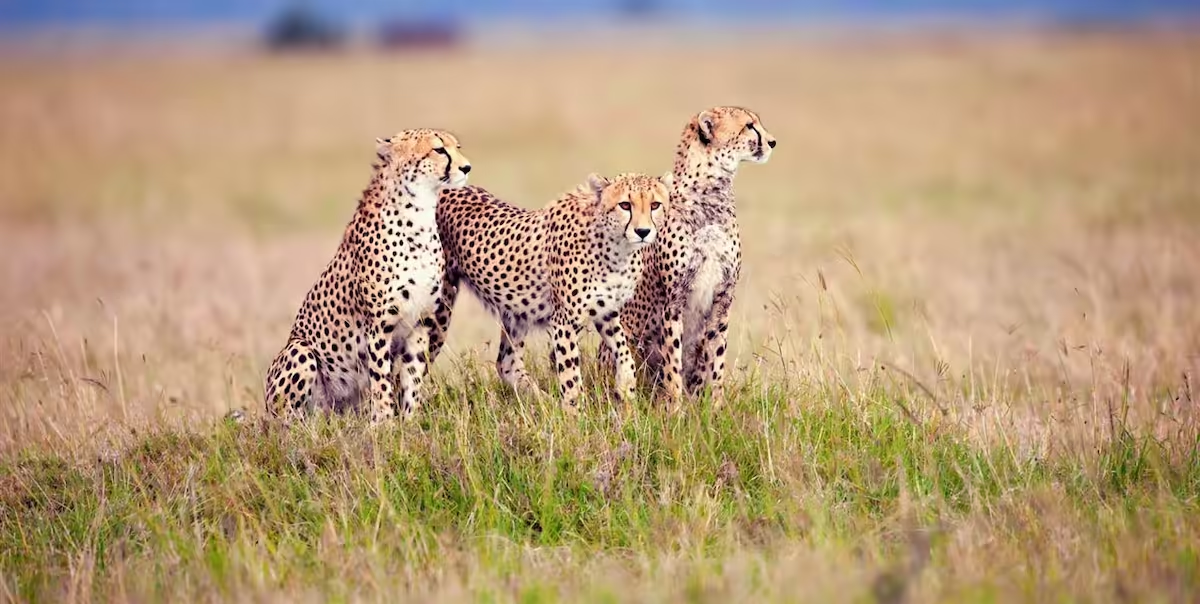
Photographic safaris
Low-mileage days, hides, beanbags, photographer-guides.
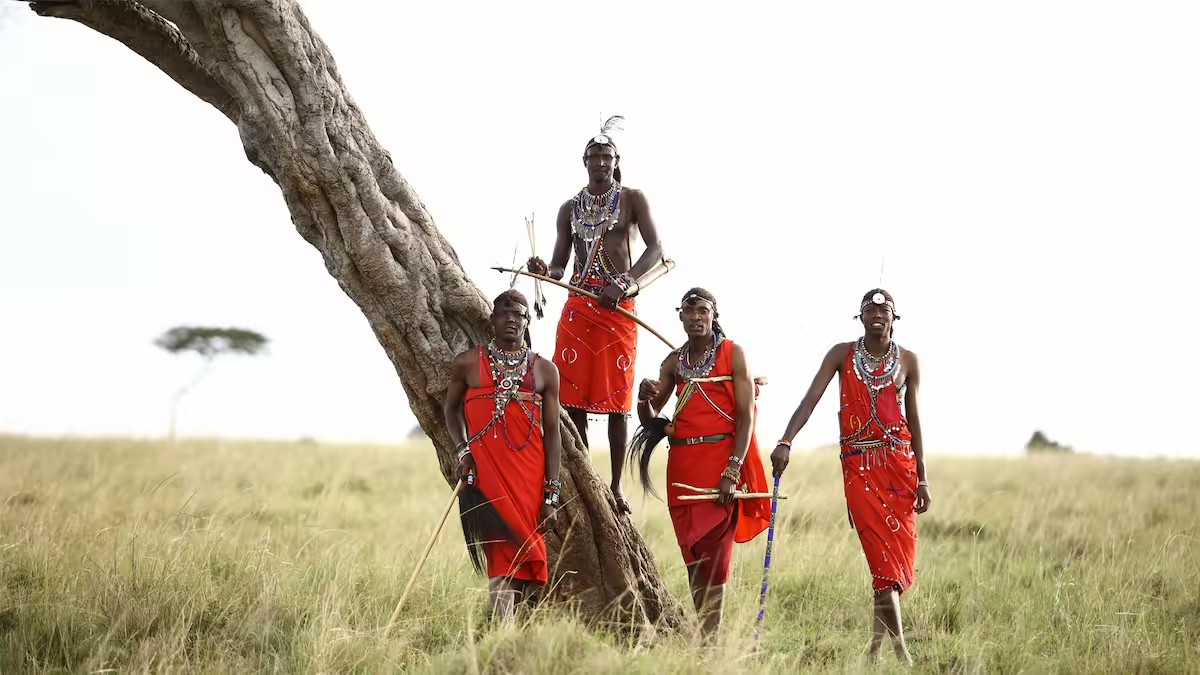
Cultural tours
Maasai, Hadzabe, Batwa, Himba — arranged respectfully, never staged.
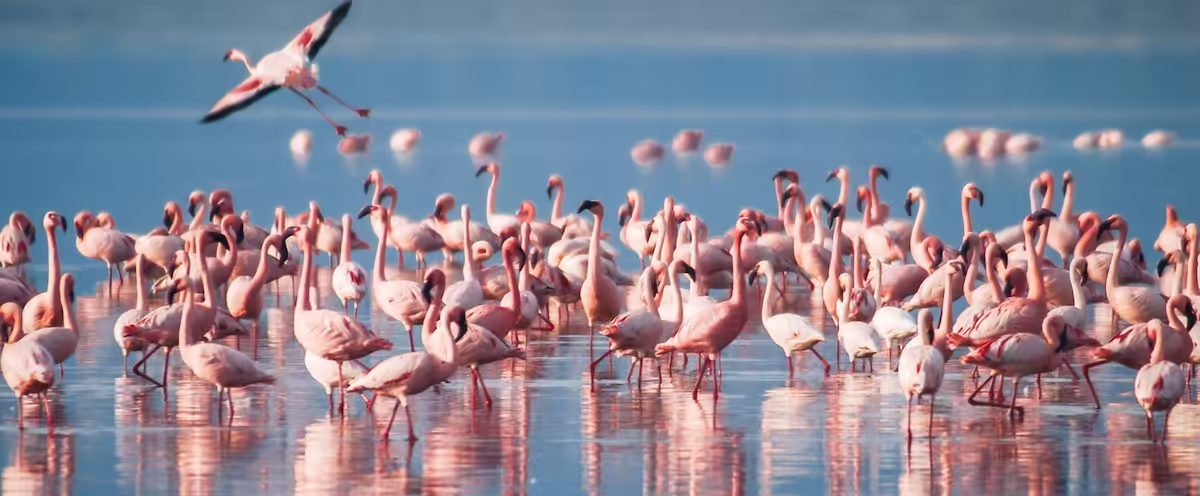
Bird watching
500+ species zones: Tarangire, Rift Valley lakes, green season everywhere.
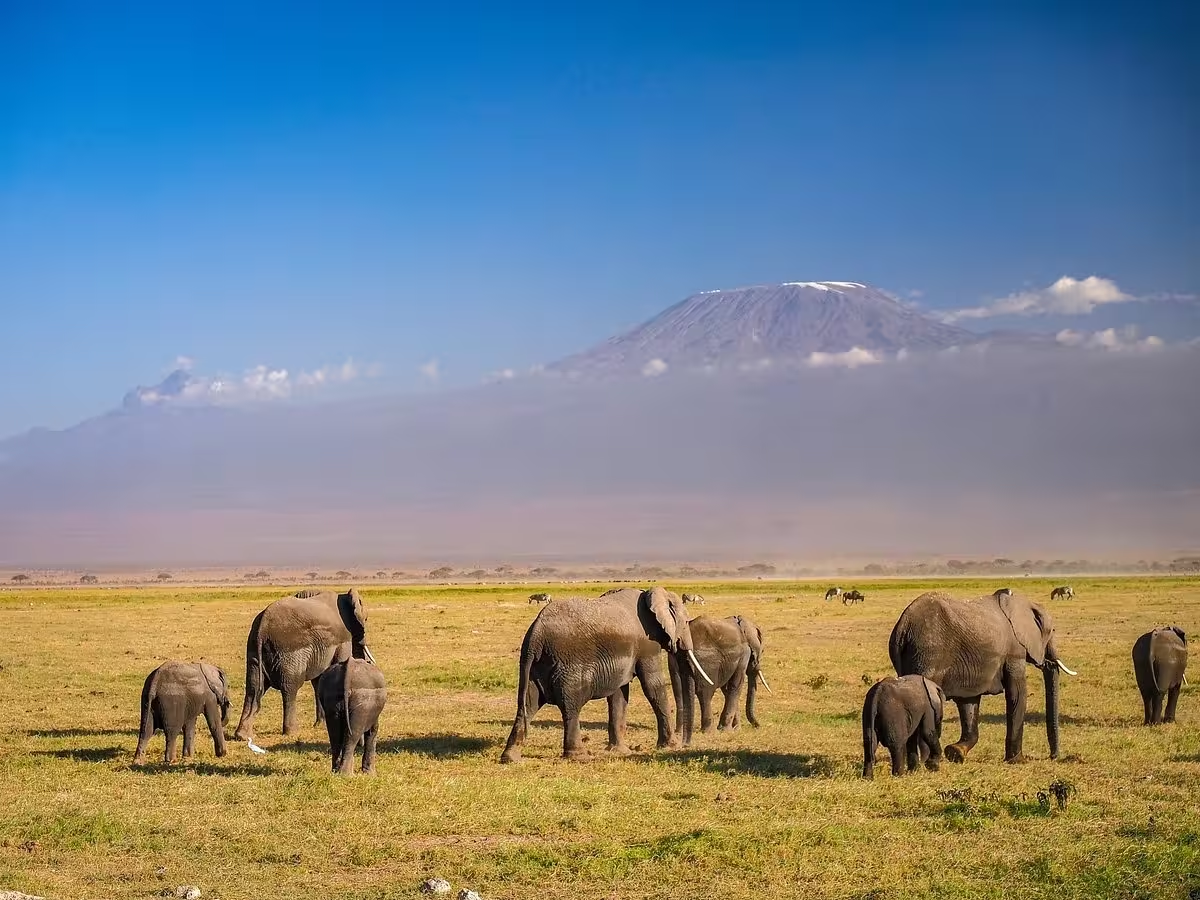
Kilimanjaro trekking
Routes compared: Machame, Lemosho, Marangu reviewed honestly.
FAQs
Which activities suit families?
Boat safaris, easy walks, cultural visits and balloon flights (age 7-plus). Walking safaris and treks carry age minimums.
What costs extra?
Balloon flights, night drives where not included, walking fees and hide sessions. Game drives are always included.
The extras that appear on real itineraries: balloon flights (US$450-600), night drives outside conservancy fees (US$25-50 per person), walking safari permits (US$30-60), photographic hide sessions (US$50-150) and gorilla or chimpanzee permits where not already line-itemed. Park fees and game drives are not extras - if an operator says they are, ask for the fee schedule.
Can we mix activities?
Yes - drives plus boats plus walks plus culture is the classic rich week. Tell us interests and we place each where legal and best.
What is NOT included that surprises first-timers?
International flights, visas, travel insurance (required), premium drinks, the balloon flight where offered, and tips. Our quotes line-item park fees and permits so the total you compare is the total you pay.
What happens if it rains?
Game drives run rain or shine - vehicles have roofs and ponchos, animals remain active, and green-season light is superb for photography. Only true downpours pause activity, and camps flex schedules around them.
What insurance do we need?
Comprehensive travel insurance is required, including medical evacuation (AMREF/Flying Doctors cover, about 30 dollars, is recommended for remote circuits). Bring policy details - camps and operators ask for them.
Can we customise the route?
Freely - add nights, upgrade camps, swap parks or append beach and trekking. Request a proposal and we re-quote line by line.
Do we need a visa?
Most visitors need one: Tanzania offers visas on arrival for many nationalities, Kenya uses an eTA applied for online before travel, Uganda an e-visa. We confirm the current rule for your passport before you fly.
One decision per country, and they differ. Tanzania sells visas on arrival for most passports - US$50, US$100 for United States citizens - or by eVisa in advance. Kenya has issued only the eTA since 2024, at US$32.50 online at least three days before departure. Uganda runs an e-visa printed before you fly, and the US$100 East African Tourist Visa folds Kenya, Uganda and Rwanda into a single stamp. Six months of passport validity covers all three. Send us passport details at proposal stage and we confirm every rule for your nationality before you commit to flights.
Traveling solo - how do single supplements work?
All itineraries run solo. Expect a 20 to 50 percent supplement where lodges charge per room; vehicles cost the same whether one or six ride. Ask for the honest supplement math per trip.