8-Day Ethiopia: Historic North + Simien
Lalibela's rock-hewn churches, Gondar's castles and three days in the Simien Mountains tracking gelada and searching for Walia ibex.
From $3,550

Ethiopia safari hub
Geladas on the cliffs of the Simien Mountains, Ethiopian wolves and mountain nyala in Bale, Rift Valley lakes, lowland savannah and the cultures of the Omo Valley - Ethiopia is the rare safari defined by endemic species and altitude rather than by big herds.
An Ethiopia safari is a different proposition from the classic East African circuit built around lions, elephants and wildebeest. The wildlife experience here is defined by highland ecosystems, endemic species and landscapes that run from Afro-alpine plateaus and volcanic mountains to Rift Valley lakes, lowland savannah and the remote Omo.
In the Simien Mountains you walk among large troops of gelada and search for the endemic Walia ibex and Ethiopian wolf. In the Bale Mountains the Sanetti Plateau and Harenna Forest hold Ethiopian wolves, mountain nyala, Bale monkeys and other highland wildlife. Further south, the Omo and Mago landscapes offer lowland game and access to some of Ethiopia's most culturally distinctive communities.
A longer journey can also connect wildlife with Lalibela, Gondar, Aksum, the Rift Valley lakes, Harar or the Danakil Depression, so the trip combines nature, history, culture and trekking instead of concentrating purely on conventional game drives.
That combination is what sets the country apart. Ethiopia rewards travellers who want a safari built around walking, altitude and endemic species, with ancient history and living culture folded into the same route.
Ethiopia has one of Africa's most unusual wildlife profiles, and the reason is altitude.
The country's enormous variation in height creates ecosystems ranging from lowland savannah and Rift Valley lakes to Afro-alpine habitat above 4,000 metres. Ethiopia's fauna includes hundreds of mammal, bird, reptile, amphibian and fish species, and a substantial number of them are found nowhere else on earth.
That endemism is the key to understanding an Ethiopia safari. Instead of asking where to see the Big Five, most Ethiopia travellers are asking a different set of questions:
The country's protected areas cover several major ecological regions at once - the Ethiopian Highlands, the Rift Valley, the southwestern lowlands and the eastern arid lands - which makes Ethiopia unusually well suited to travellers interested in specialist wildlife, trekking, birdwatching, photography, culture and adventure.
Ethiopia has species and subspecies that are difficult or impossible to encounter elsewhere. The important examples are the Ethiopian wolf, gelada, Walia ibex, mountain nyala, Bale monkey, Menelik's bushbuck, Swayne's hartebeest and a long list of endemic birds. No other safari destination puts this many of them within reach of a single itinerary.
Most of Ethiopia's wildlife tourism takes place at altitude, which produces a very different safari environment from the lowland savannahs of Kenya and Tanzania. Open Afro-alpine plateau replaces grassland, weather changes through the day, and the animals are the ones adapted to thin air rather than to heat.
Several of Ethiopia's strongest wildlife experiences are walking experiences rather than vehicle-based safaris. The Simien and Bale Mountains matter as much for hiking and wildlife tracking as they do for what you see from a road, so an itinerary that stays a day longer in each park is usually rewarded.
A northern itinerary can combine wildlife and trekking with Lalibela, Gondar and Aksum - rock-hewn churches, castles and monasteries that sit within an easy drive of the Simien trailheads. Very few destinations let you track an endemic primate in the morning and visit a working medieval church two days later.
The southern route combines wildlife with the cultural landscapes of the Lower Omo Valley, Konso and the communities around them. This is travel that needs a good local guide and a respectful brief, because you are moving through living communities rather than past scenery.
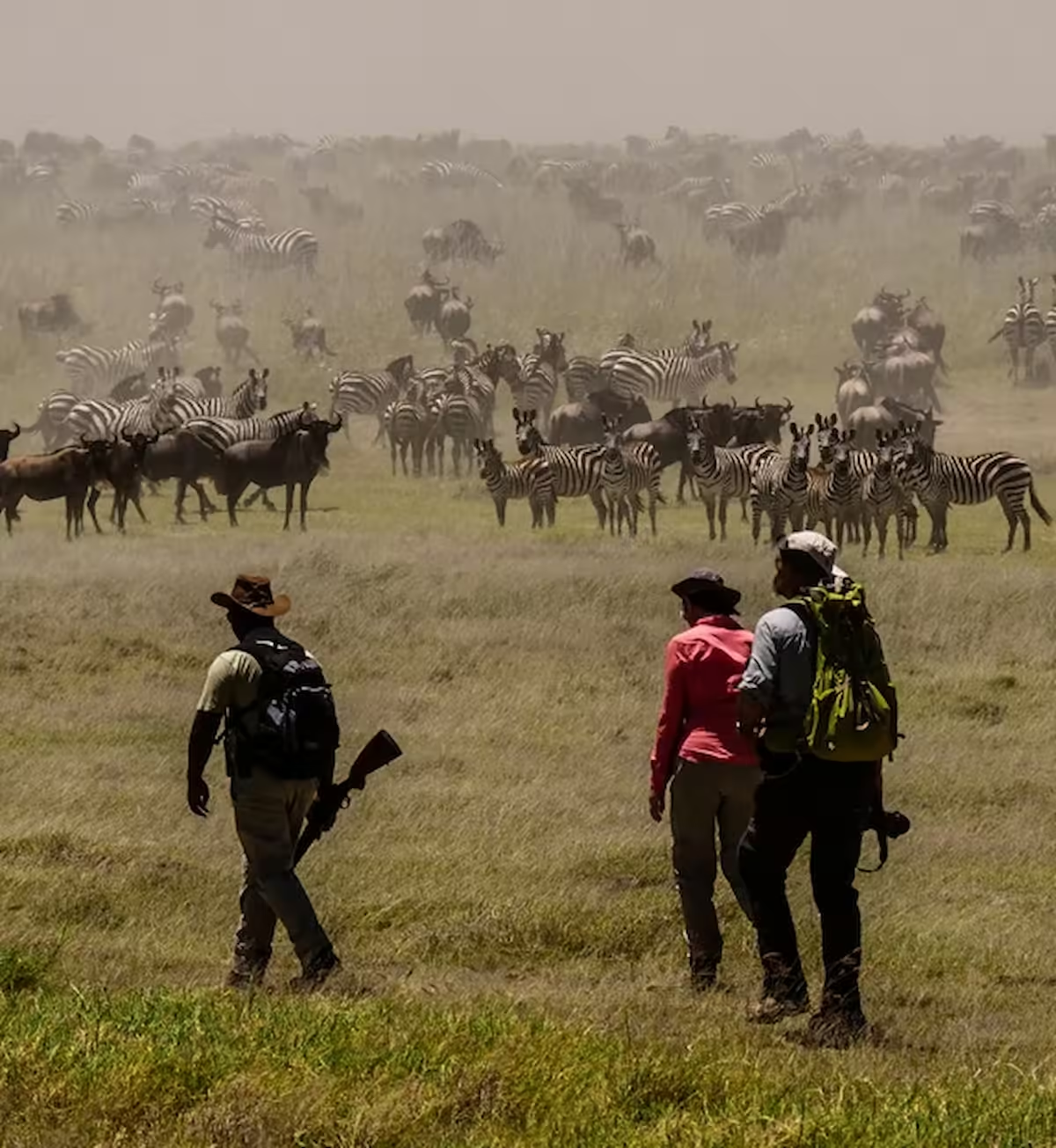
Large gelada troops feeding on open slopes, ibex on the cliff edge and the lammergeyer overhead. Walking safaris →
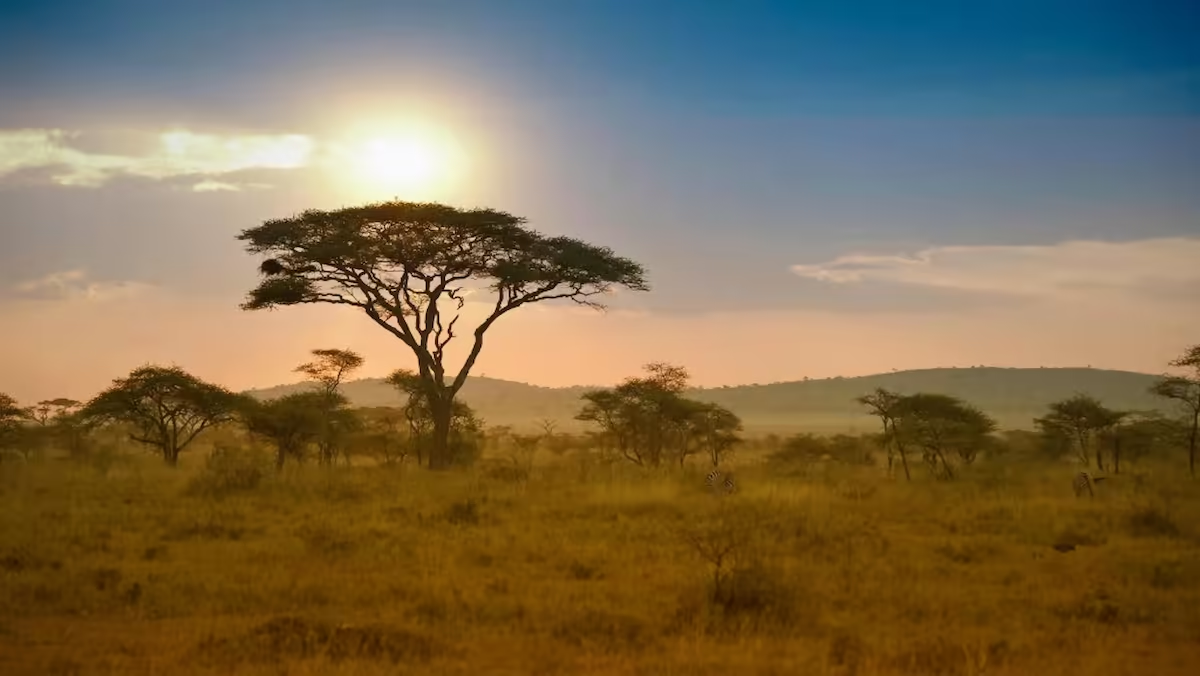
The world's rarest canid on the Sanetti Plateau, with mountain nyala and Bale monkeys nearby. Bale Mountains →
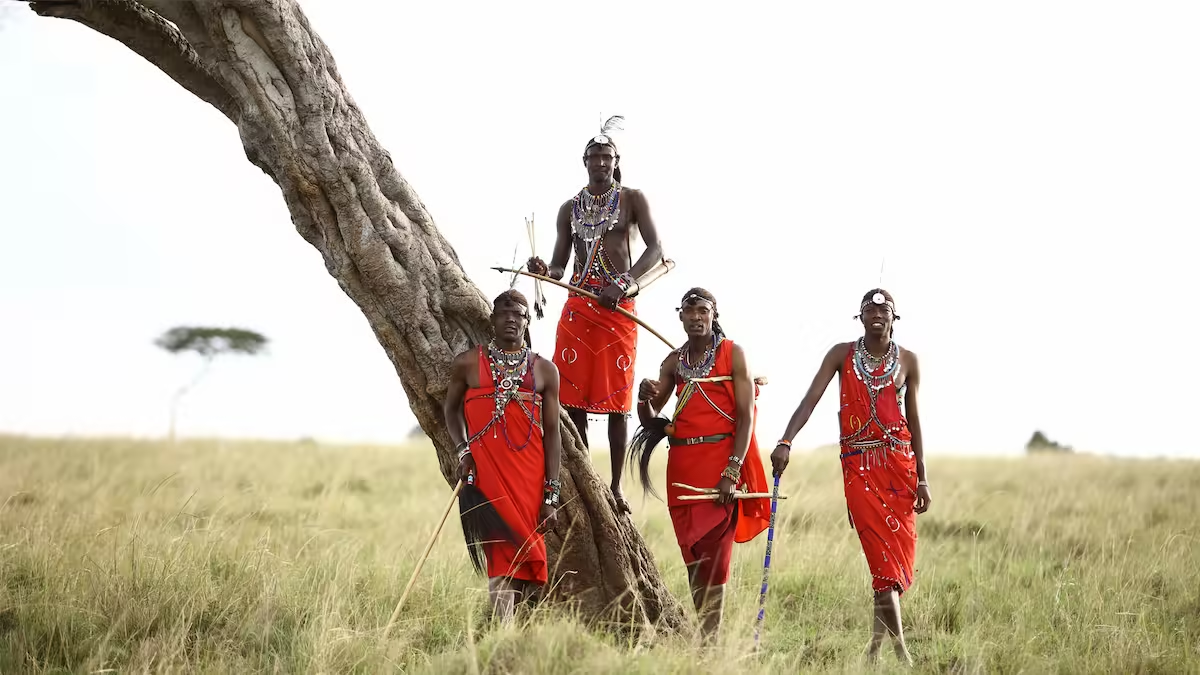
Mursi, Hamar, Dassanech and Karo, travelled with community guides and small groups. Cultural tours →
Three we build most often. Every other duration and route lives on the packages page.
Lalibela's rock-hewn churches, Gondar's castles and three days in the Simien Mountains tracking gelada and searching for Walia ibex.
From $3,550
Lowland game in Omo and Mago with the communities of the Lower Omo, travelled with community guides and small groups.
From $3,200 pp
Awash, the Rift Valley lakes and the southern parks, then the historic north - lowland wildlife and highland history in one route.
From $4,600
Everything on this page, grouped. Jump straight to the part you need.
Eight protected areas worth building a route around, from the Afro-alpine north to the lowland southwest. Most itineraries combine two or three of them.
Sanetti Plateau, Harenna Forest and the largest surviving population of Ethiopian wolves.
Gelada troops, Walia ibex and the deepest escarpments in East Africa.
Rift Valley acacia savannah, volcanic country, waterfalls and beisa oryx.
Remote lowland game close to the South Sudan border, paired with the Lower Omo.
Southern lowland savannah on the edge of South Omo's cultural landscape.
Floodplains, wetlands and the seasonal movement of white-eared kob.
Lake Abaya and Lake Chamo, with zebra, kudu and boat-based wildlife viewing.
Two Rift Valley lakes and one of the country's strongest birding sites.
Alatash, Kafta-Shiraro, Senkele, Maze, Babille and community conservation areas.
The Ethiopian wolf and mountain nyala, in one park. If you only add one highland park to a wildlife route, most travellers choose Bale.
The park covers approximately 2,200 square kilometres and holds several sharply contrasting habitats within a short drive of one another: the Sanetti Plateau, Afro-alpine moorland, Harenna Forest and highland grasslands. That range is what makes a stay here productive rather than lucky.
Bale is home to Ethiopian wolf, mountain nyala, Menelik's bushbuck, Bale monkey and giant mole rat, alongside more than 200 bird species.
The Ethiopian wolf is the park's signature predator, and Bale contains the largest remaining population of the species anywhere. The mountain nyala, another Ethiopian endemic, is one of the country's most distinctive antelopes and is easier to find here than anywhere else.
The Sanetti Plateau is one of the defining landscapes of Bale. At high elevation the terrain opens into Afro-alpine moorland rather than conventional African savannah, and the light and scale take some getting used to. This is the best place in Ethiopia to focus on Ethiopian wolf sightings - the animals cross the open plateau through the early morning, and you can read the ground for tracks.
Descending from the high plateau, the landscape changes into the Harenna Forest, one of the largest intact cloud forests in Africa. It shelters Bale monkey, forest birds, bushbuck, primates and a range of forest-adapted species that never touch the plateau above.
Wildlife viewing, Ethiopian wolf tracking, mountain trekking, horse riding, birdwatching, photography, scenic drives and community experiences all fit into a stay here. Because much of the park lies above 4,000 metres, altitude and fast-changing weather need to be built into the plan - take an acclimatisation day before any long walk, and carry layers even when the morning is clear.
10-Day Ethiopia Tour: North + Omo →
Gelada, Walia ibex and Ethiopian wolf, on some of the most dramatic ground in Africa.
The Simien Mountains are one of Ethiopia's most distinctive wildlife and trekking destinations. The park is recognised for its landscape of jagged peaks, deep valleys and cliffs that drop roughly 1,500 metres, and the biology matters just as much: gelada, Walia ibex, Ethiopian wolf, Anubis baboon, Hamadryas baboon, klipspringer, golden jackal, hyena, leopard and numerous endemic and near-endemic birds.
The Walia ibex is found nowhere else in the world.
Geladas are the animal most visitors come away remembering. Unlike the baboons of lowland safari country they are built for the highlands, feeding on grass rather than fruit and ranging across open slopes in troops that can number in the hundreds. Because they graze in the open, close photography is far more predictable here than with forest primates - which is what makes Simien one of the most rewarding destinations in Africa for it.
The Walia ibex is endemic to the Simien Mountains and among the most geographically restricted mammals in Africa. Sightings are never guaranteed, but the cliffs and high ground above the trekking camps are the right place to search, and an experienced guide will glass the same faces day after day until one moves.
Simien holds Ethiopian wolf habitat too, though Bale remains the better destination for travellers specifically targeting the species. If your route only reaches the north, it is well worth watching the plateau edges around the trailheads.
Simien is fundamentally a walking destination. Routes run through Sankaber, Gich, Imet Gogo, Chennek, Bwahit and up to Ras Dejen, and short walks can be combined with longer multi-day itineraries. Most people come for three days of walking, and most wish they had booked five.
Rift Valley wildlife and volcanic landscapes, three hours east of Addis Ababa.
Awash gives a very different experience from the highland forests of Bale and Simien. The park lies in the Rift Valley and combines acacia savannah, volcanic country, open plains, the Awash River, waterfalls, hot springs and riverine habitat.
Wildlife here includes beisa oryx, Soemmerring's gazelle, greater kudu, olive baboon, Hamadryas baboon and crocodiles, with more than 450 recorded bird species - one of the highest totals of any Ethiopian park.
The Awash River drops through the Awash Falls area and is the park's major landscape feature. The volume swings hard with the season, so the falls are at their most impressive late in the rains and least impressive at the end of the dry months.
Awash works particularly well for travellers moving between Addis Ababa and eastern Ethiopia, and it pairs naturally with Harar, the Rift Valley, Dire Dawa, Afar and Danakil itineraries. As a first stop after a long-haul flight it is far better than heading straight for the highlands: lower altitude, easier driving and a full day of game viewing before the route climbs.
8-Day Ethiopia: Historic North + Simien →
Remote lowland wildlife in southwestern Ethiopia.
Omo occupies a remote corner of southwestern Ethiopia close to the South Sudan border, and its lowland ecosystem is fundamentally different from the Highlands. The park contains savannah, river systems, woodland, lowland wildlife, hot springs and genuine remote wilderness.
Wildlife can include elephants, buffalo, giraffes, antelopes, lions, leopards, hippos, crocodiles and a long list of bird species.
Omo is not a mass-tourism destination. Access is complicated, infrastructure is limited, and travel needs careful local planning with realistic allowances for road conditions. What it does offer is the pairing: lowland game in the park, the communities of the Lower Omo on the same circuit, and very few other vehicles in either place.
Southern lowland savannah on the edge of South Omo.
Mago lies in southern Ethiopia and provides a second lowland savannah environment around the Omo region, covering approximately 2,162 square kilometres. Its wildlife includes elephant, buffalo, giraffe, lion and hartebeest.
Mago is interesting chiefly because of its proximity to the cultural landscapes of South Omo - Jinka is close, and the two make a natural pair. It is remote, with limited tourist infrastructure, so it suits travellers looking for a more adventurous southern route rather than a tightly scheduled luxury trip with short transfers.
Floodplains, wetlands and one of Africa's great wildlife migrations.
Gambella is one of Ethiopia's most unusual wildlife destinations. The landscape is floodplain, grassland, wetland and woodland, and white-eared kob and Nile lechwe are the species that define it.
The park matters for its seasonal wildlife movements and its connection to the larger ecosystems of the Upper Nile region. It covers approximately 5,061 square kilometres, and access and accommodation are limited compared with the better-known north - which makes Gambella a specialist destination rather than a standard first-time stop.
Two lakes, open grassland and one of Ethiopia's easier southern add-ons.
Nech Sar sits between Lake Abaya and Lake Chamo near Arba Minch, combining grasslands, acacia woodland, lakeshore wetlands, hills and ridges.
Wildlife includes Burchell's zebra, Grant's gazelle, greater kudu, bushbuck, Swayne's hartebeest, hippos and crocodiles, and Lake Chamo adds boat-based wildlife viewing that nothing else in the south offers. The area works especially well as part of a southern route connecting Arba Minch, the Rift Valley and the Lower Omo Valley.
10-Day Ethiopia Tour: North + Omo →
The best birding site within easy reach of Addis Ababa.
The park contains two contrasting lakes - Abijatta and Shalla - set among wetlands, open water, acacia woodland and hot springs. Great white pelicans and lesser flamingos use the shoreline in large numbers, and the surrounding habitat supports breeding and feeding for a wide range of species.
At approximately 215 kilometres from Addis Ababa by road it is considerably easier to incorporate than the remote southwestern parks, which makes it the natural choice for introducing a birding-focused itinerary. Most travellers reach it on a Rift Valley day that also takes in the lakes at Langano and Ziway.
The protected-area network runs well beyond the parks in international itineraries.
Elsewhere in the country: Alatash National Park on the Sudanese border, Halele Wildlife Reserve, Kafta-Shiraro National Park in the far northwest, Senkele Wildlife Sanctuary near Hawassa, Maze National Park in the south, Babille Elephant Sanctuary east of Harar, and the Guassa Community Conservation Area north of Addis.
Guassa in particular is worth knowing about - it is one of Ethiopia's oldest documented conservation areas, run with the local community, and it gives an easy couple of days of highland wildlife, gelada viewing and walking within reach of the capital.
Species you simply cannot see anywhere else. This is the real reason to come.
Ethiopia's protected areas hold a cluster of endemics unmatched anywhere in East Africa, and several of them are the entire reason a specialist itinerary exists.
One of the world's rarest canids and endemic to Ethiopia, the Ethiopian wolf hunts rodents in high-altitude grassland and Afro-alpine terrain rather than chasing large prey. The main destinations are Bale Mountains and Simien Mountains, and Bale matters most because it holds the largest remaining population - roughly half of every Ethiopian wolf alive is in Bale.
An endemic primate of high-altitude grassland and escarpment, found in large troops that feed in open terrain. Because they graze in the open rather than foraging in canopy, a gelada-focused day is far more predictable than searching for forest primates in dense vegetation - which makes the Simien one of the most reliably rewarding primate destinations in Africa.
Among the most geographically restricted mammals in Africa, occurring only in the Simien Mountains. Its preference for steep rocky ground makes the Simien cliffs the principal place to search, and the combination of ibex, gelada and the escarpment itself is what gives a Simien trek its character.
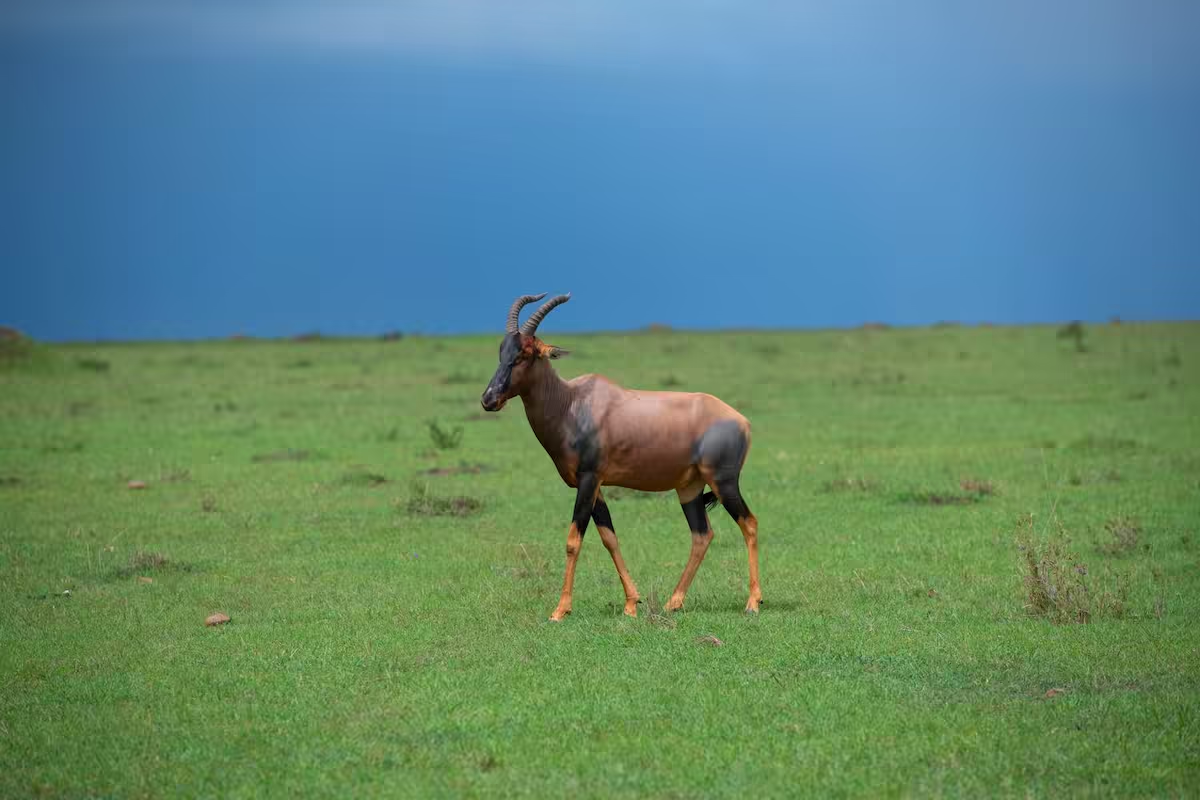
An endemic antelope strongly associated with the Ethiopian highlands, with Bale Mountains as one of its principal strongholds. Its presence is a large part of what makes Bale valuable to specialist wildlife travellers, and it is generally easier to find there than anywhere else.
Another Ethiopian endemic, tied to the Bale highlands and their forest ecosystem. It can be encountered around Harenna Forest and the habitats adjoining it, which makes Bale particularly attractive to travellers interested in primates beyond the better-known gorillas and chimpanzees of central and eastern Africa.
A highland antelope of montane forest and woodland, occurring in Bale and other Ethiopian highland habitats. It is a good illustration of why Ethiopia's wildlife value does not fit a conventional Big Five checklist.
Four of the five occur. Rhino does not - and that is worth knowing before you book.
Ethiopia can offer encounters with several traditional Big Five species: lion, leopard, elephant and buffalo. Rhino is not a conventional safari target here.
The distinction matters. A traveller searching for an "Ethiopia Big Five safari" should understand that Ethiopia's strongest wildlife proposition is its endemic highland species rather than an attempt to replicate the classic Big Five experience of the Maasai Mara, the Serengeti or Kruger. Lions and elephants do occur, principally in Awash, Omo, Mago and Gambella, but they are not what the country is best at.
For Ethiopia, a more representative itinerary prioritises Ethiopian wolf, gelada, Walia ibex, mountain nyala and Rift Valley wildlife - rather than measuring the trip solely by Big Five sightings.
Four distinct safari regions, and almost no overlap between them.
Best for the Simien Mountains, gelada, Walia ibex, Ethiopian wolf, highland trekking, birdwatching and historic sites. This is the region most first-time visitors should start with, because it carries both the wildlife and the history in one loop out of Addis Ababa.
Best for Awash, Rift Valley landscapes, beisa oryx, kudu, birding and Harar combinations. Lower, hotter and considerably quieter than the north, with a different set of species and an easy connection onward to the Danakil.
Best for Nech Sar, Omo, Mago, the Rift Valley lakes, lowland wildlife and cultural experiences. Road distances are longer here, but the south is where lowland game and the communities of the Lower Omo sit on the same route.
Best for the Bale Mountains, Ethiopian wolf, mountain nyala, Bale monkey, high-altitude trekking and the Harenna Forest. Often combined north-to-south with the Simien for a highlands itinerary that covers both of Ethiopia's great mountain ecosystems.
Around 900 species, high endemism, and habitat stacked from 500 metres to over 4,000.
Ethiopia is one of Africa's important birding destinations, and its geographical position and high level of endemism are the reasons. Birding habitats run through Afro-alpine moorlands, highland forests, Rift Valley lakes, savannah, wetlands and lowland woodland.
Important sites include the Simien Mountains, Bale Mountains, Abijatta-Shalla, Awash, the Lake Langano area, the wider Rift Valley lakes, Omo and Gambella. Species of interest include Ethiopian endemic birds, lammergeyer, wattled ibis, Rouget's rail, blue-winged goose, thick-billed raven, Prince Ruspoli's turaco, various raptors, pelicans and flamingos. The Simien Mountains alone hold a checklist of around 180 species.
The lammergeyer, or bearded vulture, is the spectacular one - a huge wingspan, a cliff-associated feeding behaviour, and one of the defining sights of the Ethiopian Highlands. The Simien provides the strongest opportunities for observing it.
What you actually spend your days doing - and most of it happens on foot.
Ethiopia's safari product is unusual because trekking can matter as much as wildlife viewing. Several of the strongest experiences are walking experiences rather than vehicle-based safaris.
Game drives in Awash, Omo, Mago and Nech Sar cover the lowland species - beisa oryx, kudu, zebra, buffalo, elephant, lion and giraffe - while the highland parks reward slow, patient scanning on foot and from the roadside.
The Simien and Bale Mountains are the core of it, with community conservation areas such as Guassa, Abune Yoseph and Adaba-Dodola offering shorter walks that combine scenery, wildlife and local livelihoods.
The Lower Omo Valley, Konso and the highland communities around them form a cultural circuit in their own right, and the best versions are community-led with informed local guides.
With habitats ranging from Afro-alpine moorland to Rift Valley wetlands, Ethiopia supports both a serious birding itinerary and a photography route that allows longer stays in fewer places.
Three walking bases, three completely different landscapes.
Routes include Sankaber, Gich, Imet Gogo, Chennek, Bwahit and Ras Dejen. Short walks combine easily with longer multi-day itineraries, and the wildlife - gelada, ibex, lammergeyer - travels with you the whole way.
The Sanetti Plateau, Harenna Forest, highland moorlands and mountain terrain, with wildlife tracking built in. Because parts of the park lie above 4,000 metres, altitude and rapidly changing weather need to be part of the plan rather than an afterthought.
Guassa, Abune Yoseph and Adaba-Dodola are community conservation areas where trekking combines scenery, wildlife and local livelihoods. They are shorter, lower-commitment options and a good way to add a walking day to an itinerary that already has a lot of road in it.
Culture is not an add-on in Ethiopia. It is half the reason the country works.
The south combines wildlife with the cultural landscapes of the Lower Omo Valley, Konso and the communities around them. A northern route does the same with the historic highlands, where churches, castles and monasteries sit within a day's drive of the Simien trailheads.
The Lower Omo is one of the most culturally distinctive regions in Africa. Numerous indigenous communities live here with different languages, traditions and livelihoods, and the ones most often encountered on tourism routes are the Mursi, Hamar, Dassanech, Karo and Konso.
The Omo River runs through the landscape and supports both communities and wildlife, and Jinka is the important gateway for trips into South Omo. A responsible itinerary prioritises community-led experiences and informed local guides rather than treating communities as scenery.
Cultural tours → 7-Day Omo Valley Cultural Expedition →
Rock-hewn churches, castles and Aksum - the only place where a trekking route and a UNESCO circuit make sense together.
Lalibela's rock-hewn churches are among Ethiopia's most important cultural attractions. The complex holds eleven churches and two chapels carved down into the rock, and it remains an active religious site rather than a monument - worship continues through the night before major feasts. Most travellers combine it as Simien Mountains, Gondar and Lalibela in one northern loop.
Gondar provides the natural gateway to the Simien, with trailheads a few hours north at Debark, and adds the Royal Enclosure and its castles to the same few days.
Aksum adds archaeological and historical depth further north - obelisks, royal tombs and the origins of the Ethiopian Orthodox tradition. It extends the northern circuit by a day or two and rewards travellers who want the history to be more than a backdrop.
Harar adds a completely different urban and cultural experience in the east - a walled old town, the jugle house, and hyena feeding outside the walls at night. It pairs naturally with Awash and the Rift Valley rather than with the northern highlands.
8-Day Ethiopia: Historic North + Simien →
Six routes we build most often, from a short Simien walking trip to a full circuit.
Day 1 Addis Ababa → Gondar. Day 2 Gondar → Debark → Simien Mountains. Day 3 Simien trekking and wildlife viewing. Day 4 Simien → Gondar. Day 5 Gondar → Addis Ababa.
Focus: gelada, highland landscapes, Walia ibex search, birding, trekking. The shortest realistic Simien trip - the walking days do the work, not the driving.
Day 1 Addis Ababa → Dinsho. Day 2 Bale Mountains. Day 3 Sanetti Plateau. Day 4 Ethiopian wolf tracking. Day 5 Harenna Forest. Day 6 Bale → Rift Valley. Day 7 Rift Valley → Addis Ababa.
Focus: Ethiopian wolf, mountain nyala, Bale monkey, Afro-alpine landscapes, forest wildlife. The best single-park wildlife itinerary in the country.
Day 1 Addis Ababa → Gondar. Day 2 Gondar → Simien. Day 3 Simien Mountains. Day 4 Simien wildlife and trekking. Day 5 Simien → Gondar. Day 6 Gondar → Lalibela. Day 7 Lalibela. Day 8 Lalibela → Addis Ababa.
Focus: wildlife, trekking, highland landscapes, Ethiopian history, rock-hewn churches.
Day 1 Addis Ababa. Day 2 Addis Ababa → Awash. Day 3 Awash wildlife viewing. Day 4 Awash → Rift Valley. Day 5 Rift Valley lakes. Day 6 Arba Minch and Nech Sar. Day 7 Nech Sar and Lake Chamo. Day 8 Arba Minch → Konso. Day 9 Konso → Jinka. Day 10 Lower Omo Valley.
Focus: lowland wildlife, Rift Valley lakes, southern cultures. Best suited to travellers combining wildlife, landscapes and southern Ethiopian culture.
Day 1 Addis Ababa. Day 2 Addis Ababa → Bale. Day 3 Bale Mountains. Day 4 Sanetti Plateau. Day 5 Harenna Forest. Day 6 Bale → Rift Valley. Day 7 Rift Valley → Addis Ababa. Day 8 Addis Ababa → Gondar. Day 9 Gondar → Simien. Day 10 Simien wildlife and trekking. Day 11 Simien → Gondar. Day 12 Gondar → Addis Ababa.
Focus: Ethiopia's two great highland wildlife regions in one trip - Bale for the wolf, Simien for the gelada and the escarpment.
Addis Ababa → Awash → Rift Valley → Arba Minch → Konso → Lower Omo → Omo and Mago → Bale Mountains → Addis Ababa.
This route needs careful logistical planning, because southern Ethiopia involves significantly longer road journeys than the northern historic circuit. It is the right choice only when you have the days to spend rather than the ambition to cover ground.
All Ethiopia safari packages →
No single best month. Highland, lowland and southern regions behave differently.
A particularly useful period for many travellers. The rains have generally eased, landscapes stay green and visibility improves. It also overlaps with major cultural events - Meskel in late September and Timkat in January - which matter if the cultural side of the trip is as important as the wildlife.
The late dry season works well for wildlife and trekking, although landscapes progressively dry out and the hillsides lose the colour they had in November.
The main rainy season affects much of the northern and central highlands, and rain can make trekking and road journeys considerably harder. The trade-off is that the landscape becomes extremely green and atmospheric, and visitor numbers drop sharply. For photographers who do not mind wet boots, this is the best-kept secret of the Ethiopian calendar.
Bale and Simien can be visited throughout the year. Road and trail conditions are the consideration during wetter periods rather than the animals themselves, which are resident year-round.
November to March is particularly productive, because resident species are joined by Palearctic migrants wintering in the Rift Valley wetlands.
The period after the rains gives especially green landscapes and clearer conditions. Late September through December is a particularly scenic window for hiking, and the broader season from mid-October to January is generally favourable for northern Ethiopia.
Best time for an African safari →
Prices vary more here than anywhere else in East Africa, because there is no standardised safari model.
Cost depends on the number of days, transport, domestic flights, accommodation, park fees, guide, trekking requirements, camping, cultural activities, group size, season and the logistics of reaching remote regions.
Simple hotels, local transport, basic camping and fewer private services. Workable for the northern circuit, where infrastructure supports it, and much harder in the south and southwest.
Comfortable hotels, a private 4x4, local guides, selected domestic flights, lodges and private cultural experiences. This is where most of our Ethiopia departures sit.
Premium hotels, luxury lodges, private guides, charter flights where available, exclusive cultural experiences and private trekking support.
A remote safari through Omo, Mago or Gambella can require additional logistics, specialised vehicles, guides and supplies. A lower accommodation price does not necessarily mean a lower overall safari cost - the road days and the permit work dominate the budget in the far regions.
Three different ways of travelling the same country - and only one of them is about tented camps.
Luxury in Ethiopia is different from luxury in Kenya or Tanzania. Rather than large luxury tented camps, a high-end journey combines boutique hotels, historic properties, high-end lodges, private vehicles, domestic flights, private guides, premium trekking support and carefully selected cultural experiences.
A luxury route might run Addis Ababa, Bale, Simien and Lalibela rather than moving between game lodges. The comfort comes from the properties, the private guiding and the flights - not from the density of wildlife outside the door.
Ethiopia works for families, but the itinerary should match the children's ages. The most suitable experiences are short wildlife drives, gelada viewing, Rift Valley lakes, cultural experiences, Lalibela, Gondar and easy hikes. Long high-altitude trekking and remote Omo routes need considerably more thought.
Families should also factor in road travel, altitude, accommodation availability, walking requirements, food preferences, medical access and weather.
A honeymoon here is built around scenery, culture, trekking and wildlife rather than a conventional lodge safari. A possible route: Addis Ababa, Bale Mountains, Lalibela, Simien - with highland landscapes, private guided walks, Ethiopian cuisine, historic sites, wildlife photography, luxury accommodation and scenic mountain stays.
Luxury safaris → Family safaris → Honeymoon safaris →
The subjects are not limited to large mammals, and that is exactly the point.
Gelada, Ethiopian wolf, Walia ibex, mountain nyala, Bale monkey, birds of prey and Rift Valley wildlife - a set of subjects that no other East African destination offers in one trip.
Simien escarpments, the Sanetti Plateau, Harenna Forest, Rift Valley lakes, Awash Falls, the Omo Valley and the wider Ethiopian Highlands.
Traditional architecture, markets, religious ceremonies, highland communities and the cultures of southern Ethiopia. Approach it respectfully - ask permission before photographing individuals, and work through a local guide.
A photography-focused itinerary should allow longer stays rather than changing location every day. Three nights in the Simien gives you four mornings of light; one night gives you none.
Photographic safaris → Safari photography guide →
Domestic flights save days. A 4x4 is not optional in the parks. Walking covers the rest.
Domestic flights can dramatically reduce travel time between distant regions, and they are particularly useful when connecting Addis Ababa, Gondar, Lalibela, Arba Minch, Jinka and Dire Dawa. On a two-week itinerary the flights are usually what makes the southern parks reachable at all.
Road travel is essential for many national parks, and a 4x4 matters most in Bale, Simien, Omo, Mago and the remote Rift Valley areas. Distances are deceptive: a 200-kilometre transfer in the south can take most of a day.
Walking becomes the primary transport method on many trekking routes - particularly in Simien, Bale and the community conservation areas.
Five entry points, each feeding a different part of the country.
The principal international gateway and the starting point for almost every Ethiopia itinerary. It connects northern, southern, eastern and southeastern routes, and most domestic flights depart from here. Plan one night on arrival before heading for the highlands - both for the flight and for the altitude.
The key gateway to the Simien Mountains, with Debark as the park entry a few hours further north, and it doubles as the historic-north base for the Royal Enclosure.
The important southern base for Nech Sar, Lake Chamo and Lake Abaya, and the natural jumping-off point for Konso and the Omo routes.
The gateway for the Lower Omo Valley, and where most southern itineraries stage themselves before heading into South Omo.
Useful for Harar, eastern Ethiopia and Awash combinations, with its own airport and a much easier approach to the east than driving from Addis.
Wide variation by region - and it is worth being clear about that before you book.
A full range of international hotels, business hotels and boutique properties, at a standard that comfortably matches any East African capital.
Hotels, mountain lodges, eco-lodges and trekking camps around Gondar, Lalibela and the Simien trailheads. The Simien camps are simple - expect a mattress in a hut or tent rather than a lodge.
Community lodges, guesthouses and campsites, with basic but perfectly workable standards at Dinsho and on the plateau.
Facilities here are much more limited. Travellers may need basic lodges, camping or self-contained safari arrangements, and this difference should be clear when itineraries are being costed.
Several protected areas overlap with communities whose livelihoods are tied to the land - so how you travel matters here more than usual.
Use locally employed guides and community-run accommodation where appropriate. Community conservation areas such as Guassa, Abune Yoseph and Adaba-Dodola exist because the value of visiting flows back to the people who live there.
Cultural photography should be approached respectfully, and permission should be asked before photographing individuals. Work through a community guide rather than arriving unannounced with a camera.
Do not chase wildlife or disturb animals for photographs. On the plateau this matters most with gelada - large troops habituate quickly, but only to people who stay still and let them move.
Highland ground recovers slowly above 3,500 metres. Avoid leaving waste and remain on established routes, both on the trekking trails and on the plateau.
Choosing local conservation-linked tourism services helps generate economic value from protected landscapes, and community partnership and sustainable livelihoods are central to how the Simien is managed.
The altitude swing is the part most itineraries underestimate.
An Ethiopia itinerary can involve significant changes in elevation. A route running Addis Ababa, Rift Valley, Bale Mountains and Simien moves travellers through substantially different heights in a single week, and the body needs time to adjust at each stage.
Travellers planning high-altitude trekking should discuss altitude-related considerations with an appropriate medical professional before departure. The health requirements of a Bale or Simien trek are not the same as those of a lowland Omo itinerary.
Preparation worth covering: travel insurance, vaccinations, malaria advice for the relevant lowland areas, personal medication, sun protection and hydration. Above 4,000 metres, cold, wind and intense sun all arrive on the same day, so a warm layer and sunscreen travel together.
An official electronic visa system, with 30-day and 90-day single-entry options.
Ethiopia operates an official electronic visa system. Tourist eVisas are issued as single-entry visas, and the published options cover stays of 30 days and 90 days.
The current published requirements are a passport valid for at least six months from the intended date of entry, a recent passport photograph and a copy of the passport. The listed fees are US$62 for a 30-day single-entry tourist visa and US$152 for a 90-day single-entry tourist visa.
Visa requirements and fees change. Check the official Ethiopian eVisa system before booking, and apply through the official service rather than third-party sites.
Two lists in one: what you need for the lowland parks, and what you need above 4,000 metres.
Lightweight trousers, long-sleeved shirts, comfortable walking shoes, a hat, sunglasses, sunscreen, binoculars, a camera, spare batteries, a power bank and a reusable water bottle. Neutral colours for the park days.
Add a warm fleece, an insulated jacket, a waterproof jacket, hiking boots, warm socks, gloves, a hat and a thermal layer. High-altitude Ethiopia can be cold even when Addis Ababa or the Rift Valley is warm, and the plateau temperature drops sharply when cloud comes in.
Lightweight clothing, sun protection, insect repellent, comfortable walking shoes and a reusable water bottle. Roads are dusty and the days are long.
Wildlife: binoculars, camera, telephoto lens, extra memory cards, spare batteries, power bank.
Trekking: hiking boots, waterproof jacket, warm layers, small backpack, walking poles.
General: passport, visa documentation, travel insurance, personal medication, sunscreen, insect repellent, sunglasses, hat, reusable bottle.
Pick by interest first, then by how much time you actually have.
If this is your first trip, avoid trying to cover the entire country.
Choose Simien for gelada, Walia ibex, dramatic cliffs, highland trekking, lammergeyer and the northern history that surrounds it. Choose Bale for Ethiopian wolf, mountain nyala, Bale monkey, the Sanetti Plateau, Harenna Forest and southeastern highland wildlife.
If you have enough time, combine both - you get two different highland ecosystems and a broader selection of Ethiopia's endemic mammals. On a shorter trip, Bale is the better specialist wildlife choice and Simien the better walking one.
Choose northern Ethiopia for wildlife, trekking, history, churches, mountains and highland scenery. Choose the Omo for cultural travel, lowland wildlife, remote travel, indigenous communities and southern landscapes.
They are fundamentally different travel products and should not be treated as interchangeable safari destinations. Splitting a short trip between the two usually means neither gets the time it deserves.
Family safari guide → First safari guide →
All Ethiopia safari packages → Or send us your dates
The three above are a shortlist. The rest of the collection - the shorter northern trips, the longer highland routes and the full nature and culture circuits - sits below.
From $5,400 pp
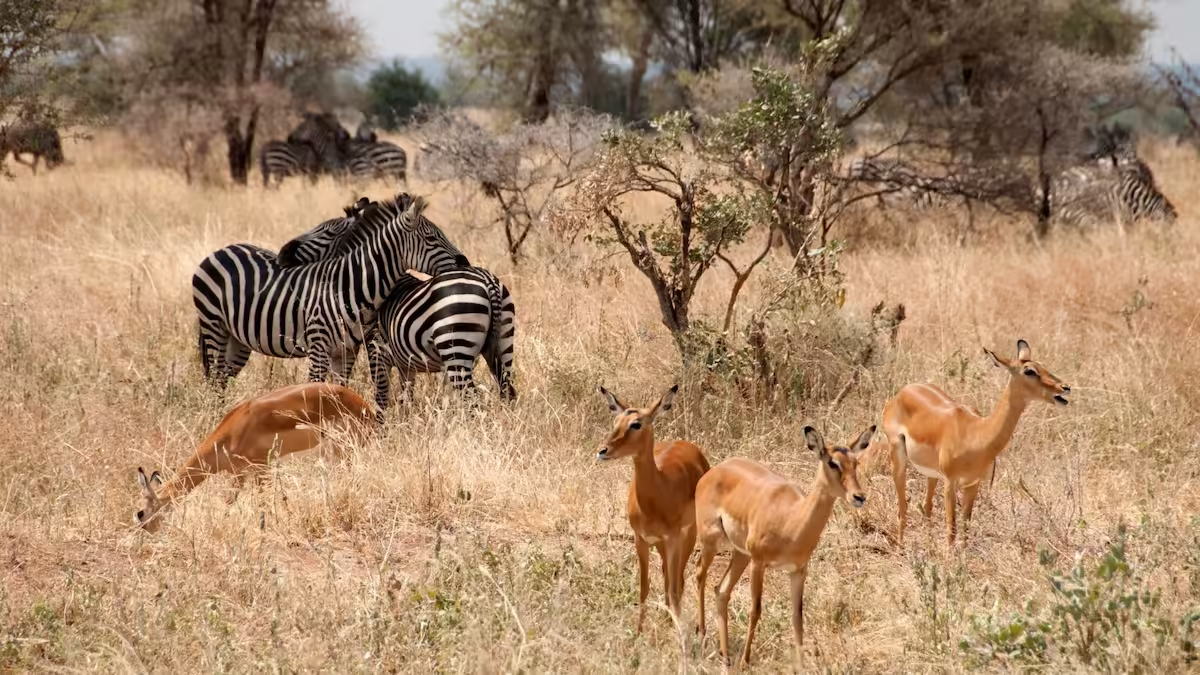
Rock churches and castles - the historic crash course.
From $2,300
Yes, but it offers a different type of safari from Kenya or Tanzania. The strongest wildlife experiences focus on endemic highland species, specialist wildlife, birding, trekking and the combination of wildlife with culture.
Depending on the region you can encounter Ethiopian wolves, geladas, Walia ibex, mountain nyala, Bale monkeys, lions, leopards, elephants, buffaloes, antelopes, hippos, crocodiles and a very long list of bird species.
The main destinations are the Bale Mountains and the Simien Mountains. Bale matters most because it contains the largest remaining population of the species.
The Simien Mountains are one of the principal destinations, where large troops graze on open highland slopes and can be approached on foot without disturbing them.
The Walia ibex is endemic to the Simien Mountains. Sightings are never guaranteed, but the cliffs above the main trekking routes are the right place to search.
Bale Mountains National Park is one of the principal destinations for mountain nyala, and the easiest place to look for them.
Ethiopia has several Big Five species, but it is not best understood as a conventional Big Five destination. Its distinctive value comes from endemic species and highland ecosystems rather than dense predator sightings.
Yes. Lions occur in several lowland protected areas, including southern and eastern ecosystems, although Ethiopia's most distinctive wildlife experiences are its endemic highland species.
Yes. Elephants occur in several lowland protected areas, including Omo, Mago and Gambella.
Yes. Ethiopia has a high level of bird diversity and endemism, with important birding areas ranging from the Rift Valley wetlands to the Simien and Bale highlands. Around 900 species are recorded nationally.
Yes. Ethiopia provides wildlife, high-altitude landscapes, dramatic escarpments, birds, cultural architecture and diverse human landscapes - and the subjects are not limited to large mammals.
Yes. Simien and Bale are particularly well suited to combining wildlife viewing with trekking, and the two together give you Ethiopia's two great highland ecosystems.
Practical shape: fly Addis Ababa to Lalibela or Gondar, drive into Simien for two to three nights of camping trek, then Bale for the Sanetti plateau and the endemic gelada ray. The two highland parks do not connect directly - budget a transit day through Addis, and keep the altitude ladder (2,400m to 4,500m) gradual.
Yes. Northern Ethiopia is particularly suitable for combining the Simien Mountains with Gondar, Lalibela and the other historic destinations - it is one of the most natural combinations in the country.
Yes. Omo and Mago provide opportunities for lowland wildlife, while the surrounding South Omo region is known for its cultural diversity. The two make a natural pairing on a southern itinerary.
A focused wildlife trip works in approximately 5-7 days, while combining wildlife, trekking and history usually takes 10-14 days or more. Domestic flights make a real difference on shorter trips.
The best period depends on the region and the activity. Mid-October to January is generally favourable for northern Ethiopia, while November to March is particularly useful for birdwatching as Palearctic migrants arrive.
Yes, but families should choose routes carefully. Shorter wildlife drives, cultural or historical experiences and easy hikes are more practical than demanding high-altitude trekking, and road travel needs to be factored in.
Yes, although luxury in Ethiopia differs from luxury safari in Kenya or Tanzania. It usually combines premium hotels and lodges, private guides, flights, trekking support and carefully selected cultural experiences.
The cost varies significantly. Remote wildlife areas such as Omo and Gambella require more logistical support, while the northern historic circuit is easier to organize and generally costs less per day.
Compared with Kenya or Tanzania, Ethiopia's park fees are low (Simien entry around US$10 per day against Serengeti's US$70-plus), and the northern circuit works at classic lodge prices. What lifts the total is logistics: Omo and Gambella rely on charter flights of US$200-500 per sector and mobile camps, so remoteness, not luxury, sets the daily rate.
Visa requirements depend on nationality. Ethiopia's official eVisa system handles tourist visa applications, with 30-day and 90-day single-entry options published. Check it before booking, and apply through the official service.
Ethiopia has issued eVisas through its official platform since 2017, and every nationality can apply, but the eVisa only works for entry through Addis Abeba Bole International Airport - land borders require a visa from an embassy beforehand. The EU, United States, United Kingdom, Canada, Australia and most African passports can also take a three-month visa on arrival at Bole, Kenyans travel visa-free for a year, and airside transit under 12 hours needs no visa at all. Six months of passport validity is the baseline.
Follow local travel advice, use reputable operators, stay attentive during road travel and follow park rules inside protected areas. Conditions vary between regions and change, so check current advice for the specific areas on your route before you travel.
Moderate fitness is enough for most routes, but altitude changes the picture - days above 4,000 metres feel harder than the distance suggests. Treks are typically 4 to 6 hours daily, with mules carrying gear and an acclimatisation day built in for most travellers.
The variable is altitude more than legs: sleep heights of 3,200-3,600m with days touching 4,500m mean headaches are common even for fit travellers, and the acclimatisation day is not optional. Mules carry duffels but you carry a daypack. Book highland lodge or camp nights in advance - Ethiopia's altitude beds are limited in dry season.
Lightweight neutral clothing, a hat, sunglasses, sunscreen, binoculars and a camera for the lowland parks. For Simien and Bale add a warm fleece, insulated and waterproof jackets, hiking boots, gloves and a thermal layer - it can be cold at altitude even when Addis Ababa is warm.
Yes, and the pairing works well: Ethiopia's highland endemics and trekking alongside the Masai Mara, Serengeti or Ngorongoro. Plan it as one trip so the flights and connections make sense rather than treating them as two separate holidays.
Fly when a transfer would otherwise eat a full day - Addis to Gondar or Lalibela is the clearest case, and domestic flights are what make the southern parks reachable on a two-week itinerary. Drive in the parks, where the road day is part of the point. Most strong itineraries do a bit of both.
Tell us your travel dates, how many of you are travelling and which experiences matter most - gelada, Ethiopian wolves, Walia ibex, the Omo Valley, trekking, birding or a combination. A specialist replies within 24 hours.