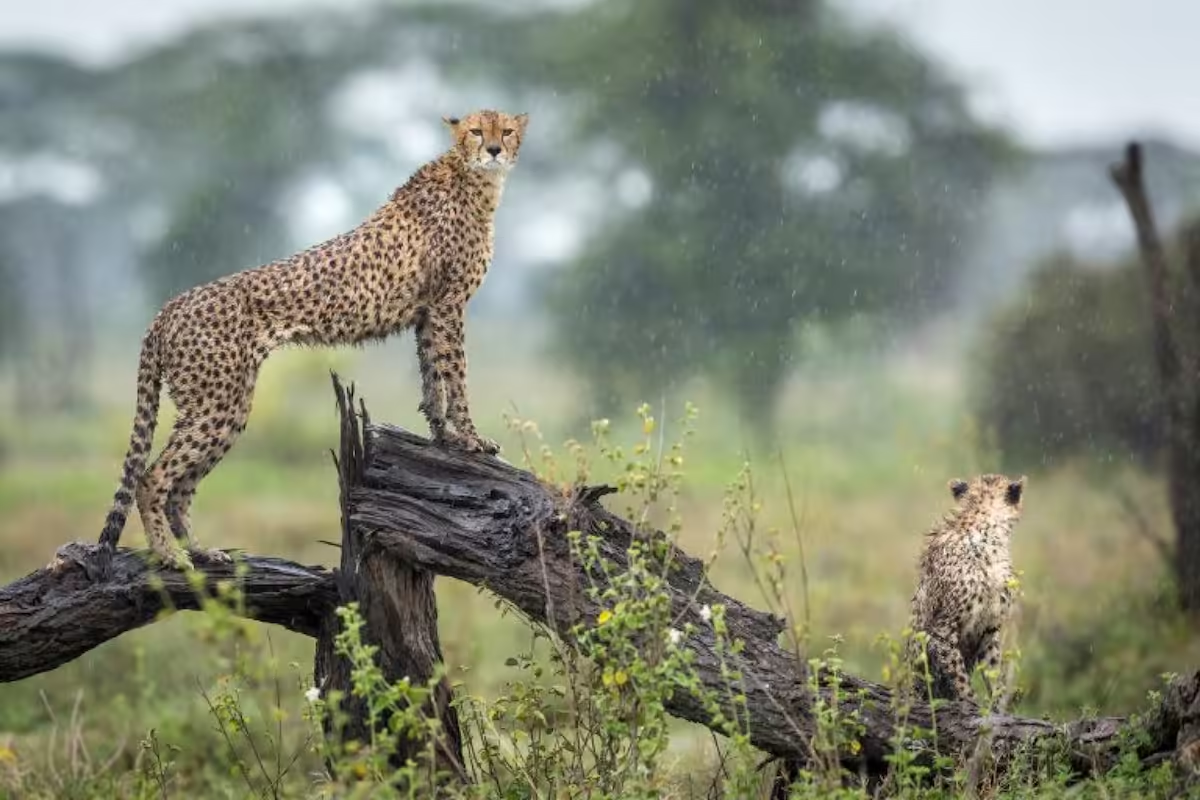
5-Day Tanzania Wildlife Photography Safari
Arusha → Tarangire → Ngorongoro → Serengeti
Focused on elephants, predators, landscapes and classic northern Tanzania wildlife.

Activity guide
A safari built around light, position and time at the sighting: private vehicles, low angles, specialist hides and unhurried mornings, timed for golden hour instead of the next stop.
How a photography safari differs from a normal one, and what changes in the plan. See the difference →
Why drives start before sunrise, and what a hide does that a vehicle cannot. Read the approach →
The countries, the seasons and which subjects each one is strongest for. Compare destinations →
What adds to the price, how many days to book and which itineraries fit. Break down the cost →
A photographic safari is a wildlife safari planned around photography rather than around the number of species seen in a day.
A normal safari may cover a large area and move on. A photography-focused plan trades that movement for time: longer at a single sighting, careful vehicle positioning, and a schedule built around the hours when the light is actually usable.
In practice that means:
The full method, country by country and subject by subject, sits in the Africa photographic safaris guide.
Light is the single largest variable in safari photography, and it changes the shape of the day more than the game-viewing plan does.
Morning brings warm tones, long shadows, mist and active predators, which is why photography drives usually leave in the dark. Midday is quieter and better suited to birds in flight, close portraits and shooting from shade. Late afternoon returns warm backlighting, silhouettes, dust and dramatic skies.
A low viewpoint does the rest: it places the animal against open sky, clean grassland or water instead of against the ground behind it. Hides provide that angle at eye level, often beside a water source, where a vehicle cannot follow.
Hides are property- and destination-specific, so they should be confirmed rather than assumed. The mechanics of light, positioning and vehicle setup are covered in detail in the photographic safaris guide.

The right country depends on the subject you want to come home with.
Each country also has its own vehicle rules, hide availability and seasonal windows, all of them set out in the Africa photographic safaris guide.
Different species ask for different setups, and a few of them reward patience more than distance.
Lions stay still for long periods, so the vehicle can be positioned for the light instead of the sighting. Leopards and cheetahs need a guide who knows the territory, because the difference is made before the animal is in the open. Elephants give portraits and environmental frames in the same morning, and wild dogs produce the fastest action on the plains.
Bird photography fits almost any itinerary and is often where a hide earns its place. The migration adds scale: newborn wildebeest in the calving season, riverine and open-plains frames in the west, and Mara River crossings in the north, none of which can be scheduled to the hour.
There is no single best season, because the answer changes with the subject.
Dry-season conditions concentrate wildlife around water and give clearer visibility, thinner vegetation and dusty backlighting. The green season brings lush vegetation, dramatic clouds, newborn animals, migratory birds and fewer vehicles in some parks. Calving season favours newborn animals and predator action, while migration season is built around wildebeest, zebras and crossings.
Matching subject to season is the first thing to fix when the itinerary is being designed.
Photography safaris usually cost more than the equivalent conventional trip, for specific and avoidable reasons.
The elements that move the price are a private vehicle, a specialist guide, extra days, photographic camps, hide fees, private concessions and lower vehicle occupancy. A more expensive lodge does not automatically produce better photographs, so the usual advice is to spend on time in the right habitat, a private vehicle and a guide who photographs, rather than on the room.
Three or four days can produce good images if the trip stays in one region, but photography rewards repetition more than any other safari style.
The practical options are:
Extra days also remove the pressure to photograph everything during a single drive, which is when the useful shots usually get missed.
A workable setup is a camera body with a backup, a telephoto lens and a small number of accessories that are actually used in the field.
Dust enters when lenses are changed and when windows are open on gravel roads, so cleaning should be planned for camp rather than in the field. Practical field notes sit in the photography travel guide.
Photography safaris suit beginners as much as professionals, and expensive equipment is not the difference between a good trip and a poor one.
Beginners improve quickly when they arrive knowing shutter speed, aperture, ISO, autofocus modes, exposure compensation and basic composition. After that the guide does most of the work: reading where an animal will move, where the background is clean, when to wait and when to reposition.
Serious enthusiasts and working photographers usually want the private vehicle, the fixed schedule and a guide who photographs. Families and small groups travel well on the same itinerary as long as expectations about departure times are settled before the trip.
The animal comes before the frame, and the rules that protect it are not negotiable.
A guide who declines a position is protecting both the sighting and your access to it on the following morning.
The questions worth asking before booking are practical rather than inspirational.
Ask how many travelers share the vehicle, whether the guide has photography experience, whether you can stay longer at sightings, whether hides and beanbags are provided, how much equipment space exists, and whether the schedule can be built around sunrise and sunset.
Also ask about local rules on off-road driving, typical hours on game drives, whether long transfers can be cut, whether the itinerary can adapt to one species, and what happens if weather changes the plan. Request a proposal with your subjects and dates and the answers come back with the itinerary, or book a consultation to talk it through first.
A photography itinerary works as a standalone trip or as the wildlife half of a longer journey.
Common combinations are:
Where a trip mixes subjects, the photography days are usually placed at the start, when the light and the schedule are most predictable, and the slower segments afterwards.
A wildlife itinerary can continue to the coast, and the subject changes completely.
What each stage offers:
Finishing on the Indian Ocean gives a broader collection of images than a wildlife-only trip, and it also gives the hard drives a day to catch up. Combinations are set out on the safari and Zanzibar page.
A private vehicle is the upgrade that changes a photography trip more than any other single choice.
On a shared vehicle the schedule has to work for everyone: one traveler wants to leave a leopard sighting while another wants an hour more, and the compromise is usually to move on. With a private vehicle the only schedule is your own.
What a private vehicle gives you:
Both formats work, and the difference is control versus cost.
A private photography safari suits professionals, couples, families with photographers and anyone working to a specific species or a fixed set of images. A small specialist group suits travelers who want guidance, enjoy sharing sightings and prefer a lower per-person cost, with the vehicle shared and the pace agreed in advance.
Group size, vehicle layout and how much room each photographer gets are worth confirming before booking. Private formats are described on the private safaris page and departures on the group safaris page.
These are the itineraries people ask for most often. Every one of them can be shortened, extended or finished on the coast.
Arusha → Tarangire → Ngorongoro → Serengeti
Focused on elephants, predators, landscapes and classic northern Tanzania wildlife.
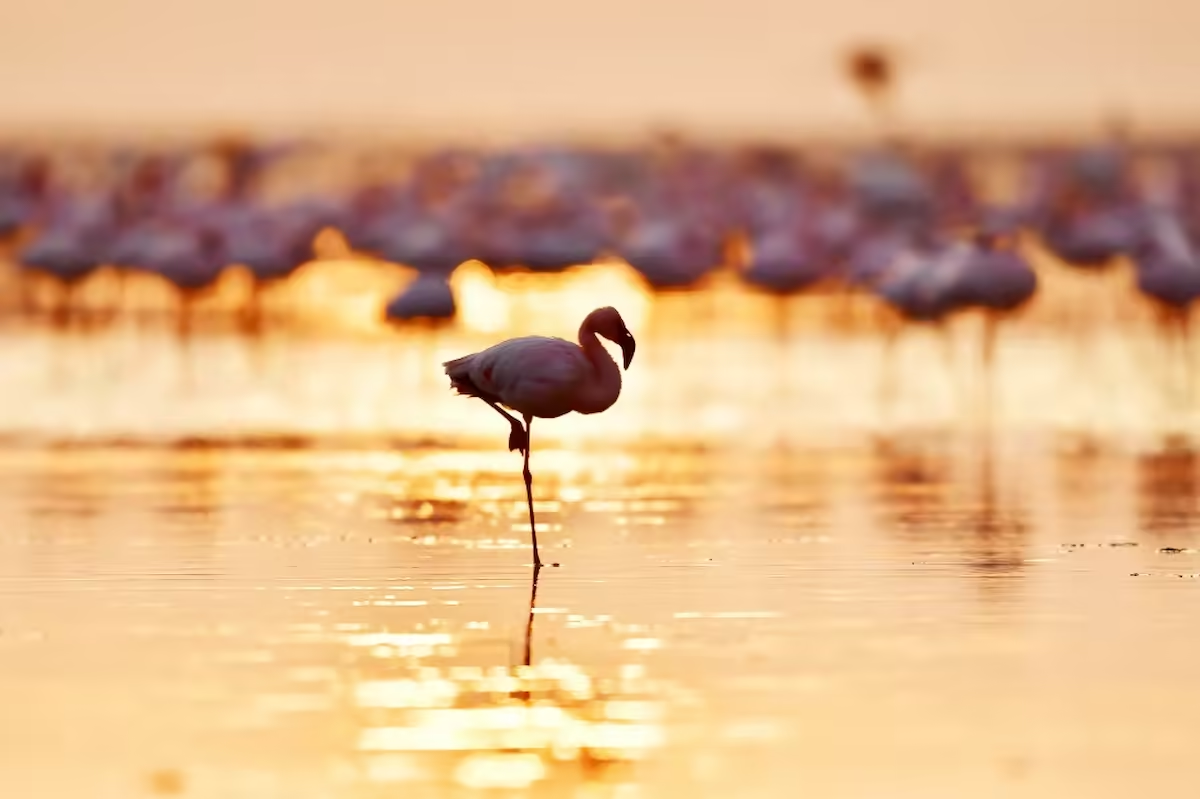
Arusha → Tarangire → Ngorongoro → Central Serengeti
Extended time in the Serengeti instead of a circuit that moves every day.
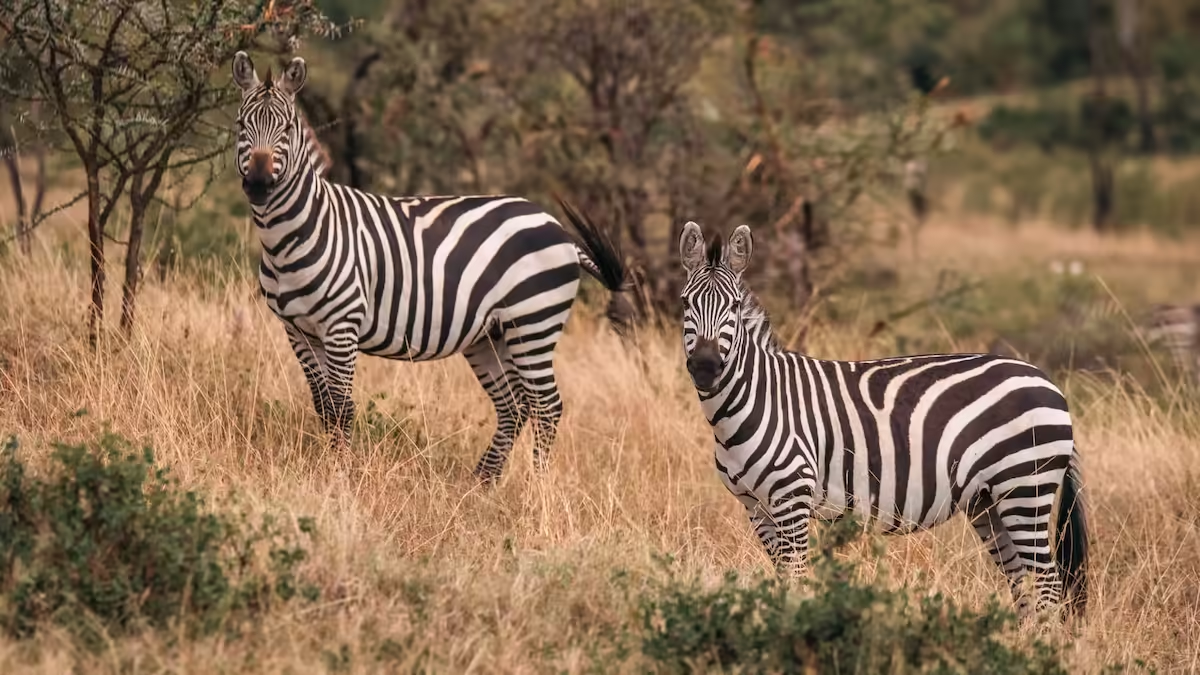
Nairobi → Amboseli → Lake Nakuru → Maasai Mara
Elephants, landscapes, rhinos and big cats across three distinct regions.
Other countries, the migration window and primate trips, all adaptable around a species or a season.
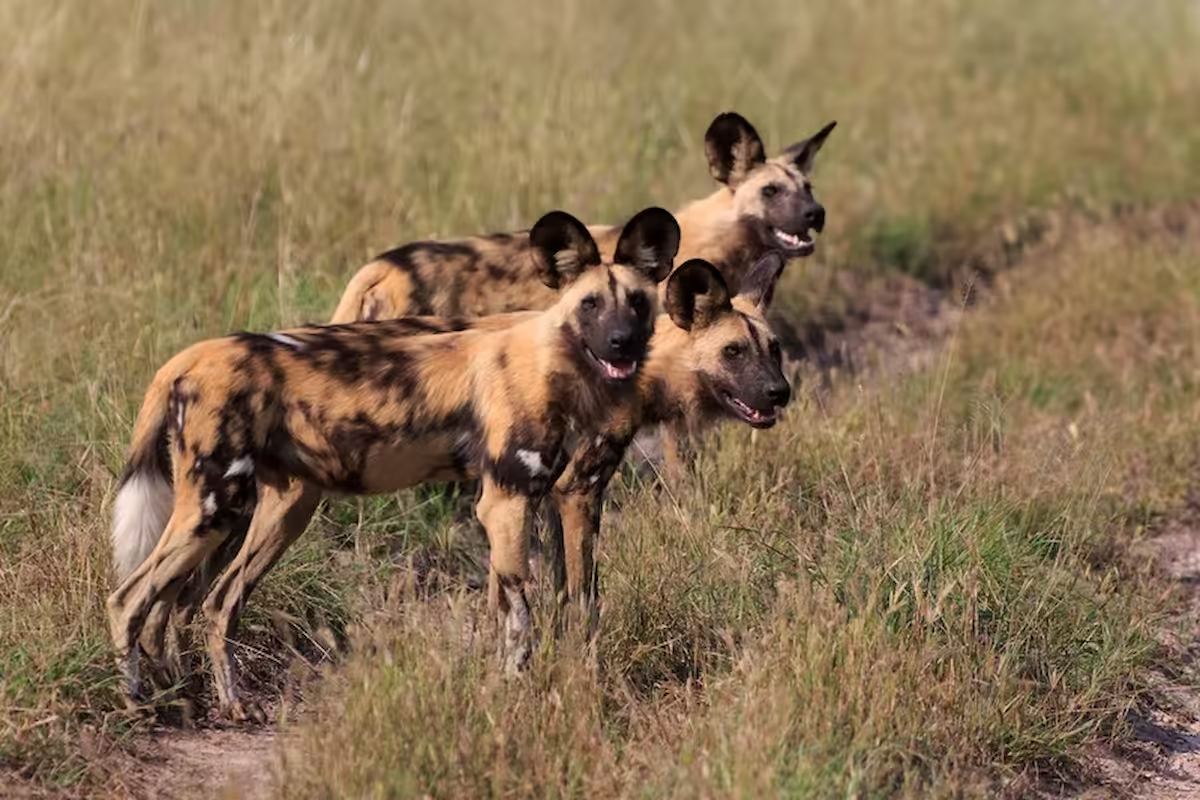
Maun → Okavango Delta → Moremi → Chobe
Predators, elephants, waterways and wilderness landscapes from the delta to Chobe.
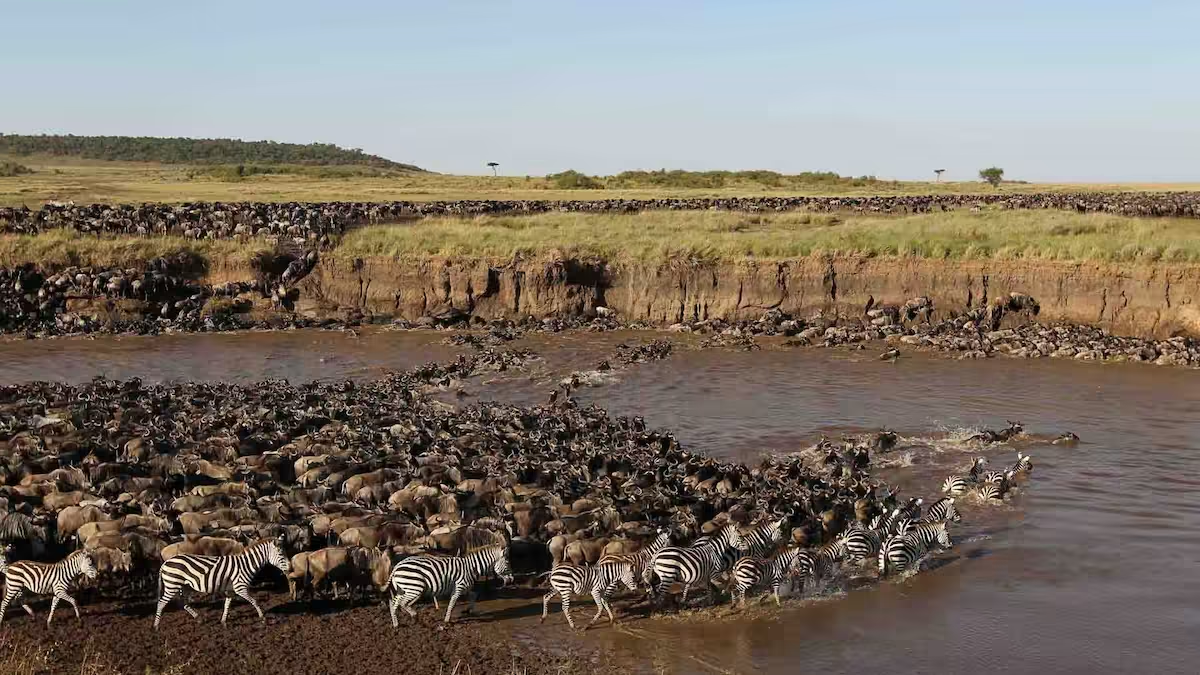
Arusha → Serengeti → Ngorongoro → Central Serengeti
Timed around the migration region and season that suits your subject.
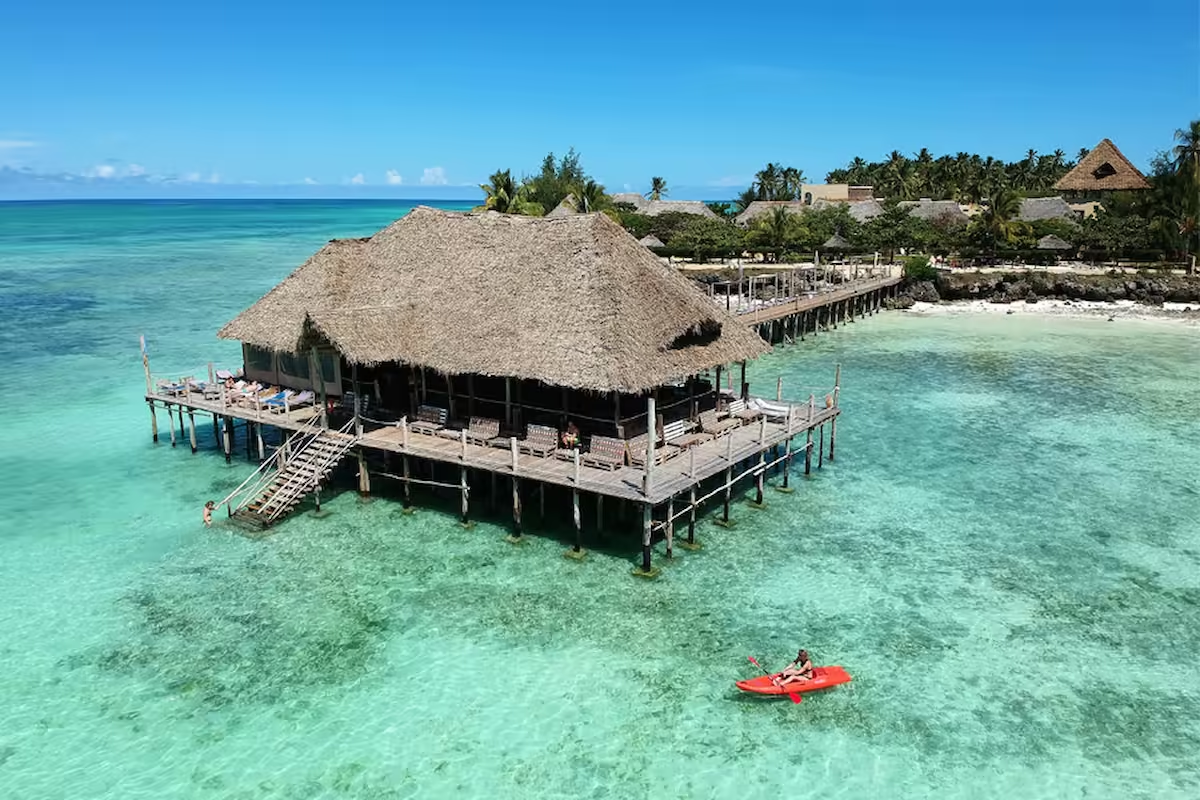
Serengeti → Ngorongoro → Tarangire → Zanzibar
Wildlife photography followed by coastal, cultural and architecture frames.
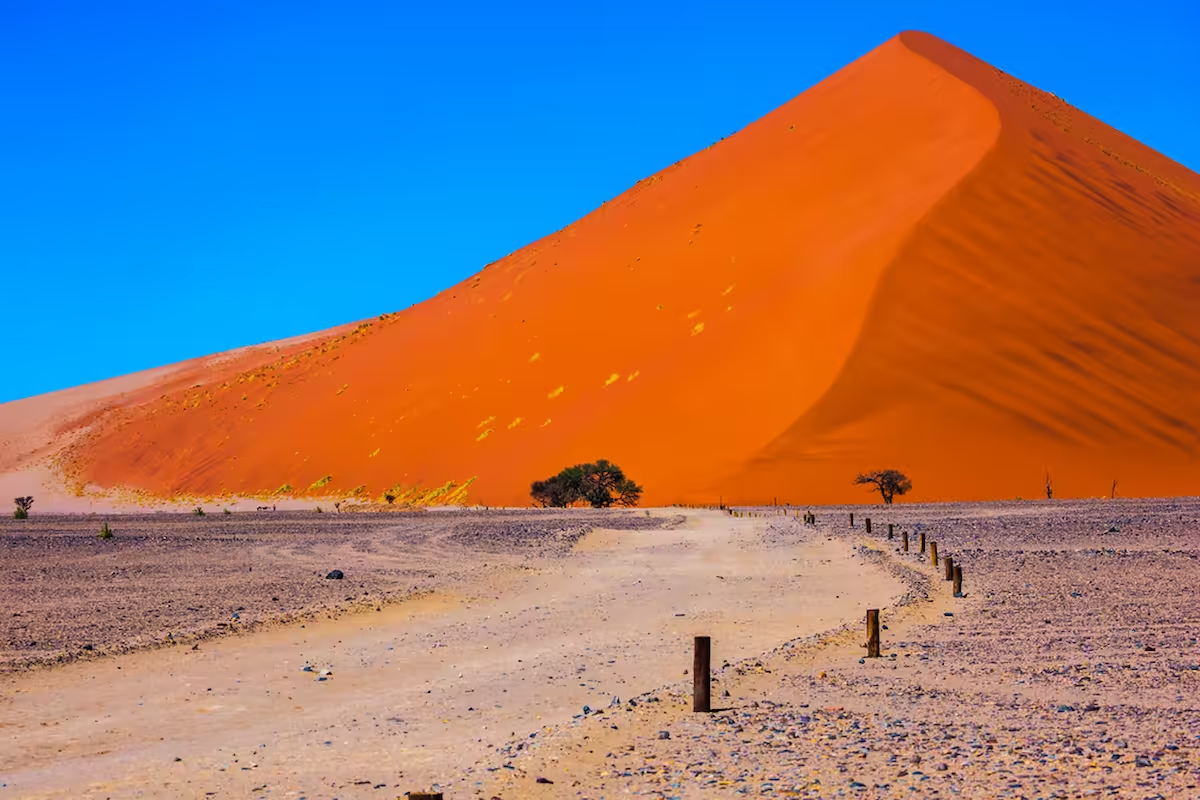
Windhoek → Sossusvlei → Damaraland → Etosha
Desert landscapes, wildlife and astrophotography in one itinerary.
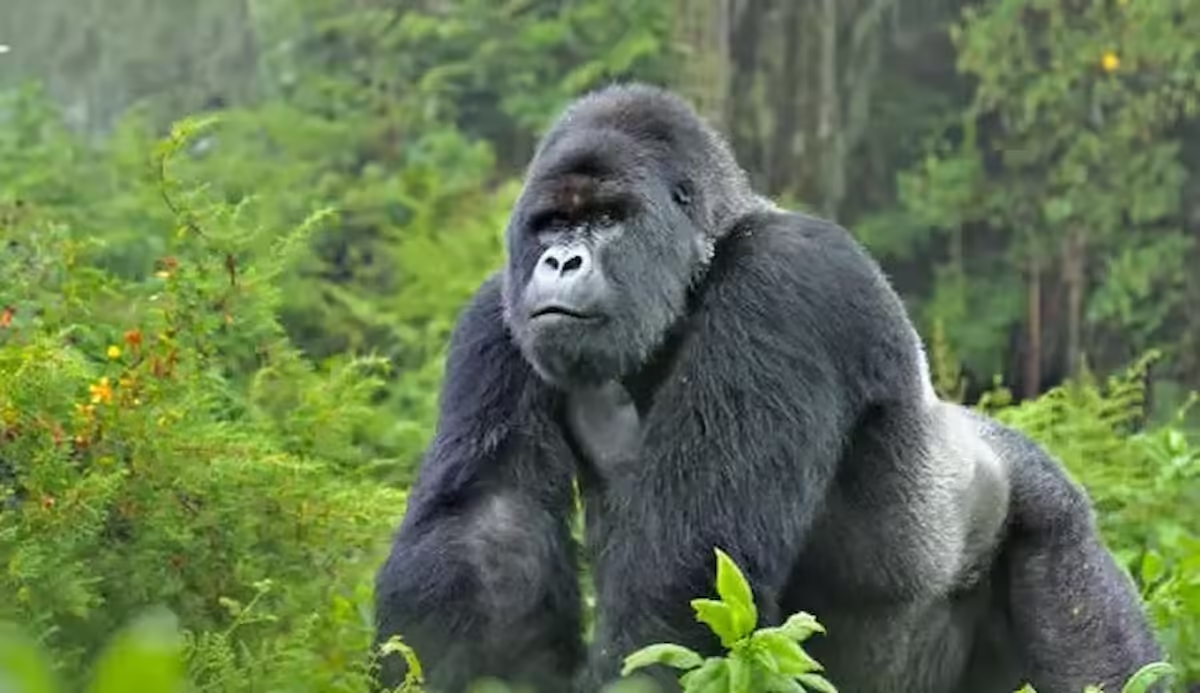
Kibale → Queen Elizabeth → Bwindi
Chimpanzees, forest wildlife, gorillas and savannah species in one trip.
Subjects first, then the season, then the vehicle.
Send the dates you have, the animals or landscapes you want to photograph, how many of you are traveling and whether you need a private vehicle. The itinerary is built around that list, with the season and the hide availability checked before it is confirmed. Request a proposal and the subject list is the first thing that gets matched to a route.
It trades distance for time: fewer transfers, longer stays at sightings, a schedule built around light, and a vehicle positioned for the shot rather than for the next stop.
A camera body with a backup, a telephoto lens for wildlife, a mid-range or wide-angle lens for landscapes and close subjects, spare batteries and cards, and a beanbag for support in the vehicle.
It is not essential, but it is the single change that matters most, because it controls departure times, how long you stay and where the vehicle is positioned.
No. Hides are specific to the property and the destination, and where a hide matters to your plan it should be confirmed before booking.
Five to seven days is a useful starting point, while eight to fourteen days gives far more flexibility around weather, animal behaviour and different habitats.
Often before sunrise, so the vehicle is in position for the first light, with the middle of the day used for shade, hides or a return to camp.
Yes, at calving, herd movement and river-crossing stages of the annual cycle, although the exact location and timing of wildlife activity cannot be guaranteed.
Yes. Tanzania suits it particularly well, and the coastal subjects - Stone Town, dhows, beaches and architecture - change the character of the trip.
Usually, because private vehicles, specialist guides, extra days, photographic camps and hide fees all add to the cost. The exact price depends on destination, season, accommodation and group size.
Usually, because private vehicles, specialist guides, extra days, photographic camps and hide fees all add to the cost - but the premiums are manageable: private-vehicle add-ons run US$100-250 per day, specialist photographer-guides US$150-300, hide sessions US$50-150. The cheapest photographic safari keeps the same private vehicle for the whole circuit instead of adding extras daily.
Absolutely. A good guide covers both animal behaviour and technique, and composition, light and patience matter more than the equipment.
Tell us what you want to photograph, when you can travel and whether you need a private vehicle. The season and the route come first, and the itinerary is built around them.