
Africa-wide safari hub
African safaris: tours, packages & expert planning (2026/27)
Private, tailor-made African safaris across 7 countries - destinations, styles and honest planning advice in one hub.
Every African safari starts with three decisions: where, when and how deep. This hub maps all three - seven destination silos, six travel styles and combination routes - so you can move from I want an African safari to a priced, tailored itinerary without guesswork. Start with a destination, a style, or tell us your month and let a specialist place you.
Best countries for this safari
Tanzania
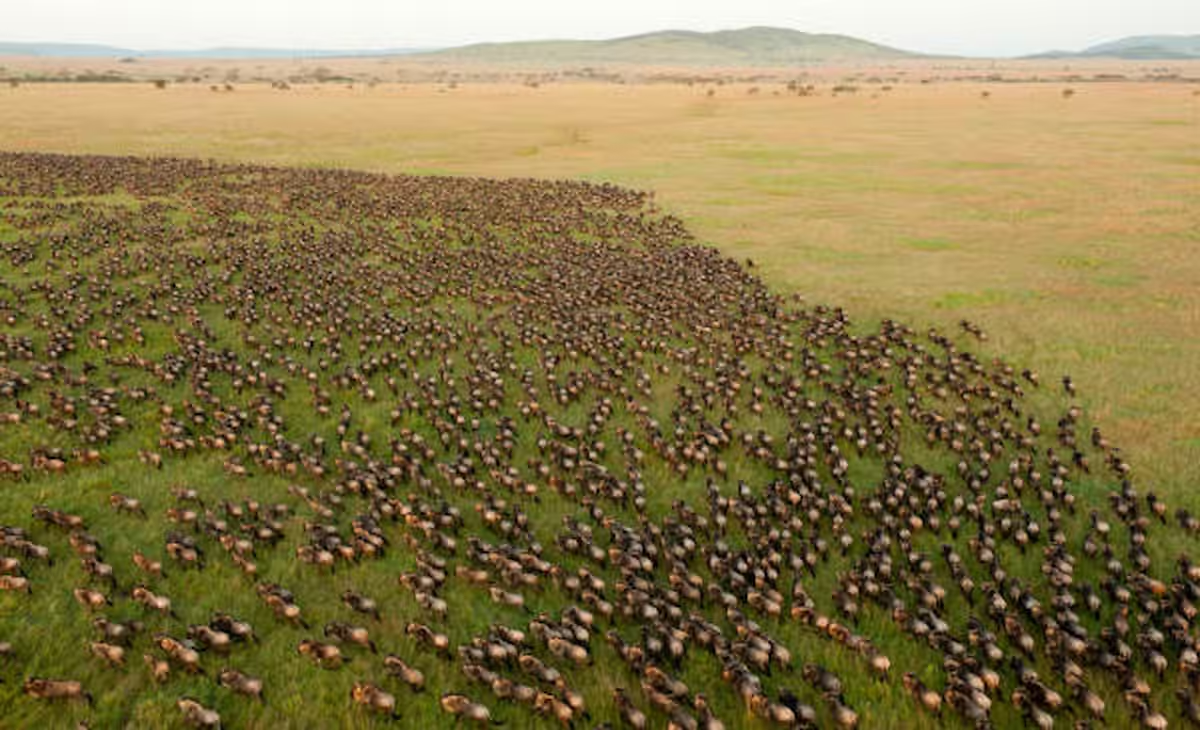
Serengeti, Ngorongoro, Kilimanjaro and Zanzibar - the complete safari.
Kenya
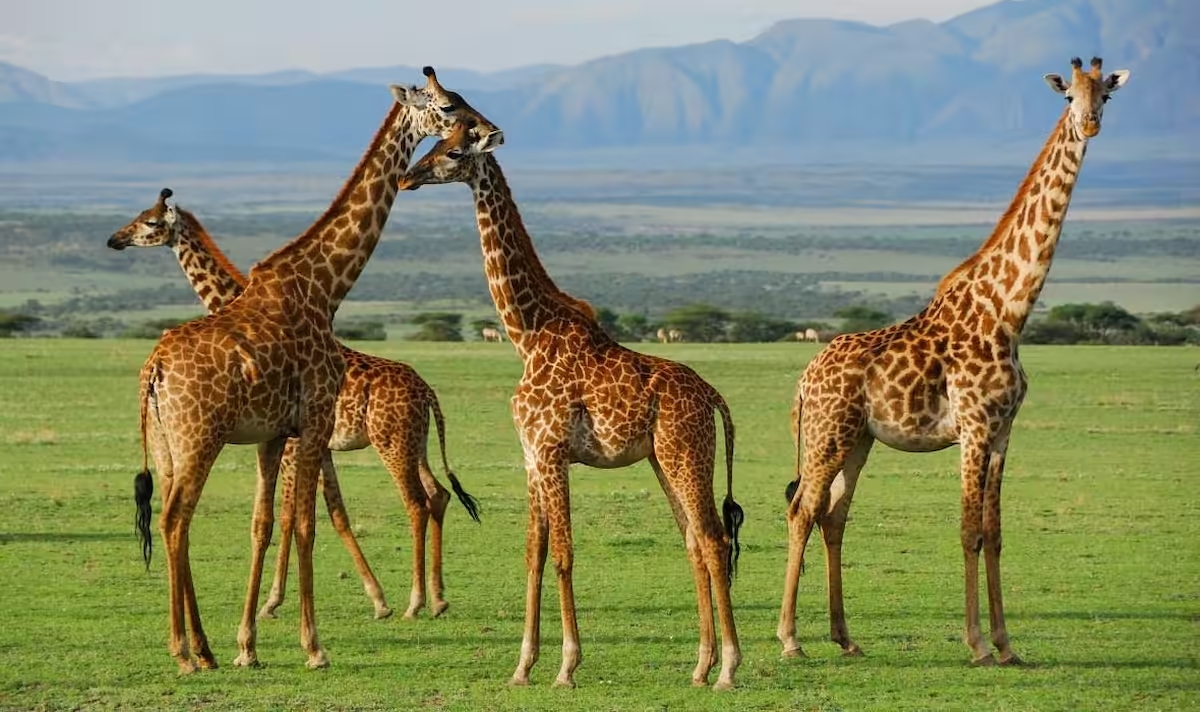
Masai Mara, Amboseli and beach finishes - the easiest fly-in safari.
Uganda
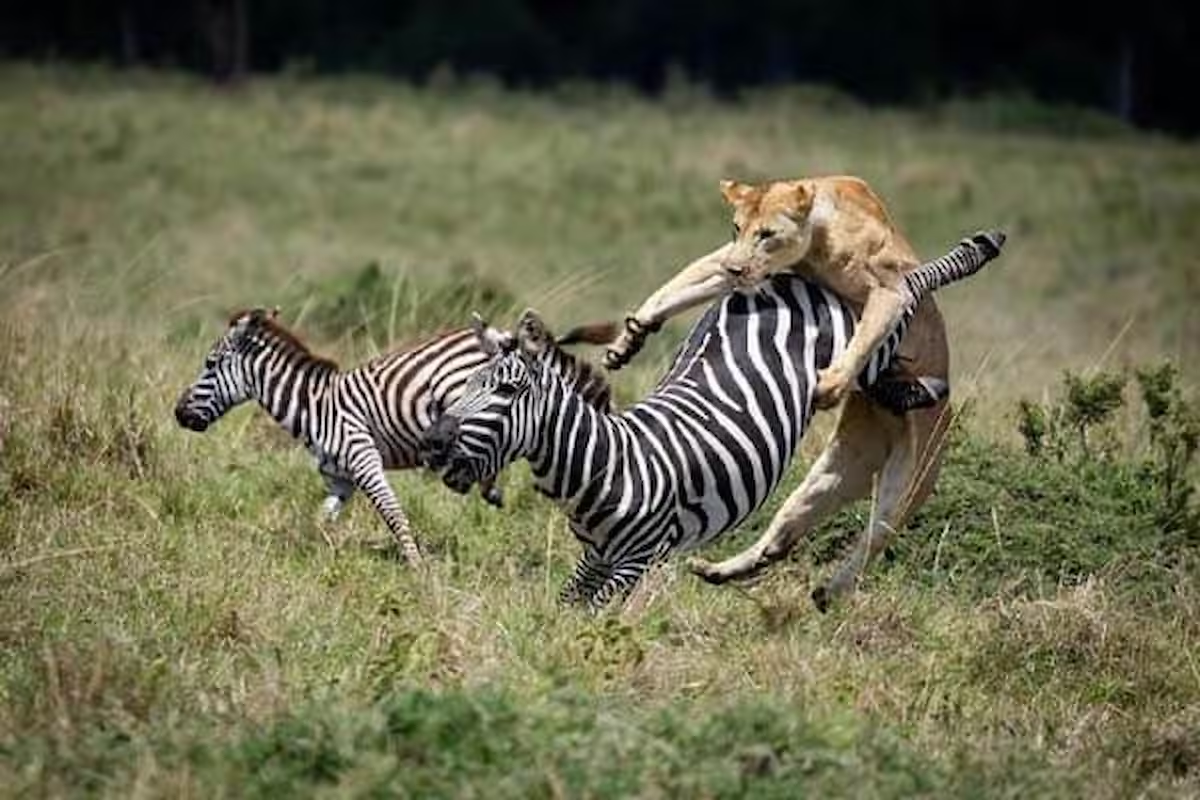
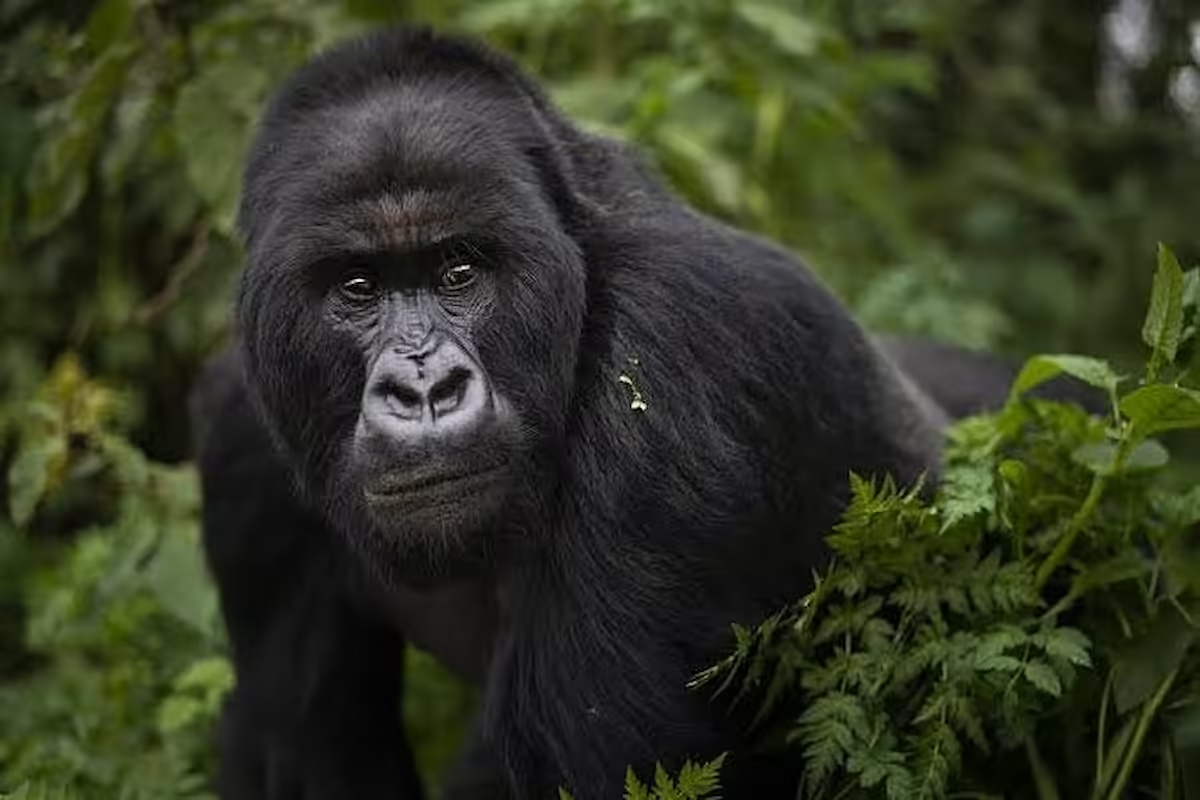
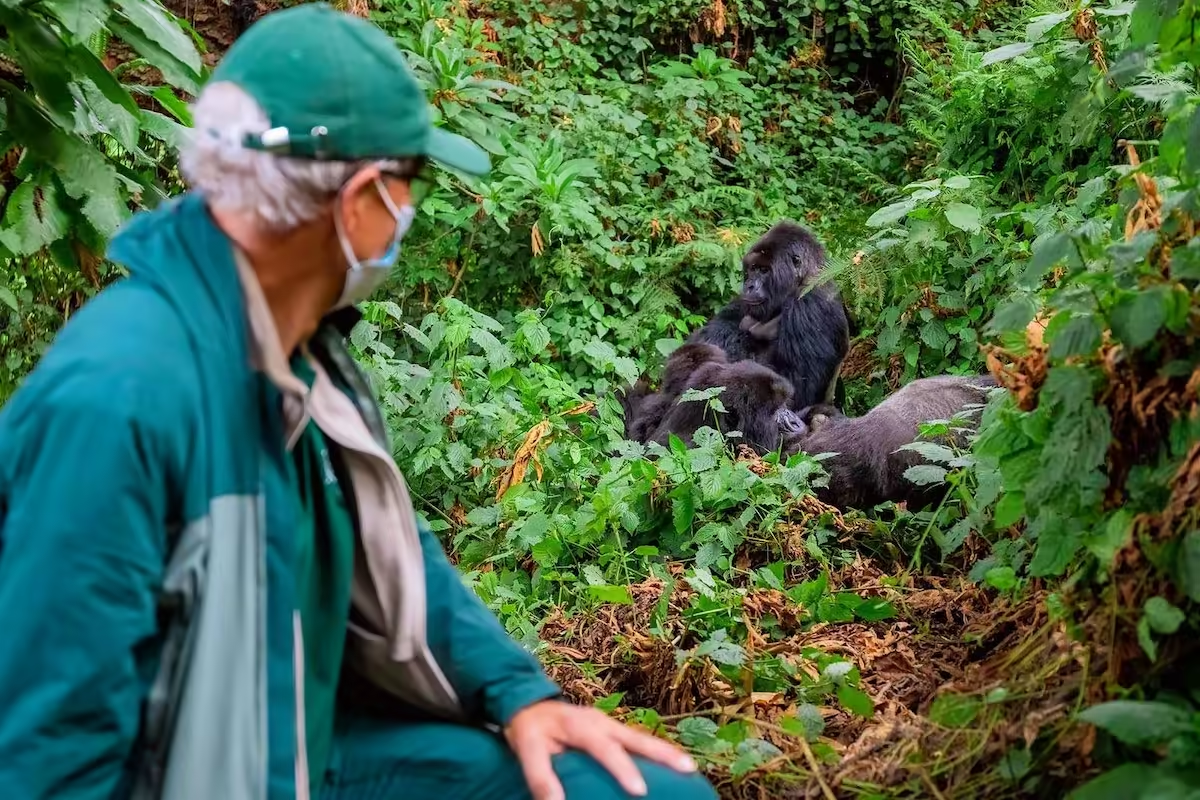
Gorillas, chimps and savanna at half Rwanda's permit price.
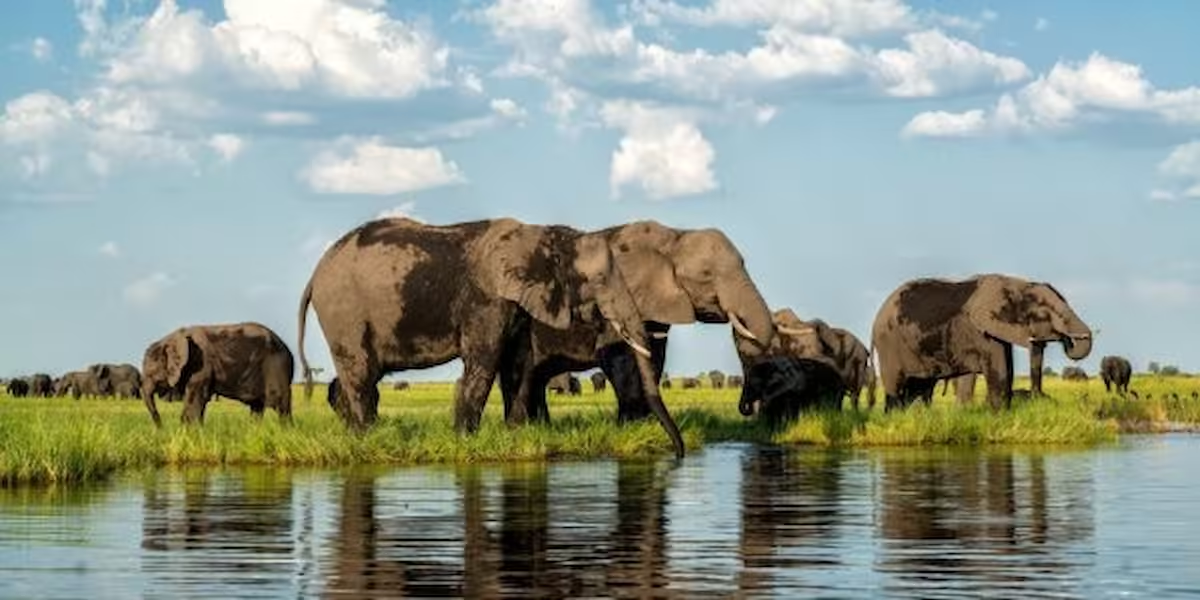
Botswana
Okavango water wilderness - exclusive by policy.
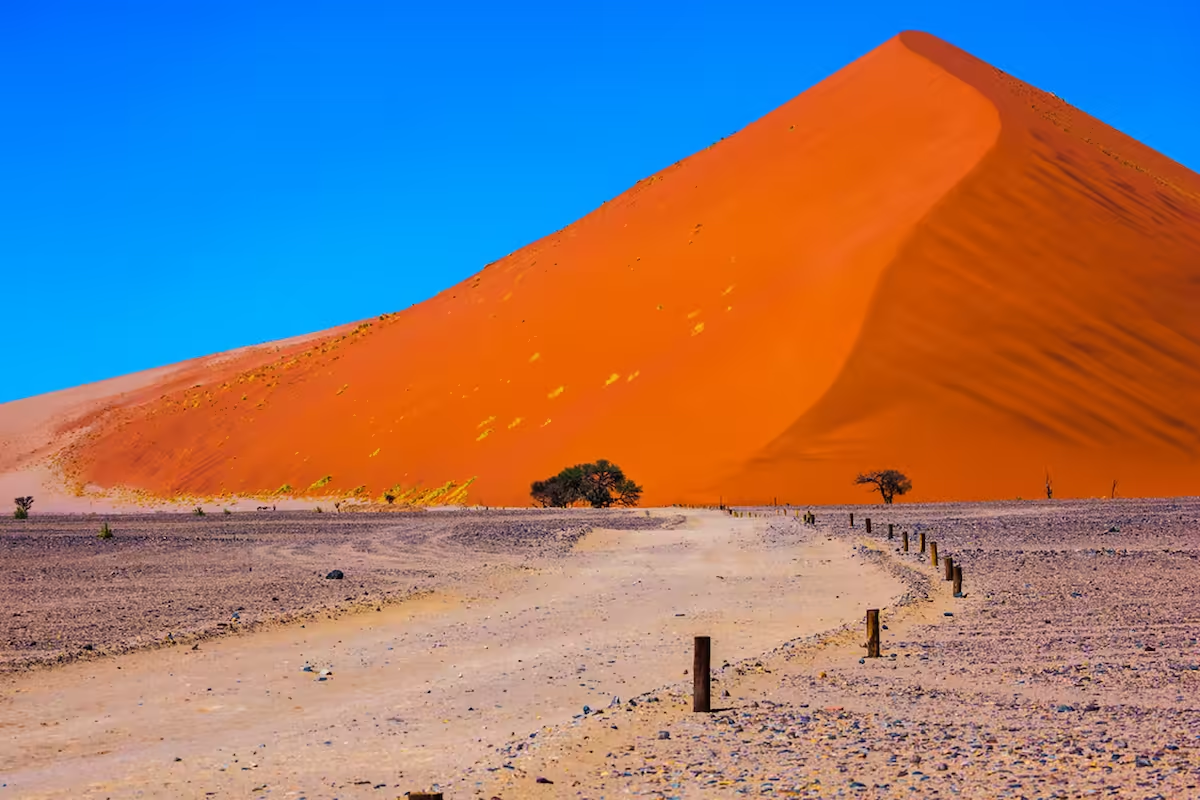
Namibia
Dunes, desert rhinos and the great road journey.
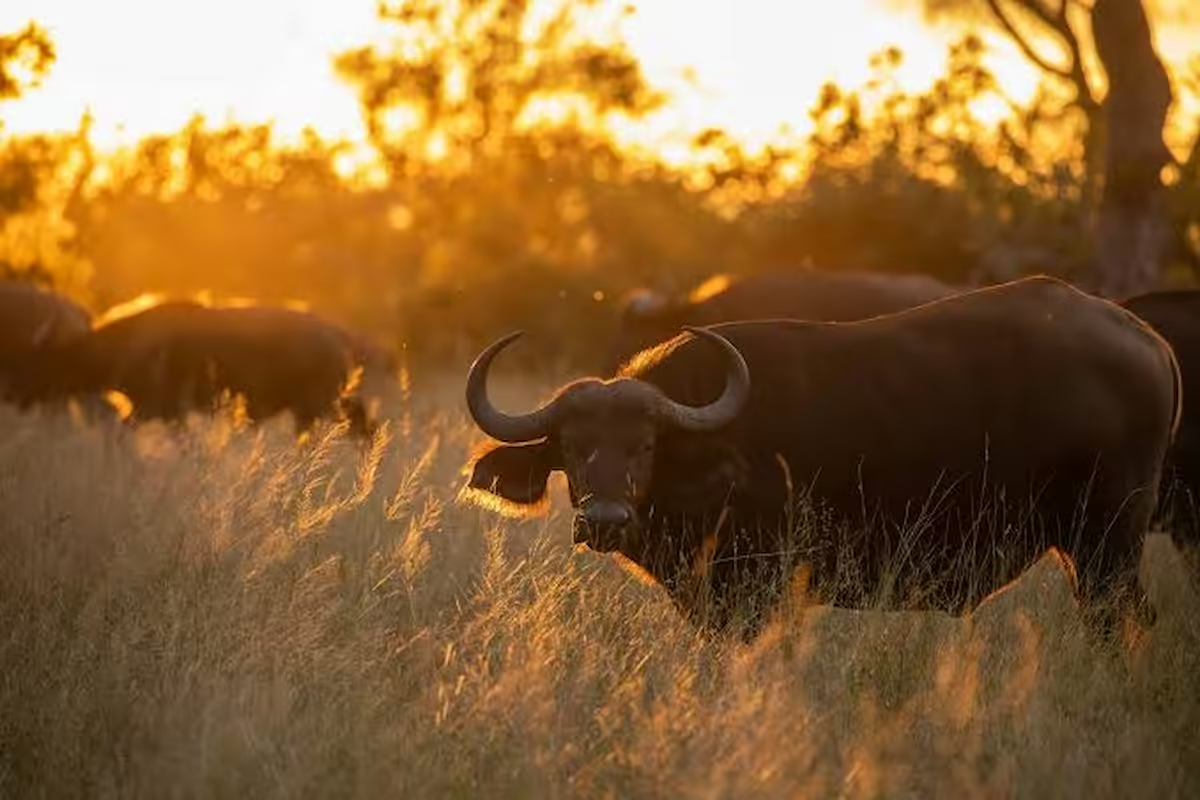
South Africa
Kruger plus Cape Town - bush, city and coast.
Compare your options
| Option | Best for | Guide price |
|---|---|---|
| First safari, 7 days | Tanzania or Kenya classic | From $3,100 |
| Migration priority | Tanzania north or Mara, Jul-Oct | From $3,600 |
| Primates plus savanna | Uganda 7-10 days | From $4,100 |
| Bush plus beach | Kenya-Diani or Tanzania-Zanzibar | From $4,600 |
What is an African safari?
A safari is a wildlife journey through protected African ecosystems - game drives in open 4x4s at dawn and dusk, guided walks, boat safaris and night drives where permitted - staying in lodges and tented camps inside or beside the parks. East Africa (Tanzania, Kenya, Uganda) stages big herds, predators and primates; Southern Africa (Botswana, Namibia, South Africa) adds water wilderness, deserts and bush-city combinations.
African wildlife to expect
Big Five (lion, leopard, elephant, buffalo, rhino) plus cheetah, wild dog, giraffe, hippo, 1.5 million migrating wildebeest, mountain gorillas, chimpanzees and 500-plus bird species by zone. Tell us your must-see species - routing follows wildlife, not brochures. Best timing: best-time guide | costs: cost guide | first trip: starter playbook.
Featured safari packages
FAQs
Where should a first-time safari go?
Tanzania or Kenya for classic game viewing, South Africa for easy family logistics, Uganda for primates. Five to seven days covers one country well.
How much does an African safari cost?
Mid-range private safaris run 350 to 600 dollars per person per day; luxury 800 to 1,500 plus. See our cost guide for line-item breakdowns.
Per-day figures hide the structure: a US$400 mid-range day usually breaks down near US$120-150 camp, US$80-120 park and concession fees, US$70-100 vehicle and crew, the rest guiding and margin. Luxury US$1,000 days pay mostly for private concessions and staff ratios, not for bigger tents.
When should we book?
Six to twelve months ahead for Migration season and gorilla permits; two to four months for green-season value trips.
How do we choose between the options above?
Match the country to your priority: Tanzania: Serengeti, Ngorongoro, Kilimanjaro and Zanzibar - the complete safari. Kenya: Masai Mara, Amboseli and beach finishes - the easiest fly-in safari. Uganda: Gorillas, chimps and savanna at half Rwanda's permit price. Botswana: Okavango water wilderness - exclusive by policy. Namibia: Dunes, desert rhinos and the great road journey. South Africa: Kruger plus Cape Town - bush, city and coast. Tell us your month and party and a specialist narrows it to one route.
What do the guide prices on this page include?
Guide prices such as First safari, 7 days (Tanzania or Kenya classic) - From $3,100; Migration priority (Tanzania north or Mara, Jul-Oct) - From $3,600; Primates plus savanna (Uganda 7-10 days) - From $4,100; Bush plus beach (Kenya-Diani or Tanzania-Zanzibar) - From $4,600 are mid-range baselines per person (two travelers), including private vehicle and guide, accommodation, park fees and listed transfers. Peak season and luxury tiers quote higher - every proposal is line-itemed.
Those per-day figures assume two travelers sharing one vehicle in green season; every additional passenger splits the same vehicle bill, and peak-season park tariffs can lift a day by US$30-80 before any upgrade. Treat them as the floor of a mid-range build, not as a ceiling - every proposal we issue line-items the same structure.
How fit do we need to be?
Game-drive safaris need no fitness. Trekking trips state their grade honestly - ask for the training notes.
What vaccinations and malaria prevention do we need?
Yellow fever certificates are required when arriving from endemic countries; malaria prophylaxis is recommended for most safari regions - discuss options with your doctor 6 to 8 weeks out. We brief every trip on water, sun and insect precautions.
CDC guidance for the region is precise. Yellow fever vaccination is recommended for all safari travelers and becomes a certificate requirement when you arrive via an endemic country such as Rwanda or Uganda. Routine boosters, hepatitis A, typhoid and hepatitis B round out the travel clinic list. Malaria transmission covers every game park below roughly 2,500 meters, the parasite is chloroquine resistant, and the preventatives that work are atovaquone-proguanil, doxycycline, mefloquine or tafenoquine, started before arrival and finished after. Book the clinic six to eight weeks out, and pack repellent with 20 percent DEET plus long sleeves for dusk.
How do deposits and payments work?
A deposit of 20 to 30 percent confirms camps, permits and flights; the balance is due 60 days before travel. We accept bank transfer and major cards (card fees disclosed upfront). Full terms arrive in writing before you pay anything.
We accept bank transfer and Visa or Mastercard; card payments add the processor's 2-4 percent, disclosed line by line. Splitting the balance across two cards is possible at proposal stage, and paying early in green season occasionally unlocks camp flexibility worth a few percent - always against a written schedule, never against an informal promise.
Can dietary needs be handled in bush camps?
Yes - vegetarian, vegan, gluten-free and most allergies are routinely catered with advance notice. Remote camps need 30 days notice for specialist supplies; tell us at proposal stage.
Camps cook from scratch, so most requests are a kitchen question rather than a supply one. Vegetarian, vegan and gluten-free are routine; halal and kosher products have to be imported in the remotest valleys, which is where the 30-day notice applies - Skeleton Coast, northern Uganda, the deeper Okavango camps. Menus are planned per group before the first grocery run, so tell us at proposal stage rather than on arrival. Guides carry your dietary notes on every drive, and camps refill filtered water wherever possible instead of trucking in bottles.
Related guides
Honeymoons | Family | Luxury | Migration | Cost guide
Plan this exact trip
One specialist, line-item pricing, reply within 24 hours.