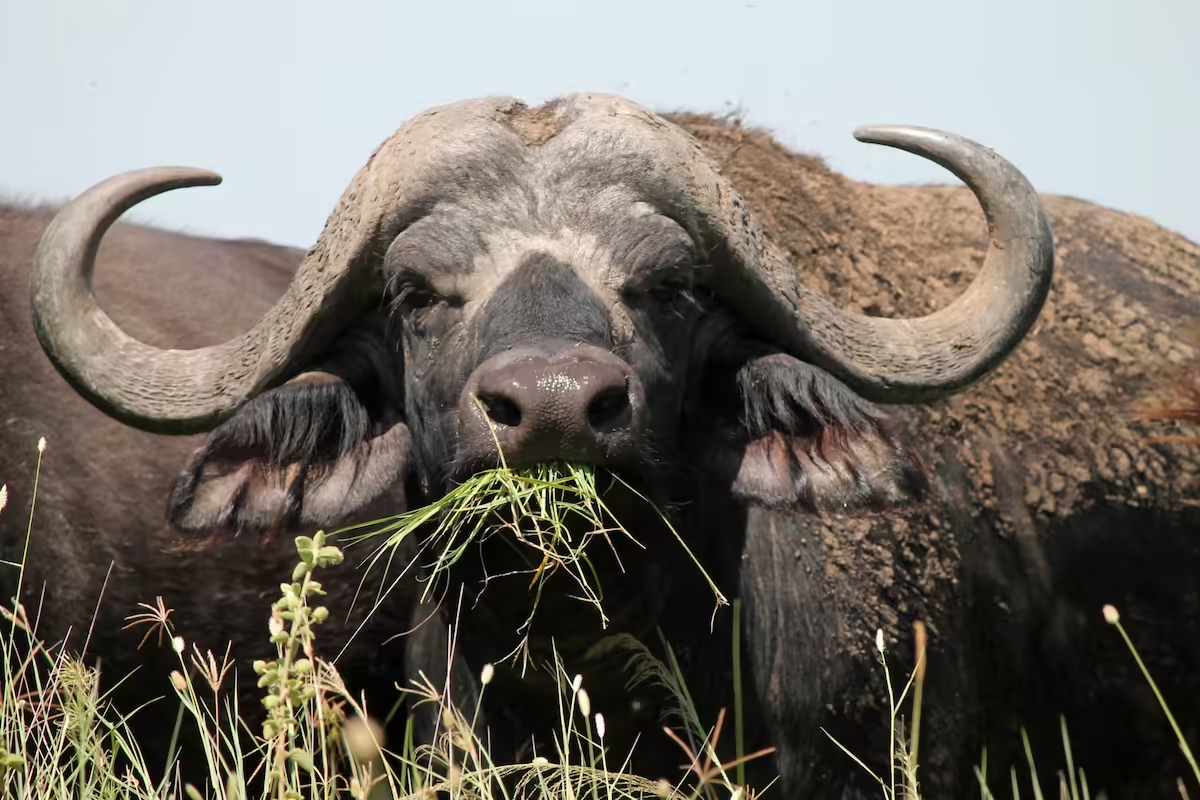
6-Day Tanzania Family
Tarangire, Ngorongoro and the Serengeti with short drives and a pool each afternoon.
From $2,500

Africa-wide safari hub
Family safaris by age and pace - malaria-free reserves, pools at every stop, private vehicles and kid-paced days.
Not an adult safari with children added to the vehicle: a route built around ages, attention spans, driving times and what each child will actually enjoy.
A family safari in Africa is designed around a different set of variables from a standard trip. The children's ages come first, then their attention spans, then accommodation requirements, driving distances, activity restrictions, meal routines and the pace the family prefers. Those constraints decide the itinerary long before the wildlife wish list does, and a route that ignores them tends to produce a week of tired children and shortened game drives.
For one family that can mean a short safari in South Africa with easy road access and a swimming pool at the end of every drive. For another it can mean a private Tanzania safari through Tarangire, the Serengeti and Ngorongoro. Families with teenagers often prefer walking, canoeing or gorilla trekking. Families with younger children are usually better served by shorter game drives, a private vehicle and lodges that run dedicated children's activities.
There is also no single minimum age for an African safari. Age policies are set by individual parks, lodges, camps and activities, and they differ substantially between destinations. Tanzania permits children in its national parks but applies specific age rules to activities such as walking and chimpanzee trekking. Kruger National Park keeps separate minimum ages for guided drives and guided walks. Many Botswana camps set their own minimum ages because the camps are unfenced and because several activities take place around water.
That is why the planning starts with a simpler question than "where should we go": what kind of safari will actually work for this particular family? Family safari guide → First safari guide →
Three we book most often for families. Every other duration and route sits in the collection below.
Tarangire, Ngorongoro and the Serengeti with short drives and a pool each afternoon.
From $2,500
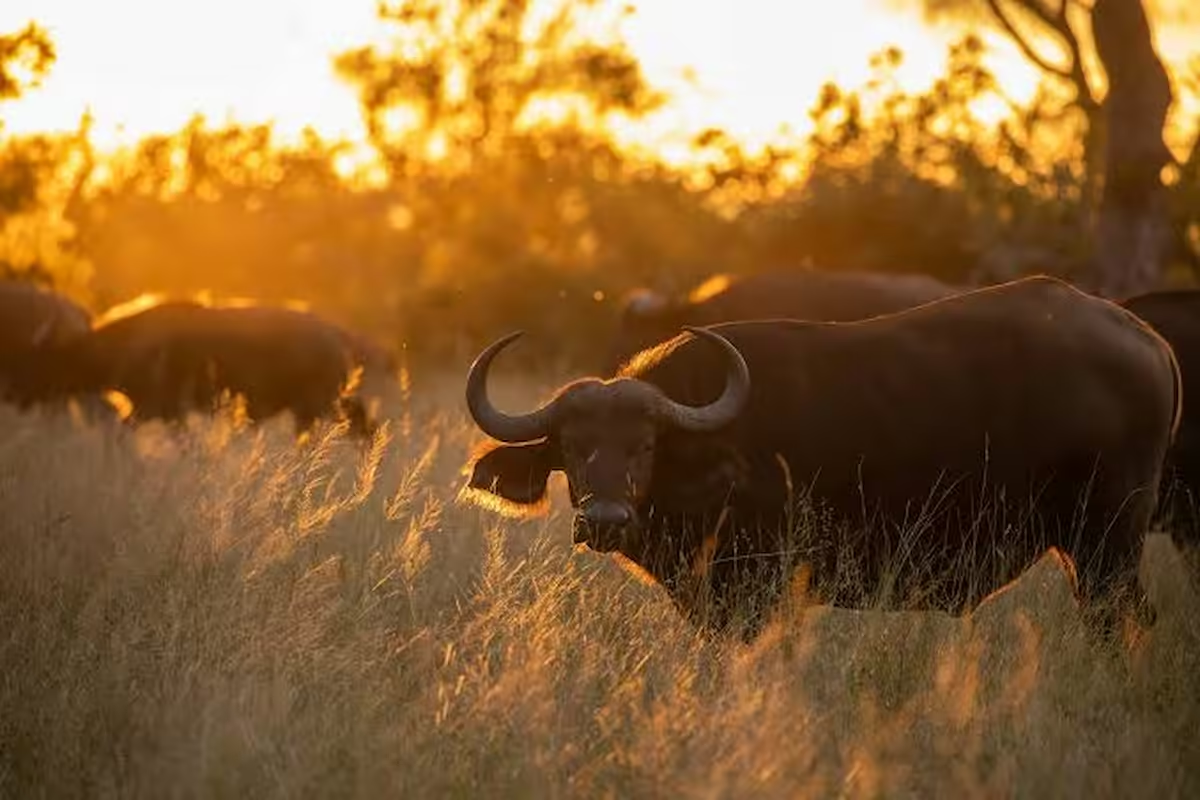
Short circuit around Kruger and the private reserves on its western edge.
From $2,850

Nairobi, Amboseli and the Maasai Mara with the longest drives kept apart.
From $2,850
The difference is not the room type. It is the pace, the flexibility and how many decisions the day still lets you make.
The fundamental difference between a family safari and a couples safari is pacing. A couples safari can optimise for sunrise, sunset, long drives, remote camps and a fixed dining service. A family safari has to leave gaps: for swimming, for naps, for bathroom stops, for the child who has decided that dung beetles are more interesting than lions. Those gaps are not a compromise on quality. They are what makes the week sustainable.
This is why taking a honeymoon itinerary and adding children does not produce a good family safari. The structure itself is wrong for the group, even if every lodge on the route is perfectly pleasant.
Multi-generational groups need all of the above plus rooms that older relatives can reach easily, shorter walking activities and a schedule that allows two generations to do different things on the same morning. Private African safaris → Cultural tours →
Everything on this page, grouped. Jump straight to the part you need.
Three things that decide whether a family week feels easy or feels like logistics.
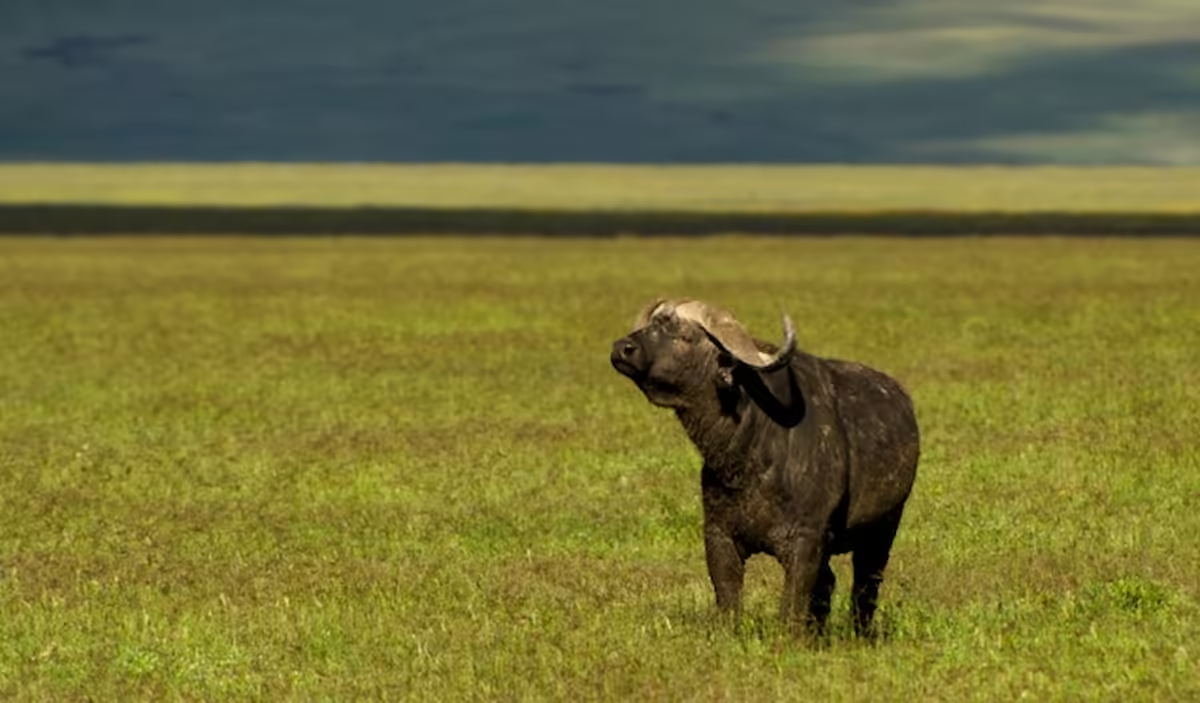
A pool, a shaded veranda and a room within walking distance turn a hot afternoon into the best part of the day. How to pace the day →
One vehicle for your group, so you can leave late, return early and stop for anything that catches a child's eye. Why it changes the trip →
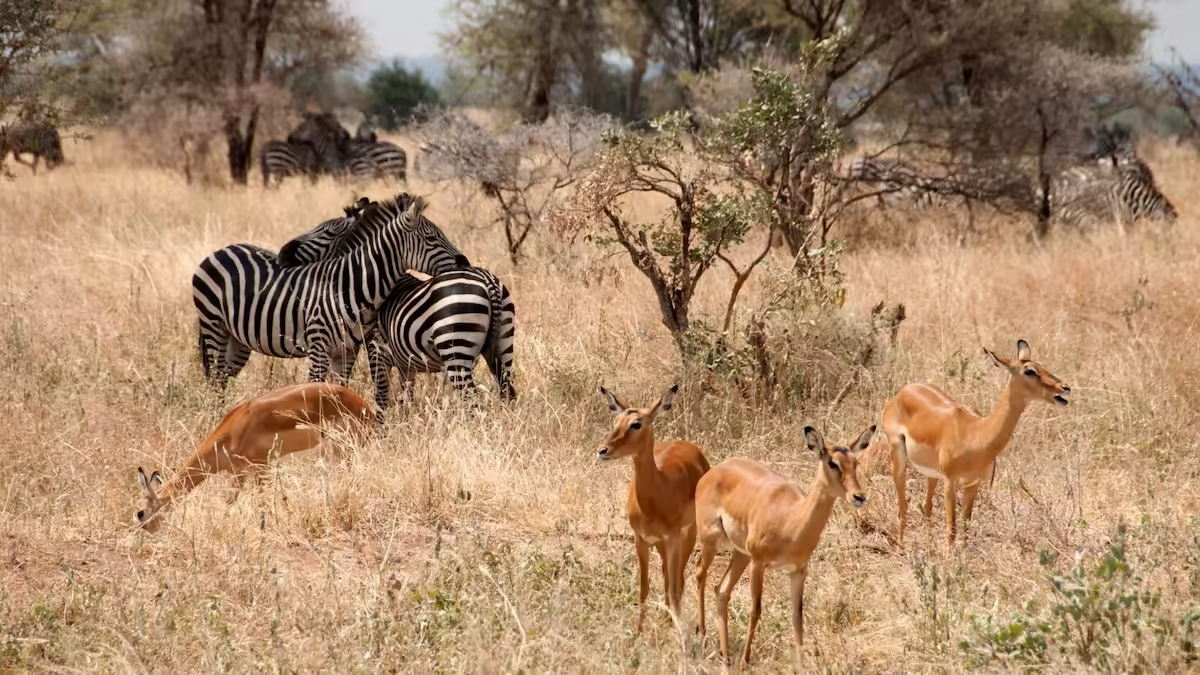
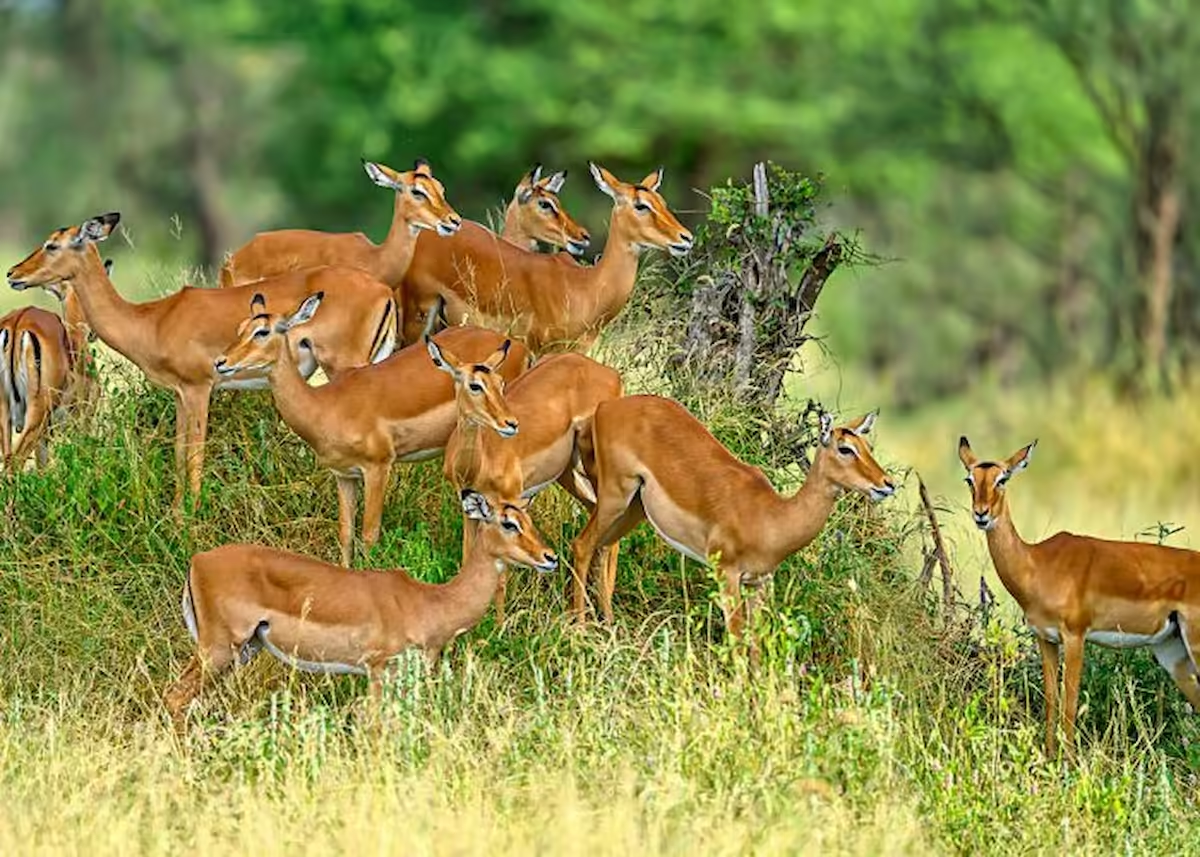
Waterholes, short circuits and fenced reserves mean wildlife comes to you instead of the other way round. Which parks suit families →
Children experience a safari very differently at different ages. A successful itinerary reflects that instead of fighting it.
Age is the single most useful planning variable available to a family, because it predicts almost everything else: how long a child can sit in a vehicle, whether an activity is permitted at all, what the accommodation needs to look like, and how much slack the day requires. Two families visiting the same park in the same week can need completely different itineraries simply because one child is four and the other is fourteen.
The table below is a planning guide rather than a legal rule. Individual camps, parks and activities can and do set higher minimum ages, and some change them between seasons.
| Age | Safari approach | What to prioritise |
|---|---|---|
| 0-3 | Short, private and flexible | Comfort, private vehicle, family accommodation |
| 4-7 | Short game drives plus activities | Wildlife, swimming, junior activities |
| 8-12 | Classic family safari | Game drives, nature, culture, selected activities |
| 13-15 | More adventurous | Walking where permitted, photography, conservation |
| 16-17 | Almost full safari programme | Walking, specialist activities, trekking where allowed |
These are planning guidelines rather than universal legal age limits. Individual camps, parks and activities can impose higher minimum ages. Start with the youngest traveller →
A safari with a baby or toddler is possible, but it needs considerably more planning than the same trip with older children.
The priority at this age is comfort, flexibility and short travel days, rather than trying to maximise the number of parks visited. Toddlers do not care whether the sighting is a leopard or a warthog, and they will not be persuaded to sit still for four hours because the guide has found something remarkable. What they notice is whether the room is familiar, whether lunch arrived on time and whether anyone let them get out of the vehicle.
A family travelling with a toddler should consider:
A private vehicle matters most at this age, because parents can return to camp the moment a child becomes tired instead of having to follow a shared group's schedule. On a shared departure the vehicle leaves when it leaves, and a tired two-year-old has no interest in that.
As a working figure, a three to five night safari is often more practical at this age than a week of consecutive long game drives. Two parks, one good lodge and a pool will produce happier memories than four parks and six transfers.
South Africa is particularly practical because it combines private reserves, family-oriented lodges, good infrastructure and relatively easy connections. Kenya and Tanzania can also work extremely well when the itinerary is private and carefully paced. Botswana and Zambia are technically possible but rarely sensible before about five, because the camps are unfounded and the transfer logistics are unforgiving. South Africa family safaris → Kenya family safaris →
An exciting age for a first safari: old enough to begin understanding wildlife, still short on patience for long drives.
The safari should alternate wildlife viewing with other experiences rather than treating game drives as the whole product. A day built as a morning drive, breakfast, swimming or resting, lunch, a short afternoon activity and an early dinner generally works far better than a full-day drive with a picnic lunch and a late return. That distinction can make the biggest single difference to how the family remembers the trip.
Young children at this age often respond particularly well to:
That list is worth taking seriously when the itinerary is being built. A guide who knows the children are looking for dung beetles will stop for dung beetles, and a camp with a junior ranger programme will keep a five-year-old engaged for an afternoon that would otherwise have been spent waiting for the next drive.
Often the most flexible age group in family safari planning, because participation is easy and attention is genuine.
Children in this band can usually take an active role in the safari rather than simply observing it, and they start to appreciate predator behaviour, animal tracking, conservation, photography, birdwatching, geography, local culture, survival skills, astronomy and, where permitted, bush walks. They can also tolerate longer game drives than younger children, although the itinerary should still avoid turning every day into a full-day drive.
Private guiding becomes especially valuable here. A guide working with a family can turn a sighting into an educational experience rather than simply pointing out animals: fresh tracks, direction of travel, distance to water, what the herd is doing and why. Children of this age are usually delighted to be given the question rather than the answer.
The main risk at this age is over-scheduling. Children who are old enough to do everything are often pushed into doing everything, and a safari with six activities a day stops being a holiday. Game drives → Boat safaris →
A much wider range of experiences becomes available, subject to the rules of the specific property and activity.
A family with teenagers can consider walking safaris, canoeing, kayaking, horseback riding, photography, conservation activities, fishing, cultural experiences, mountain trekking, chimpanzee trekking where permitted, gorilla trekking where permitted and night drives where permitted. Most teenagers also resent being treated as small children, so giving them genuine responsibility - the camera, the map, the questions for the guide - usually improves the trip more than any activity does.
Age restrictions still apply, and they are the part families most often get wrong. Published guidance for Tanzania states that children under 15 are not permitted on chimpanzee trekking, while the country's walking tariff prices safaris for children aged 12 and above. Kruger's guided walks have a minimum age of 12. Those three data points are the reason an itinerary has to be checked activity by activity rather than assuming that teenagers can automatically join everything.
That structure turns the safari into an active learning experience rather than a week of being driven around. Walking safaris → Night drives → Photographic safaris →
There is no single best family safari destination. Different countries solve different family-travel problems.
The useful way to choose is to work backwards from the constraint. If the youngest child is three, infrastructure and medical access matter more than wilderness. If the children are fifteen, the question is which country offers the activities they will not complain about. If the group spans three generations, the answer is usually a private villa and short internal flights.
The nine countries below cover almost every realistic family brief. The sections that follow set out what each one is genuinely good at, and where it stops being a good idea.
Particularly useful for families who want safari, cities, beaches and straightforward infrastructure in the same trip.
A family itinerary can combine Cape Town, the Winelands, a private game reserve and the Garden Route, or it can focus entirely on the Kruger ecosystem. Both structures work, and both avoid internal flights if the ages are young. South Africa also carries the widest accommodation range of any African safari destination, from backpacker lodges to family villas with private staff.
Why South Africa works for families:
Kruger itself offers morning, sunset and night drives, although the park authority sets a minimum age of six for its guided game-drive activities, and guided walks have a minimum age of 12. That makes South Africa particularly useful when a family has children of different ages and wants to combine safari with non-safari activities. Kruger National Park → South Africa family safaris →
Suggested package: 8 Days Cape Town & Big Five Family Safari - Cape Town, Greater Kruger, Johannesburg. 7-day South Africa →
Excellent for families combining wildlife with culture and, where appropriate, a beach extension.
Major family destinations include the Maasai Mara, Amboseli, Samburu, Lake Nakuru, Nairobi National Park, Laikipia and Diani Beach. Nairobi National Park is worth noting on its own: it is a functioning wildlife park within the capital, which makes arrival day productive instead of lost.
Why Kenya works for families:
Children can also experience the landscape at close range: Amboseli gives elephant herds against Kilimanjaro, and the conservancies around the Mara allow off-road positioning and night drives that national parks generally do not. A family itinerary can be structured so that the longest game drives are never consecutive. Amboseli → Maasai Mara → Kenya family safaris →
Suggested packages: 8 Days Kenya Family Safari - Nairobi, Amboseli, Lake Naivasha or Nakuru, Maasai Mara. 10 Days Kenya Bush & Beach - Nairobi, Maasai Mara, Diani. The beach version is especially useful for younger children, because several beach days break up the intensity of game drives. 9-day Kenya safari and beach →
Some of Africa's most iconic family safari landscapes, on both the northern and the southern circuit.
The northern circuit includes Tarangire, Lake Manyara, Ngorongoro and the Serengeti. The southern circuit includes Nyerere, Ruaha and Mikumi. The choice should depend on the children's ages and on what the family wants to see, because the two circuits behave very differently: the north is compact and reliably productive, the south is quieter, larger and better suited to families who already know what a game drive involves.
Tarangire often works best as an early safari destination, because the landscape concentrates elephants and other large mammals and gives a clear, uncomplicated introduction to African wildlife. The Ngorongoro Crater is visually rewarding because the viewing happens inside a dramatic natural setting, which holds the attention of children who are not yet invested in the animals themselves. The important consideration there is the length of the overall itinerary and the amount of road travel between destinations.
The Serengeti provides the iconic open plains experience and is particularly compelling for older children and teenagers interested in predators, migration and wildlife photography. For younger children, a private vehicle lets parents and guides control the length and rhythm of the drives. Southern Tanzania adds variety: Nyerere can bring water-based activities alongside game drives, including boating.
Published Tanzanian tariff guidance lists child rates for ages 5 to 15, with children under five entering free under that tariff, which is a useful baseline when a quote is being built. Tarangire → Ngorongoro → Serengeti → Tanzania family safaris →
Suggested packages: 7 Days Northern Tanzania Family Safari - Arusha, Tarangire, Ngorongoro, Serengeti, Arusha. 10 Days Tanzania Family Safari & Zanzibar - Tarangire, Ngorongoro, Serengeti, Zanzibar. 5 Days Tanzania Short Family Safari - Tarangire, Ngorongoro, Serengeti. 6-day Tanzania family →
Exceptional for families, but it requires more careful age planning than almost any other destination.
The reason is that many Botswana camps are unfenced and operate around waterways where elephants, hippos and crocodiles are present. Children can move around camp, but the camp's own rules exist for a reason, and they are the reason many properties publish a minimum age rather than leaving it to the parents.
Many Botswana camps have minimum ages, and activities such as walking and water-based excursions often carry higher age requirements. Some camps also require families with younger children to reserve a private vehicle. None of that makes Botswana unsuitable for families; it makes it a destination where the booking has to be checked property by property rather than chosen from a country-level assumption.
Botswana is particularly suited to:
The practical trade-off is real. Fly-in logistics reduce driving but add luggage limits, small aircraft and airstrip transfers, and those are the parts of a Botswana trip that families with toddlers find hardest. For teenagers the same logistics are usually a highlight. Okavango Delta → Chobe → Botswana family safaris →
Suggested packages: 7 Days Okavango Family Safari - Maun, Okavango Delta, Moremi or Khwai. 9 Days Botswana & Victoria Falls - Okavango, Chobe, Victoria Falls. 8-day Botswana safari →
An excellent choice for families that want more than conventional game viewing.
A family road trip can combine Etosha, Sossusvlei, Swakopmund, Damaraland and the Skeleton Coast. Children can experience desert landscapes, dunes, seals, desert-adapted elephants, rhinos, geological formations, general wildlife and coastal activities. Namibia is also unusually well suited to families who enjoy road trips and changing landscapes, because the driving itself is part of the attraction rather than a cost paid between parks.
The country solves a specific problem: some children are simply not interested in animals for three hours at a time. Sossusvlei, the concrete-grey dead trees of Deadvlei, the seal colonies at Walvis Bay and the gravel plains of Damaraland give a trip structure that is not built entirely around game drives, which keeps engagement high across mixed-age groups.
Two caveats matter. Distances are long, so for younger children the driving should be reduced and the family should avoid trying to cover the entire country. And Etosha's waterholes are the single best wildlife-watching argument in the country, because families can observe animals without continuously driving long distances. Etosha → Sossusvlei → Namibia family safaris →
Suggested package: 10 Days Namibia Family Safari - Windhoek, Sossusvlei, Swakopmund, Damaraland, Etosha. Namibia self-drive →
Particularly attractive to families with older children and teenagers, less so with young ones.
The country's safari experience can include South Luangwa, the Lower Zambezi, Kafue and Victoria Falls. Walking safaris are an important part of Zambia's identity, and that is exactly what makes it a teenage destination rather than a toddler one: a walking safari is a guided activity with a minimum age, and the camp schedules are built around it.
Age rules vary by camp rather than by country, so the specific property decides what is possible. Published material for one Luangwa property, for example, states a minimum age of seven and requires children aged 12 and under to book exclusive camp rates. Those are the kinds of conditions that change the price of a family trip far more than the headline rate does.
Where Zambia works best:
There is no dedicated Zambia family page on this site yet, so itineraries here are built from scratch against your dates. Walking safaris →
Suggested package: 8 Days Zambia Family Adventure - South Luangwa, Lower Zambezi.
Strong family combinations built around Victoria Falls, Hwange and Mana Pools.
Zimbabwe gives teenagers exactly what they want: activity. Victoria Falls provides the dramatic set-piece, Hwange gives dense elephant country and reliable waterhole viewing, and Mana Pools adds walking and canoeing in a landscape where the wildlife is unusually close. Teenagers tend to enjoy the combination of walking, canoeing, wildlife, Victoria Falls and photography more than they enjoy sitting in a vehicle for six hours.
For younger children the calculus changes. Victoria Falls on its own can carry a short itinerary, and combining it with one park rather than three keeps the transfers sane. Zimbabwe is also a country where guided activities carry their own minimum ages, so each activity needs checking rather than assuming.
Where Zimbabwe works best:
Suggested packages: 8 Days Victoria Falls & Hwange Family Safari - Victoria Falls, Hwange. 10 Days Zimbabwe Family Adventure - Victoria Falls, Hwange, Mana Pools.
Best considered according to the children's ages and the family's interests rather than as a single product.
The country combines Kigali, Volcanoes National Park, gorilla trekking, golden monkey trekking, Akagera and Nyungwe. Gorilla trekking has specific age requirements, so families with younger children usually focus on Akagera and other activities rather than building the entire itinerary around a permit that a ten-year-old cannot use.
Akagera deserves more attention than it gets in family planning. It is a savannah park with the Big Five, short circuits and a scale that suits shorter attention spans, which makes it a sensible base for a family that wants a Rwandan trip without a trekking component. Kigali itself is a genuinely interesting city day for teenagers, particularly the memorial and the market districts.
The exact trekking eligibility must be checked before booking, because wildlife authorities update regulations and permit rules change. Gorilla trekking → Uganda or Rwanda for gorillas →
Suggested package: 7 Days Rwanda Wildlife & Gorilla Family Safari - Kigali, Akagera, Volcanoes.
An unusually broad combination of gorillas, chimpanzees, savannah wildlife, boat safaris, forests and cultural experiences.
Potential family destinations include Queen Elizabeth National Park, Murchison Falls, Kibale and Bwindi. What makes Uganda attractive for mixed-age families is that it does not require the whole trip to be about one thing: a chimpanzee session at Kibale, a boat trip on the Kazinga Channel with thousands of birds and hippos, and a savannah afternoon can sit in the same week without any of them feeling like filler.
Primate trekking carries minimum ages, and permits are limited and separately managed, so the age question decides the route rather than the other way round. For families with younger children the itinerary should be shortened rather than trying to combine every major park. Kibale → Bwindi → Chimpanzee trekking →
Suggested package: 9 Days Uganda Wildlife & Primate Family Safari - Entebbe, Kibale, Queen Elizabeth, Bwindi. Uganda safaris →
The destination country is only half the decision. The individual park matters just as much.
Park-level suitability is where most of the useful information sits. Two parks in the same country can behave completely differently for families: one has short circuits and roadside waterholes, the other has long transits and a full day between sightings. The notes below are written around what a family will actually experience rather than around wildlife density alone.
Tarangire - family suitability: high. Good for elephants, shorter northern-circuit introductions, first safaris and combining with Ngorongoro. The concentration of large mammals around the river makes sightings frequent, which matters when patience is limited.
Ngorongoro - family suitability: high. Good for concentrated wildlife viewing, dramatic scenery and a shorter game-viewing circuit. The crater floor keeps everything in one place, so a family can see a great deal in a single day without long transits.
Serengeti - family suitability: high with appropriate pacing. Good for predators, the migration, large landscapes, older children and photography. It rewards families who stay two or three nights rather than those who treat it as a day trip.
Nyerere - family suitability: high when activities are selected carefully. Good for game drives, boating, wildlife and varied activities. The water element gives children something other than a vehicle to look forward to.
Ruaha - family suitability: better for families seeking a quieter wilderness experience. Fewer vehicles, longer drives and a stronger sense of remoteness, which suits older children more than young ones.
Maasai Mara - family suitability: high. Particularly strong for the Big Five, predators, the migration and conservancy experiences. Private conservancies around the Mara allow controlled vehicle numbers and, where permitted, night drives and off-road viewing.
Amboseli - family suitability: high. A strong combination of elephants, open plains and Kilimanjaro views. The views hold attention even when the animals are distant.
Samburu - family suitability: high for older children. Particularly interesting because of its distinctive northern wildlife, which turns into a genuine learning exercise for children who already know the usual species.
Lake Nakuru - family suitability: high. Useful as part of a multi-park itinerary rather than necessarily as an entire safari. Short circuits, flamingos and rhino make it an easy day for younger children.
Kruger - family suitability: high with age and activity planning. Guided game drives have a minimum age of six and guided walks a minimum age of 12, so the itinerary has to be built around what each child can actually join.
Sabi Sand - family suitability: high for families staying in suitable private lodges. Private lodges run their own vehicles and their own family arrangements, which is where the flexibility comes from.
Addo Elephant National Park - family suitability: high. Useful for families combining safari with the Eastern Cape and the Garden Route, and a good choice for children who are elephant-focused.
Okavango Delta - family suitability: excellent for appropriately aged children, but camp restrictions must be checked. Water-based activities, mokoro trips and short boat transfers give a completely different rhythm from a game drive.
Chobe - family suitability: high, particularly for elephant viewing. River frontage means large herds come to you, which suits shorter attention spans.
Moremi - family suitability: high for older children and families comfortable with more remote safari conditions. Rougher roads, longer days and fewer facilities.
Etosha - family suitability: high. Waterholes make wildlife viewing particularly accessible to children, because families can observe animals without continuously driving long distances.
Sossusvlei - family suitability: high. The dunes provide a major change from conventional game viewing and give the trip a second identity beyond wildlife.
Swakopmund - family suitability: very high as a safari-break destination. A coastal town with activities, food and a break from driving, which is often the point in a two-week route.
The answer depends on age and destination, not on how much holiday you have.
The most common planning error is assuming that more days means a better trip. For a family, the binding constraint is usually the number of hours children can spend in a vehicle and the number of times everyone has to pack up and move. Two extra nights in one place are worth more than two extra parks.
Good for a first safari, for toddlers, and for families combining safari with another holiday. A workable example is Tarangire plus Ngorongoro, or a single Kruger-based stay. Three or four days also let a family test whether safari is something the children actually enjoy before committing to a longer route.
Often the most practical range for a dedicated family safari. It gives enough time to experience several ecosystems without creating excessive transfer days. A workable example is Tarangire, Ngorongoro and the Serengeti in sequence, or a Kenyan loop out of Nairobi.
Suitable for families wanting a deeper experience. Possible structures include Kenya plus a beach, Tanzania plus Zanzibar, South Africa plus Cape Town, and Botswana plus Victoria Falls. At this length the route needs at least one stretch with no internal travel at all.
Best for teenagers, experienced family travellers, multi-country journeys and safari plus beach combinations. The important point is that more days should not automatically mean more parks: a 12-day safari with four excellent bases can be better paced than a 12-day itinerary with seven different lodges. When to travel → How many days is a safari →
For most family safaris, staying at least two nights in a location is preferable to changing accommodation every night.
A one-night stay creates six separate events: packing, checking out, the transfer, checking in, unpacking and orienting to a new place. Children experience those transitions more intensely than adults do, and six of them in a week can dominate the memory of the trip more than any sighting does.
A better structure looks like this:
There are genuine exceptions, particularly where an overnight stop breaks up a long transfer and saves six hours of driving the next day. But as a default, the two-night rule is the single cheapest improvement available to a family itinerary, and it costs nothing beyond the willingness to see fewer places.
It also interacts with cost. Every accommodation change adds a transfer, a park re-entry and often a meal plan difference, so a route with fewer bases is usually cheaper as well as calmer. Safari costs explained →
The traditional safari approach can involve several hours in a vehicle. That does not automatically make it appropriate for a child.
For younger children, a day shaped roughly like this tends to work: a short morning game drive, then breakfast, swimming and rest through the heat of the day, then a short afternoon activity, then dinner and an early sleep. Older children can handle longer outings, particularly when there is a specific wildlife objective attached to them.
The guide matters as much as the schedule. Instead of "we are looking for lions", the experience becomes "we found fresh tracks. Which direction do you think the lion went?" That turns passive viewing into participation, and participation is what holds a nine-year-old through a quiet hour.
Pacing is also where a private vehicle earns its price, because the moment a child has had enough is not a moment you can negotiate with eleven other passengers. Game drives →
For families, a private vehicle is often more than a luxury upgrade. It solves several practical problems at once.
With a private vehicle the family can leave later, return earlier, stop for bathroom breaks, spend longer at interesting sightings, change the route, accommodate naps, stop for snacks and adjust around whatever the children happen to be interested in that morning. None of that is available on a shared departure, where the schedule belongs to the group.
Shared safaris reduce cost and work very well with older children and teenagers who are happy to follow a fixed schedule. They also work well when the family is joining a departure that already matches the route, the season and the pace. For younger children, private vehicles provide considerably more flexibility, and that flexibility is usually the difference between a good week and an exhausting one.
On a private trip the vehicle is the product. On a shared trip it is a seat, and the difference shows up most clearly on the afternoon when a child is tired. Private African safaris →
The accommodation should be selected based on the children, not on the star rating.
What a family actually needs from a lodge is a short and unglamorous list: family suites or interconnecting rooms, a swimming pool, child menus, babysitting where available, children's activities, laundry, flexible dining, safe outdoor areas, reliable communications and family-sized vehicles. In unfenced safari camps the physical layout and staff procedures matter particularly, because wildlife can move around camp and the distance from the room to the dining area becomes a real consideration.
Private villas are especially useful for families with young children, grandparents travelling with parents and children, two-family groups and milestone celebrations. The advantages are practical rather than decorative: shared living space, multiple bedrooms, private dining, a private guide, a private vehicle, a flexible schedule and no need to keep to anyone else's timings.
The villa should not simply be treated as an upgrade to a nicer room. Its real family advantage is control over the family's daily rhythm, which is the thing families most often lose on safari. Accommodation in Tanzania → Accommodation in South Africa →
Grandparents, parents and children can make an excellent safari group, but accommodation becomes the deciding factor. Look for private villas, two-bedroom suites, interconnecting rooms, private vehicles, easy-access rooms, flexible meal schedules, shorter walking activities and reliable medical support. A private villa also lets different generations follow different rhythms: one group can take the morning game drive while another sleeps in.
Fewer bases, one vehicle and a villa with a real living space are the three choices that make multi-generational safaris work. Everything else is secondary.
A successful family safari should not rely entirely on wildlife sightings.
Children can learn tracks, plants, insects, birds and animal signs. Age restrictions apply, and in most countries a walk requires a guide and a stated minimum age rather than a casual decision at the trailhead.
Particularly useful in Nyerere, the Okavango Delta, the Lower Zambezi and parts of Zimbabwe. A boat changes the viewing angle completely and gives children something to do with their hands, which is half the battle on a long morning.
More suitable for older children and teenagers, subject to local rules and operator policies. It is usually the activity teenagers name first when asked what they wanted from the trip.
Families can learn about Maasai communities, Samburu culture, local conservation, traditional crafts, food and music. Cultural experiences should be arranged respectfully and should benefit participating communities rather than treating communities as attractions.
Some family-focused lodges offer spoor identification, animal tracking, bush skills, astronomy, wildlife drawing and conservation lessons. These are worth prioritising when comparing two otherwise similar lodges.
Children can be given their own wildlife photography challenge: find five different antelope species, photograph three bird species, find an animal footprint, identify an animal from its tracks. This can transform a game drive into a game.
A family safari can also become an education in conservation. Children can learn how tourism contributes to wildlife protection, anti-poaching programmes, community employment, habitat conservation, research and environmental education. The best approach is to let children see conservation as part of the safari rather than as a separate lecture: "why are elephants important to this ecosystem?" is a far more engaging question than an explanation of elephant conservation delivered at them. All activities → Safari photography →
Families should pack differently from couples, and the difference is mostly about layers, spare copies and keeping everyone comfortable on a cold morning.
Essential items include:
For children, the advice is not to overpack toys. A pair of binoculars, a wildlife book, a notebook and a camera can be more useful than a suitcase full of entertainment, and they occupy the same attention the entertainment would have. Soft bags are also easier than hard cases, because most transfers use light aircraft or small vehicles where luggage is counted by dimension rather than by weight alone. Full packing list →
Malaria and other health considerations vary significantly across Africa, and the answers are not the same for every route.
Families should consult a qualified travel-health professional before travelling, particularly when travelling with infants, pregnant travellers, children with chronic conditions, or families visiting malaria areas. The correct malaria prevention strategy depends on the destination, the season, the traveller and the medical history, and it is a decision for a clinician rather than a forum.
It is also important to remember that safari camps are not all medically equivalent. Remote camps can be several hours, or a flight, away from advanced medical facilities. Parents should therefore understand where the nearest medical facility is, how emergency evacuation works, what the insurance policy covers, what medications are appropriate, and what vaccinations are required or recommended. Safari safety → Visas and entry rules →
Wildlife safety is different from visiting a conventional hotel or resort. Children must understand that animals are wild, that they must stay with adults, that they should never approach animals, that they should not shout at wildlife, that they must follow the guide's instructions, and that they should remain inside the vehicle unless specifically instructed otherwise.
Published visitor safety guidance for Tanzania's national parks instructs visitors not to approach wildlife too closely, not to exceed speed limits and not to make loud noises. The same principle applies across Africa: the guide's instructions always take priority, and that rule does not become negotiable because a child is bored. Tipping and local customs →
One of the biggest planning mistakes is looking only at the map.
A destination may appear close geographically but still require rough roads, multiple transfers, long drives, domestic flights and airstrip transfers. The useful question is not "how many parks can we visit?" but "how many travel days will the children actually enjoy?" A family itinerary should minimise unnecessary transfers, because every transfer is an hour of a child's patience spent on something that is not the reason anyone came.
Fly-in safaris can be more expensive, but they dramatically reduce overland travel. They are particularly useful for Botswana, Tanzania, Zambia, Zimbabwe, remote Kenya and Namibia's remote luxury camps, where a light aircraft can replace many hours of driving. Families should check luggage restrictions, aircraft size, minimum age for the route, transfer arrangements, airstrip locations, seating arrangements and motion sensitivity before committing. Small aircraft are unforgiving on baggage, and that is the detail families discover at the airstrip rather than at booking.
Self-drive works particularly well in South Africa, Namibia and parts of Botswana. It gives families control over departure times, stops, meal breaks, the route and where wildlife sightings happen, and it removes the schedule entirely. But it requires more responsibility: navigation, wildlife safety, vehicle handling, remote roads, fuel planning, communication and emergency procedures all sit with the family. For younger children, a guided private safari reduces the logistical burden considerably.
Whichever model is used, the test is simple: count the travel days first, then decide how many parks fit inside the ones that are left. Namibia self-drive → All safari packages →
Family pricing is not simply the adult price multiplied by the number of travellers.
Costs are affected by the child's age, child sharing rules, family room availability, private vehicle requirements, lodge child policies, park fees, domestic flights, activity age restrictions, private guides, family villas, meal plans and the season. Two families on the same route in the same week can pay substantially different amounts because one child is four and the other is thirteen.
Publishing rules vary by country. Tanzania's park tariff distinguishes adult and child park charges and lists children under five as free for park entry, with ages 5 to 15 under child rates. South Africa's Kruger publishes separate adult and child conservation fees, with the international tariff defining adults as 12 and over and children as 2 to 11. Those examples are the reason a family quote should always be calculated from the children's exact ages at the time of travel rather than from an adult rate with a discount assumed.
The honest answer on budget is that a family safari is cheaper if it is shorter and calmer rather than if it is discounted. Safari cost explained → Cost breakdown →
Fourteen route shapes, sized by what a family can realistically absorb rather than by what fits on a map.
Every one of these is a shape rather than a fixed product. The number of nights, the vehicle arrangement and the order of the parks all move to match your dates. Request a proposal →
Combining two experiences is how a family week gains a second identity, and how a second week stays bearable.
Wildlife plus beach. Best for young families, first-time safari travellers, honeymooning families who are travelling with children, and multigenerational trips. The split is usually seven days of parks and three on the coast.
The Big Five plus the Indian Ocean. Best for a first safari, younger children and families wanting beach relaxation without a second long-haul flight.
Private reserve plus beach. Best for luxury family holidays and multigenerational travel, because both halves are comfortable and neither requires domestic flights.
Wetlands, elephants and a waterfall. Best for older children, teenagers and adventurous families who want three different environments in one trip.
Victoria Falls, Hwange or Mana Pools, then the Okavango. Best for experienced safari families, teenagers and wildlife enthusiasts who have already done a single-country trip.
The pattern is consistent: one intense block, then one block that is not. A safari plus a beach or a city gives children something to look forward to during the drives and something to recover with afterwards. Tanzania beach and safari → Kenya beach safari →
A strong family itinerary uses a rhythm rather than a checklist.
A seven-day structure that works for a mixed-age family looks something like this:
That is generally more sustainable for a family than scheduling a major activity every morning and afternoon for seven consecutive days. It also leaves room for the day that goes badly, which always happens: a child wakes up unwell, it rains, or the flight is late.
Before booking, parents should be able to answer seven questions honestly.
If the group spans three generations, add a private villa, easy-access rooms, short walking activities and reliable medical support to the list, and let the different generations run different rhythms on the same morning. Take the safari quiz →
All safari packages → Or send us your dates
The three above are a shortlist. The rest of the collection - the family-plus-beach weeks, the road-trip routes and the longer cross-border trips - sits below.
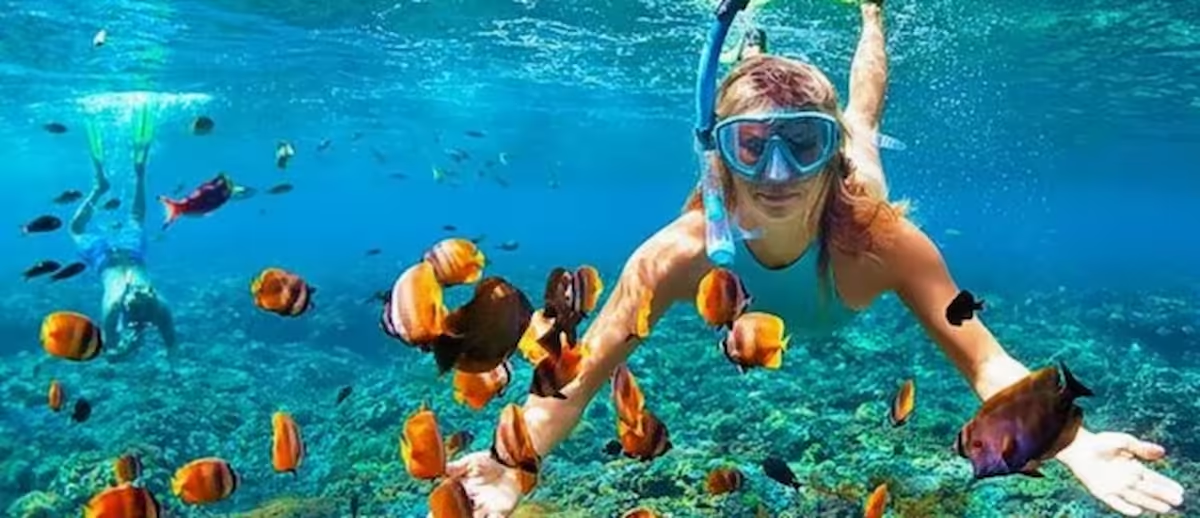
Three northern park days, then a beach week that lets the intensity of the safari settle.
From $3,650
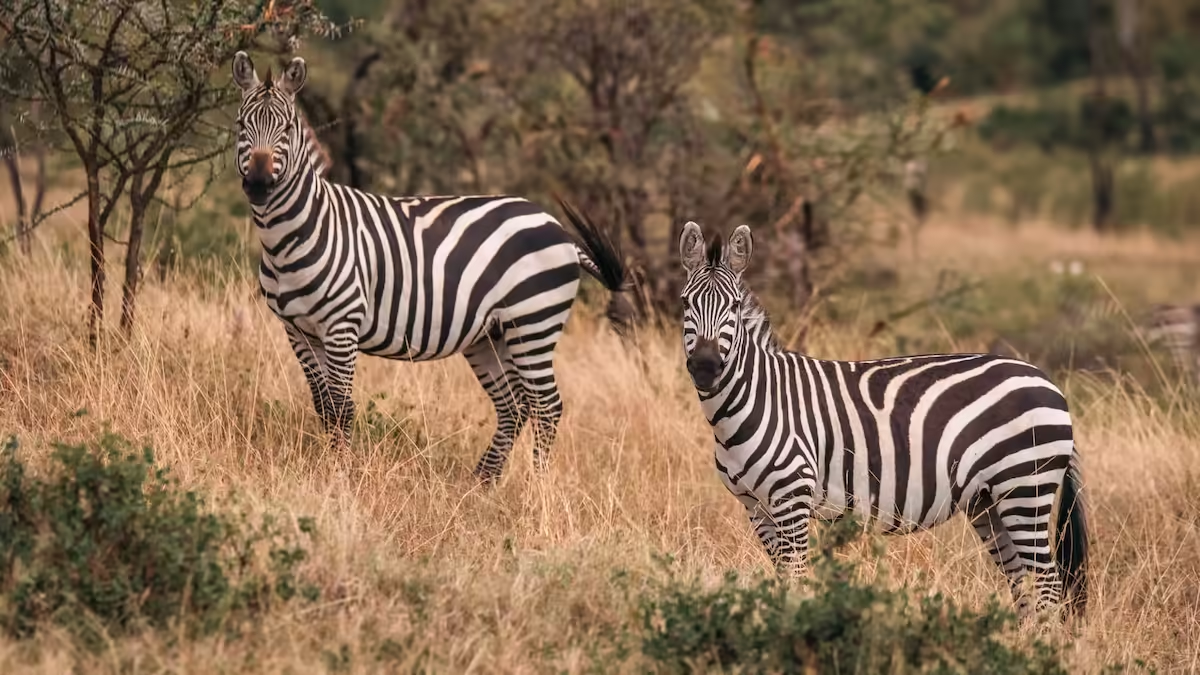
Cape Town and the Winelands before a private reserve inside Greater Kruger.
From $3,900
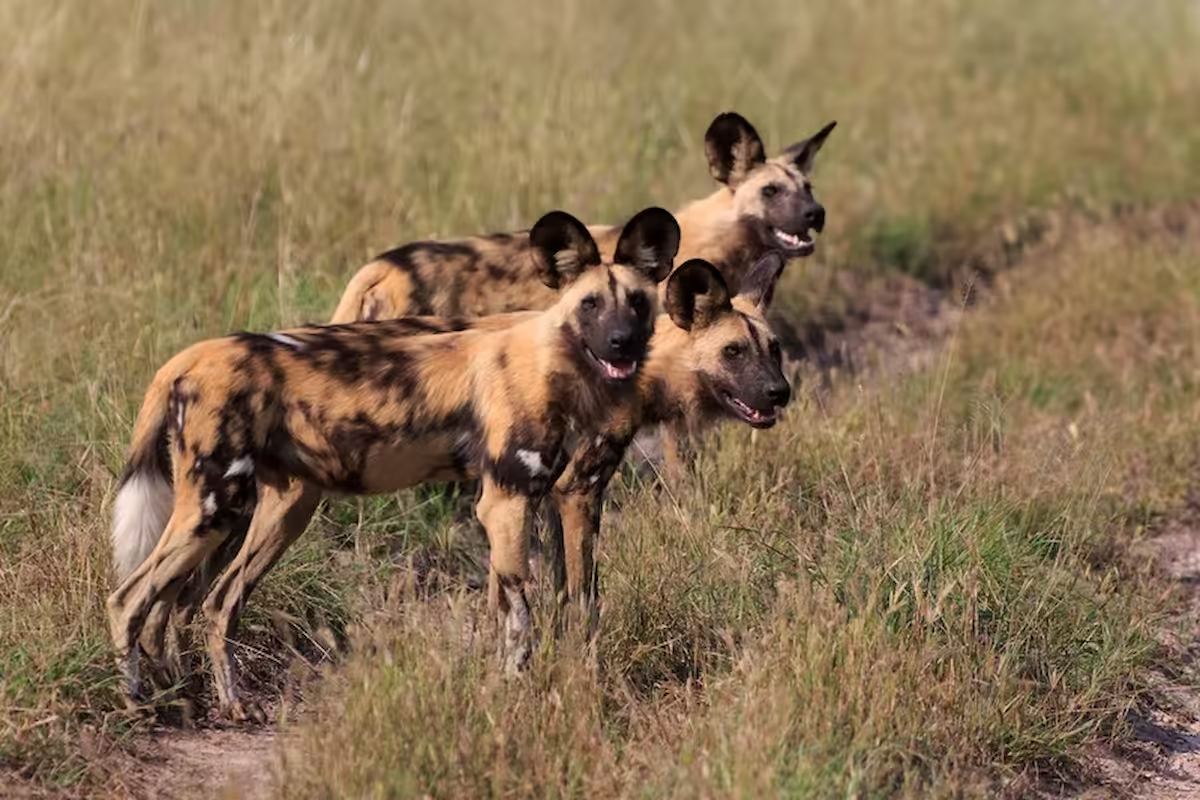
Water camps and river frontage, flown between camps where the road would take a full day.
From $4,750
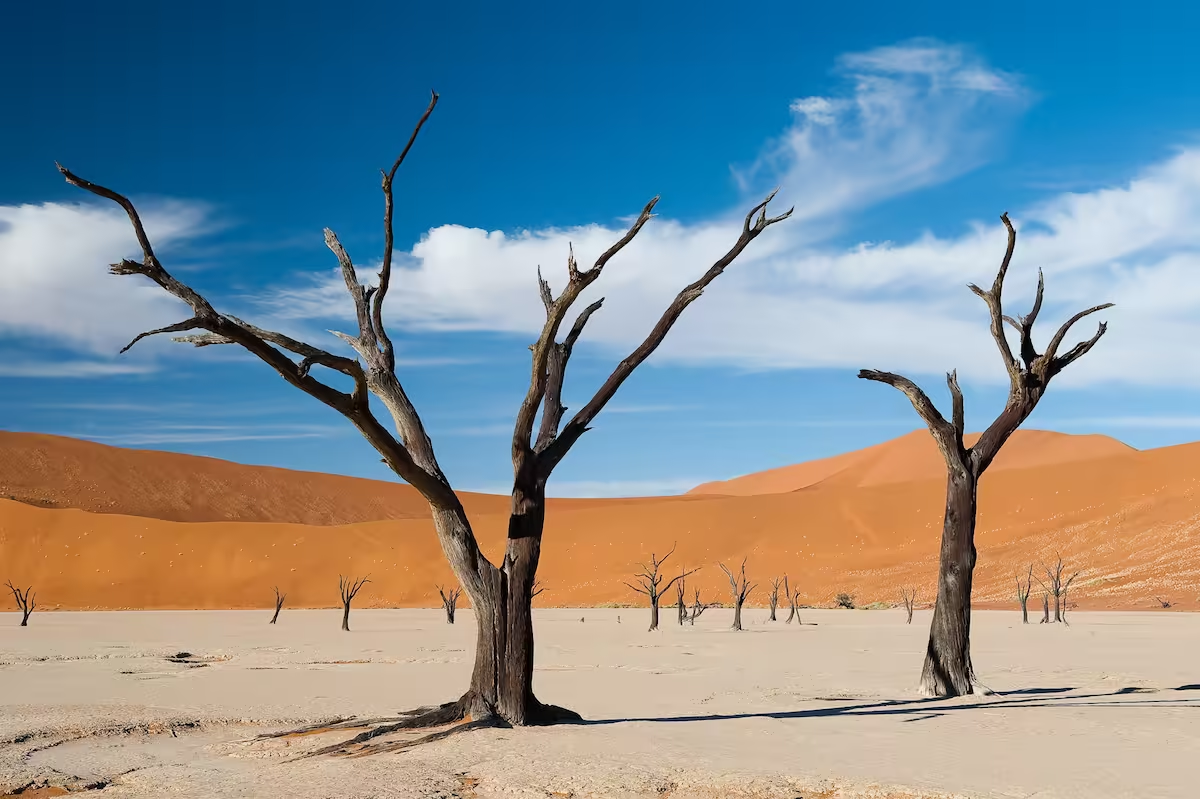
Sossusvlei, Swakopmund and Etosha waterholes - a road trip that is not only about game.
From $2,750
Mara game drives first, then Diani, so the beach days break up the intensity of the drives.
From $4,850
Fifteen route ideas by country and age band. Durations are indicative; every one can be re-cut around school holidays.
Tarangire and Ngorongoro only, with short drives and an early finish every afternoon.
Best for: Younger children, first safaris and families with limited holiday time.
Tarangire, Ngorongoro and the Serengeti at a rhythm that leaves room for the pool.
Best for: Ages six and above and first-time safari families.
Three park days, then a beach week that lets the intensity of the safari settle.
Best for: Families who want wildlife and a genuine break in the same trip.
Nairobi, Amboseli and the Maasai Mara, with the longest drives kept apart.
Best for: Elephant viewing, Kilimanjaro views and first-time visitors.
Samburu or the Mara first, then Diani Beach, so the beach days break up the drives.
Best for: Younger children who need a rest between game-drive blocks.
Cape Town and the Winelands before a private reserve inside the Greater Kruger.
Best for: Families who want a city, a beach and a safari in one route.
Cape Town, the Garden Route, Addo and Greater Kruger with a road-trip element.
Best for: Families who enjoy driving, changing scenery and self-drive freedom.
Short circuit around Kruger and the private reserves on its western boundary.
Best for: Families who want Big Five viewing with a malaria-free option.
Maun, the Okavango Delta and Moremi or Khwai, flown between camps where possible.
Best for: Older children who meet the camp age requirements.
Okavango, Chobe and Victoria Falls - water, elephants and a waterfall finale.
Best for: Teenagers and families who want variety rather than one ecosystem.
Windhoek, Sossusvlei, Swakopmund, Damaraland and Etosha in one road loop.
Best for: Families who like road trips, dunes and changing landscapes.
Kibale, Queen Elizabeth and Bwindi, with chimps and forest walks for older children.
Best for: Families with older children where primate trekking is appropriate.
Kigali, Akagera and Volcanoes National Park, with the trekking element decided by age.
Best for: Families whose children meet the current gorilla-trekking minimum.
South Luangwa and the Lower Zambezi, combining walking, boating and river time.
Best for: Teenagers and families who want a more active safari.
Victoria Falls and Hwange, with canoeing, walking and photography where permitted.
Best for: Families with teenagers who want more than game drives.
Ask us to cut one of these to your dates
There is no universal best age. Some families travel with very young children, while others prefer to wait until children are six, eight or older. The destination, the accommodation and the activity programme matter more than the age alone, and a four-year-old on a short private South Africa safari can have a better trip than a nine-year-old on a two-week driving route.
It can be possible, particularly on a private safari with family-friendly accommodation, but parents need to check individual lodge policies and consider long drives, malaria risk and medical access. The practical answer is that a short stay in a single good lodge works, and a multi-park circuit usually does not.
Children around 6 to 12 often have the best balance between curiosity, wildlife interest and the ability to manage game drives. Older children can take part in more activities, including walking, night drives and trekking where the rules allow it.
Yes. Tanzania offers a wide range of wildlife destinations and activities, but the itinerary should be designed around the children's ages and the specific lodge and activity rules. The northern circuit suits shorter attention spans because the parks are close together, while the southern circuit suits families who already enjoy long days in the vehicle.
Yes. Kenya offers a strong combination of wildlife, conservancies, cultural experiences and coastal extensions, and the private conservancies around the Maasai Mara give families controlled vehicle numbers and, where permitted, night drives and off-road viewing.
It can be, but age restrictions are more common at Botswana camps. Many properties are unfenced and sit beside water, and some activities carry higher minimum ages. Always confirm the selected camp's policy before booking, and expect a private vehicle to be required for families with younger children.
Yes, particularly for families using suitable accommodation and activities. The park authority sets a minimum age of six for its guided game drives and 12 for guided walks, so the itinerary should be built around what each child can actually join.
For younger children, a private vehicle is particularly useful because it lets the itinerary adapt around naps, meals, bathroom stops and attention spans. For teenagers it is less critical but still valuable, because the guide can set a specific wildlife objective for each drive.
Around 5 to 10 safari days works well for many families, although shorter and longer trips can both work. The number of accommodation changes is often more important than the total number of days, which is why the two-night rule matters more than the itinerary length.
Sometimes. The minimum age varies by park, lodge and activity. Published Tanzanian walking tariff guidance includes children aged 12 and above, Kruger's guided walks have a minimum age of 12, and some private camps impose different or higher limits. Check each activity rather than assuming.
Yes. Tanzania with Zanzibar, Kenya with Diani, and southern African safari destinations combined with Mozambique are the most reliable structures. The beach block should come after the safari, not before it, so the drives are not spent looking forward to the pool.
It is set by the wildlife authority in each country and can change, so it must be checked before booking rather than assumed. Families with younger children usually build the itinerary around Akagera, Queen Elizabeth or other savannah parks instead of around a permit the children cannot use.
Enforced with passports, not judgement: permit systems reject the booking name if the date of birth is under 15, and trailhead rangers re-check. The reasoning is consistency across the region (Rwanda, Uganda and DRC all set 15) plus the physical demands of an uncontrolled walk. Under-15 alternatives that same week: Kibale chimps from 12, forest walks, community visits.
Yes. Parts of South Africa, including private reserves in the Greater Kruger and areas around Cape Town and the Garden Route, are frequently chosen by families specifically to avoid prophylaxis decisions. Malaria risk varies by destination and season, so it should be confirmed with a travel-health professional for your exact dates.
They are built from the children's exact ages rather than from an adult rate with a discount assumed. Park tariffs distinguish adult and child charges, lodges set their own sharing rules, and a private vehicle, a family villa or a domestic flight all price differently for a family than for a couple.
Family safari pricing is built from the children's exact ages rather than an adult rate with an assumed discount. Park authorities typically charge minors around half the adult tariff, while lodges set their own sharing rules - some count a child as an adult at 12, others stay free under six. Connecting rooms and family villas often price better per head than extra doubles, so ask for both options.
Yes, and they are one of the strongest formats for a private villa. Look for two-bedroom suites or interconnecting rooms, easy-access rooms, flexible meal schedules, shorter walking activities and reliable medical support. A villa also lets two generations run different rhythms on the same morning.
Stay at least two nights in each location rather than moving every night. A one-night stop creates packing, checkout, transfer, check-in, unpacking and orientation every single day, and children experience those transitions far more intensely than adults.
Most family-focused lodges do, but it is a question to ask before booking rather than on arrival. Confirm cot availability, high chairs, child menu options, how late food can be served, and whether babysitting is available during dinner.
Often, but not always. Safari vehicles are usually built for six to eight seats plus the guide, so a family of five with a private vehicle normally travels comfortably. Ask whether the private rate covers the whole vehicle or is charged per seat.
The dry season concentrates wildlife around water and generally makes sightings easier, which suits shorter attention spans. It is also peak season, so school holidays need booking early. Shoulder months give quieter parks, milder heat and lower rates.
Yes, children need their own passport, and most countries require a separate visa or an electronic authorisation regardless of age. Entry rules differ by nationality and change frequently, so confirm them for every traveller including infants.
Yes, passports do not come in family sizes. Every traveler, newborn included, needs an individual passport plus their own entry authorization, and airlines count infants at check-in the same way. Beyond the visa, South Africa wants an unabridged birth certificate for under-18s and consent affidavits when a child travels with one parent, while East African officers ask for birth certificates whenever names must be checked against the passport. Most infant passports last five years. Carry originals, color copies and cloud scans - documents lost abroad usually start with having only one set.
Where they are permitted at all, night drives usually carry a minimum age set by the property or the park. Conservancies and private concessions are more likely to allow them than national parks, and the age limit is often 12 or older.
Earlier than a couple's trip, because family rooms, villas and connecting rooms are limited and school holidays are the busiest weeks of the year. Six to nine months is comfortable for most seasons, and longer for peak holiday periods.
Layers for cold mornings, a sun hat, sunscreen, closed shoes, insect repellent, a small daypack, a refillable water bottle and a favourite comfort item. Binoculars, a wildlife book and a camera are more useful than a suitcase of entertainment.
Break it, start it early, and put a swimming pool at the end of it. Where the transfer would take more than five hours, a light aircraft is usually worth the cost, particularly with children under about eight.
Two full-day drives back to back, a different lodge every night, more parks than the children can absorb, an itinerary designed from an adult route, and any activity whose minimum age was never checked. The best family safaris are shorter, slower and calmer than the ones people imagine before they travel.
Tell us your children's ages, your travel dates and what matters most - a private vehicle, a pool, a malaria-free reserve, a beach finish or an activity for the teenagers. A specialist replies within 24 hours.