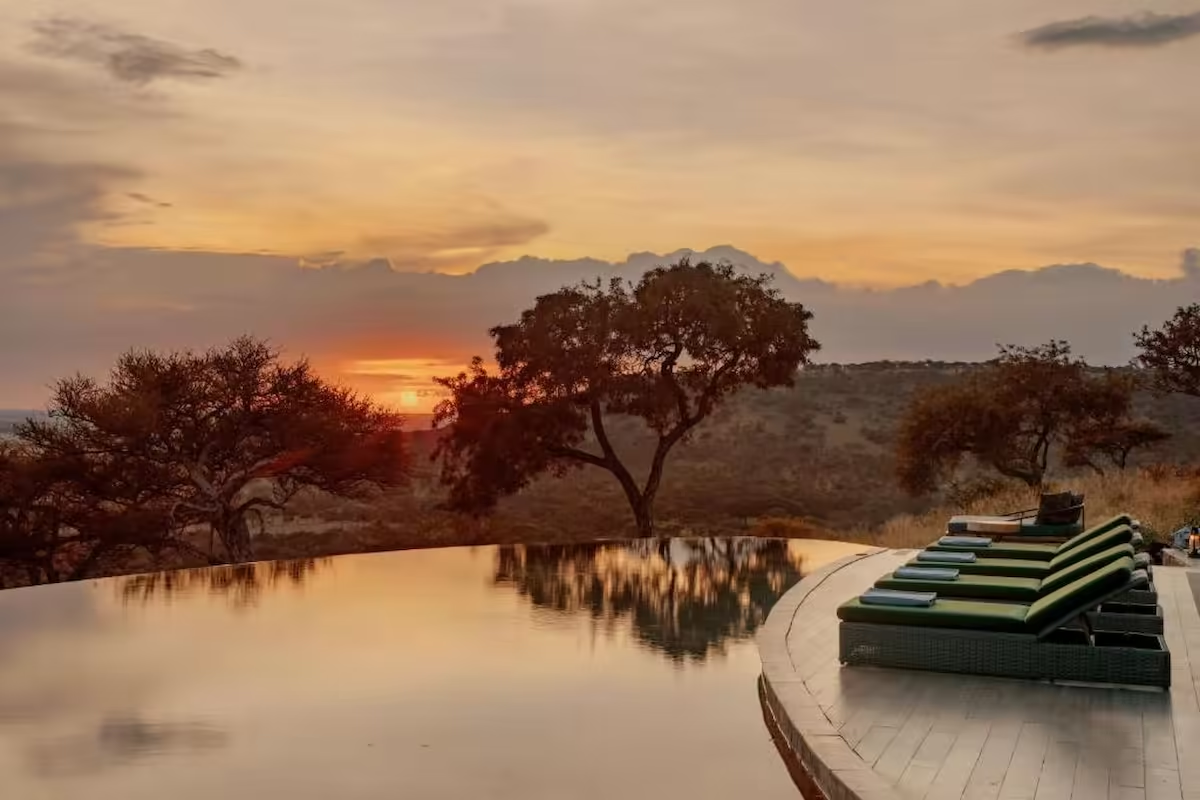
7-Day Tanzania Honeymoon
Arusha, Tarangire, Ngorongoro and the Serengeti for couples who want wildlife only, no beach.
From $3,600

Africa-wide safari hub
Honeymoon safaris for two - private vehicles, bush dinners, plunge pools, star beds and an Indian Ocean finish.
Wildlife, privacy and a beach finish in one journey - built around the two of you rather than around a fixed departure.
A honeymoon safari in Africa combines wildlife, privacy, adventure and relaxation in a single trip. Instead of choosing between a safari and a beach holiday, couples can bring together private game drives, secluded safari suites, bush dinners, private plunge pools, sundowners, star beds and Indian Ocean beaches in one carefully paced journey.
For many couples the right shape is simple: start in the bush, finish beside the ocean. That might mean several days watching lions in the Serengeti, a private dinner under the stars in the Maasai Mara or a boat through the waterways of Botswana, followed by a flight to Zanzibar, Diani Beach, Mozambique, Mauritius or the Seychelles for a few days where nothing has to be done.
A well-designed honeymoon safari is not about seeing as many places as possible. It is about choosing the right combination of wildlife, accommodation, privacy and experiences, then leaving enough time to enjoy each of them. A route with four excellent bases will usually beat a route with seven rushed ones, and on a honeymoon the difference is felt every single day. First safari guide → All safari packages →
Three we book most often for couples. Every other duration and route sits in the collection below.
Arusha, Tarangire, Ngorongoro and the Serengeti for couples who want wildlife only, no beach.
From $3,600
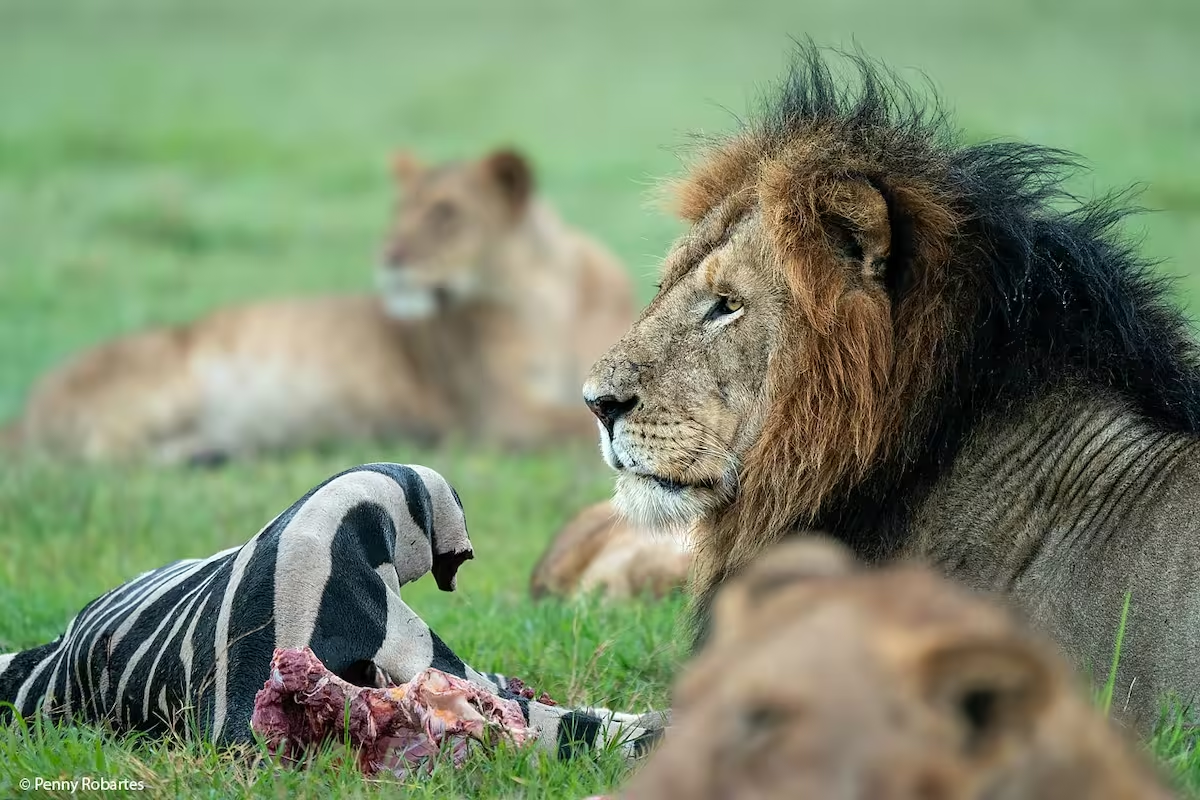
Maasai Mara game drives with a short beach finish - the shortest way to get both halves.
From $3,550
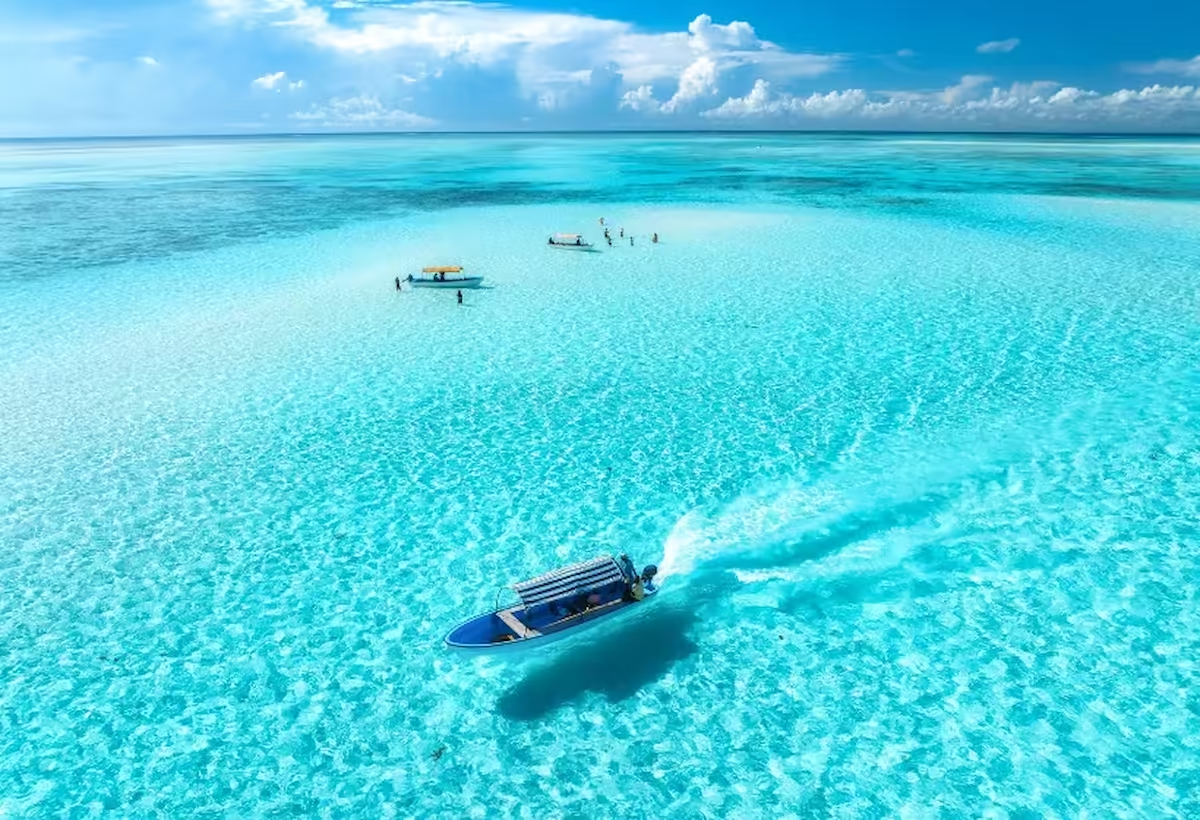
The full bush-to-beach structure: four safari days, then a week on the Indian Ocean.
From $5,500
A standard safari is built around wildlife viewing. A honeymoon has to balance wildlife with privacy, romance, relaxation and flexibility.
That balance changes the way an itinerary is constructed. Rather than changing camps every night, couples can stay two or three nights in one exceptional property. Rather than sharing every game drive, a private vehicle gives the couple control over the pace. Rather than eating in the restaurant every evening, selected nights can be private bush dinners, sundowners on a ridge or an intimate table set somewhere in the bush.
The most valuable honeymoon upgrades are not always the most expensive room. A private vehicle, a secluded camp, one extra night in the right wildlife area and a direct flight to the beach can make more difference to how the week feels than moving every room category up by one grade.
That is worth knowing before the quotes arrive, because it lets a couple spend deliberately rather than spending uniformly. The list below is roughly the order in which these choices tend to earn their keep.
Couples should also decide early whether they are buying a safari or buying a honeymoon with some safari in it. Both are valid; they just build different routes. Private African safaris → Luxury African safaris →
Everything on this page, grouped. Jump straight to the part you need.
Three things that decide whether a honeymoon feels private or merely expensive.
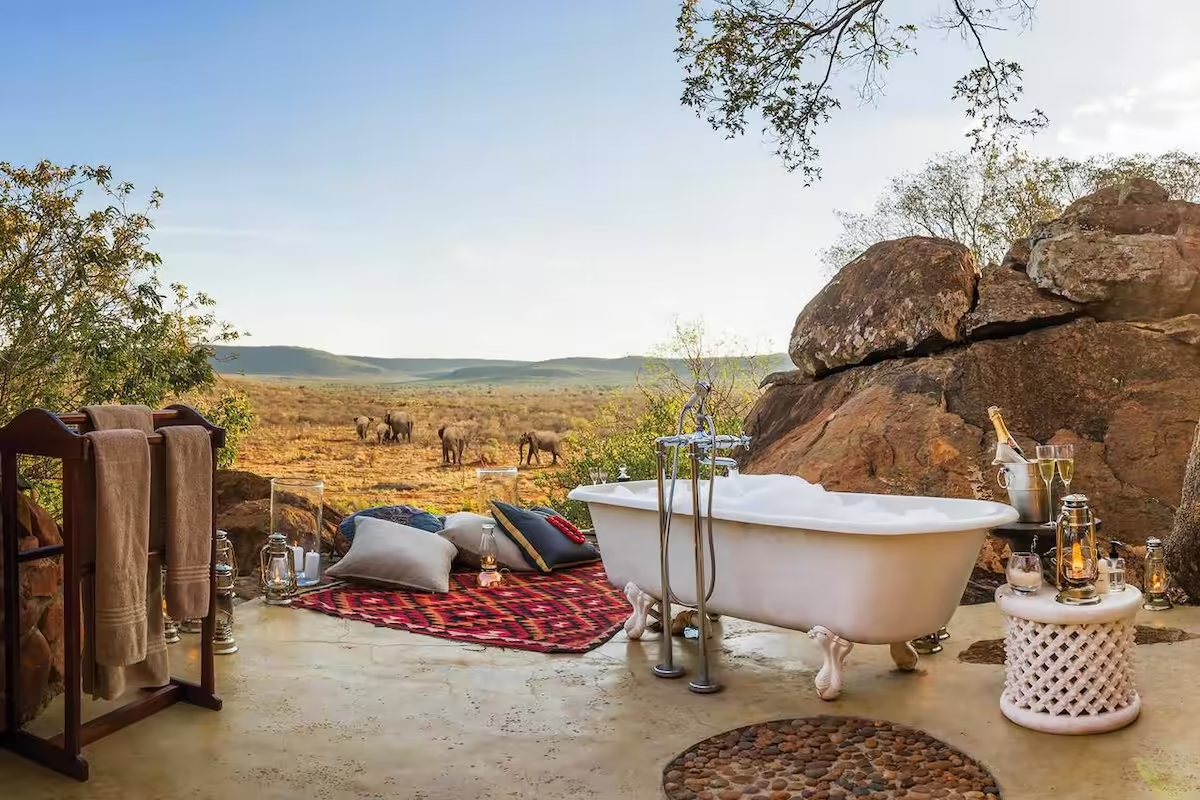
One vehicle, one couple, one guide - so the day bends around you instead of around a group. Why it matters →
Breakfast, a swim and a view before the afternoon drive is what the suite is really for. What to look for →
Three uninterrupted nights beside the ocean is what turns a great trip into a honeymoon. Where to finish →
Six experiences account for most of what couples actually remember. Pick several, not all of them.
A private safari vehicle gives couples control over their days. There is no need to leave a sighting because another guest wants to return to camp, and the guide can adapt the day around photography, wildlife interests, a picnic breakfast or a long sunset drive. For honeymooners, private guiding also builds a more personal relationship between the couple and their guide, which changes the tone of the whole week rather than just the logistics of it.
A private bush dinner is one of the classic honeymoon experiences. Instead of dining only at the lodge restaurant, a camp may arrange a table in a carefully chosen wilderness setting, often with lanterns, a fire and a tailored menu. Depending on the property and local regulations, the setting might be:
Bush dinners are not automatically available at every lodge, so they should be requested when the itinerary is being designed rather than assumed once you arrive.
A private plunge pool turns a safari suite into part of the honeymoon rather than somewhere to sleep. After an early game drive, couples can return to the room, have breakfast, swim, read or simply watch the light change before the afternoon safari. Look for:
Private pools are also available at selected luxury beach properties, which makes it possible to keep the same level of privacy after leaving the safari.
A sundowner is the simplest romantic experience to include. The vehicle stops before sunset, drinks and snacks appear, and the couple watches the landscape change as the sun goes. The experience varies dramatically by destination: a Serengeti sundowner looks across open grassland, an Okavango sundowner sits beside channels and floodplains, and in Zanzibar the same idea continues on the water with a private sunset dhow cruise.
For couples who want something more adventurous, a star bed gives a night under the African sky without giving up the comfort and service of a safari camp. This is available at selected properties and should be checked against the specific camp and season, because availability and safety rules vary considerably.
A sunrise balloon flight gives an entirely different perspective of the landscape. It is particularly associated with the Serengeti and the Maasai Mara, where flights provide aerial views of wildlife and the surrounding plains. A balloon safari can be followed by a bush breakfast, depending on the operator and location. Hot-air balloon safaris → Game drives →
Africa offers very different honeymoon experiences depending on the country - and the right choice has more to do with the two of you than with the wildlife list.
Some destinations focus on classic Big Five viewing, others on remote wilderness, desert landscapes, primates, or simply how easily the safari connects to a beach. The nine countries below cover almost every realistic honeymoon brief, and the sections that follow set out what each one is genuinely good at.
Before choosing a country, decide which shape the trip should take. The shape usually matters more than the map.
Safari first, ocean second. This is the most popular structure and the easiest to pace: several demanding mornings in the wilderness, then three to five nights where there is nowhere in particular to be. Tanzania with Zanzibar, Kenya with Diani and South Africa with Mozambique all follow this pattern.
The Okavango Delta, the Chobe riverfront and Victoria Falls replace the beach with water of a different kind. Mokoro channels, boat safaris and elephants at the river give a honeymoon that feels remote rather than resort-like. Boat safaris →
South Luangwa and the Lower Zambezi, Mana Pools, walking safaris, canoeing and, for some couples, gorilla or chimpanzee trekking. This shape suits couples who would rather earn the view than be driven to it. Walking safaris →
Namibia offers dunes at Sossusvlei, the gravel plains of Damaraland, Etosha's waterholes and some of the darkest skies on the continent. It is the least conventional honeymoon and frequently the most memorable. Sossusvlei → Etosha →
Most honeymoons combine two of these rather than committing to one, and the itinerary design section below shows where the join should sit. How the rhythm works →
Particularly well suited to couples who want safari and beach in the same honeymoon.
The Northern Circuit can combine Tarangire, Ngorongoro and the Serengeti, followed by a short flight to Zanzibar for several days beside the Indian Ocean. That produces one of the clearest honeymoon contrasts in Africa, because the two halves could hardly be more different and the flight between them is barely an hour.
The classic sequence: savannah → wildlife → bush dinner → safari lodge → Zanzibar → beach → ocean → relaxation.
Zanzibar can be extended with Stone Town, spice farms, Mnemba-area marine excursions, private dhow cruises and beach dining depending on the couple's interests. Tanzania honeymoon safaris → Tanzania beach and safari → Safari from Zanzibar →
The Maasai Mara, private conservancies and the Indian Ocean coast in one route.
Kenya gives couples the same bush-to-beach structure as Tanzania, but with conservancies that control vehicle numbers and allow off-road positioning and night drives where national parks generally do not. That is a meaningful difference for a couple who came to photograph rather than to queue.
Kenya honeymoon safaris → Kenya beach safari → Maasai Mara → Balloon safari →
Remote wilderness, water-based safari and camps intimate enough that you rarely see another vehicle.
The Okavango Delta combines waterways, islands, floodplains and dryland habitats, while Moremi and Chobe add further wildlife. Most honeymoons here are fly-in itineraries, which keeps road time down and puts the emphasis on mokoro channels, boat evenings and long, quiet drives.
Camps are unfenced and age or activity rules apply, so the specific property decides what is possible. Botswana honeymoon safaris → Okavango Delta → Chobe →
The broadest combination on the continent: safari, city, wine and coast without a stack of internal flights.
Couples can combine Greater Kruger or Sabi Sand with Cape Town and the Winelands, then continue to the coast or another Indian Ocean destination. Because the country has excellent roads and a mature tourism industry, a honeymoon here can be as relaxed or as programmed as the couple prefers.
Private reserves inside Greater Kruger control vehicle numbers and off-road driving, which is what makes the safari half genuinely good rather than merely convenient. South Africa honeymoon safaris → Kruger →
Desert landscapes, dramatic scenery, remote camps and some of the best night skies anywhere.
Sossusvlei, Damaraland and Etosha can be combined into a road journey or a fly-in itinerary. This is the honeymoon for couples who are not primarily animal-driven: the reward is space, silence and light, with wildlife concentrated at waterholes rather than spread across the day.
Distances are long, so the driving should be cut back for a honeymoon rather than treated as part of the adventure. Namibia honeymoon safaris → Namibia self-drive →
The choice for couples who want a more active safari rather than a passive one.
South Luangwa offers walking and intimate bush experiences, while the Lower Zambezi adds river activities - canoeing, fishing and boat time at the end of the day. Zambia is also one of the few places where a walking safari and a star bed sit naturally inside the same honeymoon.
Walking safaris carry minimum ages and fitness expectations, and camp policies vary, so each activity should be confirmed before booking.
Safari plus Victoria Falls, which is as dramatic a way to end a honeymoon as Africa offers.
Hwange and Mana Pools provide the wildlife while Victoria Falls adds the final chapter. Zimbabwe also runs canoeing and walking in places where the scenery does as much work as the animals, and the guiding standard on private land is among the highest in southern Africa.
There is no dedicated Zimbabwe honeymoon hub on this site yet, so these itineraries are built from scratch against your dates.
Gorilla trekking, rainforest, wildlife and lakeside relaxation in a compact country.
Volcanoes National Park combines naturally with Akagera National Park and Lake Kivu: forest and primates first, savannah and lake second. The trek itself is the centrepiece for most couples, and the quiet days either side of it are what make it work as a honeymoon rather than an expedition.
Permits are limited and separately managed, and trekking carries its own rules, so the permit question decides the route rather than the other way round. Gorilla trekking → Uganda or Rwanda for gorillas →
Gorillas, chimpanzees, traditional safari and lakeside time without a stack of flights.
A longer honeymoon can combine Kibale, Queen Elizabeth and Bwindi, with Lake Bunyonyi as a calm finish. The Kazinga Channel boat cruise is one of the easiest wildlife experiences in East Africa - hippos, elephants and enormous birdlife from a seat with a drink in your hand - and it sits well between two trekking days.
Four Uganda pages to open next: Uganda honeymoon safaris → Uganda safaris → Chimpanzee trekking → Kibale →
For many couples the ideal honeymoon has two clear chapters: bush first, beach second.
The safari provides adventure, wildlife and shared experiences. The beach provides several days where there is nowhere else to go and nothing that has to be done. The order matters: putting the beach first tends to make the safari feel like work by comparison, whereas ending in the water gives the trip a natural decompression.
That said, either order can work depending on flights and travel dates, and some couples deliberately start slowly, go hard in the middle and finish quietly.
Three coast options worth comparing: Tanzania beach and safari → Kenya beach safari → Safari from Zanzibar →
Six finishes, each with a different character. Two of them are not beaches at all.
The default for East African honeymoons and for good reason: it is a short flight from the Serengeti, the water is warm, and the island offers private villas, swimming, diving, snorkelling, sunset dhow cruises, spa treatments, Stone Town and private beach dinners. The north and east coasts are quieter than the west, and the best properties are usually a little removed from the main road.
The most geographically direct Kenyan coast extension after the Maasai Mara. Reef, long sand and enough infrastructure to make the last three nights effortless.
Indian Ocean beaches with a slower, less developed feel than the better-known islands. Pairs well with Greater Kruger or the Lower Zambezi, and works best when the transfer is genuinely direct rather than routed through Johannesburg unnecessarily.
The polished end of the spectrum: shorter flights from South Africa for Mauritius, longer ones for the Seychelles, and a level of service that makes the beach block feel like a proper hotel stay rather than an extension of the safari.
Neither is the ocean, and both are better for some couples. Rwanda's Lake Kivu and Uganda's Lake Bunyonyi give a quiet, green, inland finish that costs no extra flights and keeps the honeymoon in the region where the wildlife was.
Duration should be set by the rhythm you want, not by the number of stamps in the passport.
Suitable for one safari destination: a short Maasai Mara honeymoon, a short Kruger honeymoon, a short Botswana safari or a gorilla-focused Rwanda itinerary. Workable when the wedding and travel dates are tight, and better than stretching a single destination across ten days with nothing new to see.
Useful for Tanzania plus Zanzibar, Kenya plus Diani, Cape Town plus Kruger, Victoria Falls plus Hwange, or Rwanda plus Lake Kivu. This is the sweet spot for most honeymoons because it fits a two-week window with travel time on either side.
Better for two or three safari regions, safari plus beach, safari plus Cape Town, Botswana plus Victoria Falls, or Kenya conservancy plus beach. Long enough that the itinerary can include a rest day without losing anything.
Worth it when combining multiple countries, safari plus beach plus city, Kilimanjaro plus safari plus Zanzibar, Namibia plus Botswana, Zambia plus Zimbabwe plus beach, or gorilla trekking plus a traditional safari.
The important principle is not to overpack the itinerary. A honeymoon should have time for the couple to enjoy the accommodation and the destination rather than spending every day travelling between them. How many days is a safari → When to travel →
Do not choose a property because it is described as luxury. Look at what the couple will actually experience.
Star ratings describe the fixtures. They do not describe whether the suite is secluded, whether the plunge pool is genuinely private, whether the guide will take you back early, or whether the chef will lay a table in the bush at nine in the evening. Those are the things a honeymoon actually turns on.
These details matter more to honeymooners than the star classification alone, and most of them can be answered with a single email before anything is booked. Where to stay →
Five property styles cover almost every honeymoon, and they behave very differently once you are in them.
A permanent building with a restaurant, a bar and usually a pool. Lodges are the most predictable option and the easiest for couples who want service, a proper kitchen and reliable wifi. The trade-off is that the larger the lodge, the less private the experience tends to feel.
Canvas suites on platforms, often in the best positions in the wildlife area. Luxury tented camps offer the same beds and bathrooms as a lodge but sit closer to the sounds of the bush, which is exactly the point for most honeymooners. Seasonal tented camps move with the wildlife and are at their best during the migration.
Multiple bedrooms, a private guide, a private vehicle, a chef and a schedule that belongs entirely to you. This is the strongest option for couples who want total control, and it is often better value than it first appears when two couples travel together.
A raised sleeping platform in the open, with a mosquito net, a lantern and usually a guide within call. It is the most adventurous option and works best as one night inside a comfortable camp rather than as the only accommodation on the trip.
The finish, not the safari. Look for a private plunge pool, a deck and a stretch of sand that is not shared with a beach bar - the same privacy criteria apply as they do in the bush, and the transfer time from the airport matters more than the room size. Accommodation in Tanzania → Accommodation in South Africa →
For a honeymoon, a private vehicle is usually worth considering before anything else on the list.
The case is straightforward. A shared vehicle runs on somebody else's timetable and somebody else's interests, which is fine on a normal safari and quietly corrosive on a honeymoon. With a private vehicle the couple controls the day.
A private safari does not necessarily require the most expensive lodge. Couples can prioritise a private vehicle while choosing a comfortable mid-range or premium property, and that trade tends to improve the trip far more than moving up a room category does. Where the budget is fixed, the vehicle is usually the better place to spend it. Private African safaris → Private safari in Tanzania → Private safari in Kenya →
A honeymoon does not need a romantic moment every few hours. It needs several that genuinely count.
The commonest mistake is treating the trip like a checklist: a bush dinner, then a balloon, then a spa, then a private dinner, then a dhow. By day six the couple is scheduling romance, which rather defeats the purpose. Choose four or five experiences across two weeks and leave the rest of the calendar alone.
A sample fortnight might look like this:
The rest of the time can simply be spent together. What actually makes a honeymoon safari feel romantic is not the number of arranged experiences - it is unhurried mornings, a vehicle with nobody else in it, and an afternoon with nothing scheduled at all.
Fifteen proven structures, with the shape of each one in a single line.
| Duration | Route | Best for |
|---|---|---|
| 7 days | Arusha → Tarangire → Ngorongoro → Serengeti | A pure safari honeymoon with no beach |
| 10 days | Arusha → Tarangire → Ngorongoro → Serengeti → Zanzibar | Private safari followed by a beach stay |
| 12 days | Arusha → Tarangire → Ngorongoro → Serengeti → Zanzibar | Private vehicle, tented camps and several beach nights |
| 14 days | Arusha → Tarangire → Ngorongoro → Serengeti → Zanzibar | A slower safari and real beach relaxation |
| 10 days | Arusha → Serengeti → Ngorongoro → Zanzibar | More time in Zanzibar, shorter safari circuit |
| 8 days | Nairobi → Maasai Mara → Diani Beach | A short honeymoon with a beach ending |
| 10 days | Nairobi → Laikipia → Maasai Mara → Diani Beach | Big wildlife plus a refined coast finish |
| 10 days | Maun → Okavango Delta → Moremi → Chobe | Remote water-based wilderness |
| 9 days | Okavango Delta → Chobe → Victoria Falls | Bush and waterfall instead of beach |
| 10 days | Windhoek → Sossusvlei → Swakopmund → Damaraland → Etosha | Desert scenery and night skies |
| 8 days | Victoria Falls → Hwange → Victoria Falls | Falls as the centrepiece |
| 10 days | South Luangwa → Lower Zambezi | Walking and river activities |
| 7 days | Kigali → Volcanoes → Lake Kivu | Gorilla trekking plus a quiet lake |
| 10 days | Entebbe → Kibale → Queen Elizabeth → Bwindi | Gorillas, chimpanzees and boat safaris |
| 14 days | Maasai Mara → Serengeti → Ngorongoro → Zanzibar | Several iconic landscapes, one ocean finish |
Every row is a starting point rather than a fixed product. See the priced shortlist →
A strong honeymoon itinerary follows a rhythm rather than simply listing destinations.
The rhythm alternates intensity with space, and it ends on the quietest note. In practice a well-built fortnight moves through five phases:
For a Tanzania honeymoon the final transition reads: Serengeti → Zanzibar → beach villa → sunset dhow → free beach day. That change of pace is not decoration - it is the part of the trip where the safari actually lands.
The comparison view: what each country is actually strong at, and what it gives you at the end.
| Destination | Wildlife | Romantic experiences | Adventure | Beach or relaxation |
|---|---|---|---|---|
| Tanzania | Serengeti, Ngorongoro, Tarangire | Bush dinners, private camps, plunge pools | Balloon safari | Zanzibar |
| Kenya | Maasai Mara, Amboseli, Laikipia | Bush dinners, conservancies | Balloon safari | Diani |
| Botswana | Okavango, Moremi, Chobe | Private camps, starry nights | Mokoro, walking | Victoria Falls |
| South Africa | Kruger, Sabi Sand, Addo | Private lodges, dining, spa | Safari plus city | Mozambique or Mauritius |
| Namibia | Etosha, Damaraland | Desert camps, star beds | Self-drive, desert exploration | Optional beach extension |
| Zambia | South Luangwa, Lower Zambezi | Riverfront lodges, private camps | Walking, canoeing | Mozambique |
| Zimbabwe | Hwange, Mana Pools | Bush camps, Victoria Falls | Canoeing, safari | Optional beach |
| Rwanda | Volcanoes, Akagera | Forest lodges, Lake Kivu | Gorilla trekking | Lake Kivu |
| Uganda | Bwindi, Queen Elizabeth, Kibale | Forest lodges, lakes | Gorilla and chimpanzee trekking | Optional Indian Ocean extension |
Cost depends on a dozen choices, most of which are made before the wildlife is ever discussed.
The variables that actually move the number are these, roughly in order of impact:
A honeymoon does not automatically have to be ultra-luxury. Couples can decide where they want to spend more and where they are happy with comfortable and quiet. The three tiers below describe how most couples actually split it. Safari cost explained → Cost breakdown →
Same itinerary, three different ways of spending against it.
Mid-range safari lodges, a private vehicle, one or two selected romantic experiences and quality beach accommodation. This tier usually produces the best honeymoon per dollar, because the private vehicle and a good beach hotel deliver more than a marginal room upgrade would.
Luxury tented camps throughout, a private vehicle, a plunge-pool suite, a bush dinner and a premium beach villa. This is the tier most couples picture when they start planning, and it is where the route is usually trimmed to four bases to afford it.
Private concession access, a luxury suite, charter flights between camps, private dining every night, a plunge pool and an exclusive beach villa. The difference at this level is space and exclusivity rather than a longer activity list.
All three are fully customizable around the couple's priorities and budget, and a good proposal will show the same route priced at two or three levels so the trade-offs are visible. Luxury African safaris → Budget African safaris →
There is no single best month for every African honeymoon destination - and the safari half and the beach half rarely peak at the same time.
The right travel period depends on wildlife expectations, the safari region, the beach destination, rainfall, accommodation availability, budget and any special activity with a fixed season. That is why the starting question should be the wedding date rather than the country.
The safari and beach portions should be considered separately, because the conditions that produce the best wildlife do not always coincide with the best beach weather. The dry months concentrate animals around water; the shoulder months bring fewer vehicles and greener scenery.
The Maasai Mara and the Kenyan coast have different seasonal patterns, so both halves should be checked when choosing dates. The migration in the Mara moves through the year rather than sitting in one place, and the coast is warm and humid through most of it.
The Okavango changes substantially through the year. Floodwaters arrive later than the rains, and different water levels produce genuinely different safaris rather than a better or worse version of the same one.
Regional climate diversity makes year-round itinerary planning possible, although wildlife conditions in the Lowveld differ considerably between wet and dry periods. The winter dry season is the classic wildlife window; summer is greener, hotter and better value.
The dry season is particularly useful for wildlife viewing around Etosha, while the desert landscapes remain attractive throughout the year. Summer heat in the desert is real and should be planned around rather than ignored.
Trekking conditions should be considered alongside general safari weather. Forest trails are harder after heavy rain, and permits are limited whatever the month. Best time for an African safari → January migration safaris → March migration safaris →
The correct order: start with the wedding date → select the safari region → choose the accommodation → add the beach destination.
Two bags, two very different sets of clothes - and the safari list is the shorter one.
Packing should follow the actual itinerary. A Serengeti plus Zanzibar honeymoon needs a different strategy from a Namibia self-drive or a Rwanda gorilla trek, and most lodges run laundry within 24 hours so the practical wardrobe is smaller than people expect. What to pack for a safari → Packing checklist →
A romantic safari should still respect the place it is romantic in.
The luxury of a honeymoon does not need to come at the expense of the environment or the communities around the park. These are the practical points worth raising with an operator before booking:
Couples who ask these questions tend to end up at better camps, because the properties that answer them clearly are usually the ones that run well. Safari safety →
The least romantic part of the planning, and the part most likely to undo a good itinerary.
Most honeymoons start with an international arrival in Nairobi, Dar es Salaam, Kilimanjaro, Entebbe, Kigali, Windhoek or Johannesburg, followed by an internal flight to the first safari base. Schedules are limited, so the international flight should be chosen first and the internal one built around it rather than the reverse.
Remote camps are reached by light-aircraft charter, and charters often fly only on certain days of the week. Road transfers of four hours or more are worth replacing with a flight on a honeymoon, because the day spent driving is a day of the safari gone.
Visa requirements differ by passport and change often, so they should be checked against current official advice rather than a blog post. Travel insurance with medical evacuation cover is essential for remote camps, and any vaccination or medication question belongs with a travel clinic rather than an operator. Safari visas → Travel tips → Best time to visit Tanzania → First safari guide →
Not a fixed product - a demonstration of how the phases alternate on real dates.
| Day | Place | Phase |
|---|---|---|
| 1 | Arusha | Arrival, slow evening, no activity |
| 2 | Tarangire | Adventure - afternoon game drive, private bush dinner |
| 3 | Tarangire | Relaxation - late breakfast, pool, sunset drive |
| 4 | Ngorongoro | Adventure - crater game drive, rim sundowners |
| 5 | Serengeti | Adventure - balloon safari, then a free afternoon |
| 6 | Serengeti | Relaxation - a deliberately empty day in camp |
| 7 | Zanzibar | Transfer - flight to the coast, dinner on the beach |
| 8 | Zanzibar | Beach - private pool and nothing scheduled |
| 9 | Zanzibar | Beach - sunset dhow cruise |
| 10 | Zanzibar | Beach - free morning, departure |
Notice that no two demanding days sit next to each other and that days three and six have almost nothing booked. That is deliberate. See the 10-day honeymoon →
Six groups of decisions, in the order they usually need to be made.
Take the safari quiz → Safari cost guide →
The three above are a shortlist. The rest of the collection - the shorter safari weeks, the coast combinations and the country-by-country honeymoon guides - sits below.
A short northern circuit for couples with a tight window - one long drive day, one crater day.
From $2,600
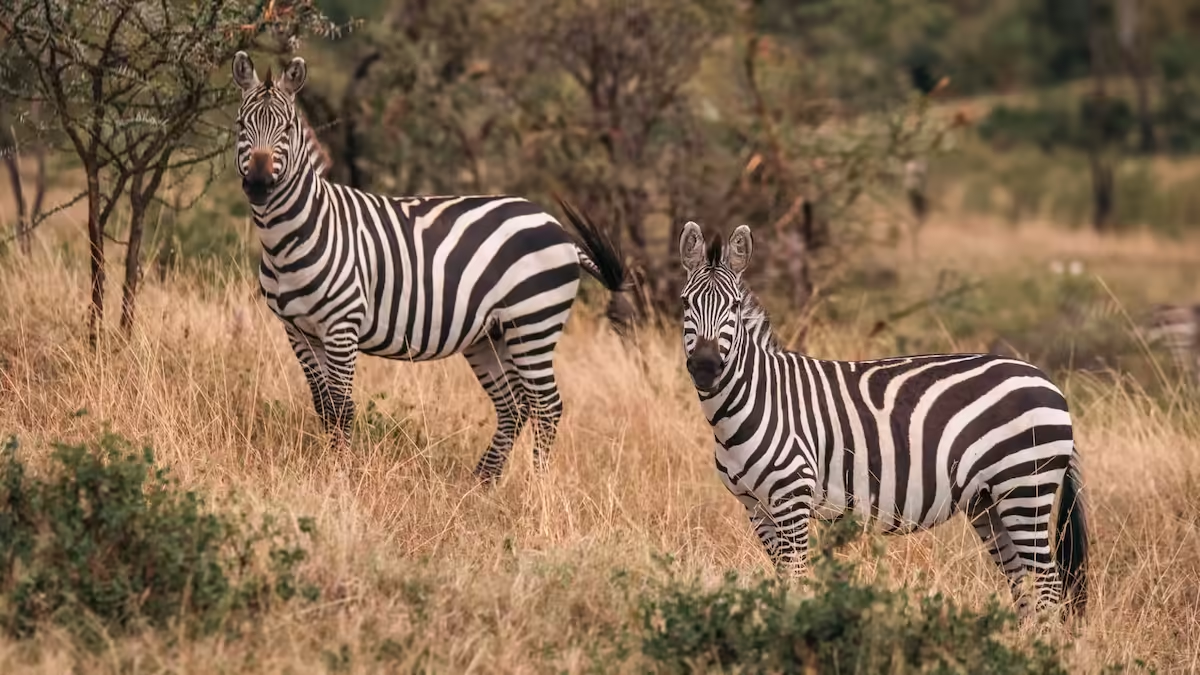
Mara or conservancy nights first, then a proper block of Indian Ocean beach time.
From $5,350
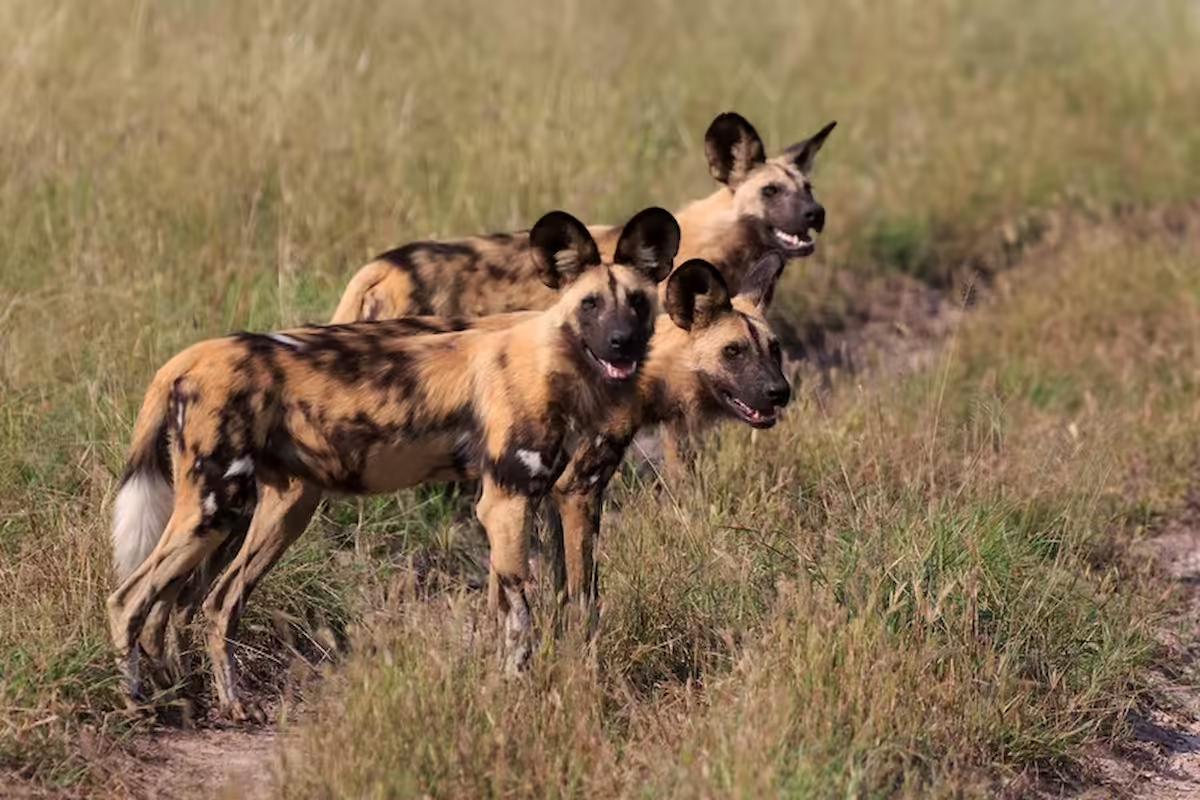
Water-based wilderness, intimate camps and Victoria Falls as an alternative to the beach.
Tailor-made
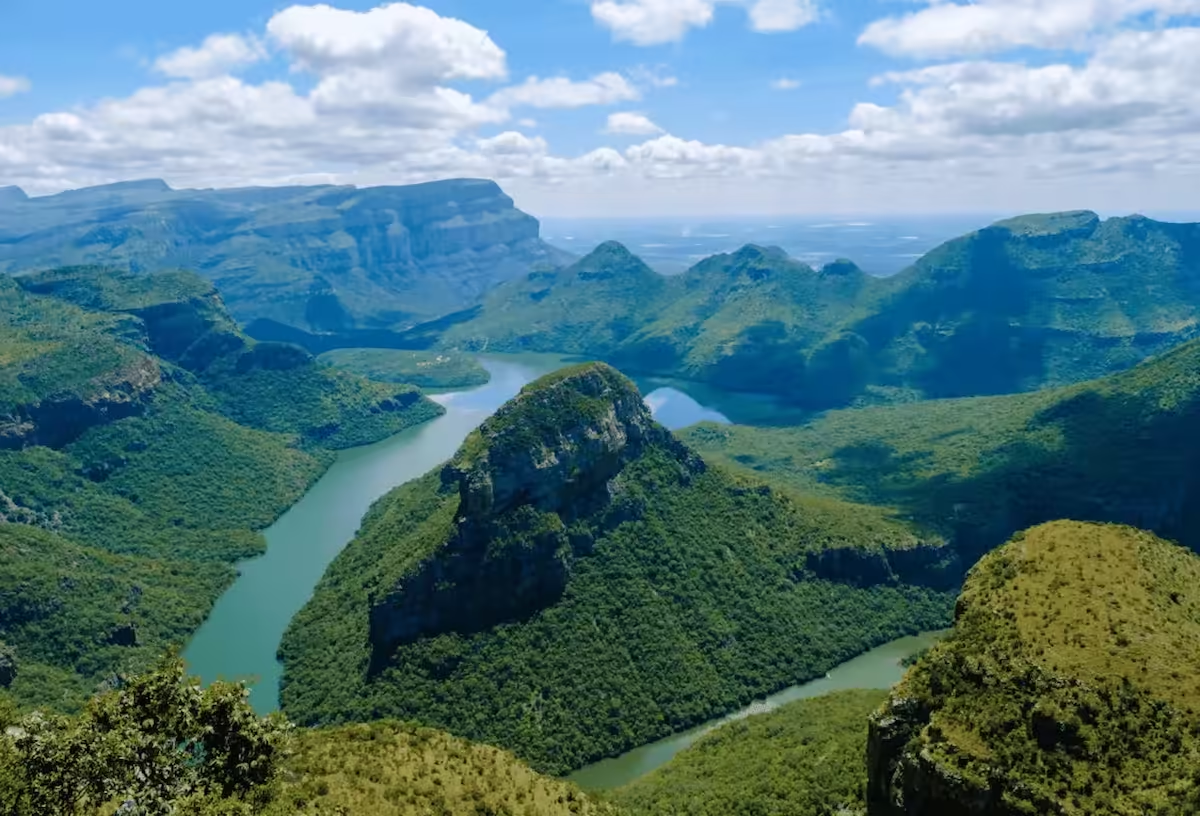
Greater Kruger with Cape Town and the Winelands, and the fewest internal flights of any route.
Tailor-made
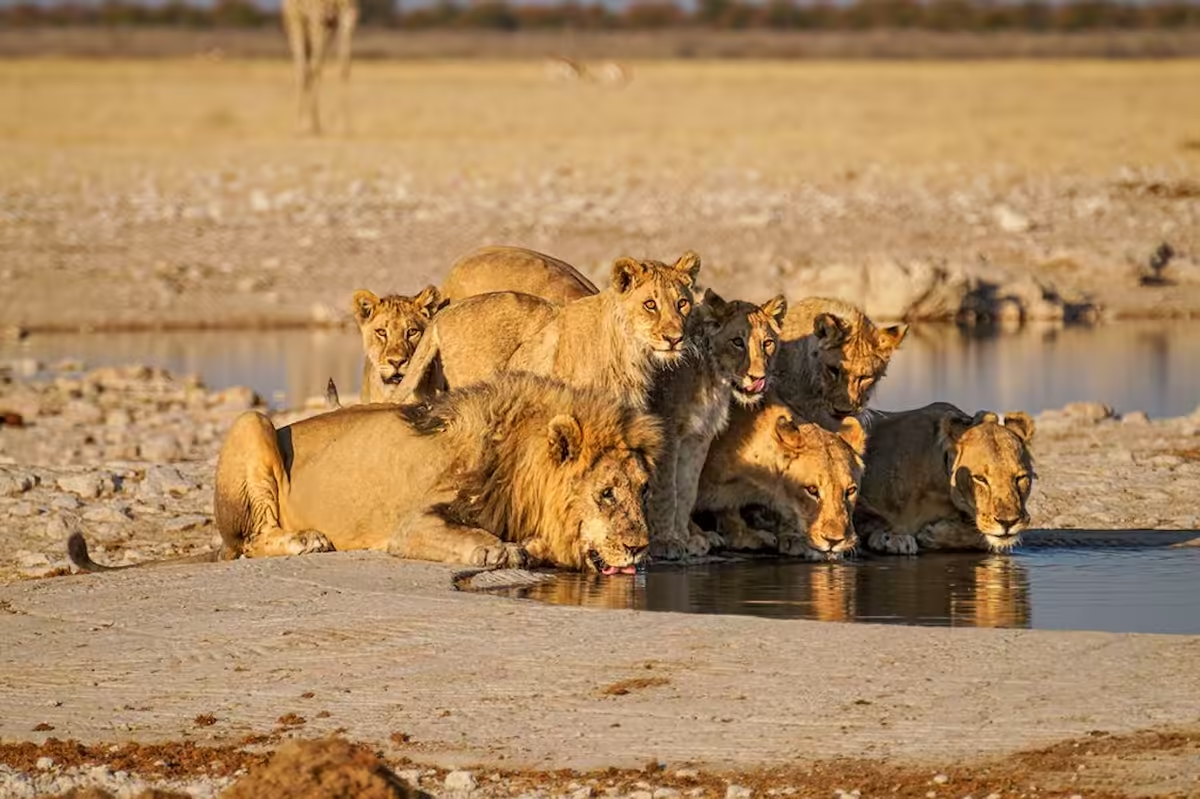
Dunes, Damaraland, Etosha waterholes and the darkest skies on the continent.
Tailor-made
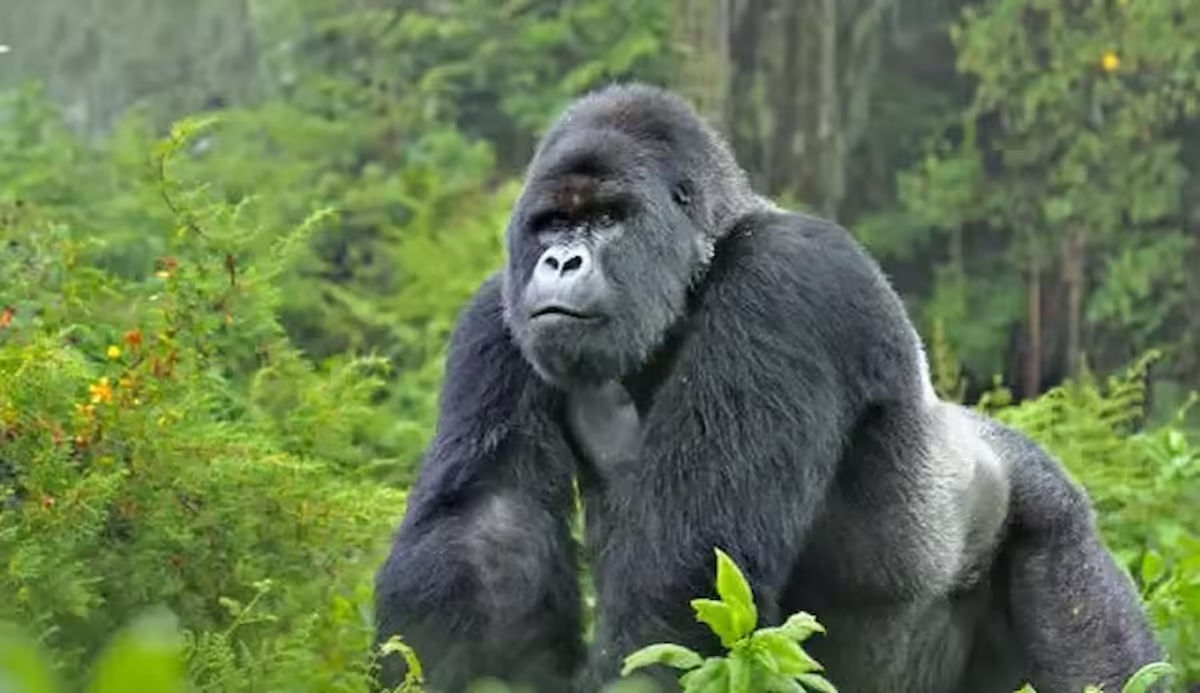
Gorillas, chimpanzees, the Kazinga Channel and a quiet lake finish in one country.
Tailor-made
Fifteen route shapes by country and duration. Every one can be re-cut around your dates, budget and finishing point.
Arusha, Tarangire, Ngorongoro and the Serengeti for couples who want a pure safari honeymoon.
Best for: Wildlife-first couples who do not need a beach.
The classic combination: northern circuit wildlife, then the Indian Ocean.
Best for: Couples who want the clearest bush-to-beach contrast.
Adds a private vehicle, luxury tented camps, selected private dining and several beach nights.
Best for: Couples who want privacy built into every day.
The longer version lets the couple slow down instead of changing accommodation constantly.
Best for: Couples with a full two weeks who hate rushing.
A shorter safari circuit with more time in Zanzibar.
Best for: Couples who would rather trade drives for water.
Nairobi, the Maasai Mara and Diani Beach in one week.
Best for: Short honeymoons with a genuine beach ending.
Mara, a private conservancy and Diani, with a rest day in the middle.
Best for: Couples who want conservancy privacy and reef time.
Laikipia, the Maasai Mara and Diani, with higher-end camps throughout.
Best for: Couples who want big wildlife plus a refined finish.
Samburu, the Maasai Mara and Diani - two very different wildlife worlds.
Best for: Repeat safari travellers who want contrast.
Maun, the Okavango Delta and Moremi or Khwai, flown between camps.
Best for: Couples who want water, silence and small camps.
Okavango, Moremi and Chobe with private guiding throughout.
Best for: Wilderness-focused couples with a real budget.
Delta, Chobe and Victoria Falls - water, elephants and a dramatic finale.
Best for: Couples who want a waterfall rather than a beach.
Windhoek, Sossusvlei, Swakopmund and Damaraland - desert instead of savannah.
Best for: Couples who care about landscape and night skies.
Adds Etosha waterholes to the desert route.
Best for: Couples combining scenery with reliable wildlife.
Volcanoes, Bwindi, Kibale and Lake Kivu or Lake Bunyonyi as a quiet finish.
Best for: Couples who want a trek as the centrepiece.
Ask us to shape one of these around your dates
Yes. Africa can combine wildlife, private accommodation, adventure, fine dining, wilderness experiences and beach destinations within one journey, which is exactly what most couples are looking for.
Around 8 to 14 days works well for most safari-and-beach itineraries. Shorter single-destination safaris and longer multi-country honeymoons are both possible.
Yes. Tanzania combines Serengeti, Ngorongoro and Tarangire with Zanzibar's beaches, so safari and beach sit inside a single itinerary without a long transfer between them.
Yes, and it is one of the most natural pairings in Africa. The typical route is Arusha, Tarangire, Ngorongoro, Serengeti and then Zanzibar, usually by a short domestic flight.
Zanzibar provides several days of beach relaxation after a safari, with private villas, diving, snorkelling, sunset dhow cruises, spa treatments, Stone Town and private dining all available.
Many couples prefer safari first and beach second, because the beach becomes a natural period of rest after early mornings. Either order can work depending on flights and dates.
Yes. Private vehicles can be built into honeymoon itineraries in most safari destinations and give far more flexibility and privacy than a shared game drive.
Often, depending on the lodge, camp, location and local regulations. Ask for it during itinerary planning rather than assuming it will be available on arrival.
Selected camps and lodges in Tanzania, Kenya, Botswana, South Africa, Zambia and Namibia offer them, along with a number of Zanzibar and Indian Ocean beach properties.
Yes, although Diani is the more geographically direct Kenyan coast extension after the Maasai Mara. Zanzibar adds a flight and a different character.
No. A couple can prioritise a private vehicle, intimate accommodation, a special bush dinner and a quality beach stay without booking the highest category everywhere.
It depends on the couple. Some prefer a private bush dinner, others a plunge-pool suite, a balloon flight, a star bed, a walking safari, a sunset boat trip or several quiet days in Zanzibar.
It is driven mainly by season, accommodation category, private versus shared vehicle, internal flights and length. Decide where you want to spend more before asking for quotes.
As a working number, honeymoon safaris start near US$600 per person per day for strong mid-range and pass US$1,200 for private-concession luxury; seven to ten nights plus a Zanzibar finish typically total US$7,000-18,000 per couple depending on flights. The two decisions that move the total most are season and whether the internal flights are scheduled or private charters.
Earlier than a normal trip. The best honeymoon suites and balloon flights are limited, and peak-season camps can be held a long way ahead.
Tanzania and Kenya for classic wildlife plus a beach, South Africa for safari with city and wine, and Botswana for remote wilderness with very few other vehicles.
Yes. Rwanda and Uganda both combine gorilla trekking with chimpanzees, traditional safari and lakeside time, but permits are limited and should be secured first.
For honeymoon routing the practical choice is Uganda: one permit line instead of Rwanda's premium, and Bwindi pairs with Queen Elizabeth and the coast without border-jumping. Timewise, put the trek mid-honeymoon (days 4-6) rather than at the end - if a transfer slips, the beach absorbs it instead of the flight home.
For couples who value the aerial perspective, usually yes. They are most associated with the Serengeti and the Maasai Mara and are often followed by a bush breakfast.
Requirements depend on your passport and change regularly, so check current official advice before booking flights. Most nationalities need an eTA or eVisa of some kind.
Two different systems. Kenya replaced visas with the eTA on 1 January 2024: US$32.50, filed online at least three days before departure, with visa-free entry for South Africa, Singapore, Ethiopia, Namibia, Botswana and most African passports. Tanzania still sells visas on arrival - US$50, US$100 for United States passports - runs its own eVisa, and exempts Kenya, Rwanda, Uganda and the SADC block for 90 days. A Kenya-Tanzania circuit needs both authorisations, because the East African Tourist Visa covers Kenya with Uganda and Rwanda but not Tanzania. These rules moved twice in two years, so recheck your nationality before every booking.
There is no single best month for every destination, and the safari and beach halves rarely peak together. Start with the wedding date, then choose the region.
With a licensed operator and sensible preparation it is a well-established form of travel. Camps brief guests on the basics and the rules in the bush are straightforward.
The itinerary itself is flexible, but many honeymoon properties and some camps have minimum ages for privacy reasons. Tell us at the start if the trip is not just the two of you.
Neutral lightweight clothing and a warm layer for dawn drives, plus swimwear, one smart-casual outfit for dinner and hiking shoes if trekking is on the route.
Usually, and it is worth it. A direct flight replaces a long road day and keeps the transition between the two halves of the honeymoon short.
Yes. Botswana, Zambia and Zimbabwe itineraries can all end at Victoria Falls, which works well as a dramatic finale where a beach finish does not suit you.
Send us your dates, rough budget and the finish you have in mind. A specialist replies within 24 hours with a suggested route and two or three price levels.
The best honeymoon itinerary is not the longest or the most expensive - it is the one where the safari, the accommodation, the romantic experiences and the rest fit naturally together. Tell us your dates, your budget and whether you would rather end in the Serengeti, Zanzibar, the Okavango or the Victoria Falls. A specialist replies within 24 hours.