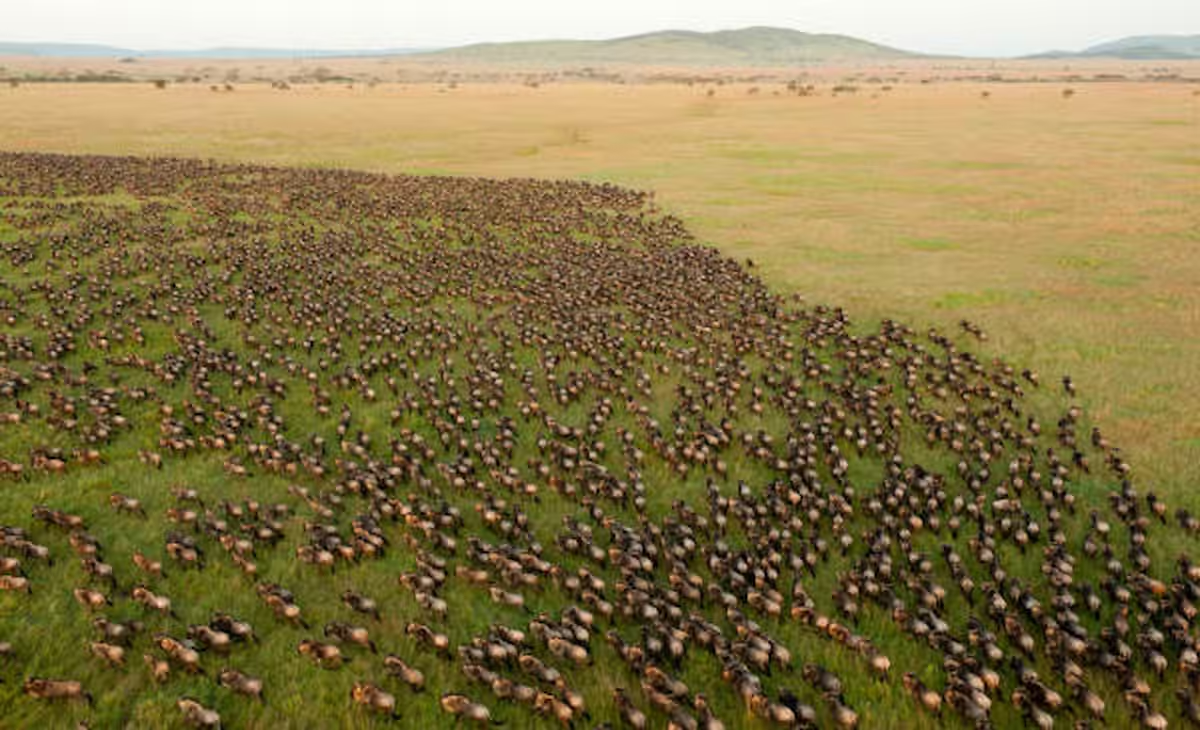
7-Day Tanzania Safari Across the Northern Parks
Arusha → Tarangire → Ngorongoro → Serengeti
Four contrasting northern parks in one week, from baobabs and elephants to crater walls and open plains.

National parks hub
Thirty-two protected areas across ten countries, reviewed the way a safari is actually planned: what the wildlife is really like, how the seasons move, how far it is, how busy it gets and how many nights each place deserves.
Nine factors that decide whether a park works for you, long before any ranking. See the review method →
Tanzania, Kenya, South Africa, Botswana, Namibia, Zimbabwe, Zambia, Rwanda, Uganda and Ethiopia. Start with Tanzania →
Lions, elephants, gorillas, walking, water safaris, self-drive and avoiding crowds. Match the park to the goal →
How many nights each park needs and the errors that quietly cost wildlife days. Plan the nights →
The Serengeti is not simply a larger version of the Maasai Mara. Kruger is not just Southern Africa's Serengeti. Etosha is not primarily about huge herds, while the Okavango is not simply another place to look for the Big Five.
Every protected area has its own ecology, wildlife concentrations, landscapes, access conditions, accommodation styles, seasonal rhythms and limitations. That matters when planning a safari.
A traveler looking for lions and cheetahs may be better served by the Serengeti or the Maasai Mara. Someone fascinated by elephants may prefer Tarangire, Amboseli or Chobe. A photographer looking for dramatic landscapes might choose Etosha, Amboseli or Mana Pools. Someone who wants to walk through wild country may be better suited to South Luangwa or Mana Pools. And a traveler looking for gorillas needs an entirely different type of protected area.
This guide takes a detailed and deliberately honest look at some of Africa's most important national parks and wildlife areas.
Rather than ranking every destination from first to last, we examine:
Some destinations included below are technically national reserves, game reserves or protected areas rather than national parks, because travelers commonly compare them as safari destinations. Where that distinction matters, it is clearly stated. The difference between these designations is set out in national park vs reserve vs private concession.
There is no useful way to rank a national park only by the number of animals it contains. A great safari is influenced by several factors.
How frequently are animals encountered, and how concentrated are they during different seasons?
Does the destination specialize in predators, elephants, rhinos, primates, birds or a broad mixture?
Is the environment itself a major part of the experience?
Some parks become dramatically better during dry seasons, migration periods or seasonal flooding. The Serengeti changes completely between January and September, and the Great Migration follows rainfall rather than a calendar.
Can you reach the park easily by road, or does it require a scheduled or charter flight?
A park can have extraordinary wildlife but still feel different when many vehicles gather around a sighting.
Some destinations are primarily game-drive parks. Others allow walking, canoeing, boating, night drives, horseback riding or specialist activities.
We consider whether travelers can choose between budget, mid-range, luxury and ultra-luxury accommodation. The range available is described on the accommodation page.
Perhaps the most important question: what does the park actually feel like?
Tanzania is one of Africa's strongest safari countries because its protected areas cover dramatically different ecosystems, from Serengeti grasslands to volcanic craters, baobab savannah, coastal wetlands and remote southern wilderness.
Honest verdict: One of Africa's strongest all-round safari destinations, especially for predators, open landscapes and the Great Migration.
The Serengeti covers more than 15,000 sq km and is a UNESCO World Heritage Site. More than 400 bird species are recorded inside the park, and lions, elephants, rhinos, leopards, buffalo, migratory wildebeest, zebras and gazelles are all part of the wildlife community.
But the Serengeti is not one uniform safari area. Its northern, central, western and southern regions can provide very different experiences.
The ecosystem:
These habitats help explain why the park supports such a broad range of wildlife.
The wildlife:
The park's main attractions are the Great Migration, carnivore concentrations, herbivore abundance, endangered species and more than 500 bird species.
The Great Migration: the migration is not an event that happens on one particular day. It is an annual movement through the larger Serengeti-Mara ecosystem, which means the correct Serengeti region depends heavily on the month.
Southern Serengeti: important during the calving season. This is where travelers can experience enormous concentrations of wildebeest and zebra and increased predator activity when calves are being born.
Central Serengeti: the Seronera area is one of the most reliable general wildlife-viewing regions. Its combination of water, woodland, open plains and rocky terrain supports predators throughout much of the year.
Western Serengeti: the Grumeti region becomes important as migrating herds move west and north.
Northern Serengeti: this becomes particularly important during the northern movement and Mara River period.
What the Serengeti does best:
The downside: the Serengeti is huge. A traveler who chooses the wrong region for the season can spend considerable time driving without experiencing the wildlife concentrations they expected. Popular sightings can also attract multiple vehicles.
Best time: there is no single best month.
How long: three nights is workable, four to five nights is very good, and six to eight nights is excellent for a migration-focused or photography safari.
Who should choose the Serengeti: almost anyone who wants a classic East African safari.
Who should consider another park: travelers with only one or two nights may find Tarangire or another compact park easier to experience properly. Comparisons of the main northern Tanzania options sit on the Serengeti guide.
Honest verdict: Extraordinary scenery and wildlife density, but expect other vehicles.
Ngorongoro is not a national park. It is a multiple-use conservation area, which makes it different from the Serengeti. The centerpiece is Ngorongoro Crater, a huge volcanic caldera containing grassland, woodland, wetlands and a lake.
Why the crater is special: wildlife is concentrated within a relatively compact landscape. You may encounter:
What makes it different from the Serengeti: the Serengeti gives you enormous horizons and moving wildlife. Ngorongoro gives you dramatic crater walls, dense wildlife, a relatively compact game-viewing environment, highland landscapes, Maasai cultural landscapes and archaeological importance.
The downside: the crater's accessibility is also its weakness. Because the wildlife-viewing area is compact, vehicles can accumulate around major sightings. If you dislike seeing other safari vehicles, this is one of the main trade-offs.
Best for:
Recommended stay: usually one night in the surrounding area is enough for the crater itself, although the wider conservation area deserves longer if you include highlands, cultural experiences or Olduvai Gorge.
Honest verdict: One of Tanzania's most underrated wildlife parks, especially for elephants and landscapes.
Tarangire covers approximately 2,850 sq km and is defined by the Tarangire River, baobab landscapes, seasonal wetlands and a much larger ecosystem beyond the park boundaries. The park is particularly famous for elephant concentrations and dry-season wildlife gathering around water.
The ecosystem:
The Tarangire River acts as a critical dry-season water source.
The wildlife:
More than 550 bird species and tree-climbing pythons are further reasons to visit.
Why elephants are the star: during dry periods, wildlife from the surrounding ecosystem moves toward permanent water sources. This can create spectacular concentrations around the Tarangire River and wetlands.
The baobabs: Tarangire's scenery is one of its strongest advantages. Large baobabs stand above the savannah, creating photographs that look completely different from the open grasslands of the Serengeti.
The downside: Tarangire's wildlife experience is strongly seasonal. During wetter periods, animals disperse into surrounding areas where water and food are more widely available.
Best time: June to October is generally strongest for concentrated wildlife. January and February can also offer good conditions before the heavier March to May rains.
Activities: permissions vary by season and operator, but Tarangire can include game drives, walking, birding, photography, bush meals and balloon experiences.
Recommended stay: one night is useful, two nights is ideal for most travelers, three nights is worthwhile for photographers or slower itineraries.
Best for: elephants, families, photography, scenery and northern Tanzania itineraries.
Honest verdict: A compact park with extraordinary ecological variety, but not a substitute for the Serengeti.
Lake Manyara covers about 648.7 sq km, including the lake itself. Groundwater forests, the soda lake, tree-climbing lions, flamingos, elephants and more than 400 bird species all sit inside a small area.
Habitats: within a relatively small area you can encounter:
The wildlife:
The park is famous for lions that climb trees, but seeing a tree-climbing lion is never guaranteed. The behavior occurs in other African ecosystems as well.
Birding: Manyara is particularly attractive to birders because its forest, wetland, woodland and lake habitats overlap in a compact area.
Other activities: game drives, bird watching, canopy walkway, boardwalks, walking, canoeing and night drives where permitted.
The downside: the park is relatively compact. For travelers seeking huge herds and extended predator viewing, the Serengeti is stronger.
Recommended stay: one or two nights. It works particularly well between Tarangire and Ngorongoro.
Honest verdict: One of Tanzania's best parks for travelers who value wilderness over convenience.
Ruaha is part of the enormous southern Tanzania ecosystem and feels substantially less developed than the northern safari circuit.
Landscape: expect miombo woodland, baobab-studded plains, rocky hills, seasonal rivers, open grasslands and dry riverbeds.
The wildlife:
Ruaha is known for elephants, vast savannahs, dense woodlands, archaeological sites, rock art and more than 500 bird species.
Why experienced safari travelers like it: Ruaha has a feeling of scale and isolation. There is less pressure to move from one famous sighting to another, and the safari can become more about understanding the ecosystem.
The downside: it requires more time and planning than the northern circuit. For a three-day safari from Zanzibar, it is rarely the right first choice.
Best for:
Recommended stay: three to four nights minimum.
Honest verdict: Best for travelers who want safari activities beyond conventional game drives.
Nyerere is one of Tanzania's major southern protected areas and is particularly suited to combining different safari experiences.
The major difference: the destination can offer game drives, boat safaris, walking, birding, river experiences and wildlife viewing around water.
The wildlife: expect elephant, buffalo, hippo, crocodile, giraffe, zebra, wildebeest, lion, leopard, wild dog and various antelope.
The river experience: a boat safari changes the perspective completely. Instead of watching animals from a vehicle, you approach the ecosystem from the water. This is especially effective for hippos, crocodiles, waterbirds, elephants drinking, buffalo and river landscapes.
The downside: if your priority is maximum predator density, the Serengeti or Maasai Mara may be stronger.
Best for: safari and Zanzibar combinations, couples, families and travelers who want a varied southern Tanzania experience.
Honest verdict: One of Tanzania's most practical short-safari options.
Mikumi is considerably more accessible from Dar es Salaam than Tanzania's remote southern parks. It works as a short-safari destination with consistent wildlife viewing across the Mkata floodplain and road access from Dar es Salaam and Morogoro.
The wildlife: the Mkata floodplain can produce sightings of elephant, lion, buffalo, zebra, wildebeest, giraffe, eland, hartebeest, hippo and crocodile. Wild dogs can also move through the ecosystem.
Why choose Mikumi: if a traveler has two or three days plus time in Dar es Salaam, Mikumi can make much more sense than spending a large portion of the trip driving to a remote park.
The downside: it does not provide the same scale or iconic landscape as the Serengeti.
Best for: short safaris, first-time visitors, weekend trips, travelers based around Dar es Salaam, budget and mid-range safaris.
Honest verdict: A specialist park for travelers interested in rhinos, wild dogs and less-visited Tanzania.
Mkomazi is particularly notable for black rhino conservation and African wild dogs. Black rhinos, African wild dogs, fringe-eared oryx, gerenuk, lesser kudu and more than 450 bird species are the main draws.
The wildlife: potential sightings include black rhino, elephant, buffalo, lion, leopard, African wild dog, gerenuk, oryx, lesser kudu, zebra and giraffe.
Landscape: the park sits near the Pare and Usambara mountain systems, producing scenery that is different from the open Serengeti plains.
The downside: this is not Tanzania's most productive general safari destination. Choose it for its specialist wildlife and lower visitor pressure rather than because it is the country's easiest Big Five park.
Kenya's protected areas are particularly strong for predators, elephants, rhinos, mountain landscapes and the wider Serengeti-Mara ecosystem. Country itineraries are set out on the Kenya safari page.
Important clarification: the Maasai Mara is a national reserve, not a national park. It forms part of the greater Serengeti-Mara ecosystem.
The Mara ecosystem sits inside a Serengeti-Mara system of roughly 30,953 sq km and holds large populations of wildebeest, zebra, buffalo, elephant, giraffe, impala, Thomson's gazelle, topi and other wildlife. Full detail sits on the Maasai Mara guide.
The wildlife: the reserve is particularly famous for lion, leopard, cheetah, wildebeest, zebra, buffalo, elephant, giraffe, hippo, crocodile and hyena.
Predator viewing: this is one of the Mara's biggest advantages. Open grasslands make predators easier to observe than in heavily wooded ecosystems.
Migration: the Mara receives migratory wildebeest and zebra from the wider Serengeti ecosystem. But river crossings are unpredictable. Being in the Mara during migration season does not guarantee a dramatic crossing.
Conservancies vs reserve: this distinction matters. The Mara ecosystem includes the national reserve plus surrounding community conservancies. A private conservancy can provide fewer vehicles, walking, night drives, more exclusive accommodation and private guiding, depending on the conservancy's rules.
The downside: popular areas can become very busy.
Best for: predators, first Kenya safari, short safaris, migration, photography, couples.
Recommended stay: three to four nights.
Honest verdict: One of Africa's best elephant-and-landscape combinations.
Amboseli is a premier destination for close elephant encounters, with grass plains, acacia woodland, bushland, wetlands and more than 400 bird species beneath the backdrop of Mount Kilimanjaro.
The wildlife: elephant, lion, buffalo, cheetah, hyena, zebra, wildebeest, giraffe, hippo and various antelope.
The Kilimanjaro factor: the mountain is one of the park's defining photographic elements. But the mountain is not always visible, and cloud cover can completely hide the summit.
Wetlands: Amboseli's groundwater-fed wetlands attract elephants and other wildlife even when surrounding areas are dry.
Cultural dimension: the surrounding Maasai landscape adds an important human element to the safari.
The downside: Amboseli is not Kenya's strongest destination for predator diversity.
Best for: elephants, photography, families, short Kenya safaris, Kilimanjaro landscapes.
Recommended stay: two nights, sometimes three.
Honest verdict: A destination for scale, wilderness and elephants rather than guaranteed concentrated wildlife.
Tsavo East covers approximately 13,747 sq km, making it Kenya's largest national park. Its semi-arid landscape, Galana River, Yatta Plateau and distinctive red elephants are the defining features.
The wildlife: elephant, lion, leopard, buffalo, giraffe, zebra, wildebeest, oryx, gerenuk, lesser kudu, hippo and crocodile. The park also supports the critically endangered hirola.
The landscape: expect red soils, open plains, acacia scrub, lava landscapes, river systems and huge horizons.
The honest problem: Tsavo is enormous. Animals can be widely dispersed, and you may spend more time searching than you would in a compact wildlife area.
Best for: wilderness, elephants, photography, longer Kenya circuits, safari plus coast.
Honest verdict: A better choice than Tsavo East for travelers who prioritize scenery and varied terrain.
Tsavo West has volcanic landscapes, Mzima Springs, lava flows, hills and the Rhino Sanctuary. Access is possible through several road and air entry points, and Mzima Springs is the signature attraction.
The wildlife: elephant, buffalo, lion, leopard, rhino, hippo, crocodile, giraffe, zebra and various antelope.
Mzima Springs: clear groundwater emerges from the surrounding volcanic landscape and creates an important aquatic habitat, with hippos and crocodiles visible from the viewing points.
The downside: wildlife can be less concentrated than in the Mara.
Best for: scenery, volcanoes, Mzima Springs, rhino, safari plus coast, travelers crossing between Amboseli and the coast.
Honest verdict: One of Kenya's strongest compact rhino and birding destinations.
Lake Nakuru National Park covers about 188 sq km and is particularly important for black and white rhinos. It functions as a flagship rhino sanctuary with approximately 450 bird species, scenic viewpoints and diverse habitats including lake, grassland, woodland and rocky escarpments.
The wildlife: black rhino, white rhino, lion, leopard, buffalo, giraffe, zebra, waterbuck, hippo, flamingos and other waterbirds.
Birding: the lake attracts large numbers of waterbirds, although flamingo numbers fluctuate according to water and ecological conditions.
The downside: the park is compact. It works better as part of a broader Kenya itinerary than as a stand-alone multi-day safari.
Best for: rhino, birding, families, short safaris, combining with the Maasai Mara.
South Africa is unusually flexible because it combines national parks, private reserves, self-drive safaris, luxury lodges and strong domestic infrastructure. Options are summarized on the South Africa safari page.
Honest verdict: Probably Africa's most versatile mainstream safari destination.
Kruger covers almost 2 million hectares and supports 148 mammal species and 546 bird species.
Why Kruger is different: you can build completely different trips inside the same park.
The wildlife: the Big Five are present - lion, leopard, elephant, buffalo and rhino - plus wild dog, cheetah, giraffe, zebra, hippo, crocodile, numerous antelope and extensive birdlife.
Southern vs central vs northern Kruger: southern Kruger is generally more developed and accessible, and excellent for first-time visitors. Central Kruger is known for productive savannah and large concentrations of herbivores and predators. Northern Kruger is more remote, quieter and strongly associated with wilderness.
Activities: game drives, guided walks, wilderness trails, birding, 4x4 trails, backpacking, bush breakfasts, bush braais and mountain biking in selected areas. Night drives are also offered, giving visitors access to nocturnal species that cannot be experienced during normal self-drive hours.
Self-drive: this is one of Kruger's greatest advantages. You do not necessarily need a private safari vehicle and guide.
The downside: the public park can feel busy around famous sightings. The self-drive system also means that inexperienced visitors may sometimes miss animals that a professional guide would locate.
Best for: families, first safari, self-drive, budget, Big Five, long stays, luxury.
Recommended stay: three to five nights.
Botswana is particularly strong for travelers who value low-density tourism, remote camps, water-based safari and private concessions. The country overview sits on the Botswana safari page.
Important clarification: Moremi is a game reserve, not a national park. It is the only officially protected area within the Okavango Delta, where floodplains, waterways, lagoons, grasslands and forests meet. It covers approximately 3,900 sq km and supports more than 400 bird species.
The wildlife: potential sightings include elephant, buffalo, lion, leopard, cheetah, wild dog, hippo, giraffe, zebra, wildebeest, antelope, black rhino and white rhino.
Why Moremi is special: the park combines land safari and water ecosystem, which creates an unusual range of habitats.
Self-drive: Moremi is one of Botswana's important self-drive destinations. But travelers need to understand that remote sandy tracks and water crossings make driving substantially more demanding than driving through Kruger.
The downside: the combination of remoteness and high-end accommodation can make Botswana expensive.
Best for: wilderness, photography, water and land safari, experienced self-drivers, luxury travelers.
Important clarification: the Okavango Delta is not itself a single national park. It is a vast wetland ecosystem containing protected areas, community land and private concessions. The full guide sits on the Okavango Delta page.
What makes it different: water changes the safari. Activities may include mokoro, boat safari, game drives, walking, birding and fishing in permitted areas.
The wildlife: the Delta supports elephant, buffalo, lion, leopard, cheetah, wild dog, hippo, crocodile, giraffe, zebra, wildebeest, lechwe, sitatunga and large numbers of birds.
Seasonal flooding: the Delta's water regime is unusual because the flood pulse arrives largely during Botswana's dry season. That means the period when surrounding land is drying can coincide with spectacular water conditions in parts of the Delta.
The downside: the Delta is expensive, and many of the best camps are accessed by light aircraft.
Best for: luxury safari, water-based safari, photography, couples, honeymooners, experienced travelers.
Honest verdict: Excellent for elephants and river safaris, but the accessible riverfront can be busy.
The Chobe River attracts huge numbers of elephants and other wildlife during dry periods.
The wildlife: elephant, buffalo, lion, leopard, wild dog, hippo, crocodile, giraffe, zebra and various antelope.
Boat safari: the Chobe River provides a completely different viewing angle. It is particularly good for elephants entering the water, hippos, crocodiles, birds, buffalo and sunset photography.
The downside: the Chobe riverfront is one of Botswana's more accessible wildlife areas, and boat traffic can become noticeable.
Best for: elephants, short Botswana itineraries, Victoria Falls combinations, photography.
Namibia is less about dense wildlife concentrations and more about space, landscapes, self-drive freedom and specialized desert ecosystems.
Honest verdict: One of Africa's strongest self-drive wildlife destinations.
Etosha's defining feature is the enormous Etosha Pan and the network of natural and artificial waterholes around it. Water provision is one of the park's most important management activities, and many waterholes require maintenance.
The wildlife: potential sightings include elephant, lion, leopard, black rhino, white rhino, giraffe, zebra, oryx, springbok, wildebeest, kudu, cheetah and hyena.
Waterholes: this is the heart of the Etosha experience. Instead of driving constantly looking for animals, travelers can spend time observing wildlife coming to water. This is particularly powerful during the dry season.
Self-drive: Etosha is extremely well suited to travelers who want to drive themselves.
The downside: it is an arid ecosystem. You should not expect the dense green landscapes of Botswana or the huge migrating herds of the Serengeti.
Best for: self-drive, families, photography, rhino, waterhole viewing, Namibia road trips.
Recommended stay: two to four nights.
Zimbabwe offers exceptional wildlife value, large national parks and some of the continent's strongest walking and canoeing country.
Honest verdict: An excellent elephant destination with much more than elephants.
Hwange covers approximately 14,650 sq km and is Zimbabwe's largest national park. It holds Zimbabwe's largest elephant population, with around 100 mammal species and nearly 400 bird species.
The wildlife: elephant, lion, leopard, buffalo, wild dog, cheetah, roan, sable, giraffe, zebra, wildebeest and numerous antelope.
Landscape: the park contains savanna, teak woodland, mopane woodland, grassland and artificial waterholes.
Why waterholes matter: because permanent natural water is limited in many areas, managed water points become particularly important during dry periods. This can create excellent viewing.
The downside: wildlife is not concentrated uniformly across the park, so the location of accommodation matters.
Best for: elephants, wild dogs, birding, remote safari, Victoria Falls combinations.
Honest verdict: One of Africa's most distinctive wilderness destinations for walking and canoeing.
Mana Pools lies along the Zambezi River and covers approximately 2,196 sq km. The four major pools and the concentration of hippos, crocodiles, elephants and aquatic birds around them define the park.
The wildlife: elephant, buffalo, lion, leopard, wild dog, hippo, crocodile, various antelope and approximately 380 bird species.
Walking: Mana Pools is unusual because walking experiences can be extraordinarily close to wildlife. This should never be interpreted as casual wildlife interaction. Unsafe or unethical behavior around dangerous animals is unacceptable, and responsible conduct is required.
Canoeing: the Zambezi provides a water-based safari experience unlike most conventional game-drive destinations.
The downside: Mana Pools is remote and is better suited to experienced safari travelers.
Best for: walking, canoeing, photography, wilderness, experienced travelers.
Zambia is where the modern walking safari was refined, and its parks are built around rivers, lagoons and mobile camps rather than around high-volume tourism.
Honest verdict: One of Africa's best destinations for walking safaris and serious wildlife enthusiasts.
South Luangwa covers approximately 9,050 sq km and is built around the Luangwa River and its oxbow lagoons. Intense wildlife concentrations gather around the river, with more than 400 bird species and a long association with walking safaris.
The wildlife: elephant, lion, leopard, wild dog, buffalo, hippo, crocodile, Thornicroft's giraffe, puku, impala, zebra and numerous antelope.
Seasonal transformation: during the dry season from April to October, vegetation is lower, wildlife concentrates around water and game viewing is stronger. During the green season from November to March, vegetation is lush, migratory birds arrive and the skies are dramatic, but wildlife visibility is more difficult.
Walking safari: walking is one of South Luangwa's defining experiences. The park is regarded as the birthplace of the modern walking safari tradition, with mobile walking routes into remote areas.
Night drives: another major advantage is the opportunity for nocturnal wildlife viewing in suitable safari areas.
The downside: access requires more planning than Kruger or Maasai Mara.
Best for: walking, leopards, wild dogs, photography, experienced safari travelers.
Honest verdict: A safari for people who want to do things, not just drive around looking for animals.
The Zambezi River is central to the experience. Activities can include canoeing, boating, fishing, walking, game drives and birding.
The wildlife: elephant, buffalo, hippo, crocodile, lion, leopard, wild dog and various antelope.
The strength: the combination of land and water activities.
The weakness: it is not the destination to choose solely to maximize Big Five sightings.
Best for: couples, active travelers, honeymooners, repeat safari travelers, water-based safari.
Rwanda's national parks require a completely different approach. Its strongest wildlife experiences are divided between savannah, rainforest and mountain ecosystems, and gorilla permits shape most itineraries. See gorilla trekking for the practical detail.
Honest verdict: One of the world's premier mountain-gorilla destinations.
Volcanoes National Park protects the Rwandan section of the Virunga Massif. The park contains mountain gorillas, golden monkeys, forest elephants and other forest wildlife, numerous smaller mammals and more than 200 bird species. The landscape includes bamboo, montane forest, swamp, heath and volcanic slopes.
The volcanoes: the Virunga chain includes Karisimbi, Bisoke, Sabinyo, Gahinga and Muhabura. Karisimbi rises to approximately 4,507 metres.
Gorilla trekking: this is the main reason most international travelers come, but trekking can be physically demanding. Rainforest terrain can involve mud, steep slopes, dense vegetation, high altitude and long walking periods.
Other activities: golden monkey trekking, volcano hikes, Dian Fossey-related experiences, cultural experiences and hiking.
The downside: this is not a Big Five safari.
Best for: gorilla trekking, honeymoons, primates, mountain landscapes, specialist travelers.
Honest verdict: A remarkably compact Big Five destination with a strong conservation story.
Akagera combines savannah, woodland, wetlands, lakes and hills. Lions and eastern black rhinos have been reintroduced, and the park supports elephants, buffalo, giraffe, zebra and around 490 bird species.
Lake Ihema: the boat trip is one of the park's strongest experiences. It can reveal hippos, crocodiles, waterbirds, elephants, buffalo and wetland landscapes.
The downside: Akagera is compact compared with the Serengeti or Kruger. The wildlife scale is not comparable to those enormous ecosystems.
Best for: short Rwanda safaris, families, Big Five enthusiasts visiting Rwanda, birding, boat safaris, conservation-focused travelers.
Honest verdict: A specialist rainforest and primate destination rather than a conventional safari park.
Nyungwe is one of Africa's oldest rainforests. The forest holds 13 primate species, including chimpanzees, around 300 bird species and a significant number of Albertine Rift endemics.
The wildlife: chimpanzees, colobus monkeys, L'Hoest's monkeys, blue monkeys, golden monkeys, owl-faced monkeys, baboons, bushbabies and potto.
Forest experience: this is a walking and tracking destination, and the forest itself is part of the attraction.
The downside: do not compare Nyungwe directly with the Serengeti. You come here for primates, birds and rainforest.
Uganda combines savannah, wetlands, lakes and forest habitats within a single country, which makes it unusually varied for travelers willing to accept longer driving days.
Honest verdict: One of Uganda's most diverse safari destinations.
Queen Elizabeth covers about 1,978 sq km and contains savannah, wetlands, lakes and forest habitats. More than 95 mammal species and more than 600 bird species live here.
The wildlife: elephant, buffalo, lion, leopard, hippo, Uganda kob, waterbuck, hyena, chimpanzee in forest areas and numerous primates.
Kazinga Channel: the 40-km channel connecting Lake Edward and Lake George is one of Uganda's strongest wildlife-viewing locations. Boat trips can produce close views of hippos, crocodiles, buffalo, elephant and waterbirds.
Ishasha: Ishasha is famous for tree-climbing lions. The behavior is famous, but sightings are never guaranteed.
The downside: wildlife density is not consistently comparable with the Mara or Serengeti.
Honest verdict: An unusually complete Uganda safari destination combining wildlife, river and one of the country's most dramatic natural features.
Murchison Falls is Uganda's largest national park at about 3,840 sq km. It holds 144 mammal species and 556 bird species.
The waterfall: the Victoria Nile is forced through a gorge only around eight metres wide before plunging approximately 45 metres. The result is one of East Africa's most dramatic waterfalls.
The wildlife: elephant, giraffe, buffalo, lion, leopard, Uganda kob, hippo, Nile crocodile and numerous antelope.
River safari: the Nile boat cruise is one of the park's strongest experiences. The river attracts animals to the banks, creating opportunities for close observation.
Birding: the park is particularly interesting for birders, including shoebill opportunities around suitable wetland habitat.
The downside: driving distances within Uganda can be substantial.
Honest verdict: For travelers who want remote Uganda rather than easy Uganda.
Kidepo covers about 1,442 sq km and lies in the semi-arid Karamoja region. This is Uganda's most remote and least explored national park, with more than 77 mammal species and over 476 bird species.
The wildlife: Kidepo has several species and ecological characteristics not typical of southern Uganda. Potential highlights include lion, buffalo, elephant, giraffe, zebra, cheetah, ostrich, hartebeest and various antelope. The park is also important for Rothschild's giraffe.
Narus Valley: during dry periods, the Narus Valley becomes an important wildlife concentration area.
The landscape: Kidepo looks dramatically different from Uganda's rainforest parks. Expect golden plains, mountain ranges, dry riverbeds, rocky landscapes and semi-arid vegetation.
The downside: it is remote. Kidepo lies around 700 km from Kampala, and scheduled or charter flights are the most practical access for many travelers.
Best for: remote wilderness, photographers, repeat safari travelers, adventure travelers.
Honest verdict: One of Africa's premier chimpanzee destinations.
Kibale should be chosen for primates rather than Big Five. The main attraction is chimpanzee trekking, and the forest also supports numerous monkey species and exceptional birdlife.
Best for: chimpanzees, primates, forest, birding, combining with Queen Elizabeth.
The downside: if your dream safari is lions, elephants and open plains, Kibale is the wrong park.
Honest verdict: One of Africa's most important gorilla destinations, but trekking can be physically demanding.
Bwindi is Uganda's most popular gorilla trekking destination and holds roughly half of the world's mountain gorilla population. The park has four major trekking sectors: Buhoma, Ruhija, Rushaga and Nkuringo. Permit and itinerary detail sits on the gorilla trekking page.
The terrain: this is rainforest and mountain terrain. Expect steep slopes, dense vegetation, mud, humidity and uneven trails.
Gorilla trekking: treks can last approximately two to seven hours depending on where the gorilla family is located. Observation with the habituated family is limited to one hour under the standard trekking format.
The downside: fitness matters. Someone expecting a normal game drive may underestimate the physical nature of this experience.
Ethiopia's protected areas are highland trekking and endemic-wildlife country rather than savannah safari country, and they suit travelers who are already planning time in the highlands. See the Ethiopia safari overview.
Honest verdict: One of Africa's great mountain landscapes, especially for endemic wildlife and trekking.
Simien is not a classic savannah safari. It is about escarpments, deep valleys, high plateaus, geladas, Walia ibex, Ethiopian wolves and mountain scenery.
The wildlife: the most important species include gelada, Walia ibex, Ethiopian wolf, hyrax and various birds of prey.
The landscape: the dramatic cliffs are as important as the animals.
Best for: hiking, endemic species, photography, mountain landscapes, adventure travelers.
The downside: infrastructure and safari logistics are less developed than in Tanzania, Kenya or South Africa.
Honest verdict: One of Africa's strongest specialist destinations for Ethiopian wolves and high-altitude wildlife.
Bale combines high-altitude plateau, Afro-alpine vegetation, moorlands, bamboo forests and Harenna Forest.
The wildlife: the park is particularly important for Ethiopian wolf, mountain nyala, Menelik's bushbuck, bale monkey, giant mole rat and numerous endemic birds.
The Ethiopian wolf: this is one of the primary reasons specialist wildlife travelers come to Bale.
The downside: it is not a Big Five safari. You need to travel with the right expectations.
Wildlife is usually the first filter travelers apply, and it is worth being precise about which parks actually deliver a species reliably.
Strong options include Serengeti, Maasai Mara, Kruger, Ruaha, Moremi, Queen Elizabeth and Hwange. But lion sightings remain wildlife sightings - never guarantees.
Consider Serengeti, Maasai Mara, South Luangwa, Kruger, Moremi and Lower Zambezi. South Luangwa has a particularly strong reputation among specialist safari travelers because of the combination of riverine habitat, prey and relatively low visitor density.
Consider Serengeti, Maasai Mara, selected Botswana areas and Kruger. The open plains of East Africa are particularly favorable for observing hunting behavior.
Consider Kruger, Lake Nakuru, Etosha, Ngorongoro, Tsavo West, Mkomazi and Akagera. Lake Nakuru is Kenya's oldest managed rhino sanctuary and holds both black and white rhino populations.
Consider Ruaha, Serengeti, South Luangwa, Hwange, Moremi, Mana Pools and selected greater Kruger areas. Wild dog sightings are never guaranteed and are influenced heavily by pack movements.
Africa's safari parks are also major birding destinations. Strong choices include Serengeti, Tarangire, Lake Manyara, Kruger, Okavango, Moremi, South Luangwa, Murchison Falls, Queen Elizabeth, Nyungwe, Kidepo and Bale. Tarangire alone records more than 550 bird species.
A photographer should not simply ask where the most animals are. The better questions are these.
Strong photographic choices:
The practical side of photographing from a vehicle is covered on the photographic safaris page, and the longer treatment of light, hides and mileage sits on the photographic safaris hub.
Walking changes the safari completely.
You stop looking only for large animals and begin noticing tracks, dung, plants, insects, birds, sounds, smells, small mammals and predator signs.
Strong walking destinations include South Luangwa, Mana Pools, Lower Zambezi, Ruaha, Nyerere, selected private Botswana concessions and selected Kruger wilderness trails. Kruger operates wilderness trails where visitors spend time in primitive camps and explore wilderness areas on foot with trained guides.
If you want to experience Africa from the water rather than only from a 4x4, consider:
The strongest family destinations are not necessarily the parks with the most wildlife.
Families should consider transfer distances, child age restrictions, private vehicle requirements, accommodation layout, swimming pools, medical access, activity restrictions and ease of travel.
Strong choices:
Family-specific planning is set out on the family safaris page.
Honeymoon travelers often value privacy, luxury accommodation, scenic landscapes, private vehicles, bush dinners, plunge pools, spa facilities and exclusive experiences. Strong options include Serengeti, Ngorongoro, Maasai Mara, Okavango, Moremi, Sabi Sand and greater Kruger, South Luangwa and Volcanoes. See the honeymoon safaris page.
If low visitor density is important, look beyond the famous names. Consider Ruaha, Nyerere, South Luangwa, Lower Zambezi, Kafue, Mana Pools, remote Botswana concessions, northern Kruger, remote Namibia and selected Kenya conservancies.
However, crowd levels are seasonal and highly dependent on the exact area of a park.
This distinction is critical when comparing safari destinations.
Usually managed as a public protected area with established visitor regulations. Examples: Serengeti, Kruger, Etosha, Amboseli, Tsavo, Hwange and South Luangwa.
May operate under different management structures. Examples: Maasai Mara National Reserve and Moremi Game Reserve.
Often community-owned or privately managed land surrounding major wildlife areas. Kenya's Mara ecosystem is the clearest example, because wildlife moves between the reserve and the surrounding conservancies, and several conservancies sit around the Mara National Reserve.
A tourism concession can offer different activities and a more exclusive experience, subject to local rules. This can include night drives, walking and off-road viewing where permitted.
Useful for Tarangire, Lake Manyara, Amboseli, Akagera and Chobe.
Good for Tarangire, Amboseli, Lake Nakuru, Chobe and Akagera.
Better for Serengeti, Maasai Mara, Kruger, Moremi, South Luangwa and Queen Elizabeth.
Best for photography, migration, private concessions, remote wilderness and specialist wildlife trips.
There is no single winner.
One of the most important principles in African safari planning is this: choose the ecosystem first, choose the accommodation second.
A luxury lodge in the wrong wildlife area can produce a less satisfying safari than a mid-range camp in the right location. The correct order is usually:
Travel dates → wildlife objective → ecosystem → park or reserve → route → accommodation → vehicle → activities
That is particularly important for Great Migration safaris, photographic safaris, family safaris, gorilla trekking, walking safaris, luxury safaris and honeymoons.
Start with the country overview: Tanzania, Kenya, Botswana, Namibia, South Africa, Uganda and Ethiopia.
Tanzania's protected-area network runs from Nyerere and Ruaha to Mkomazi, Udzungwa, Rubondo and Kitulo, which shows how much more varied the country is than the northern safari circuit alone.
The purpose of this guide is not to tell every traveler to visit the same famous park. It is to make the choice more intelligent.
And if you want a safari that combines several of these experiences, the best solution is usually not to visit as many parks as possible. It is to select two or three ecosystems that complement one another. That is where itinerary design becomes more important than a simple list of best national parks. Request a proposal with your dates, wildlife priorities and pace, and the route comes back built around them.
These itineraries show how a park-focused trip is usually structured. Every one of them can be shortened, extended or combined with a beach finish.
Arusha → Tarangire → Ngorongoro → Serengeti
Four contrasting northern parks in one week, from baobabs and elephants to crater walls and open plains.
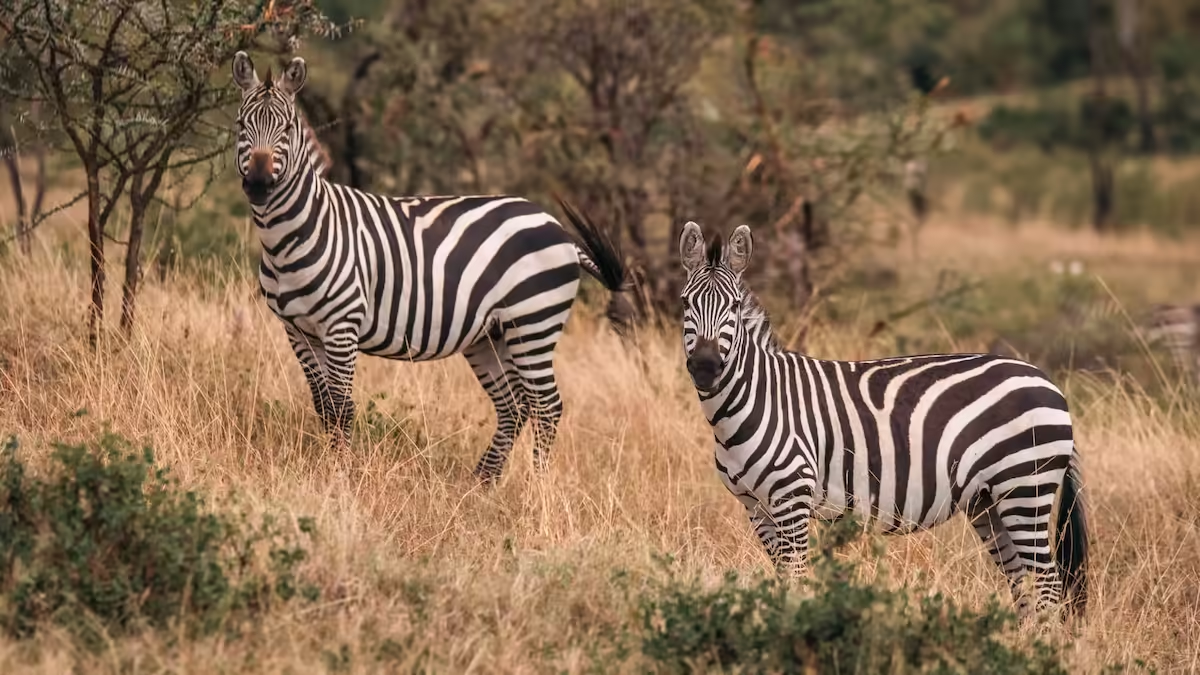
Nairobi → Amboseli → Lake Nakuru → Maasai Mara
Elephants and Kilimanjaro, rhinos and flamingos, then the predator country of the Mara.
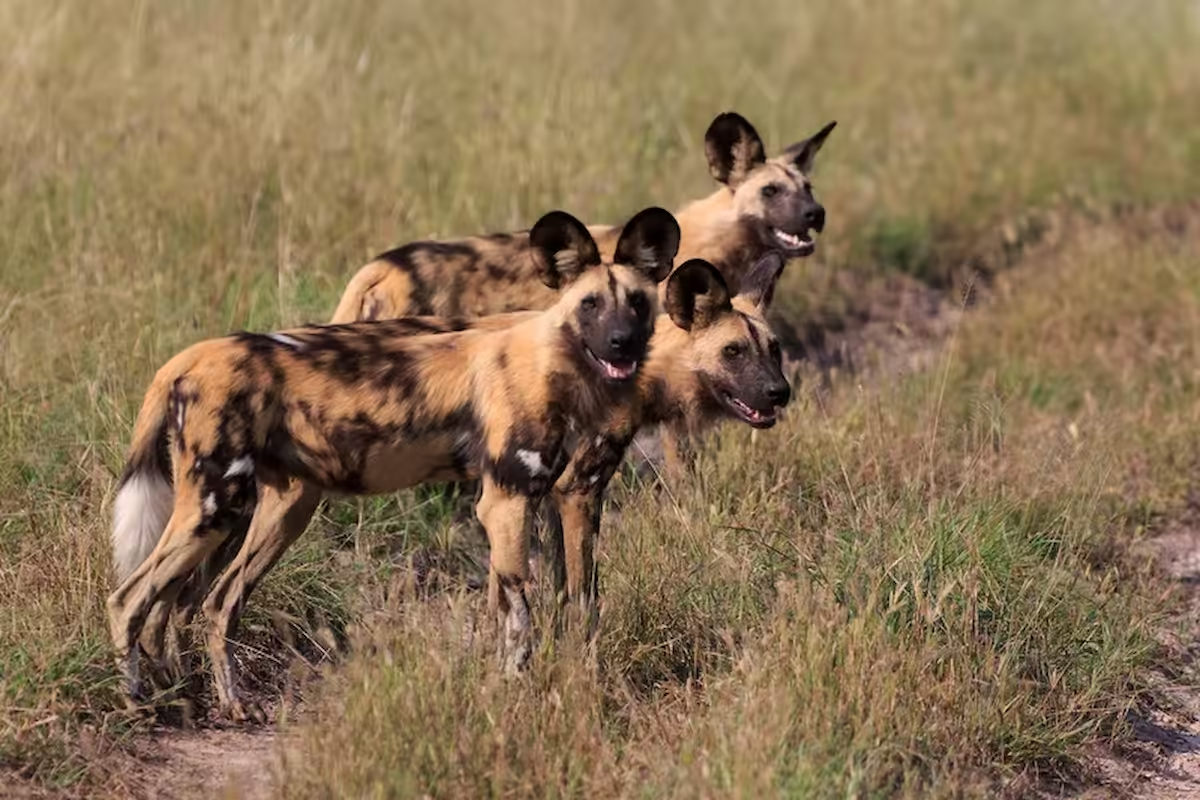
Maun → Okavango Delta → Moremi → Chobe
Land and water in one trip, with mokoro channels, floodplains and the elephant riverfront.
Longer formats, cross-border circuits and specialist trips sit in the same grid, and all of them can be adapted around a species, a season or a park you have not visited yet.
Arusha → Tarangire → Serengeti → Ngorongoro
Enough nights in each park to wait out the light instead of racing through the circuit.
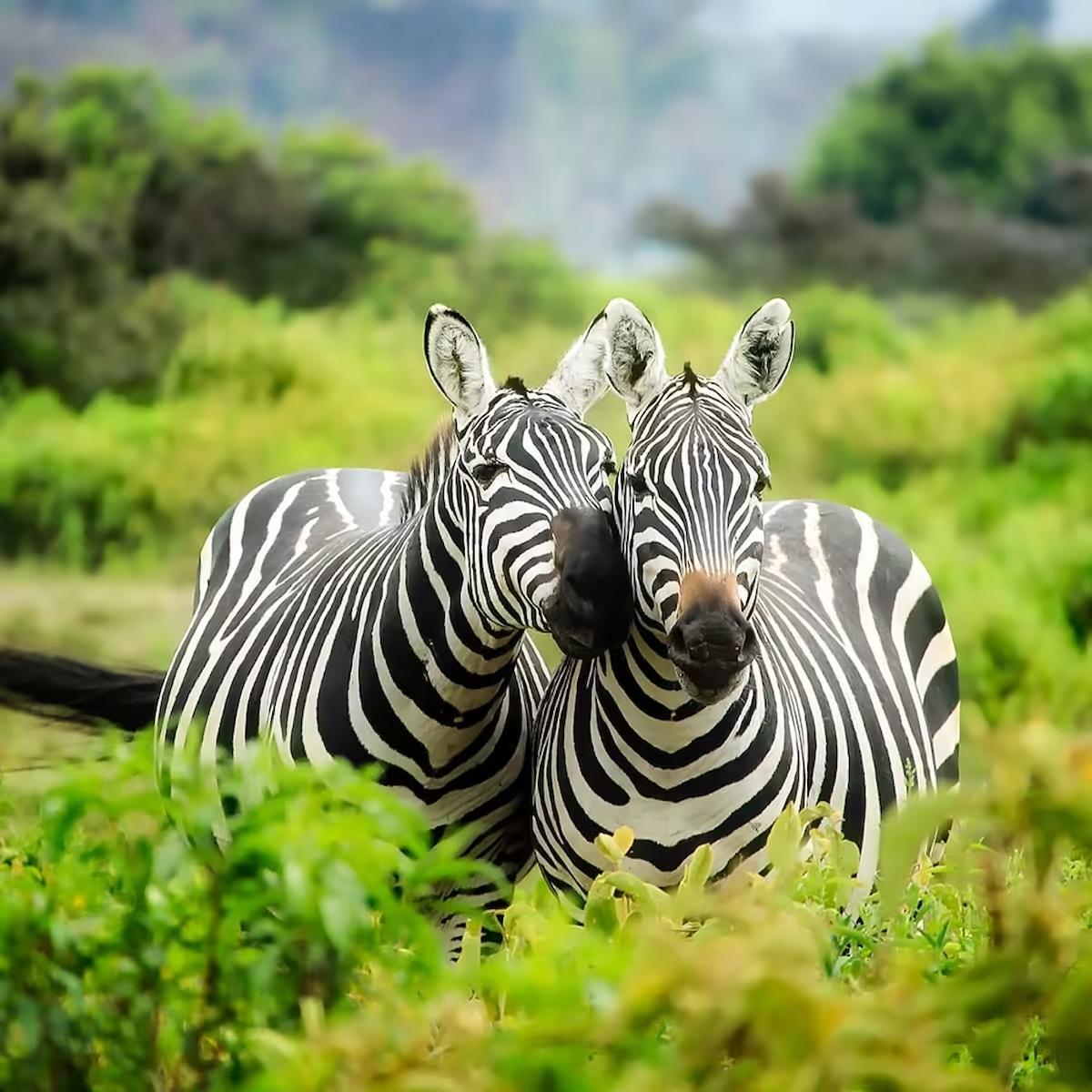
Nairobi → Maasai Mara → Nairobi
A compact reserve stay focused on predators, open grassland and long game-drive days.
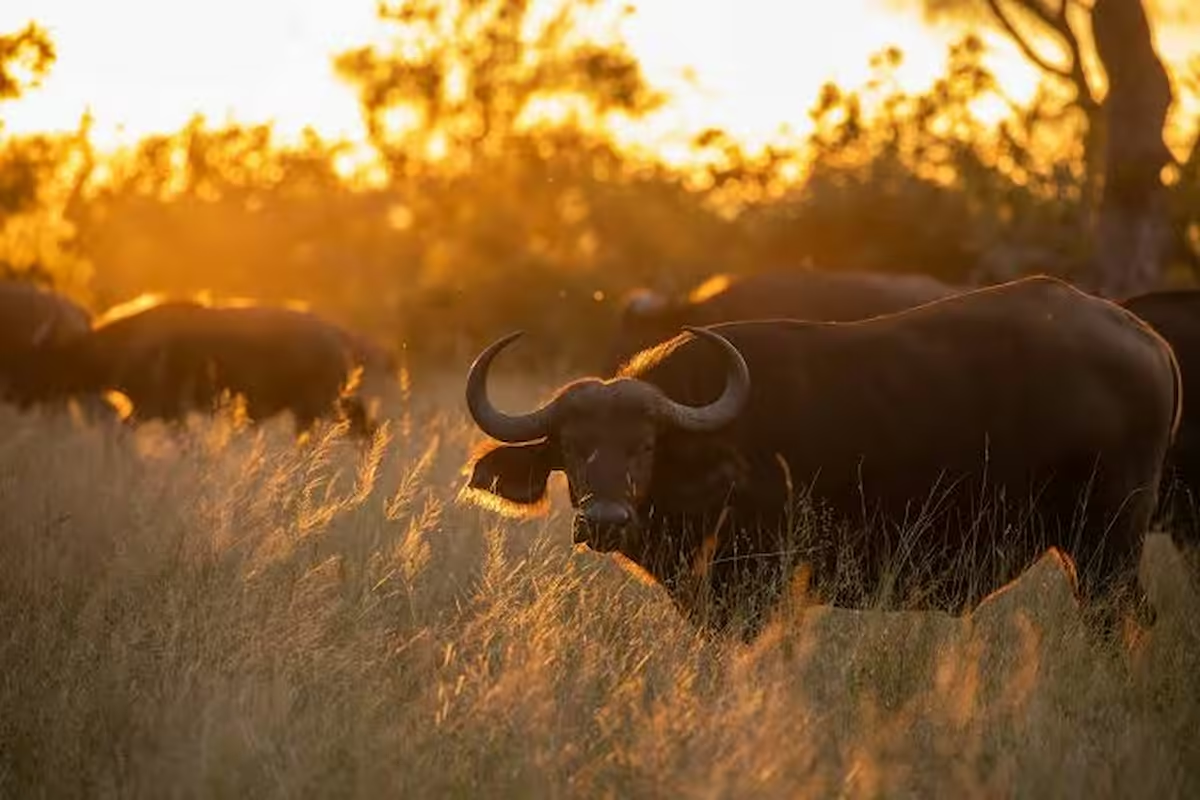
Johannesburg → Kruger → Panorama Route → Johannesburg
Self-drive or guided days in Africa's most versatile park, with the escarpment on the way back.
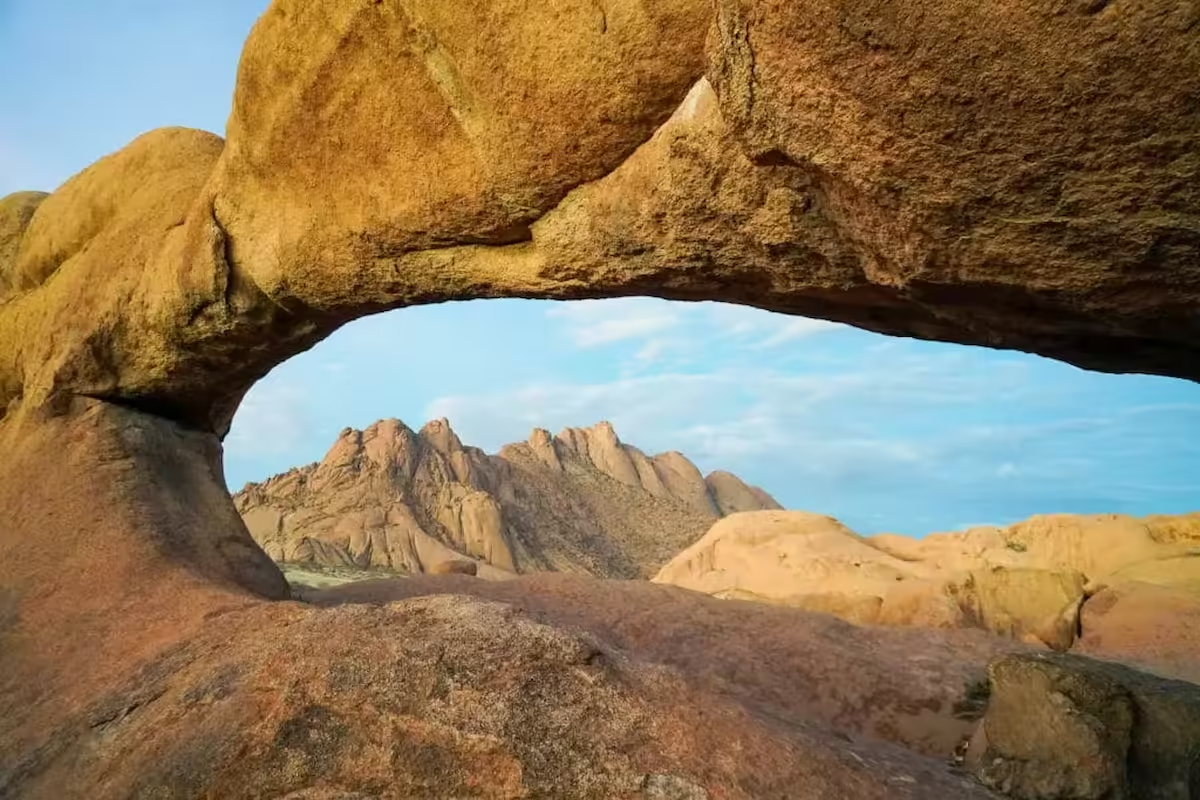
Windhoek → Sossusvlei → Damaraland → Etosha
Dunes, desert-adapted wildlife and waterhole viewing, built for travelers who like driving themselves.
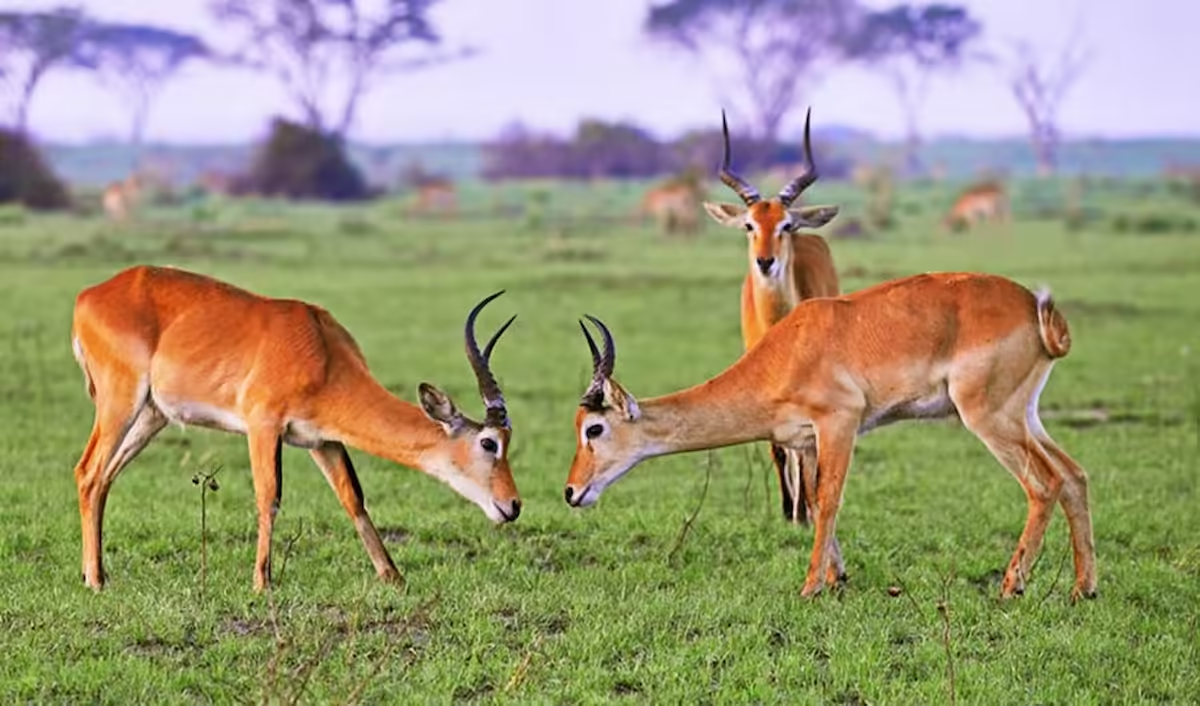
Entebbe → Kibale → Queen Elizabeth → Bwindi
Chimpanzees, channel wildlife and gorilla terrain in one route through western Uganda.
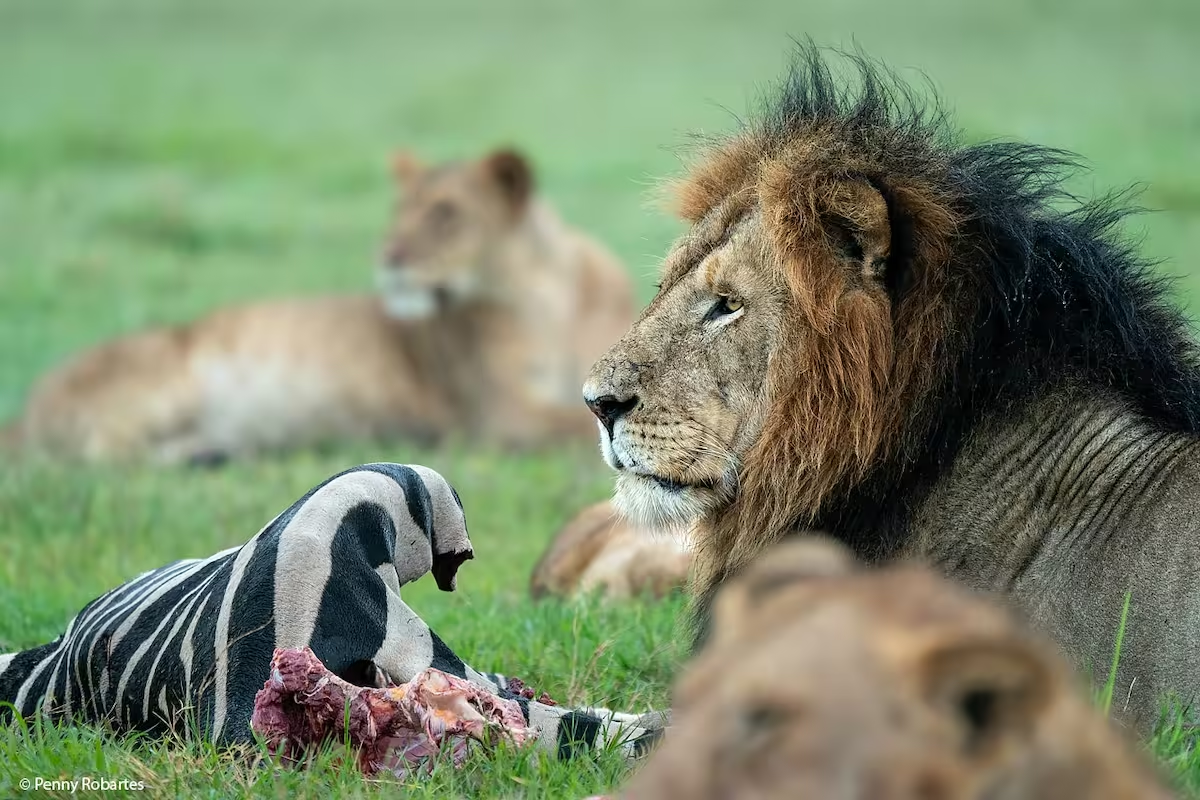
Nairobi → Maasai Mara → Serengeti → Ngorongoro
The two sides of one ecosystem compared in the same week, with a border crossing in the middle.
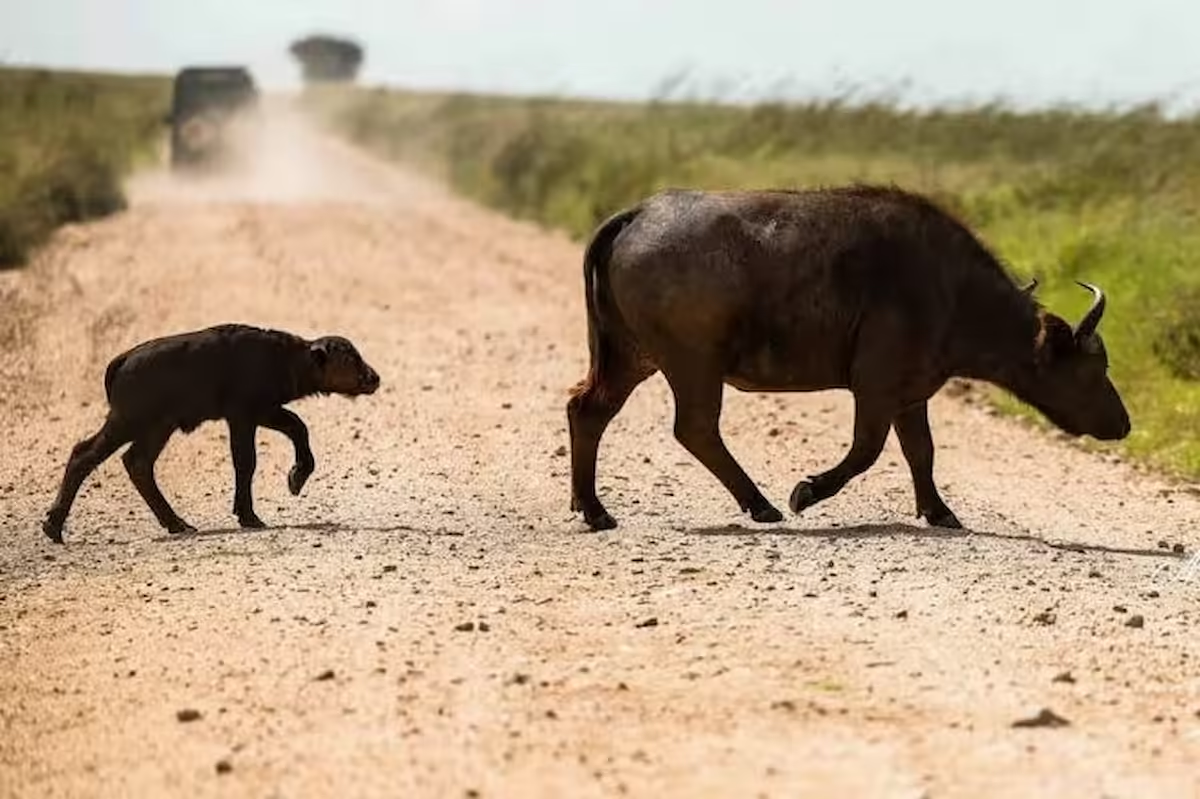
Dar es Salaam → Ruaha → Nyerere → Dar es Salaam
Wild dogs, miombo woodland and a river safari, with far fewer vehicles than the northern circuit.
No. It is a national reserve, not a national park, and it forms part of the greater Serengeti-Mara ecosystem. The surrounding community conservancies operate under different rules again, which is why a private conservancy can offer fewer vehicles, walking and night drives.
No. It is a multiple-use conservation area. The crater itself is a compact caldera with grassland, woodland, wetlands and a lake, which is why wildlife viewing is reliable and why vehicles can accumulate around major sightings.
No. It is a vast wetland ecosystem containing protected areas, community land and private concessions. Moremi Game Reserve is the protected area inside it, and the water-based activities depend on which concession or camp you are based in.
Two or three ecosystems that complement one another. Trying to visit too many parks means more movement and less time watching wildlife, which is the most common way a good itinerary becomes a rushed one.
One night can be useful for Tarangire, Lake Manyara, Amboseli, Akagera and Chobe. Three to four nights suits the Serengeti, Maasai Mara, Kruger, Moremi, South Luangwa and Queen Elizabeth. Photography, migration and remote wilderness trips need five nights or more.
There is no single best month. January to March is calving season in the south, April to May is the green season with movement northward, June can matter in the western Serengeti, July to October belongs to the northern Serengeti and the Mara, and the herds move south again from November.
No. The migration follows rainfall and ecological conditions rather than a calendar, and river crossings are unpredictable. Being in the Mara during migration season does not guarantee a dramatic crossing.
South Luangwa, Mana Pools, Lower Zambezi, Ruaha and Nyerere, plus selected private Botswana concessions and the Kruger wilderness trails. Walking is not permitted in every park, so it has to be built into the itinerary from the start.
Yes. Kruger and Etosha are the strongest self-drive options, and Namibia's broader protected areas suit travelers comfortable with long-distance driving. Moremi is possible but considerably more demanding, with sandy tracks and water crossings.
The park. Choose the ecosystem first and the accommodation second, because a luxury lodge in the wrong wildlife area produces a less satisfying safari than a mid-range camp in the right location.
The strongest safari is not the one that visits the most parks. It is the one that puts you in the right ecosystem, in the right season, with enough nights to let the wildlife come to you.