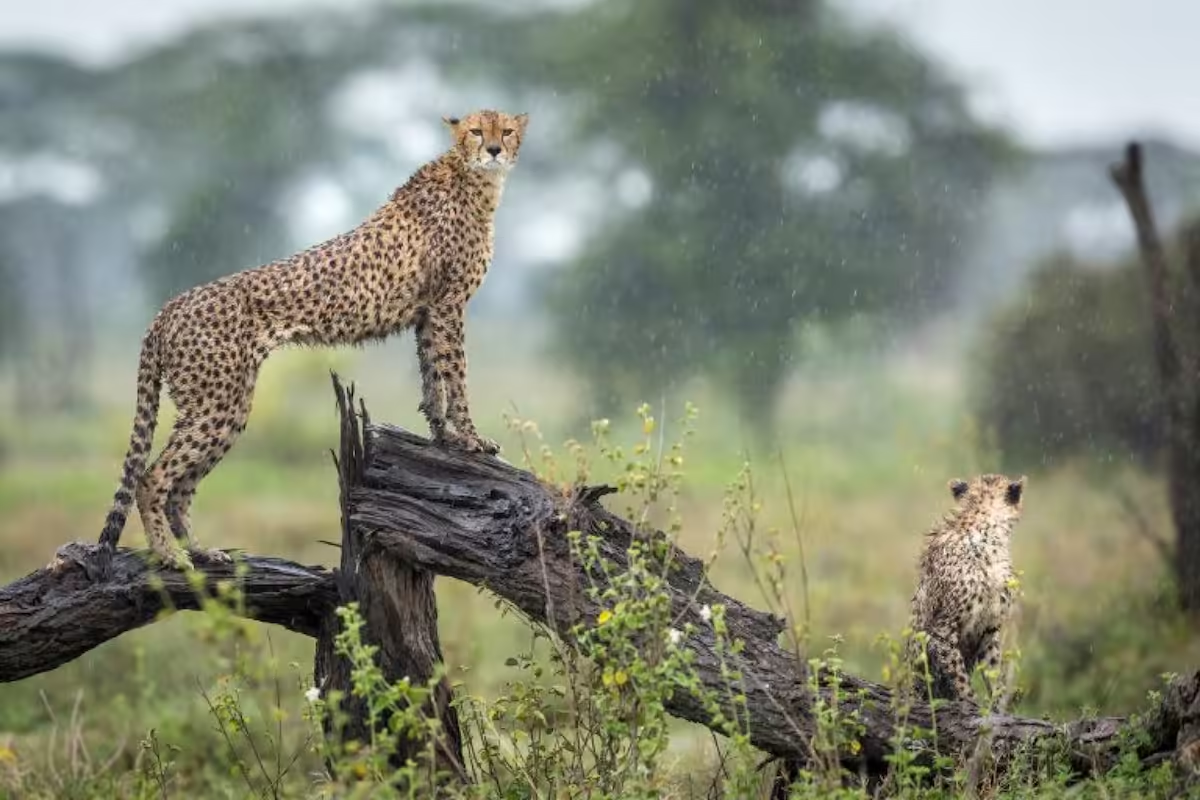
5-Day Tanzania Wildlife Photography Safari
Arusha → Tarangire → Ngorongoro → Serengeti
Focused on elephants, predators, landscapes and classic northern Tanzania wildlife.

Photography hub
A photographic safari is planned around light, vehicle position and time at the sighting rather than around the number of stops in a day. Private vehicles, specialist hides, low angles and unhurried mornings, across Tanzania, Kenya, Botswana, South Africa, Namibia, Zambia, Zimbabwe, Rwanda and Uganda.
How a photography trip differs from a conventional safari, and what changes in the plan. See what changes →
Why the day is built around golden hour and short moves instead of long transfers. Read the light guide →
Country by country, from the Serengeti plains to the Okavango waterways and the Namib dunes. Compare destinations →
What a photography safari costs, how many days it needs and which itineraries fit. Break down the cost →
A photographic safari is a wildlife safari specifically planned around photography.
A conventional safari may prioritize covering a large area and seeing as many species as possible in the time available. A photographic safari can take a different approach, because the quality of the images depends less on how many animals are seen and more on how long, how close and how well positioned the photographer is when the light is right.
Instead of moving constantly, a photography-focused plan can:
The goal is not necessarily to see more animals.
It is to create better photographic opportunities.
This page covers the full approach: vehicles, hides, light, destinations, wildlife subjects, equipment, cost, timing and itineraries. The shorter overview of the same idea sits on the photographic safaris activity page.
One of the most overlooked parts of wildlife photography is time.
Driving 80 kilometres between sightings may produce an impressive species list, but it can also mean spending hours in a vehicle while the best light is falling somewhere else. The list grows and the photographs do not.
A photography-focused itinerary can deliberately reduce unnecessary mileage, so that the hours spent in the vehicle are the hours that produce images.
Instead of:
Long drive → quick sighting → long drive → quick sighting
the day can be structured around:
Early departure → promising location → patient observation → photography → reposition → return to productive area
This approach is particularly valuable for photographers interested in:
Low mileage does not mean staying in one place all day. It means using the available time more deliberately, and choosing the two or three places in a day that are most likely to be productive in the light you will have.
A private vehicle is one of the most valuable upgrades for serious wildlife photography.
With a shared vehicle, the itinerary and the positioning must work for everyone on it. One passenger may want to leave a leopard sighting while another wants to remain for another hour.
A photographer may want to wait for a lion to move into better light while another traveler prefers to continue searching for elephants. Neither position is wrong, and on a shared vehicle the compromise is usually to move on.
A private vehicle removes much of that conflict, because the only schedule that matters is your own.
For serious wildlife photographers, a private vehicle combined with a specialist guide is often more important than simply choosing the most expensive lodge. Private travel is covered in more detail on the private safaris page, and the practical setup is described in the photographic safaris activity guide.
A photographic hide is a concealed observation structure that allows photographers to approach wildlife without being exposed in the same way they would be from an open safari vehicle.
A hide is usually a fixed position, often built beside a water source, a salt lick or a known route, and it lets you stay at eye level with the animal for as long as the sighting lasts. Sitting still in one place changes the kind of images available, because animals continue to behave normally when the vehicle has gone.
Hides can provide opportunities for:
Some hides are positioned beside water sources, while others are designed around known wildlife routes or particular species. A few are used from a vehicle, and some properties build raised platforms that give a completely different angle on the same scene.
The experience varies substantially between destinations and properties, so a hide should not be treated as a standard feature of every African safari. Where a hide matters to your plan, it is worth confirming before booking rather than assuming it will be there.
A low camera angle can dramatically change a wildlife photograph.
Instead of photographing an animal from high above, a low viewpoint can place the subject against:
This is one reason specialist hides can be particularly valuable, since they are often built at ground level or at the waterline where a vehicle cannot go.
However, the best viewpoint depends on the species, the terrain and the photographic objective. A vehicle can sometimes provide an excellent low position by dropping a window and shooting from the sill, while a hide may provide a completely different perspective on the same animal.
Light is one of the most important factors in safari photography.
The same animal can produce a completely different photograph depending on the time of day. This is the single reason that photography itineraries are built around sunrise and sunset rather than around comfort, and why the middle of the day is used differently from the edges of it.
Morning light can provide:
This is why photographic safaris often begin before sunrise.
Harsh overhead light can be difficult for dramatic wildlife portraits, but midday can still be useful for:
Late afternoon can produce:
The best photographic safari is therefore not necessarily the one with the greatest number of game drives. It is the one that gives the photographer access to wildlife when the light is most useful.
Sunrise is one of the most productive periods for wildlife photography.
Predators may still be active, temperatures are cooler, and the low-angle light can create strong separation between the subject and the background.
A photography-focused morning might involve:
Exact timings depend on the destination, the season and park regulations, but the shape of the morning stays the same: leave in the dark, be positioned before the first light, and stay with the first good sighting instead of heading back for an early breakfast.
Sunset can be equally valuable.
Photographers may look for:
Private conservancies and private reserves can sometimes provide additional flexibility around evening activities, depending on local rules. National parks often have fixed opening and closing regulations, so a photographer should not assume that every safari destination permits unrestricted sunset driving.
Africa offers very different photographic environments. The best destination depends on the subject you want to photograph.
Tanzania is one of the strongest destinations for wildlife photographers because of its combination of scale, predators, landscapes and birdlife.
The principal photographic areas are:
The Serengeti is particularly valuable for photographers interested in predator-prey interaction and large-scale wildlife movement. Dedicated photography itineraries are set out on the Tanzania photographic safaris page, while the wider Tanzania safari hub covers the classic northern circuit.
Tanzania photography safari ideas include:
Kenya offers a combination of savannah landscapes, predators, elephants, birdlife and iconic photographic environments.
Important photography destinations include:
The Maasai Mara is particularly attractive for lions, leopards, cheetahs, wildebeest, elephants, giraffes, river scenes and migration photography. Private conservancies around the greater Mara ecosystem can provide different photographic conditions from the national reserve, including off-road positioning and longer stays at a sighting.
Amboseli is especially known for elephant photography with Mount Kilimanjaro forming a dramatic background when weather conditions provide visibility. Samburu provides opportunities for northern Kenya species and landscapes that differ considerably from the Mara and Amboseli. Photography itineraries in the country are covered on the Kenya photographic safaris page and the Kenya safari hub.
Botswana is particularly well suited to photographers who value wilderness, specialist camps and intimate wildlife encounters.
Key destinations include:
The Okavango offers a combination of elephants, lions, leopards, wild dogs, hippos, aquatic landscapes, birds, channels and floodplains.
Photography can involve both traditional vehicle safaris and water-based experiences, depending on the area and the seasonal water conditions. Private concessions can also provide photographic advantages where local regulations permit activities such as off-road driving or night drives. See the Botswana safari pages for itineraries.
South Africa offers a particularly broad range of wildlife photography opportunities.
Important destinations include:
The private reserves associated with the Greater Kruger ecosystem are particularly attractive for photographers because specialist guiding and flexible wildlife viewing can be combined with luxury accommodation.
South Africa also offers a strong infrastructure for photographers who want comfortable lodges, private vehicles, specialist guides, hides, photography workshops, shorter safari itineraries and self-drive options. Itineraries are listed on the South Africa safari page.
Namibia is particularly strong for landscape and desert wildlife photography.
Photography opportunities include:
Namibia is less about dense predator sightings than some East African destinations and more about wildlife within extraordinary landscapes. A photographic itinerary can therefore combine wildlife photography with astrophotography, desert landscapes, aerial photography, geological formations and dune photography. Options are set out on the Namibia safari page.
Zambia is particularly attractive to photographers who want a wilderness-oriented safari.
Key destinations include:
South Luangwa is particularly known for walking safaris, predators and diverse wildlife. Photography can combine vehicle drives with walking experiences where permitted, which is one of the few ways to reach a genuinely low viewpoint in the field.
Zimbabwe provides strong opportunities in Hwange National Park, Mana Pools and the Victoria Falls region.
Hwange is particularly valuable for elephant photography. Mana Pools offers a distinctive landscape with wildlife around the Zambezi floodplain, and opportunities for unusual low-angle and walking photography experiences where permitted.
For photographers interested in primates rather than only savannah wildlife, Rwanda and Uganda provide completely different opportunities.
Rwanda:
Uganda:
A gorilla photography experience requires a very different approach from a conventional safari, because photographers work within strict viewing and conservation rules. Forest itineraries are covered on the Uganda safari page and on the gorilla trekking activity page.
Different species require different approaches.
Lions are often excellent photography subjects because they may remain stationary for long periods, which allows a vehicle to be positioned for the light rather than for the sighting itself.
Photographers can wait for yawning, grooming, interactions, cub behaviour, hunting, territorial behaviour and sunrise portraits.
Leopards can be more challenging because they are often solitary and can disappear into vegetation within seconds. A specialist guide who understands local leopard territories can make a major difference, because most of the work happens before the animal is in the open.
Cheetahs are particularly rewarding for action photography. Potential subjects include running, hunting, cubs, social behaviour, grooming and scanning the plains. Cheetahs are also the subject most affected by low mileage, because a chase can start at any moment and a vehicle that has just arrived rarely has the right position.
Elephants provide both portrait and environmental photography opportunities. Photographers can work with family groups, bulls, calves, dust, silhouettes, reflections and landscapes, and the same herd can produce all of them in a single morning.
Wild dogs can provide exceptional action photography because of their social behaviour and energetic interactions. They are also among the least predictable subjects, so time and flexibility matter more than a fixed schedule.
Bird photography can be integrated into almost any African safari. Specialist birding guides can significantly improve opportunities for raptors, kingfishers, bee-eaters, rollers, storks, herons, cranes and owls, and a hide is often the most practical way to photograph them.
The Great Migration is one of Africa's most spectacular photographic subjects, and photographers can plan around different stages of the annual movement.
Southern Serengeti and the broader Serengeti-Ngorongoro ecosystem can provide opportunities for newborn wildebeest, maternal behaviour, predator activity, large herds, dust and dramatic predator-prey interactions.
The migration's western movement can provide riverine and open-plains photography, with the herds spread across grassland that changes character through the season.
The northern migration can produce opportunities around the Mara River ecosystem. However, river crossings cannot be scheduled like a show. The movement of individual herds depends on rainfall, vegetation, river conditions and animal behaviour.
A good photography itinerary therefore builds in enough days and geographic flexibility rather than promising a crossing on a specific afternoon. Migration itineraries are set out on the Great Migration safaris page.
Vehicle design can influence photographic results as much as the location does.
A suitable photographic vehicle may provide:
A private vehicle is particularly useful because photographers can adjust seating and equipment around their shooting position instead of negotiating for it. The best setup depends on the destination and on local vehicle regulations, which is why the vehicle is worth asking about at the same time as the camp.
A beanbag is one of the simplest pieces of equipment for safari photography. It can provide support when photographing from the vehicle window, the vehicle roof, a photographic platform or a hide.
It is lighter and more adaptable than a large tripod in many safari situations, and it holds a long lens steady on a door that would otherwise vibrate with the engine. Some specialist operators and photographic camps provide beanbags or other supports, but photographers should confirm this before departure rather than packing around an assumption.
A practical setup can be built around one body, one long lens and a small number of accessories that are actually used in the field.
A primary camera plus a backup body can be valuable for longer professional trips. Dust, heat and long days in a vehicle are hard on equipment, and a second body means a fault does not end the morning.
A telephoto lens is useful for predators, elephants, distant wildlife, birds and behavioural details. It is the lens that most safari photography is built around, and it is also the reason a beanbag and a stable vehicle matter.
A mid-range zoom is useful for environmental portraits, groups, larger animals and landscape or wildlife combinations, and it covers most of what happens at close range during a drive.
A wide-angle lens is useful for landscapes, elephants close to the vehicle, lodge scenes, environmental wildlife portraits and star photography. It is also the lens that works best from a hide, where the subject is often only a few metres away.
Consider spare batteries, memory cards, a cleaning kit, rain protection, a beanbag, a lens cloth, a power bank, binoculars and dust protection. Charging is a real constraint on long safari days, so a power bank in the vehicle is more useful than an extra lens.
Safari environments can be hard on photographic equipment. Dust can enter when changing lenses, when driving on gravel, when photographing from open vehicles and when moving through dry landscapes. Rain can arrive suddenly, particularly during wet-season travel.
Useful protection includes a waterproof camera cover, dry bags, a dust-resistant camera bag, a microfiber cloth, sensor-cleaning equipment and a lens cleaning brush. A photographer should avoid changing lenses unnecessarily in dusty conditions. Practical field advice continues on the photography travel guide.
A regular safari can still produce excellent photographs. The difference is that a photography safari builds the itinerary around producing them.
| Photography safari | Regular safari |
|---|---|
| Photography is a primary objective | Wildlife viewing is the primary objective |
| Longer time at sightings | Often more flexible about moving on |
| Private vehicle often preferred | Shared vehicle can work well |
| Light influences the daily schedule | General game-viewing drives set the schedule |
| Low mileage can be prioritized | Covering more territory may be prioritized |
| Specialist photographic guides can help | General safari guide |
| Hides may be included | Hides less likely to be central |
| Equipment space matters | Standard luggage requirements |
| Dawn and sunset photography emphasized | General sunrise and sunset game drives |
Both formats work well, and the right one depends on how much control over the schedule the photographer needs.
Best for:
A private photography safari offers maximum flexibility over departure times, distance travelled and time at each sighting. See how private travel is structured on the private safaris page.
Best for:
A specialist group photography safari provides something different: a group of travelers with similar photographic interests and a guide who understands photography. The ideal group size depends on the vehicle, the destination and the photographic style. Group departures are listed on the group safaris page.
You do not need professional photography equipment to enjoy a photographic safari.
Beginners can improve their results by learning shutter speed, aperture, ISO, autofocus modes, exposure compensation, continuous shooting, back-button focus and basic composition.
But the guide remains important. A good wildlife guide can help identify where an animal may move, how the light is changing, where the background is clean, when to wait and when to reposition.
Photography is therefore a combination of technical skill, animal behaviour and patience, and the technical part is the smallest of the three. If you are planning a first photography trip, book a consultation and the itinerary gets built around your current level rather than around an assumed one.
The best season depends on the subject you are trying to photograph rather than on a single answer that suits every trip.
Dry-season photography often provides concentrated wildlife around water, clearer visibility, thinner vegetation, dusty roads and dramatic backlighting.
Wet or green-season photography can provide lush vegetation, dramatic clouds, newborn animals, migratory birds, colourful landscapes and fewer vehicles in some destinations.
Particularly valuable for photographers interested in newborn animals, predator activity, maternal behaviour and dramatic herd scenes.
Useful for photographers focused on wildebeest, zebras, river crossings, predator-prey interactions and massive herds.
There is therefore no single best time for every photographic safari. The right window is the one that matches your subject to the conditions that subject is most photogenic in.
Photography-focused safaris can cost more than conventional safaris because the itinerary may require a private vehicle, a specialist guide and additional days.
The elements that usually move the price are:
However, a more expensive lodge does not automatically produce better photographs. For many photographers, the better investment is more time in the right habitat, a private vehicle and a knowledgeable guide, rather than simply upgrading accommodation.
A short safari can produce excellent images, but additional days increase opportunities and reduce the pressure on each drive.
Suitable for one principal photography objective, and workable when the trip is built around a single region rather than a circuit.
Better for photographers wanting multiple species and varied conditions, with enough time to repeat a location in different light.
Allows greater flexibility around weather, wildlife behaviour and different areas, which is where most of the good images start to come from.
Ideal for specialist itineraries covering several ecosystems or combining wildlife photography with landscape, birding or Zanzibar. Longer stays also reduce the pressure to photograph everything during one game drive.
These itineraries show how a photography trip is usually structured. Every one of them can be shortened, extended or combined with a beach finish.
Arusha → Tarangire → Ngorongoro → Serengeti
Focused on elephants, predators, landscapes and classic northern Tanzania wildlife.
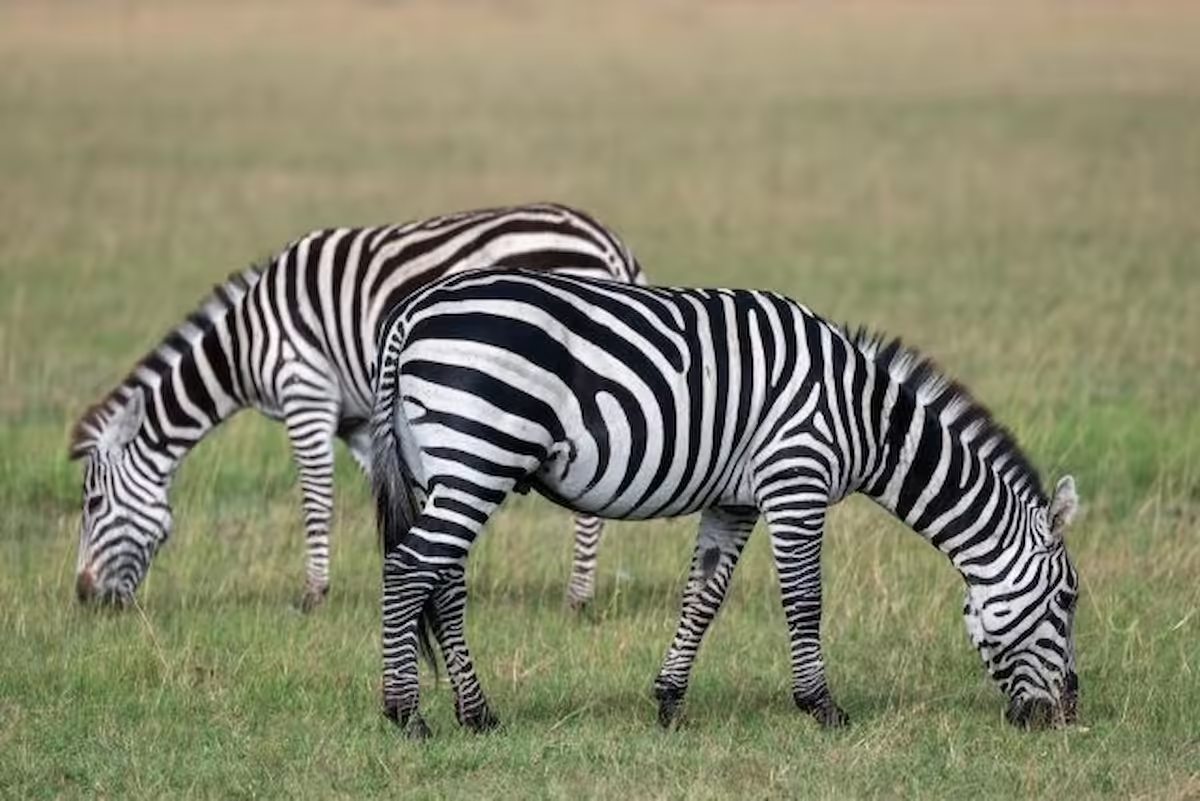
Arusha → Tarangire → Ngorongoro → Central Serengeti
Designed around extended time in the Serengeti rather than a circuit that moves every day.
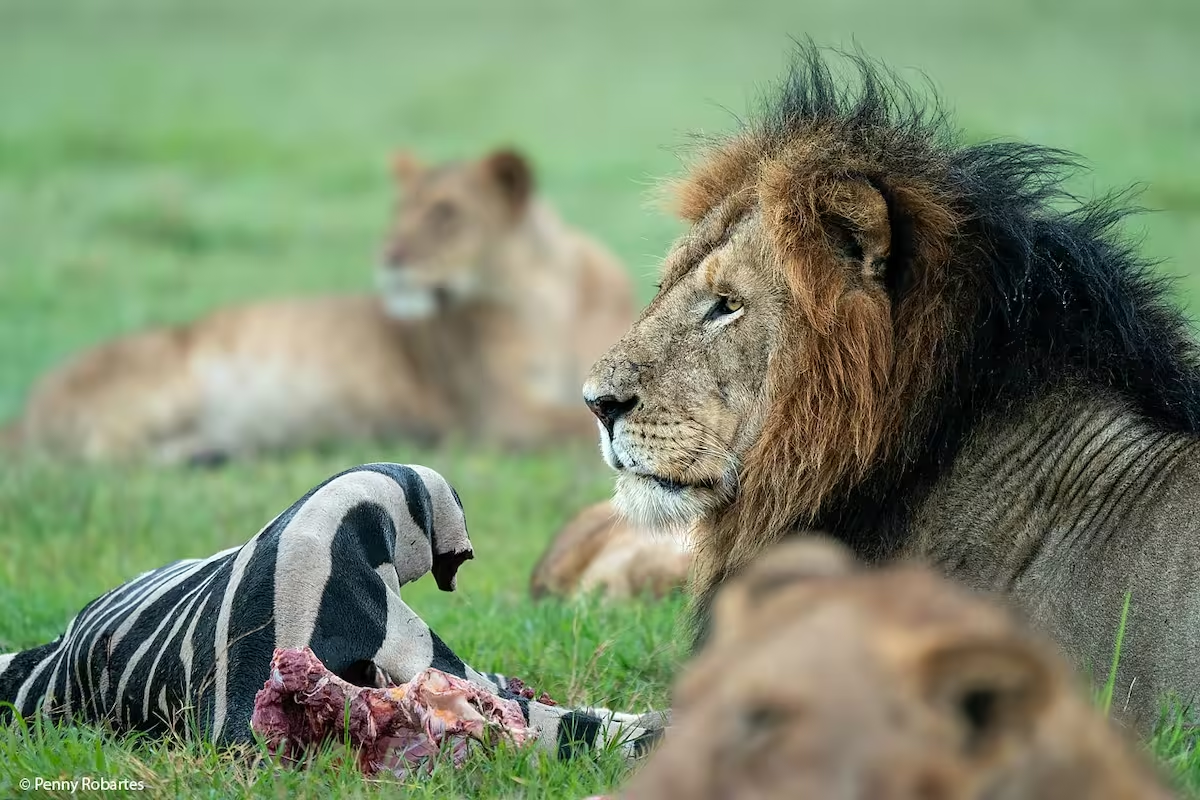
Nairobi → Amboseli → Lake Nakuru → Maasai Mara
Combines elephants, landscapes, rhinos and big-cat photography.
Longer formats, other countries and primate itineraries sit in the same grid, and all of them can be adapted around a species, a season or a photographic style.
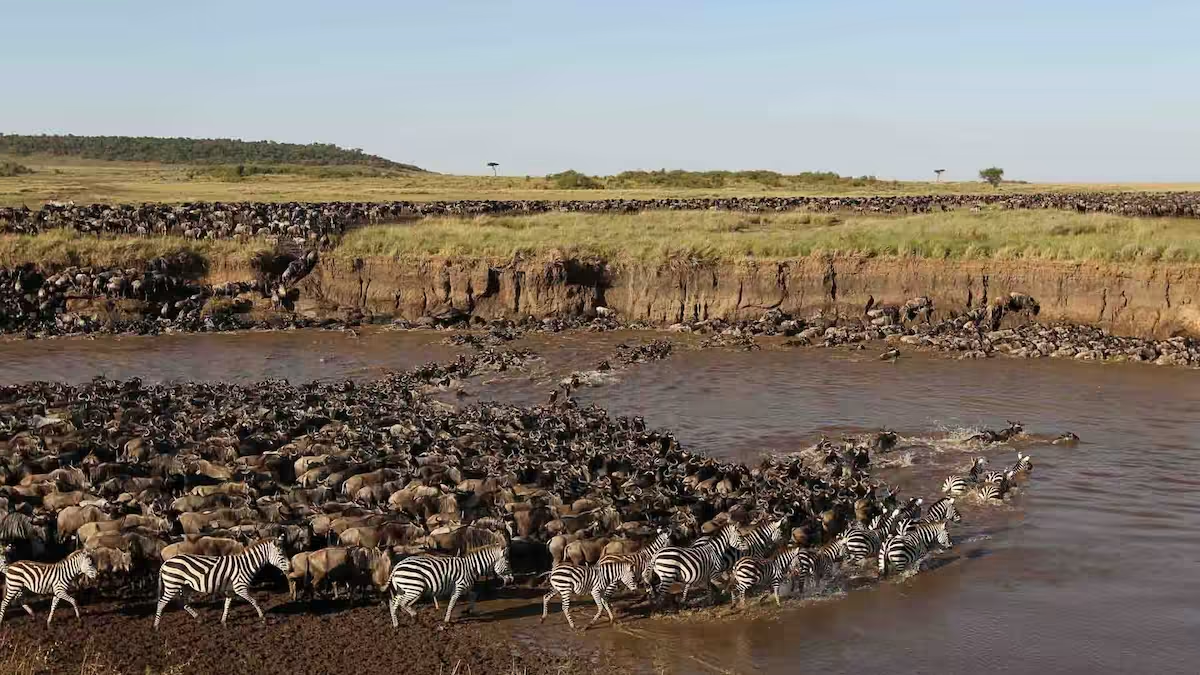
Arusha → Serengeti → Ngorongoro → Central Serengeti
A photography-focused itinerary timed around the appropriate migration region and season.
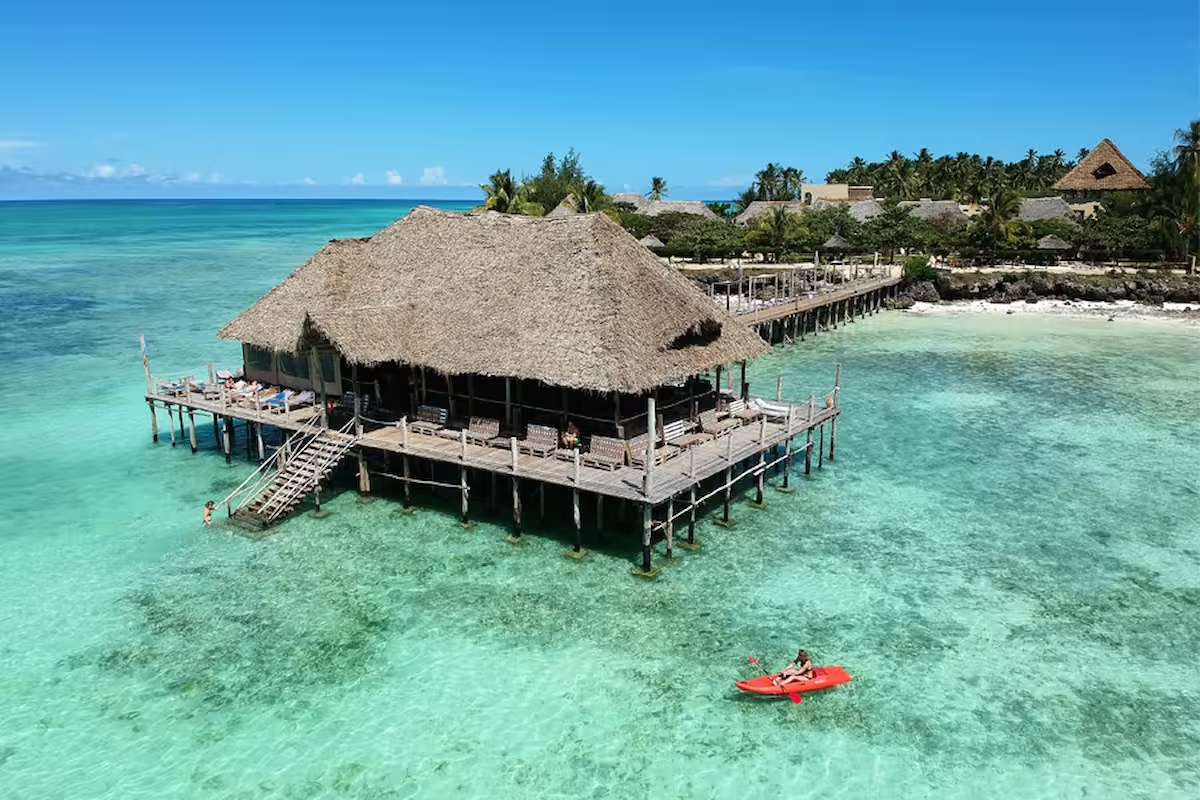
Serengeti → Ngorongoro → Tarangire → Zanzibar
Combines wildlife photography with coastal and cultural photography.
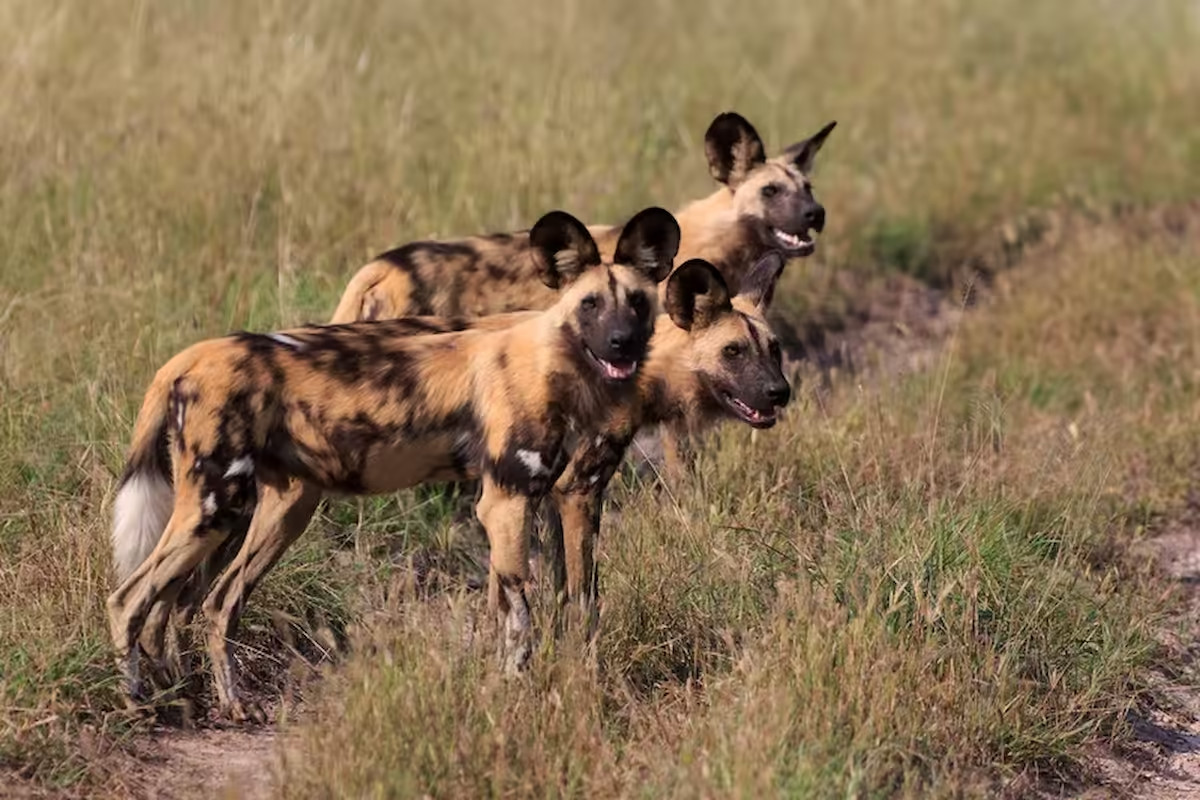
Maun → Okavango Delta → Moremi → Chobe
Focused on predators, elephants, waterways and wilderness landscapes.
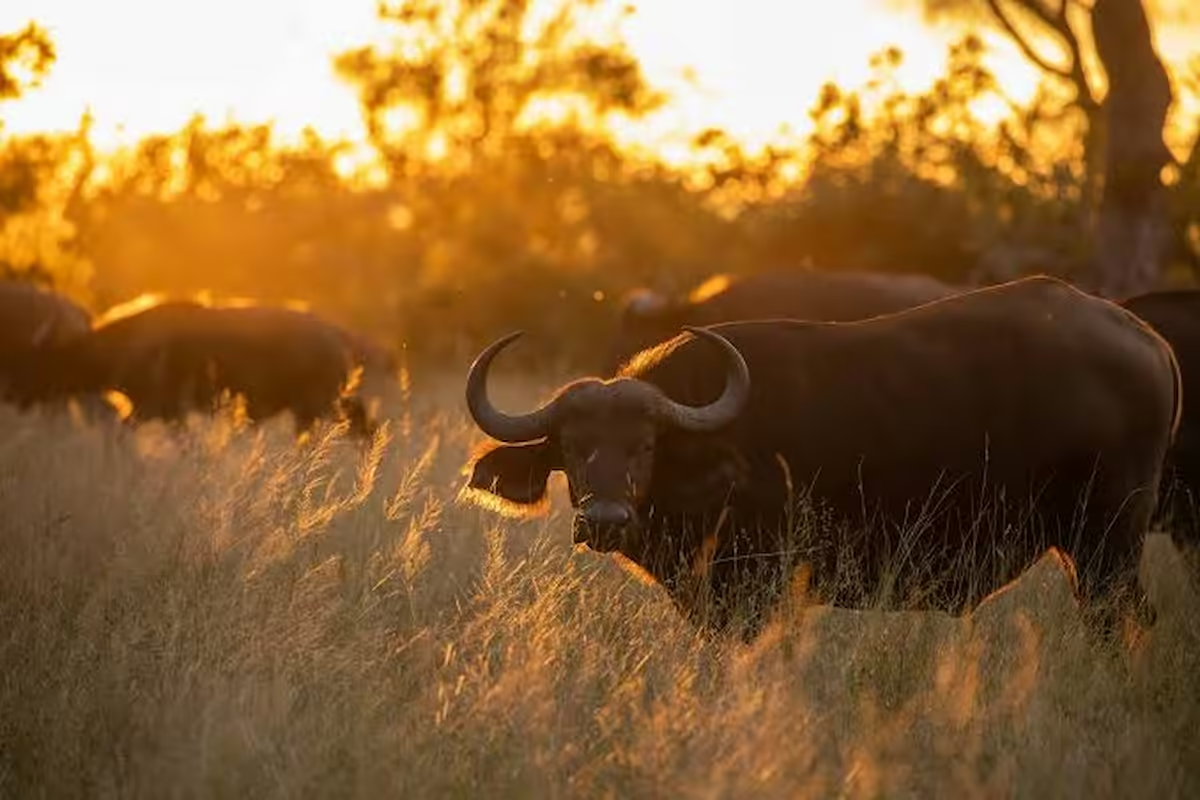
Johannesburg → Greater Kruger → Private Reserve
Combines private-reserve game viewing with specialist photography guiding.
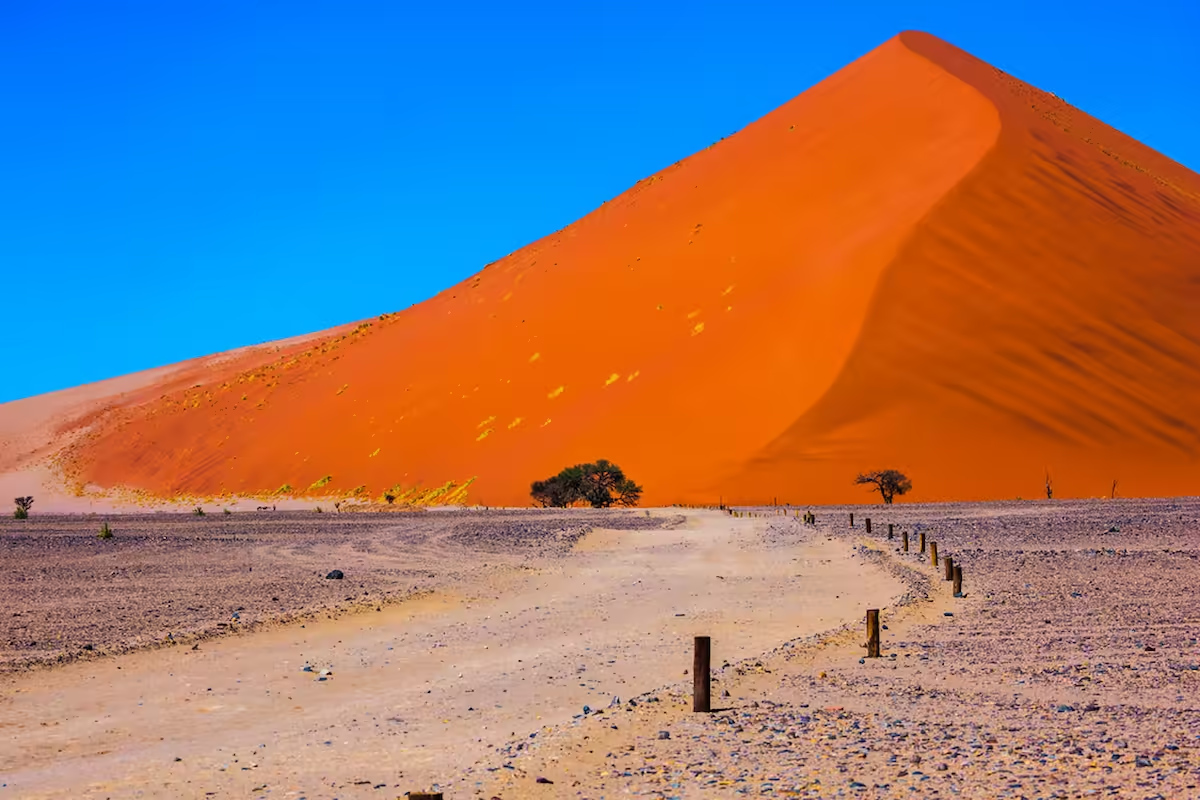
Windhoek → Sossusvlei → Damaraland → Etosha
Designed around desert landscapes, wildlife and astrophotography.
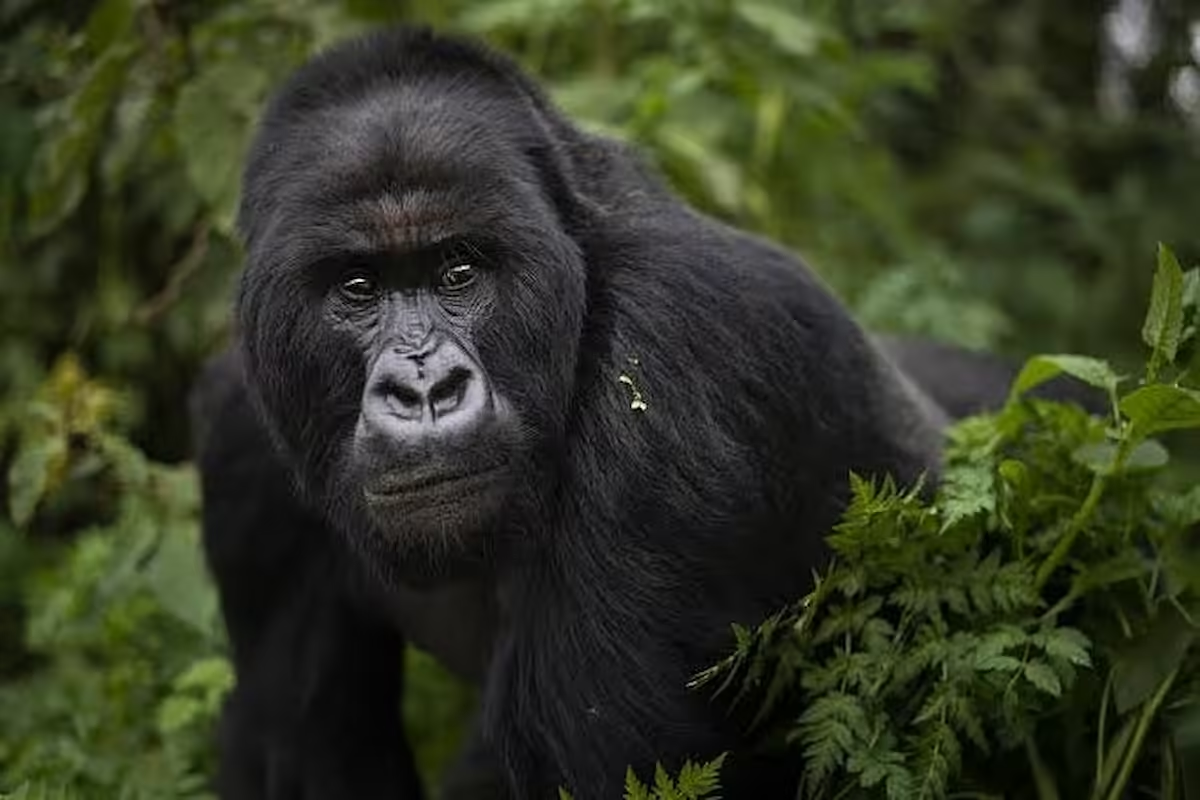
Kibale → Queen Elizabeth → Bwindi
Combines chimpanzees, forest wildlife, gorillas and savannah species.
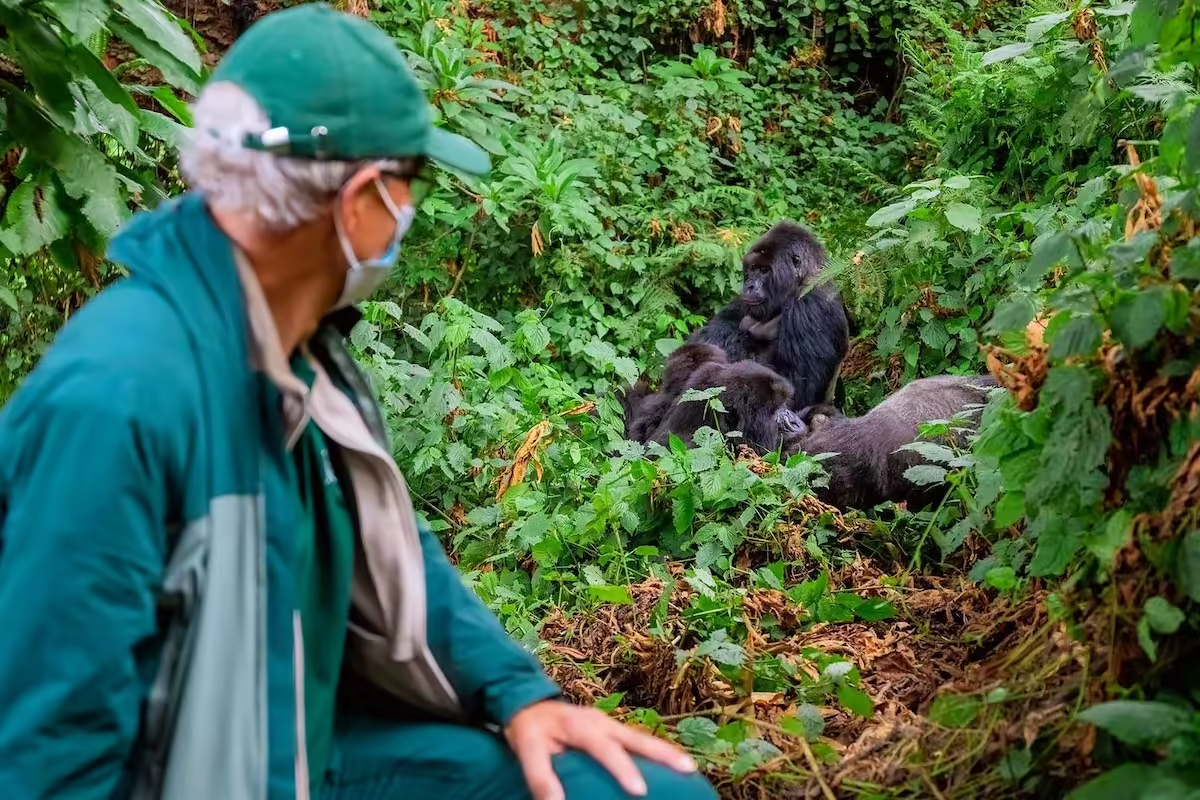
Kigali → Volcanoes → Akagera
Combines mountain gorillas, volcanic landscapes and savannah wildlife.
A photography itinerary can continue from Tanzania's wildlife areas to Zanzibar, and the photographic subjects change completely.
This makes a Tanzania photographic safari followed by Zanzibar particularly attractive for travelers who want to return with a broad collection of images rather than only wildlife photographs. Combinations are set out on the safari and Zanzibar page.
Good wildlife photography should never come at the expense of the animal.
Photographers should:
A photograph is never more important than the animal's welfare, and a guide who refuses a position is protecting both the sighting and your own access to it.
Before booking, it is worth asking direct questions about how the safari actually runs in the field.
Ask whether you will have a private vehicle, how many travelers will share the vehicle, whether the guide has wildlife photography experience and whether you can stay longer at sightings.
Also ask whether photographic hides are available, whether beanbags or camera supports are provided, how much equipment space is available and whether the itinerary can prioritize sunrise and sunset.
Practical questions worth adding: what are the local park rules concerning off-road driving, how many hours are normally spent on game drives, whether unnecessary long-distance transfers can be reduced, whether the itinerary can be adapted around a specific species and what happens if weather affects the planned location.
Finally, ask whether the safari can be combined with Zanzibar and whether the trip can include landscape or bird photography as well as mammals.
These questions reveal whether the safari has actually been designed for photography or simply marketed as one. Request a proposal with your subjects and dates, and the answers come back with the itinerary.
A photographic safari is a wildlife journey designed around photography, with greater emphasis on light, positioning, time at sightings, private vehicles, specialist guides and photographic opportunities.
No. Professional equipment can improve image quality, but composition, light, patience and understanding animal behaviour are equally important.
It is not essential, but it can make a major difference because you control how long you stay at sightings and where the vehicle is positioned.
No. Hides are destination- and property-specific, and they should be confirmed when the itinerary is designed.
A telephoto lens is useful for wildlife, while a mid-range or wide-angle lens can provide environmental portraits and landscape images.
There is no universal answer. Tanzania and Kenya are particularly strong for East African wildlife and migration photography; Botswana offers exceptional wilderness and water-based environments; South Africa offers specialist private reserves and photographic infrastructure; Namibia is particularly strong for landscapes and desert wildlife.
Five to seven days provides a useful starting point, while eight to fourteen days gives substantially more flexibility for specialist photography.
Yes. The migration provides opportunities throughout its annual cycle, including calving, herd movement and river-crossing periods. However, the exact location and timing of wildlife activity cannot be guaranteed.
Yes. Tanzania is particularly suitable for combining wildlife photography with Zanzibar's beaches, Stone Town, culture and Indian Ocean landscapes.
Often, because private vehicles, specialist guides, additional days, photographic camps and hides can increase the cost. The exact price depends on destination, season, accommodation and group size.
Usually, because private vehicles, specialist guides, extra days, photographic camps and hide fees all add to the cost - but the premiums are manageable: private-vehicle add-ons run US$100-250 per day, specialist photographer-guides US$150-300, hide sessions US$50-150. The cheapest photographic safari keeps the same private vehicle for the whole circuit instead of adding extras daily.
Absolutely. A specialist guide can help with both wildlife behaviour and photography technique.
The strongest photographic safari is not necessarily the one with the most destinations. It is the one that gives you time, light, access and flexibility, built around the subjects you actually want to photograph.