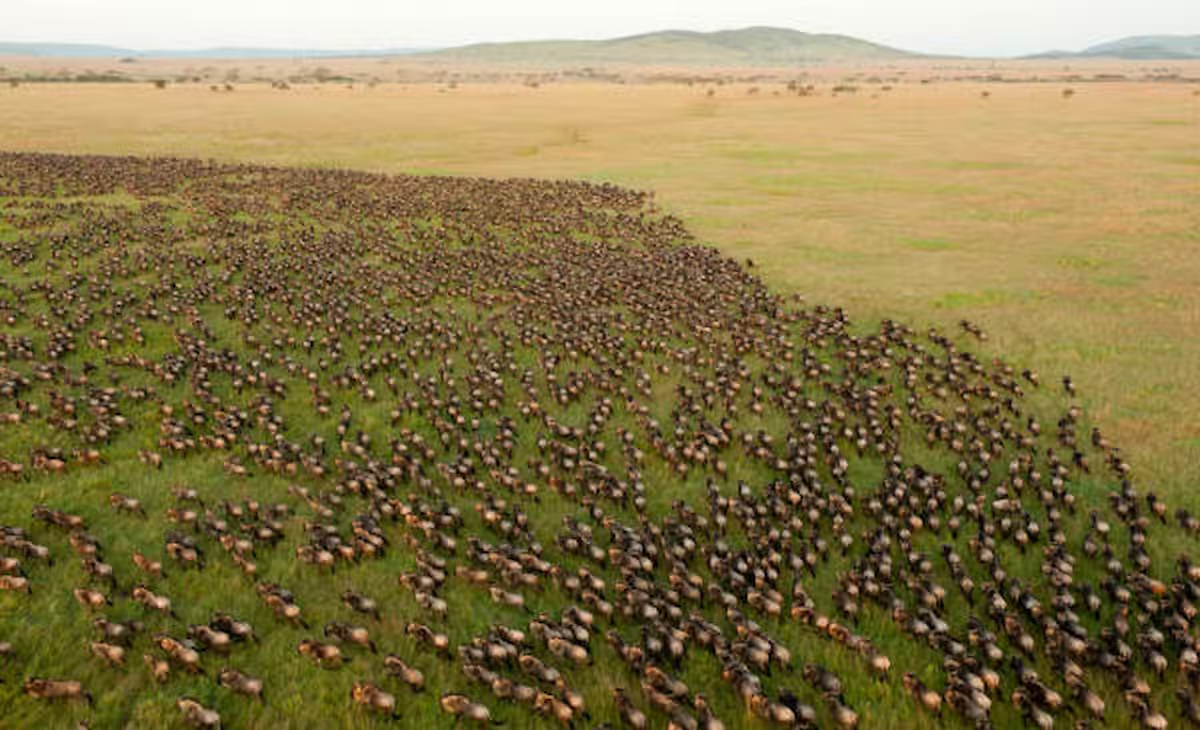
7-Day Private Tanzania Safari
Arusha, Tarangire, Ngorongoro and the Serengeti with one driver-guide for the whole circuit.
From $3,200

Africa-wide safari hub
Private by default: your own vehicle, your own guide and your own schedule - across nine safari countries.
One vehicle, one guide, one group. The day is shaped around you rather than around a timetable shared with strangers.
A private safari in Africa means the safari is built around your group instead of around a schedule shared with other travellers. Your own safari vehicle, your own guide and the freedom to shape each day change the experience considerably - from deciding when to leave camp in the morning to spending longer at a sighting that matters to you.
But "private safari" can mean different things. A private vehicle is not necessarily a private concession. A private guide is not necessarily a specialist guide travelling with you for the entire journey. And a private safari does not automatically mean an ultra-luxury safari. These distinctions matter when comparing safari packages.
The basic principle is simple: your vehicle, your guide, your interests, your pace.
A private safari normally means that the safari vehicle and guide are reserved exclusively for your travelling party. Instead of joining other guests for game drives, the vehicle is used only by you and your companions. That gives you considerably more control over the day:
In Tanzania, for example, a private driver-guided safari means the exclusive use of a 4x4 or safari minivan with a professional driver-guide for the duration of the trip. That is fundamentally different from a shared safari in which several unrelated travellers occupy the same vehicle. Tanzania private safaris → Kenya private safaris →
Three we book most often for couples and small groups. Every other duration and route sits in the collection below.
Arusha, Tarangire, Ngorongoro and the Serengeti with one driver-guide for the whole circuit.
From $3,200
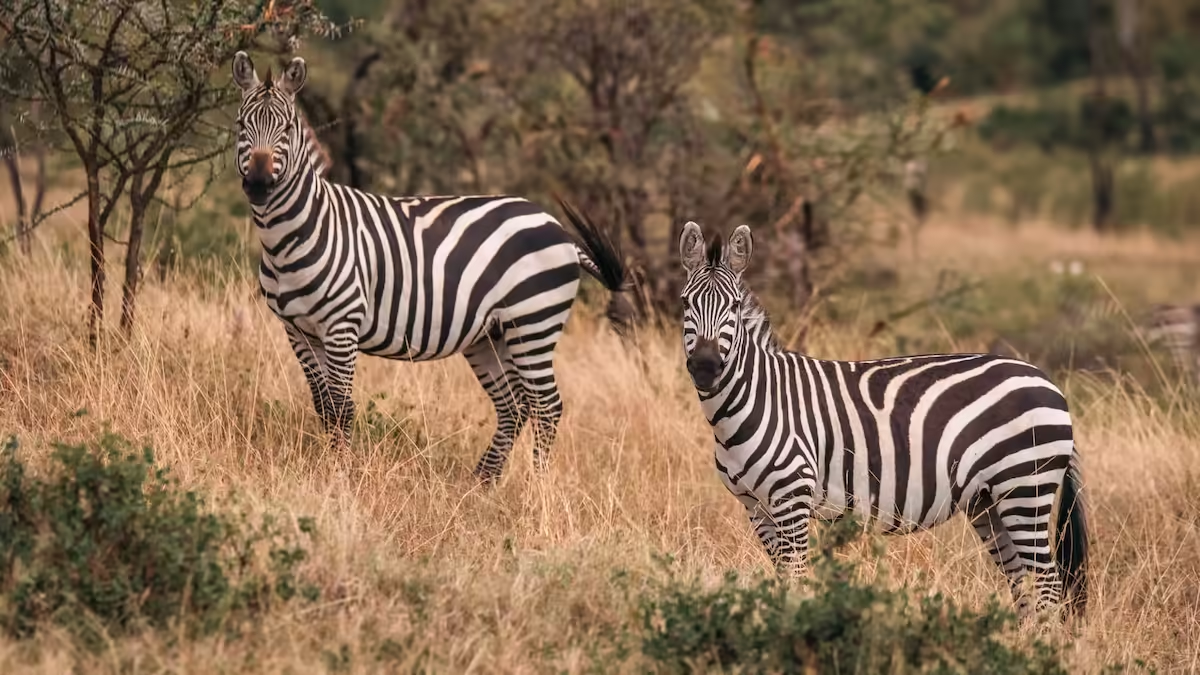
Nairobi, Amboseli and the Maasai Mara, with departure times set by you rather than by the group.
From $2,850
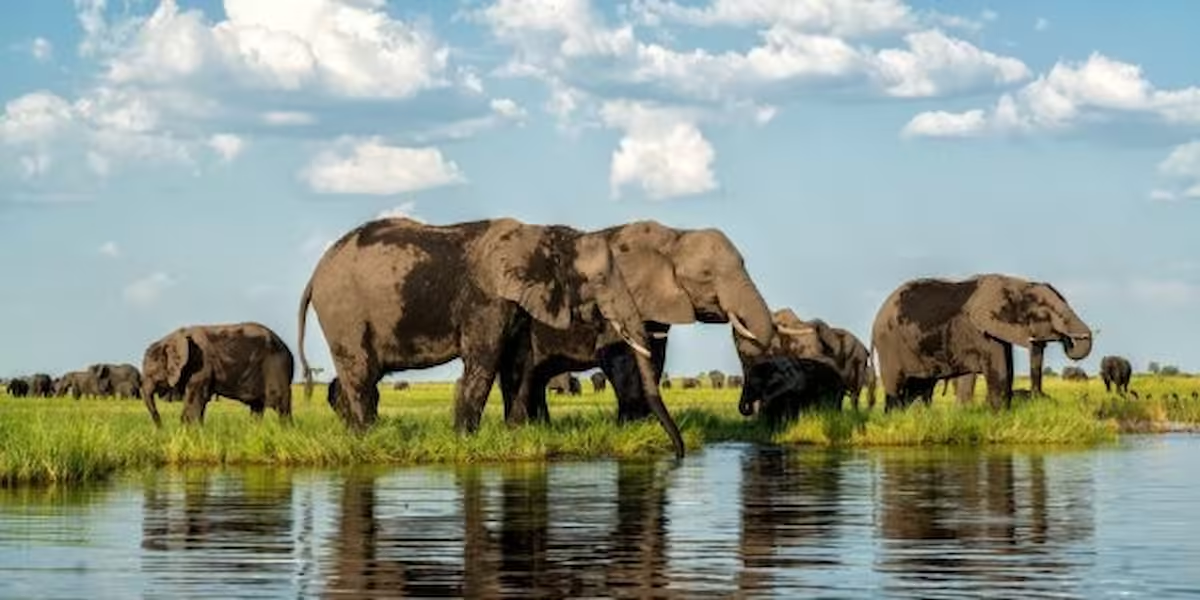
A short fly-in Delta trip where camps are small, transfers are private and the guide stays with you.
From $4,500
The biggest difference is not the vehicle itself. It is who controls the day.
| Private safari | Shared safari |
|---|---|
| Your own vehicle | Shared vehicle |
| Your own guide | Guide shared with other guests |
| Flexible departure time | Fixed or agreed schedule |
| Your group's interests guide the day | Group interests must be balanced |
| Stay longer at sightings | May need to leave when others want to |
| Flexible meal stops | Usually follows the group schedule |
| Easier for families | Other guests may have different needs |
| Better for photographers | Photography time may be limited |
| More privacy | Opportunity to meet other travellers |
| Higher cost | Lower cost |
Neither format is inherently right for everyone. A traveller who enjoys meeting other people and is comfortable with a fixed schedule may prefer a shared safari. A family, honeymoon couple, photographer or group of friends may place much greater value on having the vehicle to themselves. Group African safaris → Honeymoon safaris → Solo safari guide →
Everything on this page, grouped. Jump straight to the part you need.
Three things that decide whether a private safari is genuinely private.
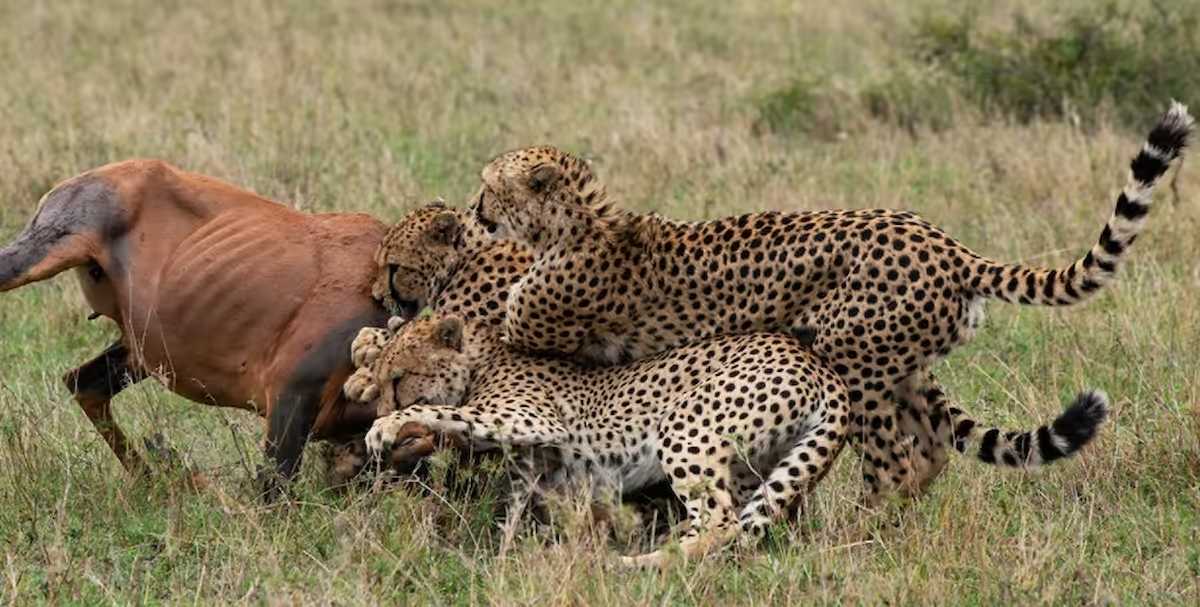
One vehicle, one group, one guide - so the day bends around your interests instead of around a group vote. Why it matters →
A guide who travels with you learns what you want to see and adjusts the days accordingly. What a good guide adds →
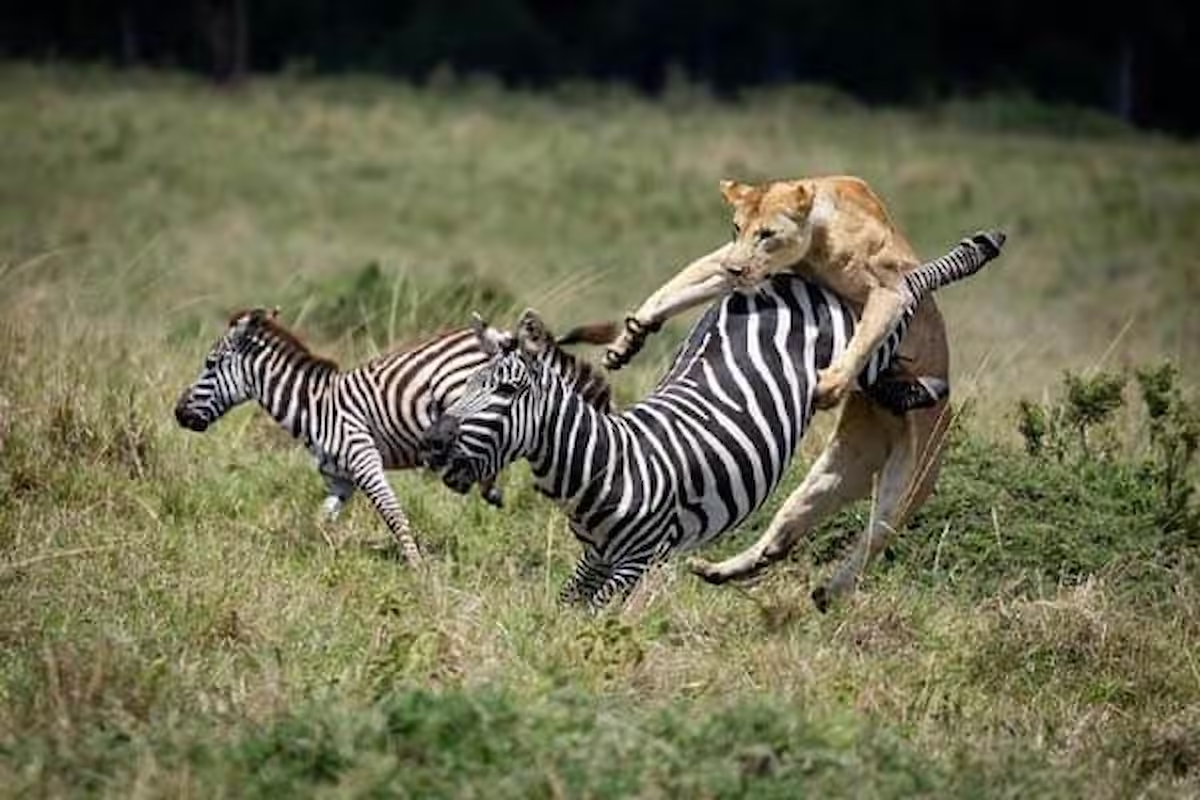
Leave before sunrise, stay an extra hour at a sighting, or go back to camp for lunch. The biggest advantage →
The vehicle is your base for wildlife viewing, for travelling between parks and, in some destinations, for moving between camps.
In Tanzania, private safaris commonly use dedicated 4x4 safari vehicles with a driver-guide. The exact vehicle varies considerably between destinations: a photographic safari may use a purpose-built 4x4 with a pop-up roof, while a fly-in safari in Botswana generally uses an open-sided vehicle supplied by the lodge.
A good private safari vehicle should provide:
Ask what vehicle you will actually get before you pay a deposit, because the difference between a closed 4x4 with a pop-up roof and an ageing minibus is felt all day. Game drives → Photographic safaris → Tanzania photographic safaris →
A private vehicle is only part of the experience. The guide can make an enormous difference.
A good private guide should understand animal behaviour, tracks and signs, bird identification, park geography, seasonal wildlife movements, photography opportunities, local communities, conservation, park regulations and road conditions. Knowing where wildlife has recently been sighted is what turns a long empty drive into a good morning.
The best arrangement is not to treat the guide as a driver who simply follows instructions. Instead, the guide contributes local knowledge while you explain what you want from the safari. That conversation can shape the entire day:
On a privately guided trip the same guide can stay with you across camps and borders, which is where continuity starts to pay: the guide already knows what you have seen, what you still want and how you like the day structured. Game drives → Bird watching → Safari photography guide →
This is where private safaris become particularly valuable.
Imagine finding a leopard at 7:30 in the morning. On a shared vehicle, other guests may be ready to continue because they have already taken their photographs. On a private safari, you can potentially stay longer if the guide believes the situation is appropriate and park regulations allow it.
The same applies to a pride of lions, a cheetah stalking prey, wild dogs preparing for a hunt, elephants crossing a road, a rare bird, a spectacular landscape or a photographic opportunity.
The principle is not "stay everywhere forever". It is having the freedom to decide where your time is most valuable.
That freedom works both ways. If a sighting does nothing for you, you can leave it. If the children are tired, you can return to camp early. If the light is improving, you can stay out. None of that requires a negotiation with six strangers. How many days you need →
Nine countries, nine different reasons to go private - and one shared advantage: the vehicle stays yours across all of them.
Private safari travel works almost everywhere in Africa, but the value of going private changes with the destination. On a busy northern circuit, a private vehicle buys you distance from other vehicles and control over departure times. In the Okavango or the Luangwa valley, it buys continuity of guiding across remote camps. In a self-drive country like Namibia, private guiding is what adds wildlife knowledge to an otherwise independent trip.
The country sections below set out what each one does best and the routes that suit private travel. African safaris → East Africa safaris → Southern Africa safaris →
Particularly well suited to private safaris, because a private driver-guide can remain with the group throughout a road-based itinerary.
The northern circuit is long enough that changing vehicles at every park boundary would undo the point of going private. With one driver-guide, the route can be adjusted day by day: an early start because the migration has moved, a late start because the light was poor, an extra night in the Serengeti because the sighting list is not finished. Southern Tanzania - Nyerere, Ruaha and the areas around Dar es Salaam - is the alternative for travellers looking for a less conventional route and fewer vehicles.
See the country hub for park fees, seasons and the full route list. Tanzania private safaris → Tanzania safaris →
Kenya's major wildlife destinations combine easily into private itineraries with one vehicle and one guide.
Kenya's classic circuit covers a lot of ground, and the difference between a fixed departure at 6:30 and a departure at 7:30 with a private vehicle is the difference between a rushed morning and a relaxed one. Private conservancies around the Maasai Mara add a second advantage: lower vehicle density and activities that are not available inside the national parks.
Kenya's tourism authorities emphasise the country's diverse safari landscapes, including the Maasai Mara and Amboseli, and park regulations apply regardless of whether the vehicle is privately booked. Kenya private safaris → Kenya safaris →
Particularly suited to travellers who want private guiding and low-density wilderness.
Distances are large, camps are small and most transfers are by light aircraft, which means the itinerary is already built around a small group. Adding a private guide gives continuity across camps that would otherwise each supply their own driver. Game drives operate across parks, reserves and private concessions, and private concessions allow different operating possibilities from the national parks.
Botswana's private concessions are where off-road driving and night driving are sometimes permitted under the operating rules of the concession itself, which is a different thing from the rules of a national park. Botswana safaris → Southern Africa safaris →
Several different private-safari models in one country, which makes it the easiest place to dial privacy up or down.
Couples and families can choose between private game reserves, private lodges, national parks with private guides, exclusive-use villas and private safari vehicles. Kruger and the Greater Kruger region offer access to some of the country's most established safari areas, and guided game drives are conducted in safari vehicles with qualified guides across parks including Kruger and Addo.
South Africa also has the shortest internal transfers of any major safari country, which is why private itineraries here rarely need a charter. South Africa safaris → South Africa family safaris →
Namibia's private safaris take several forms, and the choice usually starts with whether you want to drive yourself.
Couples may choose a private guided road safari, a private 4x4, a fly-in safari, a luxury lodge circuit, or self-drive with selected guided activities. Self-drive gives independence and access to public safari areas, while private guided travel adds professional wildlife knowledge and access to areas that are not available to self-drivers.
Namibia is also the one country on this list where the self-drive option is genuinely strong, so the decision is worth making deliberately rather than by default. Namibia safaris → Namibia self-drive →
Particularly interesting for travellers who want a combination of private game drives and walking or river experiences.
Zambia's guiding tradition is built around small vehicles and few people on foot, which makes the transition to a private format unusually natural. South Luangwa is the classic base for walking and night drives, while the Lower Zambezi adds canoeing and tiger fishing. Neither destination is about ticking off a list, so a private vehicle matters more here for time than for status.
Walking safaris and boat trips are usually small-group activities even on a private itinerary, so it is worth asking which parts of the day are genuinely exclusive to you. Walking safaris → Boat safaris →
Zimbabwe can combine Victoria Falls with private wildlife experiences in well-guided parks.
Zimbabwe's national parks run excellent guided drives, and Hwange and Mana Pools both reward staying longer in one area rather than moving constantly. Victoria Falls sits close enough to either park to be added without a domestic flight, which keeps the itinerary simple.
A private vehicle is particularly useful when combining different parts of Rwanda.
Rwanda is compact, the roads are good and the two main wildlife areas - Akagera in the east and the Volcanoes in the north - sit on opposite sides of the country. Having one vehicle and one guide turns what could be a series of separate transfers into a single continuous trip, and it makes a same-day change of plan possible when permit dates shift.
Gorilla permits are limited and should be secured before the rest of the itinerary is fixed. Gorilla safaris → Gorilla trekking →
Uganda can be explored through private guided itineraries combining primates and classic safari.
Uganda's itinerary is long by road, so a private guide who stays from Entebbe to Bwindi avoids repeating briefings at every lodge. Kibale's chimpanzees, Queen Elizabeth's game drives and Bwindi's gorillas are three very different days, and the order of them can be adjusted around permit dates and energy levels.
Four Uganda pages worth opening next: Uganda safaris →, Uganda wildlife safaris →, Chimpanzee trekking → and Kibale →.
A private safari does not have to end when you leave the bush - and the beach half can be private too.
Some of the strongest combinations are:
Three coast options worth comparing: Tanzania beach and safari →, Kenya beach safari → and Safari from Zanzibar →.
Long enough that you are not moving every night - and short enough that the long drives do not eat the trip.
Suitable for a short safari, a first safari, a weekend safari, a safari from a major city, Nyerere from Dar es Salaam or a short Maasai Mara safari. Private guiding still helps, because the little time you have is not spent waiting for other people.
A strong length for the Tanzania northern circuit, Maasai Mara plus Amboseli, Kruger, Botswana, Zambia or Zimbabwe. This is where a private vehicle starts to change the shape of the day rather than just the departure time.
Useful for Tanzania plus Zanzibar, Kenya plus Diani, Botswana plus Victoria Falls, South Africa plus Cape Town or a full Namibia route.
Suitable for a multi-region safari, a multi-country safari, safari plus beach, gorilla plus wildlife, Tanzania plus Zanzibar or Kenya plus beach.
The longer the itinerary, the more valuable continuity of guiding and careful pacing can become. How many days for a safari → All safari packages →
Having a private vehicle is only the starting point. Tell your safari operator what actually matters to you.
Big Five, predators, elephants, wild dogs, the migration, primates, birds or photography - name the one that matters most, because it decides the route, the season and the length of stay.
Sunrise photography, predator photography, birds, landscapes or night photography. If photography is the point, ask about seat configuration, window access, camera support and charging before you ask about the lodge.
Would you rather leave before sunrise, have a relaxed breakfast, stay out for a full day, return to camp for lunch, or have fewer but longer drives? There is no default answer, and the guide can only work to the one you give.
Tented camps, luxury lodges, private villas, family accommodation, plunge pools or private concessions. A private safari does not require the most expensive lodge - couples can prioritise a private vehicle while choosing a comfortable mid-range property, and that trade tends to improve the trip far more than moving up a room category does.
Walking safari, boat safari, balloon flight, cultural experiences, fishing, canoeing, or beach time. Ask which of them are private on your itinerary and which are shared by default - a private vehicle does not automatically make every lodge activity private. Where to stay → Tell us your priorities →
These are related but different concepts, and they are booked separately more often than you would expect.
You have exclusive use of the safari vehicle. The guide assigned to you may change when you change camps or safari operators, which is normal on a road safari and less useful on a multi-region trip where you would rather not repeat the same briefing three times.
A dedicated guide travels with your group, potentially throughout the safari, and that provides continuity. The guide learns what wildlife you have already seen, what you still want to see, your photography preferences, your preferred pace, your interests and how you like your safari days structured.
For a multi-region safari this can be a significant advantage. For a short single-country trip it rarely matters enough to pay for separately. Private safaris overview →
A privately guided safari goes one step further than a private vehicle.
Instead of using the guide assigned by each individual camp, a dedicated safari guide accompanies your group through multiple destinations where the logistics allow it. This can be particularly valuable on longer journeys - for example Nairobi → Samburu → Maasai Mara → Diani, designed around continuity of guiding rather than treating each destination as a completely separate experience.
The availability and practicality of this arrangement varies by country and itinerary. Cross-border guiding depends on permit rules, vehicle registration and where the operator is licensed, so it should be confirmed during the design stage rather than assumed. Tailor-made safaris →
Four different things, often sold under one label.
These can be combined. A high-end Botswana itinerary, for example, could involve a private vehicle, a private guide, a private concession and exclusive-use accommodation at once. But a private vehicle inside a national park does not automatically give permission for activities that park regulations prohibit.
Botswana prohibits off-road driving and night driving in its official national parks and reserves, while some private concession areas permit those activities under their own operating rules. Tanzania's park rules similarly prohibit off-road driving and generally prohibit night driving except for permitted organised activities. Botswana safaris → Tanzania safaris →
Your vehicle may be private, but the wilderness still has rules.
Depending on the destination, regulations may control:
TANAPA requires visitors in Tanzania to follow authorised roads and tracks and prohibits off-road driving in its parks. Kenya Wildlife Service requires visitors in its parks to remain in designated vehicles, stay on established roads and observe speed limits and wildlife-viewing rules. SANParks conducts guided game drives in safari vehicles with qualified guides across parks including Kruger and Addo.
So the value of a private safari is flexibility within the rules, not freedom to ignore them. A guide who knows exactly where the line is drawn is worth more than one who promises everything. Safari safety → Safari visas →
The routes that suit a private vehicle most, and why each one does.
| Country | Route | Why private suits it |
|---|---|---|
| Tanzania | Arusha → Tarangire → Ngorongoro → Serengeti | One driver-guide for the whole northern circuit |
| Tanzania | Serengeti → Ngorongoro → Zanzibar | Safari paced around your beach dates |
| Tanzania | Dar es Salaam → Nyerere → Ruaha | Remote southern parks with few other vehicles |
| Kenya | Nairobi → Amboseli → Maasai Mara | Long transfers, so a familiar guide matters |
| Kenya | Nairobi → Samburu → Lake Nakuru → Maasai Mara | Four stops without repeating briefings |
| Kenya | Nairobi → Maasai Mara → Diani Beach | Flight timings built around you |
| Botswana | Maun → Okavango → Moremi → Chobe | Continuity across fly-in camps |
| Botswana | Okavango → Chobe → Victoria Falls | Concession rules that allow off-road driving |
| South Africa | Cape Town → Winelands → Greater Kruger | Private vehicle where it matters most |
| Namibia | Windhoek → Sossusvlei → Damaraland → Etosha | Long distances, so departure times stay yours |
| Zambia | Lusaka → South Luangwa → Lower Zambezi | Walking and night drives with one guide |
| Rwanda and Uganda | Kigali or Entebbe → Akagera or Kibale → Volcanoes or Bwindi | Permit dates that shift without a rebuild |
The same routes can be shortened or joined to other countries. East Africa safaris → Southern Africa safaris → All safari packages →
Private safari pricing is influenced by much more than the vehicle.
The main factors are the number of travellers, accommodation level, destination, season, number of safari days, vehicle type, guide, park fees, domestic and charter flights, activities, beach extensions, private concessions and exclusive-use accommodation.
The vehicle cost is often shared across the group, so a private safari becomes considerably more economical per person as group size increases. A private vehicle for six people does not necessarily cost three times as much as one for two people. This is why private safaris make particular sense for families, groups of friends, couples travelling with another couple and multigenerational families.
Pricing should therefore be calculated for the actual group rather than judged against a shared per-person rate alone. Expect a private arrangement to cost roughly 20 to 40 percent more than joining a shared departure for two travellers, with that gap shrinking quickly at four or more - while an already-private camp game drive may cost nothing extra at all. Safari cost guide → Safari cost breakdown →
These are not the same thing, and confusing them is the most expensive mistake on this page.
Private describes the way you travel. Luxury describes the level of accommodation and service. A private safari can use mid-range lodges, luxury camps, family lodges or budget-friendly safari accommodation, and a luxury safari can technically involve shared activities.
The two combine freely: private plus luxury, or private plus mid-range. This distinction gives travellers more control over their budget, because the private vehicle is usually the better place to spend and the room category is the easier place to save. Where the budget is fixed, that trade tends to improve the trip far more than moving up a room category does.
Three related pages to open next: Luxury African safaris → Budget African safaris → Luxury safari guide →
Self-drive offers independence, but you are responsible for navigating, driving and finding wildlife yourself.
A private guided safari gives you professional wildlife knowledge, a local driver-guide, a safari vehicle, route planning, wildlife tracking, park logistics, local interpretation and someone else handling the driving.
Botswana illustrates the difference particularly well: self-drive can provide independence and access to public safari areas, while private guided travel adds professional wildlife knowledge and access to areas that are not available to self-drivers. For first-time safari travellers, the guided private format can therefore provide independence without requiring you to manage the entire safari yourself. Namibia self-drive → First safari guide →
The same format solves different problems depending on who is in the vehicle.
| Traveller | Why private can help |
|---|---|
| Couples | Privacy and flexible schedules |
| Honeymooners | Private game drives and romantic experiences |
| Families | Flexible drive lengths and meal times |
| Photographers | Time and positioning at sightings |
| Birders | Ability to stop for specialist species |
| Friends | Shared vehicle and shared costs |
| Multigenerational groups | Different ages and activity levels |
| Solo travellers | Complete control, although cost is higher |
| First-time safari travellers | Dedicated guide and logistical support |
| Repeat safari travellers | Build the itinerary around specific interests |
The four sections below look at the groups who benefit most, and what each of them should ask before booking. Family African safaris → Group African safaris → Photographic safaris →
Wildlife photographers are among the travellers who benefit most from a private safari, because photography mostly requires patience.
You may need to wait for better light, hold position while an animal changes direction, watch behaviour develop, reposition the vehicle, return to a sighting later, spend more time with one species, or stop for birds and smaller wildlife that other guests might overlook. A shared vehicle can make all of those priorities difficult. A private vehicle gives the photographer much greater control.
For serious photographers, the conversation should go beyond simply requesting a private vehicle:
Where photography is the main reason for the trip, the vehicle specification is worth more than the room. Photographic safaris → Photographic safari collection → Tanzania photographic safaris →
A private safari is particularly suited to couples, because the alternative is sharing the vehicle with strangers.
With your own guide and vehicle, it is easier to combine wildlife with romantic experiences such as sunrise game drives, private bush breakfasts, sundowners, bush dinners, private picnic lunches, special celebrations, flexible game-drive times, luxury lodge stays and private plunge-pool accommodation.
A private safari can also be combined with a beach destination such as Zanzibar, Diani, Mozambique or Mauritius. A route such as Serengeti → Ngorongoro → Zanzibar creates a natural private bush-and-beach honeymoon without a long transfer between the two halves. Honeymoon safaris → Tanzania beach and safari →
The two groups who get the most out of a private vehicle are the ones who already know each other well.
Families benefit from private vehicles because children do not necessarily follow the same schedule as adults. A private vehicle allows parents to discuss shorter game drives, later departures, longer lunch breaks, returning to camp early, child-friendly activities, wildlife interests and flexible meal stops. This is particularly useful when travelling with younger children.
However, age restrictions for specific activities still apply - a private vehicle does not override park or activity regulations. For example, chimpanzee trekking is restricted by age in Uganda, so the activity list should be checked against the specific country before the itinerary is fixed.
Private safaris become particularly practical when several friends travel together. Instead of paying individually for seats on multiple shared vehicles, the group can occupy one vehicle and divide the cost. The group can then agree on its own priorities: wildlife, photography, birding, adventure, cultural experiences, walking or relaxation.
This is especially useful for groups that already know each other and want the freedom to travel together. Family African safaris → Family safari guide → Group African safaris →
Solo travellers can also book private safaris, and the main consideration is cost.
When a vehicle and guide are reserved for one person, the fixed cost of operating that vehicle is carried by one traveller rather than being divided among several passengers. For solo travellers, a shared safari can therefore be considerably cheaper.
A private safari becomes more attractive when the traveller has specific interests such as photography, birding or a very flexible schedule, because those are exactly the things a shared departure cannot provide. Solo safari guide → Budget African safaris →
Before paying a deposit, ask these nine - and write down the answers.
The three above are a shortlist. The rest of the collection - the longer private weeks, the coast combinations and the country-by-country private guides - sits below.
A longer northern circuit with room for slow mornings and an extra night in the Serengeti.
From $4,150
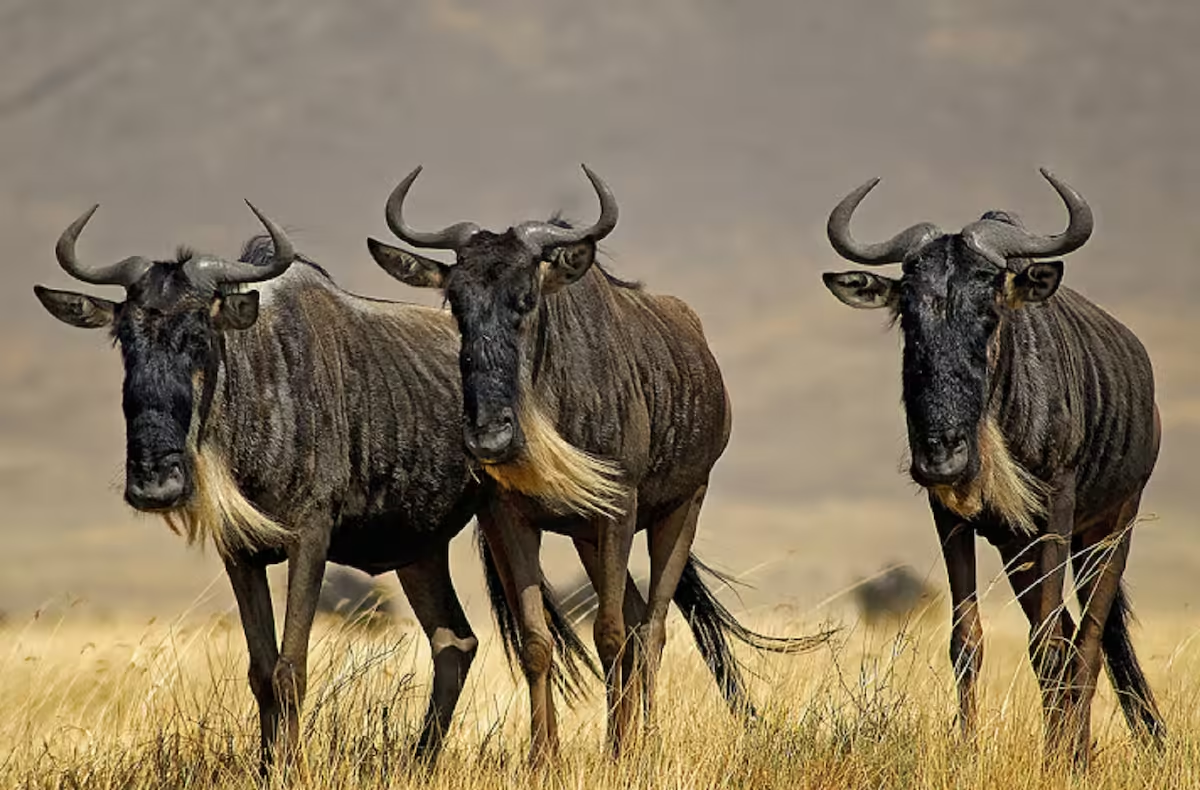
The Maasai Mara at your own pace first, then a proper block of Indian Ocean time.
From $5,350
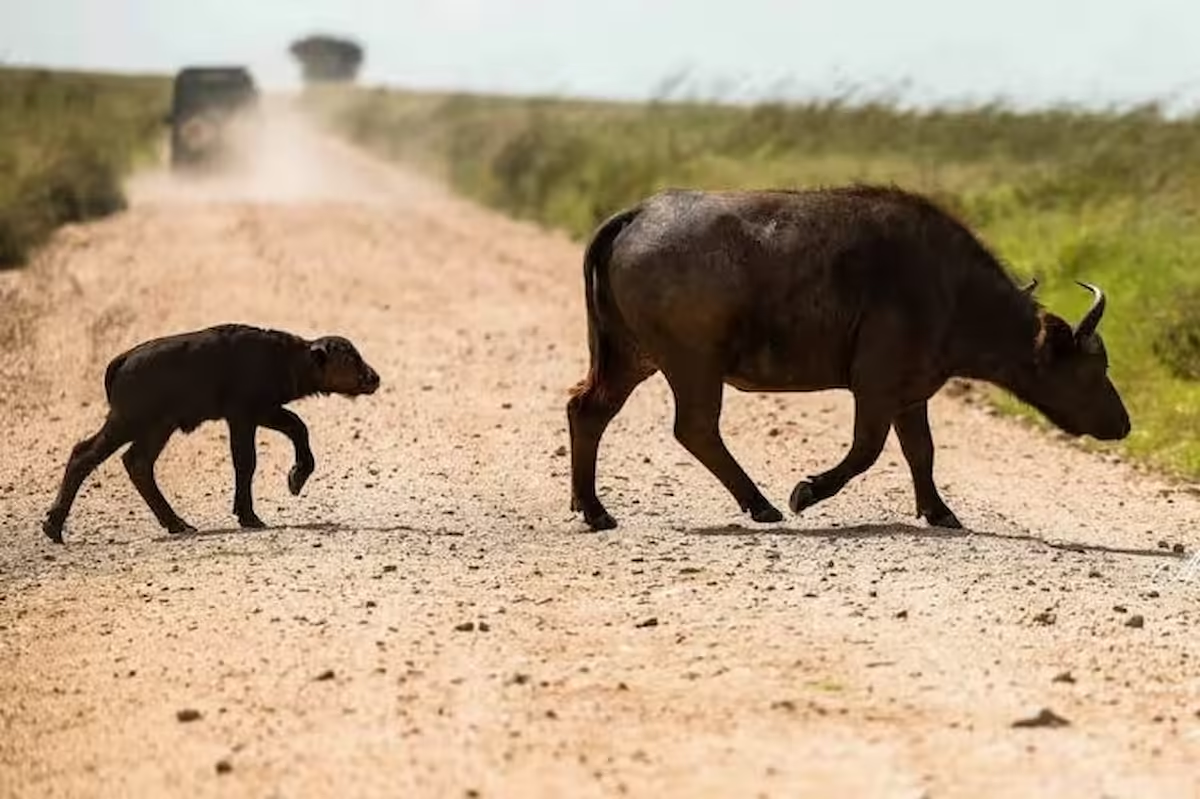
Northern and southern circuits, vehicle options and the routes that suit one driver-guide.
Tailor-made
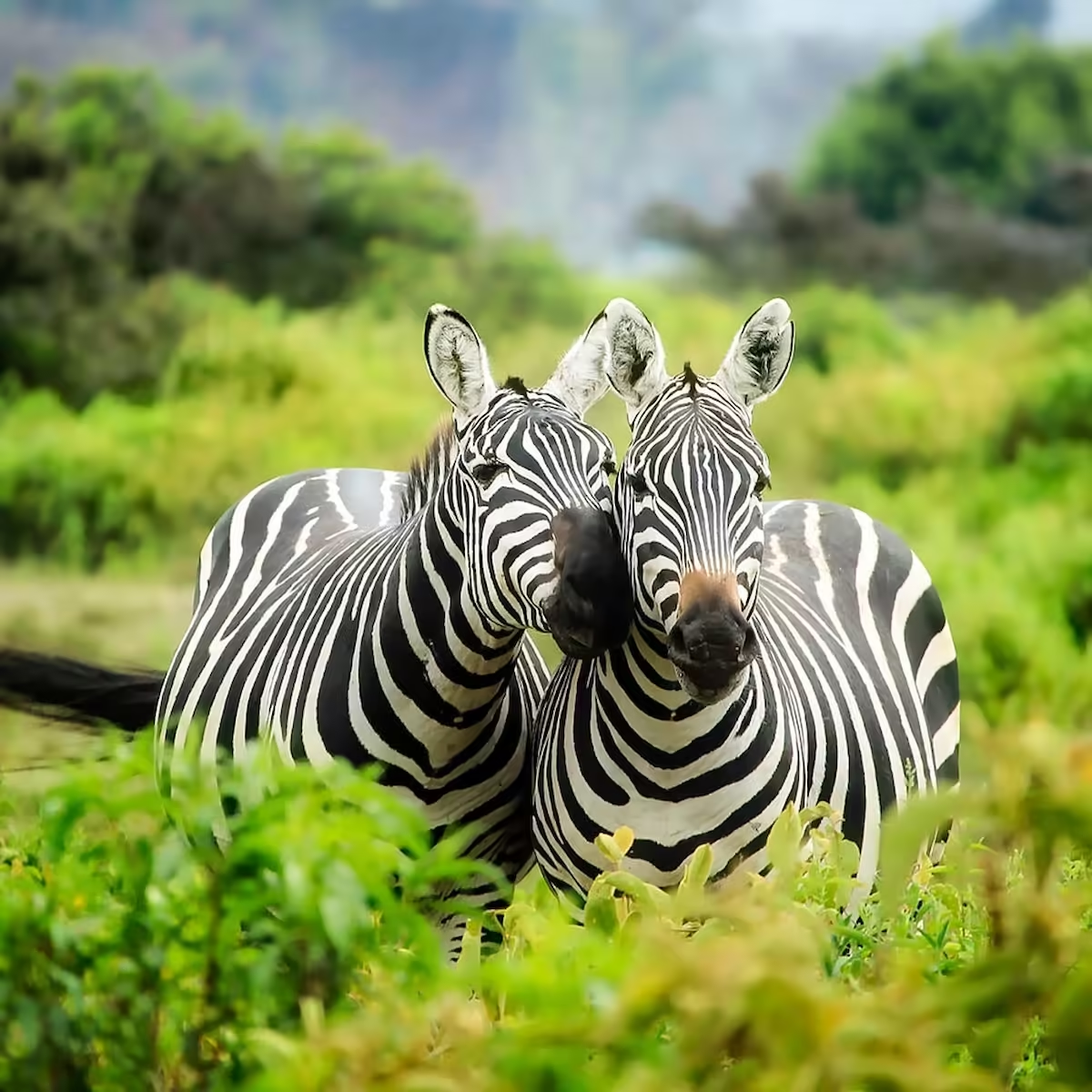
The Mara, Amboseli and Samburu in one private vehicle, with a coast finish if you want one.
Tailor-made
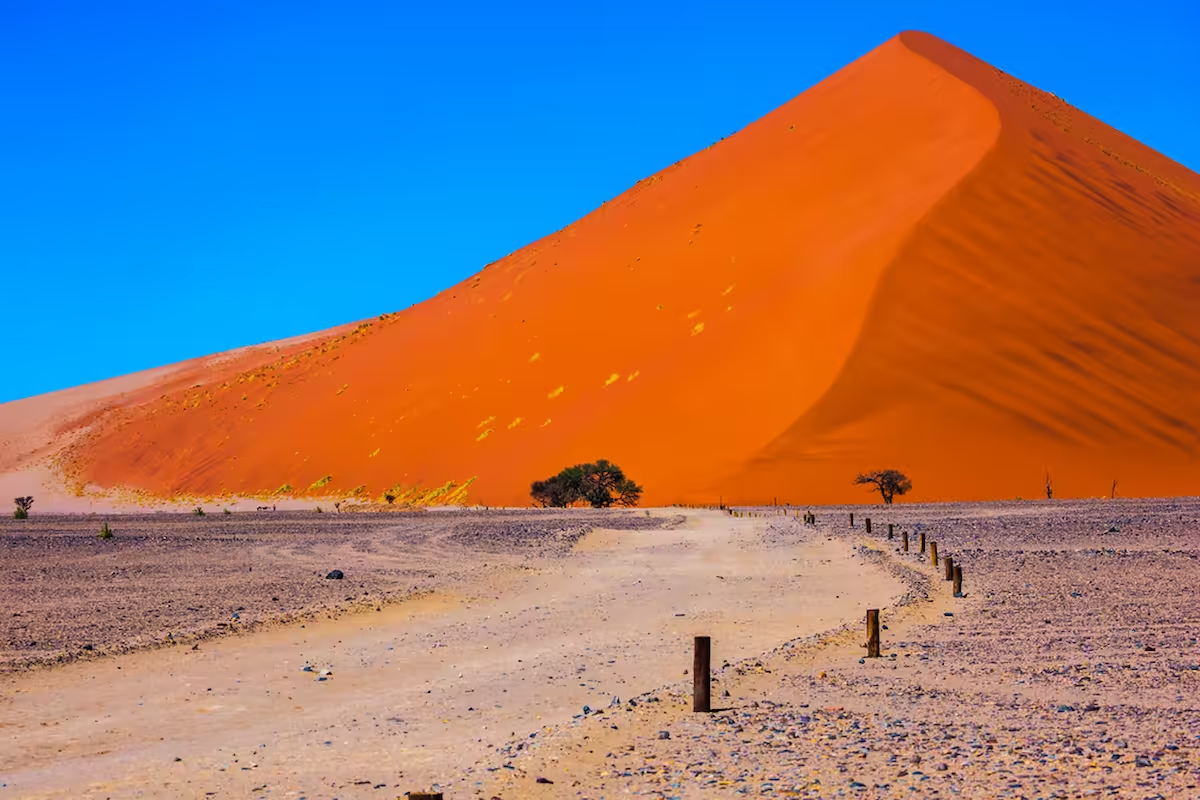
Guided private routes, fly-in options and the case for keeping the self-drive on the table.
Tailor-made
Concession camps, fly-in logistics and private guiding across the Delta and Chobe.
Tailor-made
Fifteen route shapes by country and duration. Every one can be run privately and re-cut around your dates, budget and finishing point.
Arusha, Tarangire and the Ngorongoro Crater for a short private trip focused on elephants and landscapes.
Best for: A first private safari with a tight window.
Arusha, Tarangire, Ngorongoro and the Serengeti in a compact northern circuit.
Best for: Couples who want the full circuit without a beach.
More time in the Serengeti and flexible game drives with nowhere to rush to.
Best for: Travellers who want fewer camp changes.
The full private safari followed by an Indian Ocean beach stay.
Best for: Bush and beach in one private itinerary.
Nairobi, Amboseli and the Maasai Mara with a vehicle reserved for your group.
Best for: Classic Kenya with Kilimanjaro views.
Nairobi, the Maasai Mara, Laikipia and Diani Beach at an unhurried pace.
Best for: Families who need a slower schedule.
Maun, the Okavango Delta and Moremi or Khwai, flown between private camps.
Best for: Low-density wilderness and quiet water.
Delta, Chobe and Victoria Falls with private guiding throughout.
Best for: A waterfall finale instead of a beach.
Cape Town and the Greater Kruger, with a private vehicle in the reserve.
Best for: Fewest internal flights on the continent.
Cape Town, the Winelands and Greater Kruger with room for a rest day.
Best for: City, wine and wildlife in one trip.
Windhoek, Sossusvlei, Damaraland and Etosha with a private guide or a guided 4x4.
Best for: Desert landscapes and reliable waterholes.
South Luangwa and the Lower Zambezi for game drives, walking and river time.
Best for: Walking safaris and photographic flexibility.
Victoria Falls and Hwange, with the option of Mana Pools for longer stays.
Best for: Guided parks where the guide drives the sighting.
Kigali, Akagera and the Volcanoes, with gorilla permits secured first.
Best for: A trek as the centrepiece of the trip.
Entebbe, Kibale, Queen Elizabeth and Bwindi with one guide throughout.
Best for: Primates and classic safari in one country.
Ask us to shape one of these around your dates
A private safari is a safari where the vehicle and guide are reserved exclusively for your travelling party, allowing greater control over the itinerary and the daily schedule.
It depends on your priorities and group size. It can be particularly useful for families, honeymooners, photographers, birders and groups who want control over the pace.
No. Private refers to exclusivity of the safari arrangement, while luxury generally refers to accommodation and service. The two can be combined, or kept apart.
No. A private concession refers to the land or operating area. A private safari refers to your vehicle and guide.
A private vehicle gives you exclusive use of the safari vehicle. A private guide is one dedicated guide who travels with your group across camps and, where logistics allow, across borders.
One dedicated guide accompanies your group through multiple destinations instead of each camp supplying its own guide. It works best on longer, multi-stop itineraries.
Yes. Depending on the destination and operator, you can book a dedicated private guide for your safari.
Usually, within park regulations and the operating rules of the camp or reserve.
A private vehicle gives you considerably more flexibility to do so, subject to guide judgement, park rules and the behaviour of the animals.
In principle yes - that is the point of the format. Confirm what flexibility your operator provides before you pay a deposit.
Speed, off-road driving, wildlife distances, night driving, leaving vehicles, park opening and closing times, walking and boat activities are all regulated. Private bookings do not override national park rules.
Yes. Private safaris are particularly useful for families because the itinerary can be adapted to the children's needs, although age restrictions for specific activities still apply.
Yes, and usually at a lower cost per person. One vehicle is paid for once and divided among the group instead of buying individual seats on a shared departure.
Decisively so. Positioning for light without a group vote, staying at a sighting and stopping for smaller subjects are all far easier with a vehicle reserved for you.
It can, especially with specific interests such as photography or birding. The cost of the vehicle is carried by one traveller rather than shared, so a shared departure is usually cheaper.
Generally, yes, because the vehicle and guiding resources are dedicated to your group. However, the cost per person becomes more reasonable when several people share the vehicle.
Generally yes, because the vehicle and guiding resources are dedicated to your group - but the premium scales with group size. Split two ways a private vehicle adds 30-60 percent per person over join-in; split four or five ways it often lands within 10-20 percent of a shared safari while keeping exclusive use of the vehicle and guide.
Yes. Private does not automatically mean luxury. A private vehicle can be combined with mid-range accommodation to keep the overall price lower.
Yes. Private does not automatically mean luxury - the budget-private formula is mid-range tented camps (US$150-250 per person per day), a private 4x4 split by your group only, and green-season dates. The total lands 20-30 percent under a join-in luxury quote while keeping exclusive guiding; what you give up is lodge pools and spa menus, not wildlife access.
Check whether conservation and park fees are part of the quoted price. On some proposals they are included, on others they are itemised separately.
Fee schedules change annually and differ by citizenship - Serengeti around US$70 per adult per day, Maasai Mara conservancies around US$100, Kruger US$10-40 - so the right test is whether your quote lists each park, each day and each tariff. Ours does, and the same question exposes operators who discount the headline and re-add fees later.
This matters particularly for Botswana, Zambia and remote safari areas, where light-aircraft charters can be a significant share of the total.
A private safari vehicle does not necessarily mean every lodge activity is private. Walking, boating and balloon flights are often small-group activities - check each one.
Yes. A private Tanzania safari can be combined with Zanzibar, creating a private bush-and-beach itinerary.
Yes. Rwanda and Uganda both combine trekking with private vehicle days, but permits are limited and should be secured first.
Private vehicles change the format more than the permits: you can time the trek-day start at will, run a chimp morning and Bwindi afternoon on one day, and route through the park without group-departure constraints. The cost driver is private guiding versus permits - permits are fixed-price either way, so the trek day itself does not get cheaper in a private trip.
Yes. Botswana, Zambia and Zimbabwe itineraries can all end at Victoria Falls, which works well where a beach finish does not suit you.
Yes. Private safari itineraries can be designed across countries such as Kenya and Tanzania, Botswana and Zimbabwe, or Zambia and Zimbabwe, subject to border, flight and vehicle logistics.
Send us your dates, your group size and what matters most - wildlife, photography, pace or budget. A specialist replies within 24 hours with a suggested route and two or three price levels.
A private safari should begin with the traveller rather than with a fixed itinerary. Tell us who is travelling, what wildlife you want to see, how you like to travel, what accommodation you prefer, how much time you have, whether you want beach time and what your budget allows. From there the route can be shaped around the group - three quiet days in the Serengeti with no unnecessary hotel changes, wild dogs in Zambia, a short safari before a week in Zanzibar, Botswana with Victoria Falls, or a two-week private journey through Kenya and Tanzania. The defining feature is the same either way: the safari is built around your priorities, not around a timetable shared with strangers.