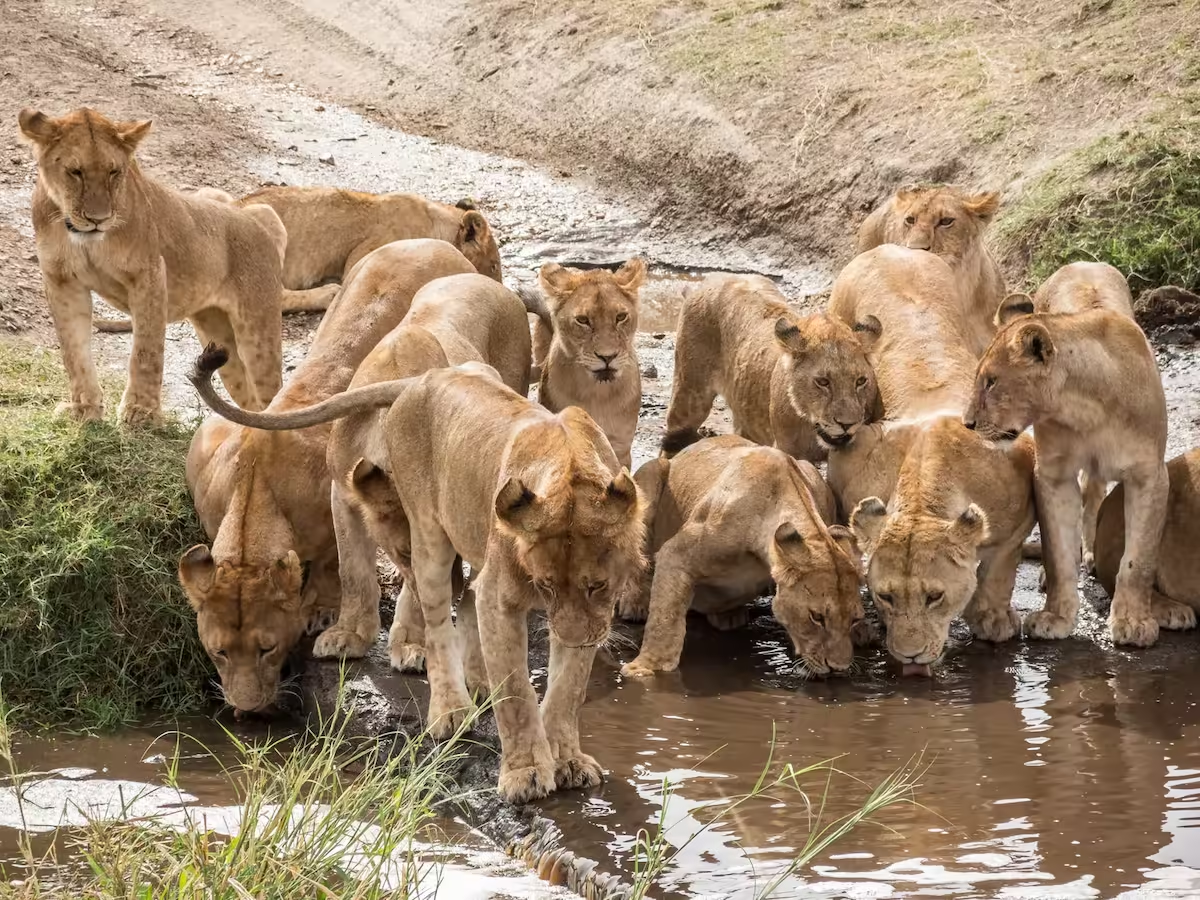
5-Day Tanzania Group Safari
Tarangire, the Serengeti and the Ngorongoro Crater on a scheduled departure with a maximum of seven travelers.
From $1,750

Africa-wide safari hub
Shared vehicles, fixed departures and small-group options across nine safari countries.
A group safari brings travelers who may not know one another together on the same itinerary, in the same vehicle, on the same dates.
A group safari is a shared wildlife journey. Travelers explore national parks, reserves and conservation areas together instead of taking an exclusive vehicle and guide. For solo travelers, couples, friends and anyone watching the budget, joining a group makes destinations such as the Serengeti, Maasai Mara, Kruger, Okavango Delta and Victoria Falls reachable while the cost of transport and guiding is split between several people.
Instead of paying for an entire safari vehicle yourself, you join other travelers and share:
The accommodation itself is normally booked per person. Travelers stay in their own room, tent or lodge unit according to the package, so sharing the vehicle does not usually mean sharing the room.
Some group safaris are fixed departures, meaning you join on a specific date and follow a set itinerary. Others are joining safaris, where travelers are collected from different hotels or arrival points before the safari begins.
That distinction matters most to solo travelers, who get the safari experience without paying the full cost of a private vehicle. Small or large group → Group or private → What it costs →
Three departures we place most often. Every other duration and route sits in the collection below.
Tarangire, the Serengeti and the Ngorongoro Crater on a scheduled departure with a maximum of seven travelers.
From $1,750
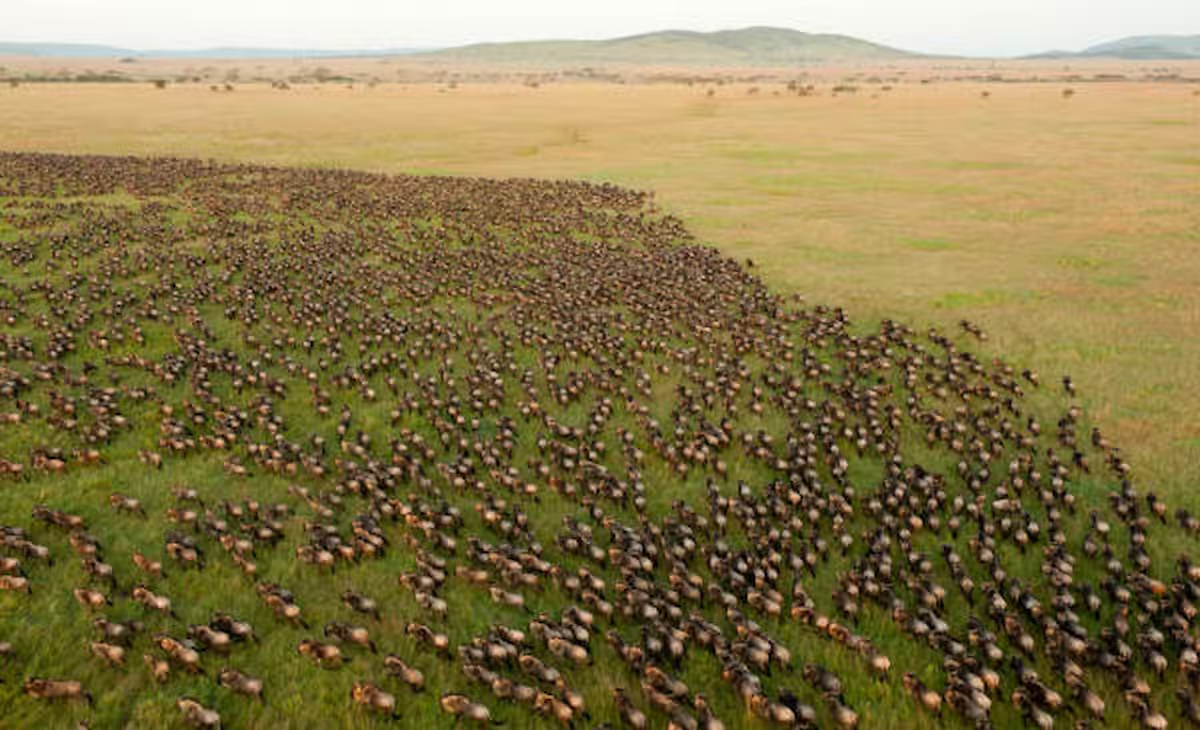
The full northern circuit plus northern Serengeti, with one vehicle and one guide for the week.
From $2,450
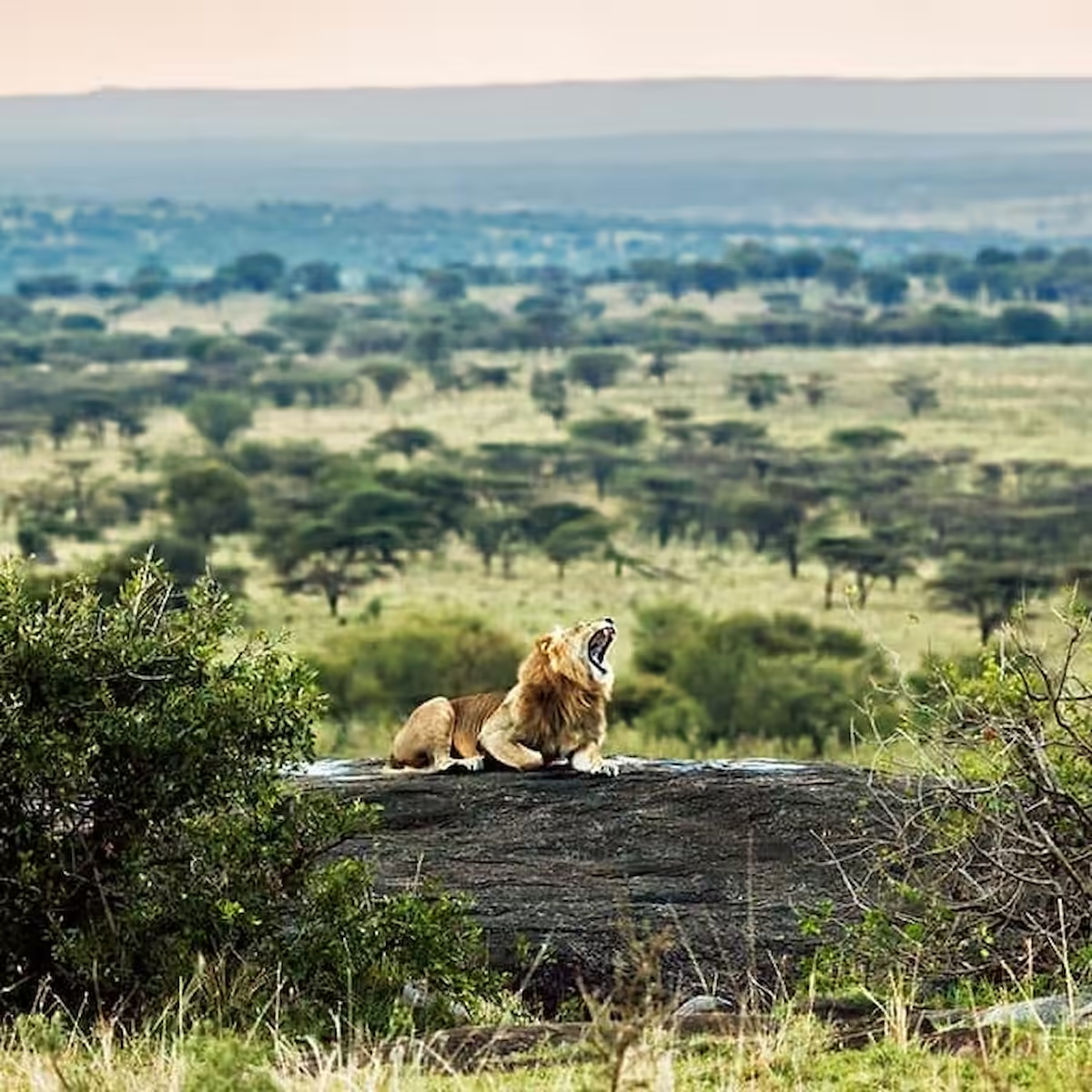
Every published Tanzania group departure in one place, with dates, vehicle capacity and what is included.
Fixed dates
The phrase group safari can describe very different travel experiences, and the number that matters is the number of people in your vehicle.
A small-group safari keeps the number of people in each safari vehicle low. A larger group may be split between several vehicles, sometimes with a lead guide or tour leader coordinating the day. Many East African shared safaris run with around six to eight travelers per vehicle, while other itineraries use larger capacities depending on the operator and the vehicle.
Best suited to travelers who want:
Larger groups can work well for:
The key question is not how many people are on the trip. It is how many people will actually be in your safari vehicle, because that number has a far greater effect on the daily game-drive experience. How many seats to expect → Group safari vehicles →
The main difference is control, and it shows up in almost every part of the day.
| Feature | Group safari | Private safari |
|---|---|---|
| Vehicle | Shared | Exclusive |
| Guide | Shared | Dedicated |
| Departure | Usually scheduled | Flexible |
| Itinerary | More fixed | Customizable |
| Game-drive timing | Generally scheduled | More flexible |
| Cost per traveler | Usually lower | Usually higher |
| Meeting other travelers | Yes | Usually no |
| Accommodation | Selected from the package | More customizable |
| Changes during the safari | Limited | Easier to arrange |
| Best for | Solo travelers, friends, budget-conscious travelers | Families, couples, photographers, private groups |
A private safari lets the travelers determine the pace and use the vehicle exclusively. Shared group itineraries generally run with predefined game-drive types and durations, whereas a private vehicle gives you more choice over when you leave, how long you stay and where you stop.
A group safari is therefore not simply a cheaper private safari. It is a different style of travel built around shared logistics and shared experiences. Private safaris overview → Which structure fits your trip →
Four reasons come up again and again, and they are not all about money.
One of the biggest reasons people choose a group safari is the ability to spread vehicle, guide and logistical costs across several travelers. That can make safari more accessible to solo travelers and couples who do not want to pay for an entire private vehicle.
The real saving depends on the destination, accommodation, season, park fees, vehicle type, itinerary and group size. A budget camping departure in the northern circuit and a small-group lodge safari in the Okavango are not comparable line by line, so compare what is included rather than the headline figure.
A group safari naturally creates opportunities to meet people from different countries and backgrounds, and for solo travelers this is often the strongest advantage of the format.
You may begin the safari as strangers and spend several days sharing:
Group safaris suit travelers who do not want to organize every component themselves. A typical scheduled safari already has:
That makes joining a safari particularly practical for first-time visitors, who get a working safari without having to learn park logistics in advance. First safari guide →
Solo travelers often face higher per-person costs on private safaris, because the vehicle and the guide are not being shared. A joining group safari lets a solo traveler enter an existing departure and share the vehicle with other travelers, which keeps a solo trip viable across Tanzania, Kenya and southern Africa.
Group departures are a standard part of the Tanzania market, with scheduled small-group trips running across wildlife itineraries and safari-plus-Zanzibar combinations. Group safari for solo travelers →
Everything on this page, grouped. Jump straight to the part you need.
A typical day depends on the destination and the itinerary, but the structure is usually predictable.
Wake before sunrise, have breakfast or take a packed breakfast, and leave for the morning game drive. Early morning is used because temperatures are cooler and wildlife activity is often good.
The vehicle explores the park while the guide searches for wildlife and explains animal behavior, tracks, habitats and landscapes. Because the vehicle is shared, stops are made for everyone rather than for one photographer.
Return to the lodge, tented camp or designated picnic location. This is often followed by lunch and a period of rest during the hottest hours.
Leave again later in the day as temperatures begin to fall. Afternoon drives are usually shorter than the morning drive and often end with sundowners outside the vehicle.
Return to camp or lodge for dinner and time around the campfire or at the accommodation. The next day's departure time is normally confirmed the evening before. Game drives →
The exact schedule is destination-dependent. In Kruger, for example, SANParks offers morning, sunset and night drives, while drive durations and departure times vary by activity and season.
There is no single international group size, and the most important number is the vehicle capacity.
Many East African shared safaris operate with approximately six to eight travelers per vehicle, although actual capacity varies by operator and itinerary. Some departures run four to seven travelers per vehicle, and larger organized groups are often split across several vehicles rather than compressed into one.
A group safari can therefore mean:
Before booking, ask for the maximum number of travelers in your vehicle rather than the total number of people on the departure. One operator's group of twenty across four vehicles is a better daily experience than a group of nine in a single minibus. How to choose the right group safari → Questions to ask before booking →
The vehicle is one of the most important parts of the experience, and it is the detail most often skipped.
Depending on the destination, group safaris may use:
In Tanzania, shared safari vehicles commonly allow passengers to view wildlife through open or pop-up sections of the vehicle. In South Africa, guided safari drives can use open safari vehicles, and SANParks operates guided game drives across destinations including Kruger, Addo, Karoo and Marakele.
For a group safari, check four things: maximum passengers, window access, roof design and luggage space. Seat configuration matters more than the advertised vehicle name, because a vehicle with six seats and no window for the seventh traveler changes the day considerably.
Ask what vehicle you will actually get before you pay a deposit. Game drives → Photographic safaris →
Africa has several major destinations where group or small-group safaris can be organized, and each one suits a different kind of traveler.
The strongest joining-safari networks sit in East Africa, where the northern circuits of Tanzania and Kenya connect parks within a straightforward road itinerary. Southern Africa offers a different model: more fly-in logistics, smaller parks and higher park fees, which is why group departures there tend to be structured differently from a classic East African road safari.
Use the sections below to compare routes, typical package ideas and what each country is genuinely good at. East Africa safaris → Southern Africa safaris →
Tanzania is one of the strongest destinations for joining safaris, because several major wildlife areas connect within a relatively straightforward northern circuit.
Popular group safari routes run Arusha to Tarangire, the Serengeti and the Ngorongoro Crater before returning to Arusha. Other combinations add Lake Manyara, Ndutu, the northern or central Serengeti, and Zanzibar.
Tanzania group safaris suit travelers interested in Serengeti wildlife, the Great Migration, the Ngorongoro Crater, Big Five viewing, budget camping, mid-range lodges, solo travel and safari-plus-Zanzibar combinations. Scheduled departures regularly combine Serengeti and Ngorongoro with a Zanzibar extension. Great Migration → Migration safaris →

Two of these run as published departures you can join: 5-day Tanzania group safari → and 7-day Tanzania group safari →, with the full joining picture on the Tanzania group safari hub →.
Kenya is another major destination for small-group safari travel, with short distances between the Mara, the lakes and the coast.
The classic group route runs Nairobi to the Maasai Mara, Lake Nakuru and back to Nairobi. Other itineraries combine Amboseli, Tsavo East, Tsavo West, Samburu, Lake Naivasha and Diani Beach. Maasai Mara → Kenya safaris →

Botswana needs more careful itinerary planning, because the safari model differs from most East African road safaris.
The country's major experiences are the Okavango Delta, Moremi, Chobe, Savuti, Linyanti and the Central Kalahari. Group travel works through mobile camping safaris, scheduled departures, small-group lodge safaris and combination journeys that end at Victoria Falls. Boat safaris and mokoro → Botswana safaris →

South Africa is the most flexible country on this list for group travel, because of its road network, range of accommodation and variety of guided safari products.
Kruger National Park is the main option. SANParks offers guided morning, sunset and night drives in Kruger with qualified guides interpreting the park and its wildlife, and private reserves around Greater Kruger add smaller vehicles and off-road driving. South Africa safaris → National parks →
Namibia suits travelers who want landscapes as much as wildlife, and group departures handle the long distances well.
A group itinerary can combine Etosha National Park, Sossusvlei, Damaraland, Swakopmund, the Skeleton Coast and the Waterberg. Distances are large, so sharing the driving is a genuine benefit rather than a compromise. Namibia safaris → Namibia self-drive →
Zambia suits travelers looking for a more wilderness-focused safari rather than a checklist of parks.
Popular areas are South Luangwa, the Lower Zambezi and Kafue. Group itineraries combine traditional game drives with walking experiences where permitted, and South Luangwa in particular is built around small groups on foot. Walking safaris →
Zimbabwe gives strong combinations of wildlife, wilderness and Victoria Falls.
Popular routes run through Victoria Falls, Hwange National Park, Mana Pools and Matobo National Park. Because the main sights are spread across the country, group departures usually chain two or three of them rather than trying to cover everything. Southern Africa safaris →
Rwanda suits smaller organized groups, because many of its experiences are activity-focused rather than drive-focused.
Possible combinations include Kigali, Volcanoes National Park, Akagera and Nyungwe. Gorilla and chimpanzee experiences require specific permits and regulated tracking arrangements, so they should not be treated like ordinary open game drives: groups are small by regulation, and the day runs on the ranger's schedule. Gorilla trekking → Gorilla safaris →
Uganda combines savannah wildlife and primate experiences in one country, which makes it efficient for a group itinerary.
Major destinations are Bwindi Impenetrable National Park, Kibale Forest, Queen Elizabeth National Park, Murchison Falls, Kidepo Valley and Lake Mburo. Gorilla and chimpanzee tracking runs under specific management guidelines and permits, and those permits are the one cost that does not get cheaper when the group gets bigger. Uganda safaris → Chimpanzee trekking →
Zanzibar works well as an extension to an East African group safari, because it adds beach time without a second long-haul flight.
Rather than creating a separate holiday, travelers combine a mainland wildlife circuit with several days on the Indian Ocean. This is the single most common way group safaris are lengthened.
This combination is particularly practical for travelers who want wildlife and beach time within one African holiday. Tanzania safari and Zanzibar → Safaris from Zanzibar → Kenya safari and beach →
A group safari solves one of the biggest challenges for solo travelers: the cost of traveling alone.
Instead of paying for an entire vehicle, the traveler joins an existing departure. It also creates a natural social environment without requiring anyone to assemble a group before arrival, which is the part most solo travelers cannot do from home.
Before booking, ask:
Some operators allow solo travelers to share accommodation to reduce single supplements, while others provide individual rooms at an additional cost. The difference can be larger than the difference between operators, so confirm it before the deposit rather than after.
Couples join group safaris when they want to reduce the cost of a private safari while still reaching the major wildlife areas.
The trade-off is flexibility. On a shared departure you may not be able to:
For couples who prioritize privacy, a private safari offers a different experience, because the vehicle and the guide are dedicated to you and the day can bend around one sighting. Private safaris overview → Which structure fits your trip →
Friends traveling together can use a scheduled departure or build a larger group of their own.
For a group of friends, it is worth comparing two options directly:
Once the group becomes large enough, a private vehicle can make logistical and financial sense, because the fixed cost of the vehicle is spread across more people. The threshold depends on the destination and the vehicle capacity: six travelers in one 4x4 is often cheaper per person than six travelers on a published departure.
Families can join group safaris, but age restrictions and activity rules need to be checked before booking.
The issue is not simply whether a destination is family-friendly. Different parks, camps, vehicles and activities set different minimum ages. SANParks, for example, states that children under six cannot take part in its guided Kruger game-drive activities, while other safari activities carry their own age requirements.
For families with younger children, a private safari provides greater control over departure times, breaks, meal schedules, vehicle space, child-friendly accommodation and daily driving distances. Family safaris →
Group safaris can be rewarding for photography, but they require realistic expectations.
You share the vehicle with other travelers, which means the guide has to consider everyone's interests. A wildlife photographer may want to spend forty minutes with one leopard while another traveler would rather keep searching for elephants.
Shared safaris are less suited to travelers whose main purpose is wildlife photography, because the vehicle is shared and time at sightings may be limited. For serious wildlife photography, compare a small-group photographic safari with a private photographic safari before committing. Photographic safaris → Photographic safari collection →
There is no single price for an African group safari, and the range is wider than most people expect.
The final cost changes according to:
Prices vary widely even within one country, from budget camping departures to luxury small-group itineraries. The same seven days in Tanzania can differ by a factor of three depending on the season and the accommodation, which is why comparing a single headline number across operators is not useful. What to compare instead →
Usually emphasizes camping or simple accommodation, shared transport, a fixed itinerary and fewer included extras. It gives the lowest per-person cost and the least comfort, and park fees still cost the same regardless of the tent.
Usually combines lodges or tented camps, a shared safari vehicle, full-board accommodation and more comfortable transfers. This is where most travelers land, and where the difference between operators is hardest to see from the brochure.
Can include premium lodges, luxury tented camps, internal flights, smaller groups, specialist guides and premium activities. The word small does most of the work here: four travelers in a vehicle behaves very differently from nine.
A group safari package may include safari transportation, a shared 4x4 or safari vehicle, the driver-guide, accommodation, meals according to the itinerary, national park fees, conservation fees, game drives, airport or hotel transfers, bottled drinking water and taxes. Depending on the itinerary it may also include domestic flights, walking safaris, boat safaris, cultural experiences, Zanzibar accommodation, beach transfers and special permits.
Common exclusions are international flights, visa fees, travel insurance, personal drinks, tips, laundry, souvenirs, optional activities, additional hotel nights, personal expenses, and gorilla or chimpanzee permits when they are not specifically listed. Always compare the included items rather than only the advertised price, because the exact inclusions should be stated in each itinerary.
Seven checks catch most of the surprises, and none of them are about price.
This is the most important question. Small group can mean different things between operators, and the number printed on the departure is not always the number in your vehicle.
Some departures need a minimum number of travelers before they operate. Ask whether your booking is guaranteed, confirmed, or pending minimum numbers, and what happens to you if the trip does not reach that number.
Two group safaris covering the same parks can feel completely different depending on where travelers sleep. Compare camping, budget lodges, mid-range lodges, tented camps and luxury camps rather than assuming the word safari covers one standard. Where to stay →
Do not compare a three-day safari and a seven-day safari simply by daily price. A longer itinerary may include substantially more park time, more transfers and a different set of parks.
Ask whether the group runs morning and afternoon drives, full-day drives, fixed departure times, lodge-controlled drives or a flexible schedule. The schedule decides what your day actually looks like.
This matters most for families. Minimum ages apply at parks, camps, vehicles and individual activities, and they are not consistent between destinations.
A per-person price does not automatically mean a solo traveler gets a private room at no additional cost. Confirm the room arrangement and the supplement before the deposit. Questions to ask before booking →
These terms are sometimes used interchangeably, but they describe different products.
You join travelers who have booked separately, and the itinerary is generally fixed. This is the standard model for solo travelers and the cheapest way into a classic northern circuit.
The trip is deliberately designed around a limited number of participants. The group may share a specific departure date, guide and itinerary, and the cap is usually the selling point.
Your own family, friends, colleagues or organization forms the group, and the safari is then planned around your requirements. This option sits closer to a private safari while still letting multiple travelers share the overall cost.
If you are traveling with people you already know, the third option is usually the right one. Group safari for friends →
One is bought off a calendar, the other is designed around your group.
You choose from an existing departure. The advantages are fixed dates, a published itinerary, easier booking, usually lower cost and the chance to meet other travelers. The limitations are less flexibility, fixed accommodation, a fixed route, a shared vehicle and limited ability to change the schedule.
Your group travels together but the itinerary is designed specifically for you. You can choose the route, select the accommodation, decide the duration, coordinate around flights, pick the activities and keep your group together.
This is particularly useful for families, friends, photography groups, clubs, schools and corporate groups. Request a proposal →
Route shapes worth copying, whether you take them as published departures or as a brief for a custom group.
Every one of these can also be run privately. If the group is already large, the private version is often the better value. Private safaris overview →
Duration decides what you can realistically combine, and the shortest useful trip depends on where you start.
Suitable for travelers with limited time. Typical routes cover Tarangire and Ngorongoro, the Maasai Mara, Kruger or Akagera, usually starting and ending at the same gateway city.
A practical length for seeing several major attractions without making the trip feel like a transfer schedule. It is the shortest length that reliably covers two or three parks plus travel time.
One of the most useful durations for a classic safari circuit, because it allows a full day in each of three parks with a comfortable arrival and departure day.
Better for combining several ecosystems or countries, and the natural point at which a beach extension stops being rushed.
Suitable for a larger African journey, particularly Tanzania plus Zanzibar, Kenya plus Tanzania, Botswana plus Victoria Falls, South Africa plus Zimbabwe, and Uganda plus Rwanda. Safari and Zanzibar →
A shared safari reduces the number of separate vehicles on the road, but responsible tourism still depends on how the trip is run.
A responsible group safari should prioritize:
Group travel also requires consideration for other travelers. Noise, overcrowding around sightings and inappropriate behavior affect both the wildlife and the rest of the group, and on a shared vehicle you do not get to opt out of other people's conduct. Cultural tours → Travel guide →
Before paying a deposit, ask these. The answers separate one operator from another faster than the price does.
None of these questions are unreasonable, and an operator who answers all twenty in writing before the deposit is telling you something about how the trip will run. How to choose the right group safari → What affects the price →
Choose on how you want to travel, not only on price.
Choose a group safari when you want:
Consider a private safari when you need:
The distinction matters most where shared itineraries run on predefined game-drive schedules, while a private vehicle gives you control over the day. If your group is six or more, price the private option before assuming the group departure is cheaper. Private safaris overview → Take the safari quiz →
Where group travel works best, and what each country is usually paired with.
| Destination | Group safari highlights | Typical combination |
|---|---|---|
| Tanzania | Serengeti, Ngorongoro, Tarangire | Safari plus Zanzibar |
| Kenya | Maasai Mara, Amboseli, Tsavo | Safari plus Diani |
| Botswana | Okavango, Moremi, Chobe | Botswana plus Victoria Falls |
| South Africa | Kruger, Greater Kruger, Addo | Cape Town plus safari |
| Namibia | Etosha, Sossusvlei, Damaraland | Desert plus wildlife |
| Zambia | South Luangwa, Lower Zambezi | Walking plus game drives |
| Zimbabwe | Hwange, Victoria Falls, Matobo | Wildlife plus falls |
| Rwanda | Volcanoes, Akagera | Gorilla plus wildlife |
| Uganda | Bwindi, Kibale, Queen Elizabeth | Gorilla plus chimpanzee plus safari |
The three above are a shortlist. The country-by-country guides below cover the rest of the continent.
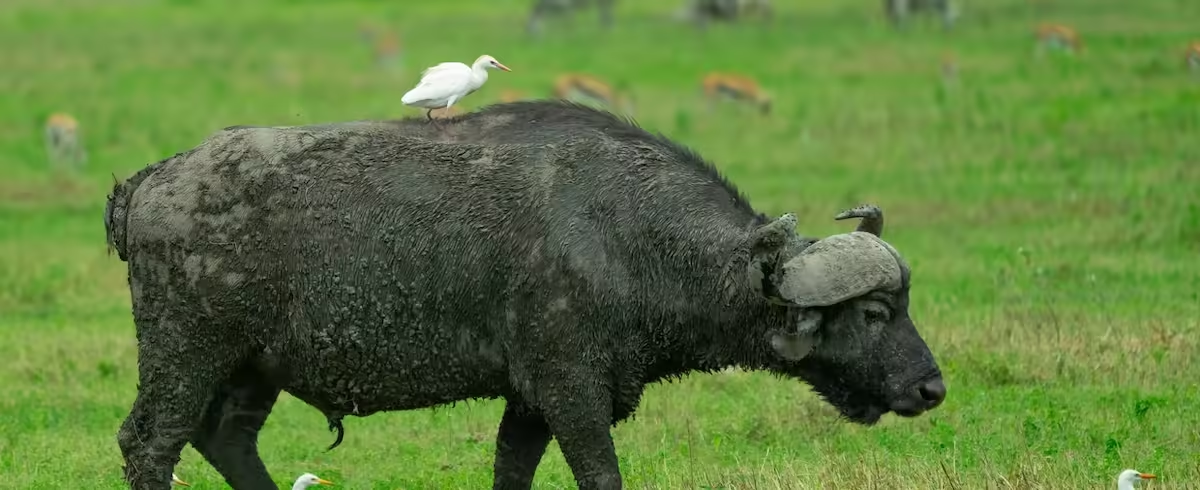
Northern and southern circuits, park fees and the routes that suit a shared vehicle.
Group departures
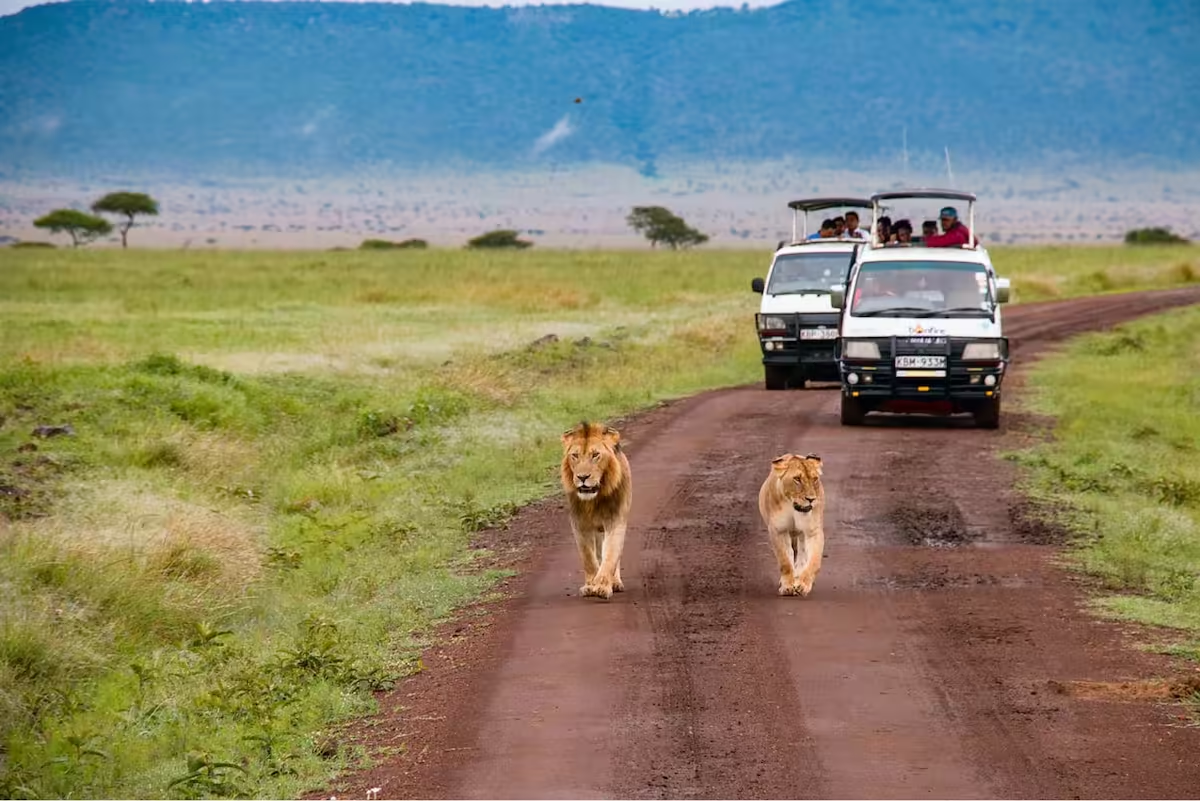
The Mara, Amboseli, the lakes and the coast in one country, with short transfer days.
Group departures
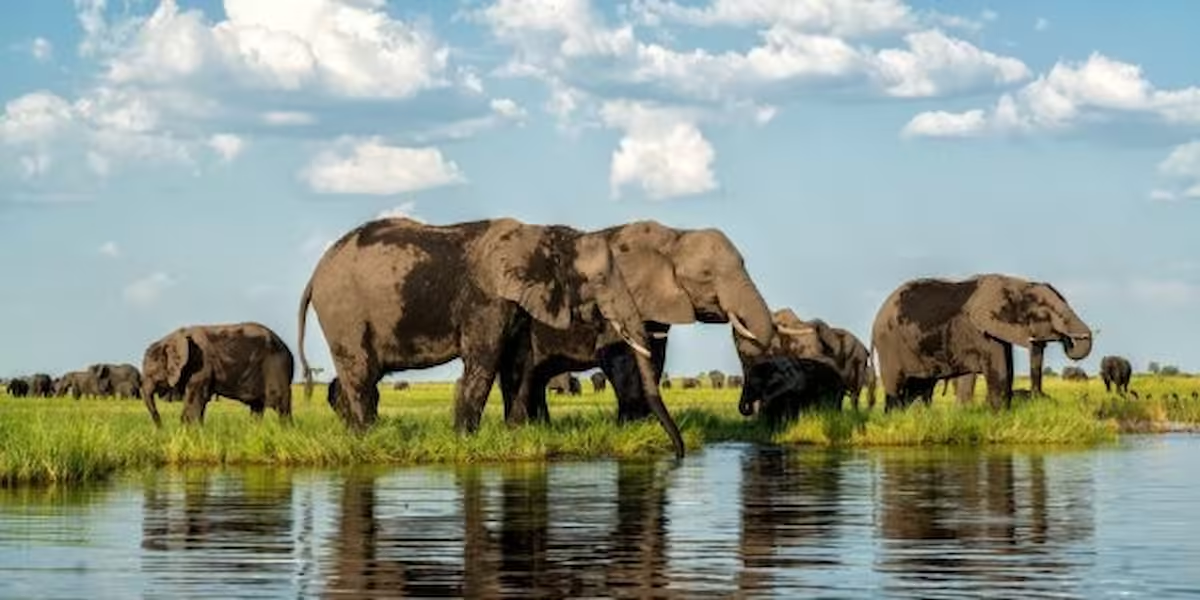
Delta, Moremi and Chobe logistics, and why the flying matters more than the driving.
Group departures
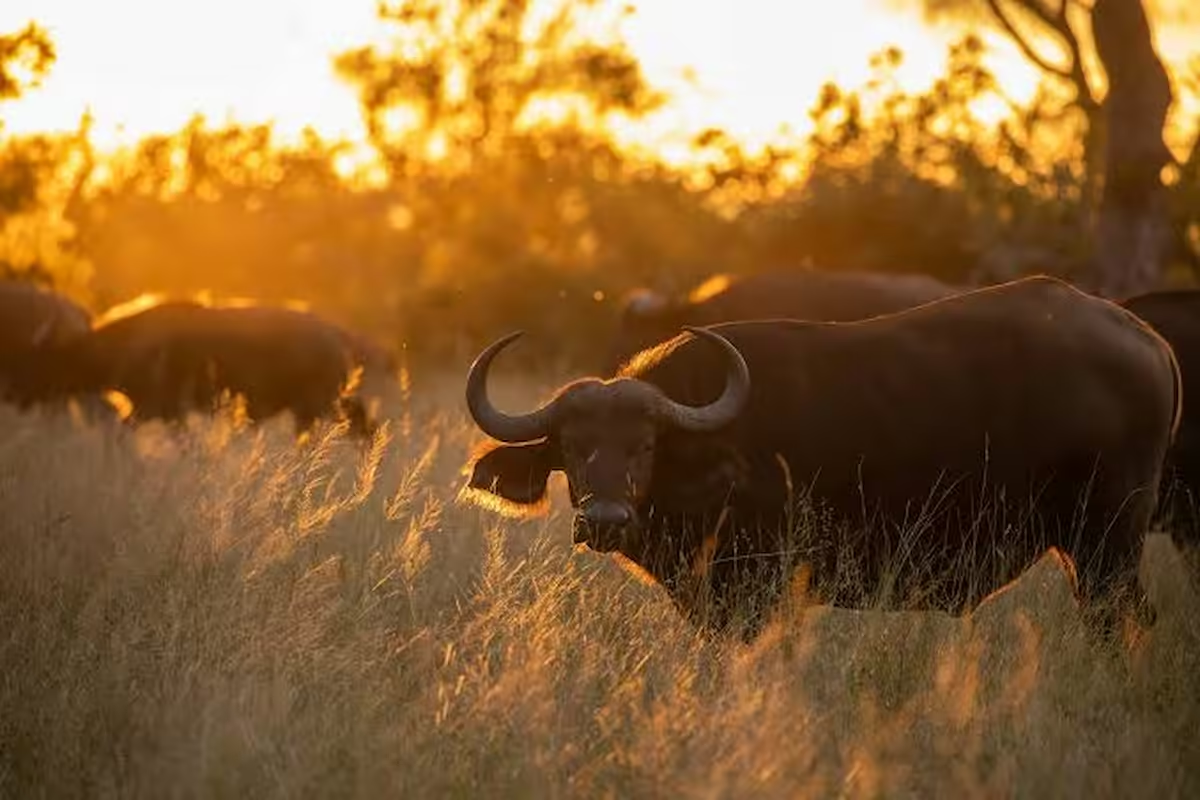
Kruger, the Garden Route and Cape Town, with the easiest road access on the continent.
Group departures
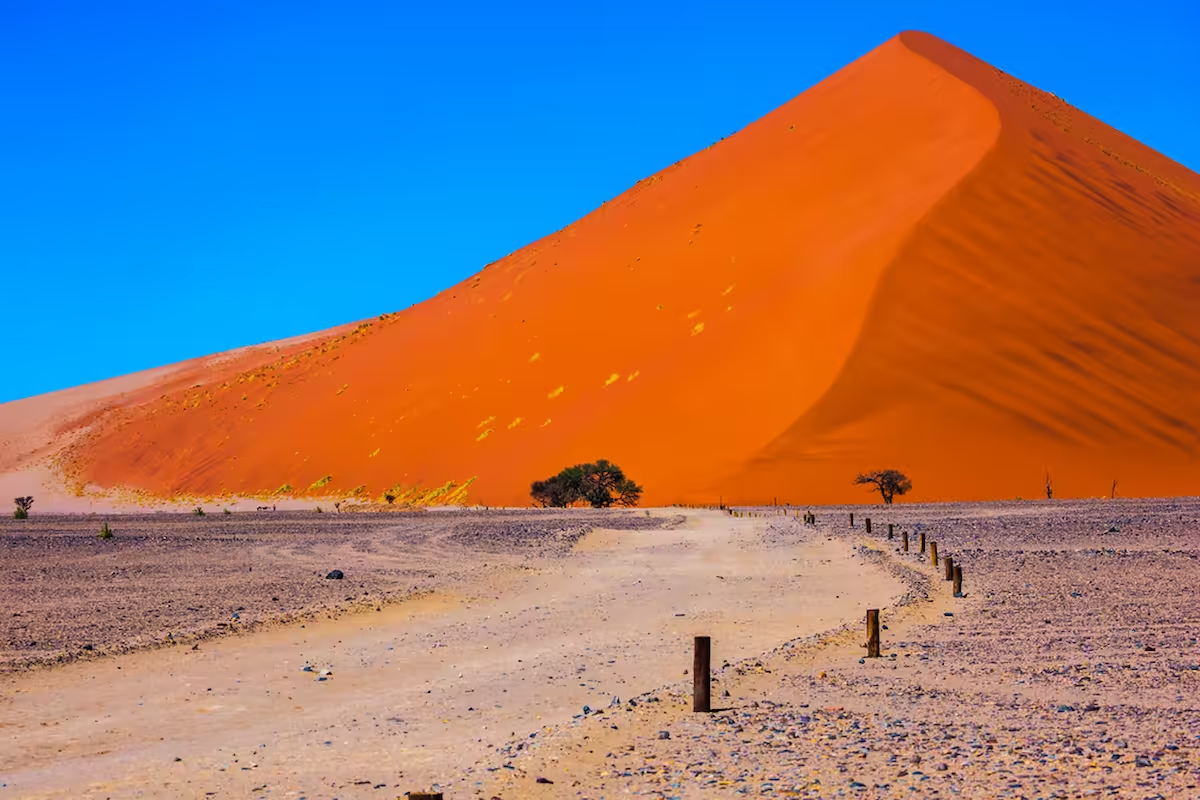
Desert landscapes, long distances and the parks where sharing the driving pays off.
Group departures
Savannah wildlife plus Kibale and Bwindi, where permits shape the itinerary more than the road.
Group departures
The best itinerary starts with your priorities rather than with a fixed departure.
A group safari does not have to mean sacrificing the important parts of the journey. From the Serengeti and Ngorongoro to the Maasai Mara, Kruger, Okavango Delta, Etosha, Bwindi and Victoria Falls, Africa offers group experiences ranging from straightforward joining departures to carefully designed small-group adventures. Popular group safaris →
Generally, sharing the vehicle and guide reduces the cost per traveler, but the actual price depends on destination, accommodation, season, group size, park fees and activities.
On a set-departure group safari the fixed costs - vehicle fuel, guide, park fees per vehicle-day - divide by every seat, which is why join-in departures undercut private quotes by 20-40 percent for the same parks. The trade is fixed dates, mixed company and sometimes a second vehicle; private groups of three or more usually close most of the gap.
There is no universal number. Many shared safaris advertise around six to seven travelers per vehicle, while other operators use different capacities. Always confirm the maximum vehicle occupancy before booking.
Yes. Joining safaris are commonly used by solo travelers who want to share the cost and the experience with other travelers.
Not necessarily. Many group safaris provide individual rooms or tents, but a single supplement may apply. Check the accommodation policy before booking.
Yes. Couples can join shared departures when they are comfortable with a fixed itinerary and a shared vehicle.
Yes, depending on the destination, accommodation and the children's ages. Some activities have minimum age restrictions, so these should be checked before booking.
Yes. Group departures can be scheduled around the seasonal movement of the migration, although wildlife sightings and migration locations cannot be guaranteed.
Yes. Tanzania group safaris combine naturally with Zanzibar, creating a bush-and-beach itinerary in one booking.
Depending on the operator and the departure, yes. Travelers can connect from Zanzibar to mainland Tanzania and join a scheduled safari.
It can be, but photographers should understand that time at individual sightings is influenced by the interests of the rest of the group. A private or dedicated photographic vehicle provides more control.
The group shares the safari vehicle and the itinerary, so compatibility matters. Ask the operator about maximum group size and whether travelers are matched into smaller vehicles.
Sometimes, depending on availability and the operator's booking conditions. It is better to request the private option before confirming the booking.
Whether you are traveling alone and want to meet other travelers, traveling with friends, planning a family adventure or looking for a lower-cost way to experience Africa's wildlife, a group safari is a practical way to explore the continent. The important thing is to look past the label: compare the actual vehicle capacity, itinerary, accommodation, guide arrangement, departure date, game-drive schedule and inclusions before choosing your trip. Tell us how many of you there are, which parks matter, when you can travel and what budget you are working to, and we will come back with the departures that genuinely fit.