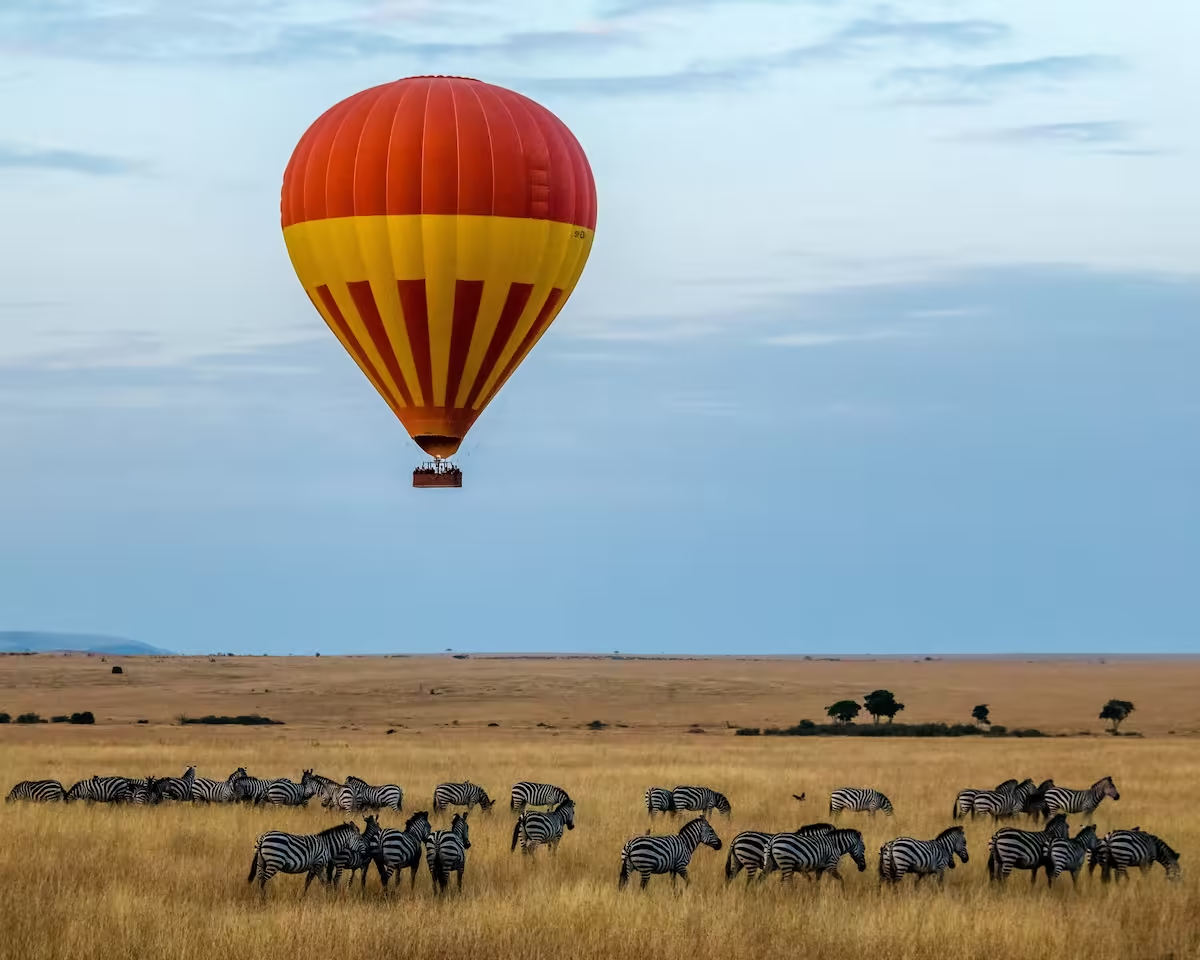
4-Day Tanzania Safari
The shortest itinerary that still delivers all three northern icons — elephants, a crater descent and the plains.
From $1,650 pp

Tanzania safari hub
The Serengeti, Ngorongoro Crater, Tarangire's elephants, Kilimanjaro and Zanzibar ” Tanzania is the most complete safari country on earth. We design private, tailor-made journeys around Migration timing, not brochures.
Tanzania safari guide
A Tanzania safari is an opportunity to experience some of Africa's most remarkable wildlife landscapes, from the vast grasslands of the Serengeti and the volcanic landscapes of the Ngorongoro Conservation Area to the elephant-rich plains of Tarangire and the river systems and wilderness of southern Tanzania. The country offers a wide range of safari environments, allowing travellers to experience far more than a single national park or wildlife attraction.
Tanzania's safari destinations are spread across different ecosystems, and each area offers a distinct experience. Serengeti National Park is famous for its vast plains, abundant wildlife and connection to the Great Migration. Ngorongoro Conservation Area combines exceptional wildlife viewing with volcanic landscapes, archaeological sites and living cultural traditions. Tarangire National Park is particularly recognised for its elephants and baobab landscapes, while destinations such as Nyerere National Park and Ruaha National Park provide a different experience in the country's southern wilderness. Tanzania's national park system currently includes destinations ranging from Serengeti and Tarangire to Nyerere, Ruaha, Katavi, Mahale and others.
Because the country is large and regionally varied, itineraries are built around your dates, pace and interests. A three-day introduction or a fourteen-day expedition across several ecosystems are equally normal, and both are worth planning properly.
Tanzania protects over a quarter of its land for wildlife, and no other country covers more safari ground in a single trip.
A Tanzania safari is not defined by a single national park or one type of landscape. Tanzania's protected areas stretch across open grasslands, volcanic highlands, acacia woodland, baobab-studded savannah, wetlands, rivers, forests and large wilderness areas. This ecological variety lets travellers experience different forms of wildlife viewing within the same country.
The northern circuit alone packs the highest density of big cats in Africa (Serengeti), the densest predator concentration per square kilometre (Ngorongoro Crater) and the largest elephant herds of the north (Tarangire) — all within a week's drive. Add the Great Migration, Kilimanjaro trekking and Zanzibar beach extensions, and Tanzania fits more into one itinerary than any comparable destination.
For a first safari, the classic northern route combines Tarangire, the Ngorongoro Conservation Area and the Serengeti. Tanzania's own tourism platform promotes this combination as a signature northern safari experience, bringing together Tarangire's elephants and baobabs, Ngorongoro's volcanic landscape and Serengeti's vast wildlife plains.
But Tanzania's safari story extends far beyond the northern circuit. In the south, Nyerere National Park follows the Rufiji River through floodplains, channels, lakes and woodland, creating opportunities for boat safaris as well as conventional game drives. Ruaha National Park offers another large-scale wilderness experience, with extensive savannah, the Great Ruaha River and important populations of elephants, buffalo and predators.
This geographic diversity means you can choose a safari according to the experience you want rather than simply choosing a famous park. A journey might focus on the Great Migration, the Big Five, elephants, predators, photography, birding, remote wilderness, cultural experiences or a combination of wildlife and the Indian Ocean coast.
Region guide
Tanzania's safari experience can broadly be understood through three major regions and destination groups. This section introduces each of them so you can decide which part of the country belongs on your itinerary.
Tarangire, Ngorongoro and Serengeti — the classic circuit, the Great Migration and the Big Five.
Nyerere and Ruaha — river wilderness, boat safaris, wild dogs and far fewer vehicles.
Mahale and Gombe — forest, lakeshore camps and chimpanzee habitats.
Northern Tanzania is the country's most established safari region and is home to several of its most internationally recognised destinations.
The classic northern circuit includes Tarangire National Park, Ngorongoro Conservation Area and Serengeti National Park. Tanzania's official tourism platform specifically highlights these three destinations as a signature northern safari experience.
This region is particularly suitable for travellers interested in the Big Five, the Great Migration, varied landscapes and a first safari experience in Tanzania.
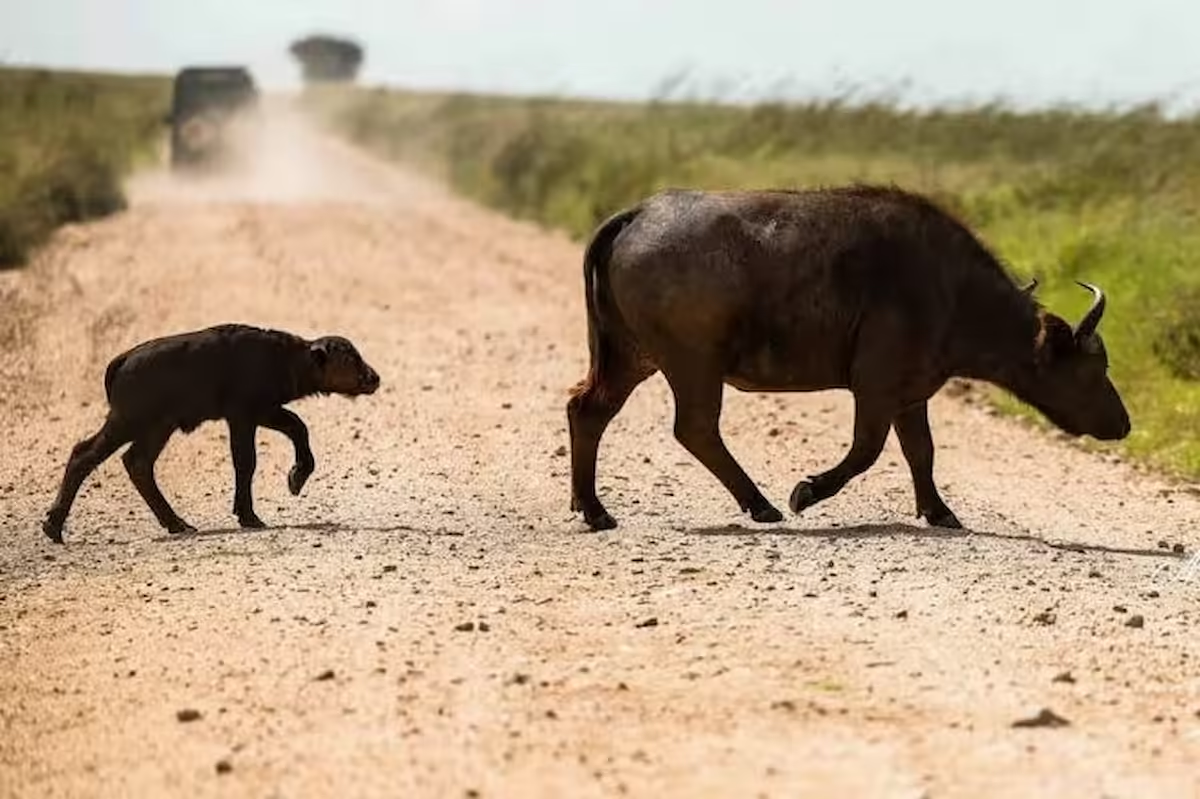
One of Tanzania's defining safari destinations. Its enormous grassland ecosystem supports large populations of herbivores and predators and forms part of the wider ecosystem through which the Great Migration moves.
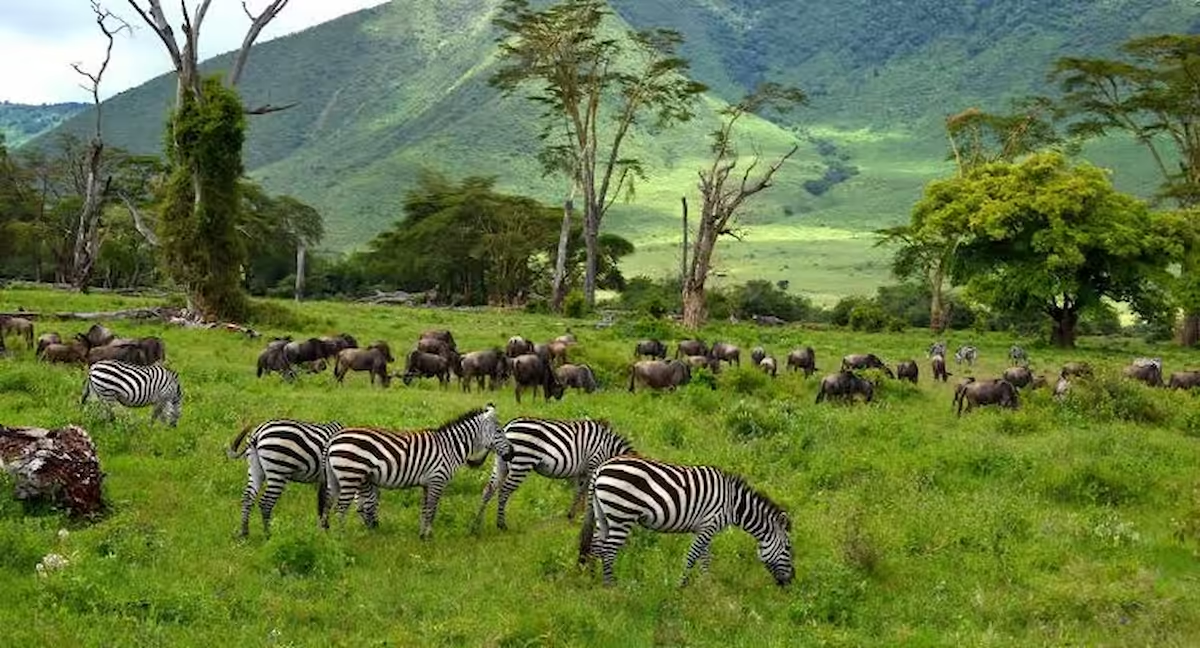
Wildlife, volcanic scenery, archaeology and cultural landscapes in one reserve. The NCAA identifies it as containing the world's largest unbroken caldera, with game drives, walking experiences and cultural tours.
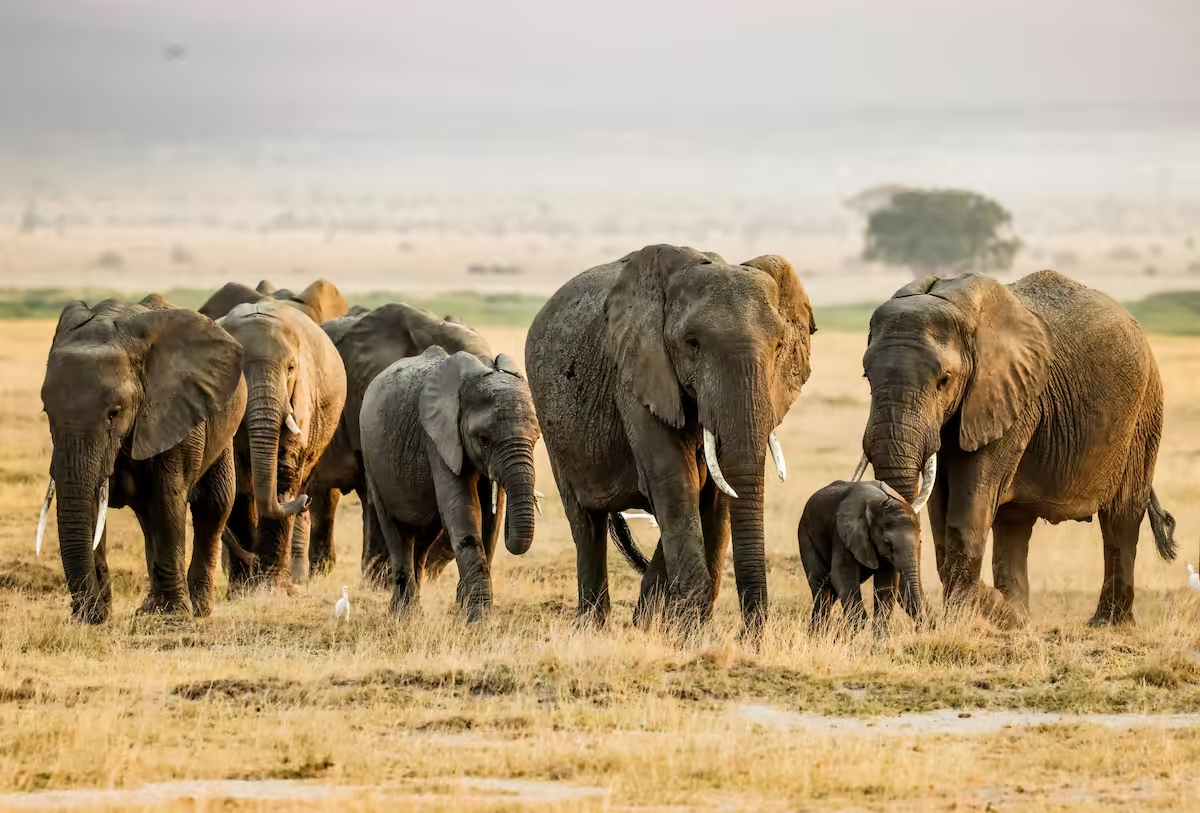
A different visual character from the Serengeti: large elephant populations, ancient baobabs and seasonal wildlife concentrations. TANAPA highlights its elephants and baobab landscapes.
The wider northern region also reaches beyond the big three: Lake Manyara for tree-climbing lions and flamingos, Olduvai Gorge, Empakai Crater, Olmoti and the northern highlands.
Southern Tanzania offers a more wilderness-oriented safari experience and deserves serious space in any Tanzania safari guide, not a footnote. It is the part of the country travellers return for once they have already seen the north.
Extensive wilderness around the Rufiji River system, offering game drives alongside boat-based wildlife experiences. TANAPA highlights elephants, buffalo, lions, hippos, crocodiles and African wild dogs among the wildlife found in the park.
Extensive wilderness, the Great Ruaha River, large buffalo herds, elephants and predators. TANAPA describes Ruaha as one of Tanzania's outstanding wilderness areas.
Western Tanzania is particularly relevant for travellers looking beyond the classic northern circuit. Destinations such as Mahale Mountains National Park and Gombe National Park provide opportunities to experience Tanzania's forests, lakeshore landscapes and chimpanzee habitats.
Ask us which region fits your dates →
Everything on this page, grouped. Jump straight to the part you need.
The right Tanzania safari depends less on the country's most famous park and more on what you actually want to get out of the trip.
For travellers visiting Tanzania for the first time, the northern circuit is often the natural starting point because several major safari destinations can be combined into one journey. A route incorporating Tarangire, Ngorongoro and Serengeti provides contrasting landscapes and wildlife experiences without requiring a journey across the entire country.
The Serengeti introduces travellers to enormous open plains and one of Africa's most famous wildlife ecosystems. Ngorongoro adds a dramatic volcanic setting and concentrated wildlife viewing, while Tarangire provides a different landscape characterised by elephants, seasonal wildlife concentrations and large baobabs. See our first safari guide for how to think about a first trip.
The Great Migration is one of the major reasons travellers choose Tanzania. Millions of wildebeest, together with large numbers of zebra and other grazing animals, move through the wider Serengeti-Mara ecosystem in response to changing rainfall and pasture conditions.
The migration should not be treated as a single event that happens in one fixed location every year. The animals move through different parts of the ecosystem during different periods, so the location of the herds matters when planning a migration-focused safari. Seasonal areas, the calving period, river crossings and how to plan around them are covered in the Great Migration section below, and month by month in the Migration guide.
Tanzania offers opportunities to see the African Big Five — lion, leopard, elephant, buffalo and rhinoceros — but sightings are still wildlife encounters rather than guaranteed attractions.
The Ngorongoro Conservation Area is particularly notable for its wildlife concentration. The NCAA lists the Big Five among the mammals found within the conservation area and describes the Ngorongoro Crater as supporting a substantial variety of wildlife.
The Serengeti, Tarangire and southern parks add different habitats and wildlife experiences, making a multi-park itinerary useful for travellers who want broader wildlife diversity rather than focusing on one species.
Tanzania has several destinations where elephants are an important part of the safari experience. Tarangire National Park is particularly associated with elephants and baobab landscapes. TANAPA describes the park as having one of Tanzania's highest concentrations of elephants and highlights the relationship between its wildlife and seasonal water availability.
Further south, elephants are also an important component of the wildlife of Nyerere and Ruaha, giving travellers different opportunities to observe them in riverine, woodland and open savannah environments.
Tanzania's diverse prey populations support major African predators including lions, leopards, cheetahs and spotted hyenas. The Serengeti's open plains provide excellent conditions for observing predator-prey interactions, while the Ngorongoro ecosystem offers concentrated wildlife in a very different volcanic environment.
In southern Tanzania, the experience becomes more wilderness-oriented. Nyerere is identified by TANAPA as an important stronghold for African wild dogs, alongside lions, leopards and hyenas.
Tanzania offers a wide variety of photographic environments rather than one repetitive safari landscape. Photographers can work with:
The Ngorongoro Conservation Area specifically promotes photographic safaris across its forests, grasslands, craters, waterfalls and archaeological landscapes. For operator-side advice, see photographic safaris.
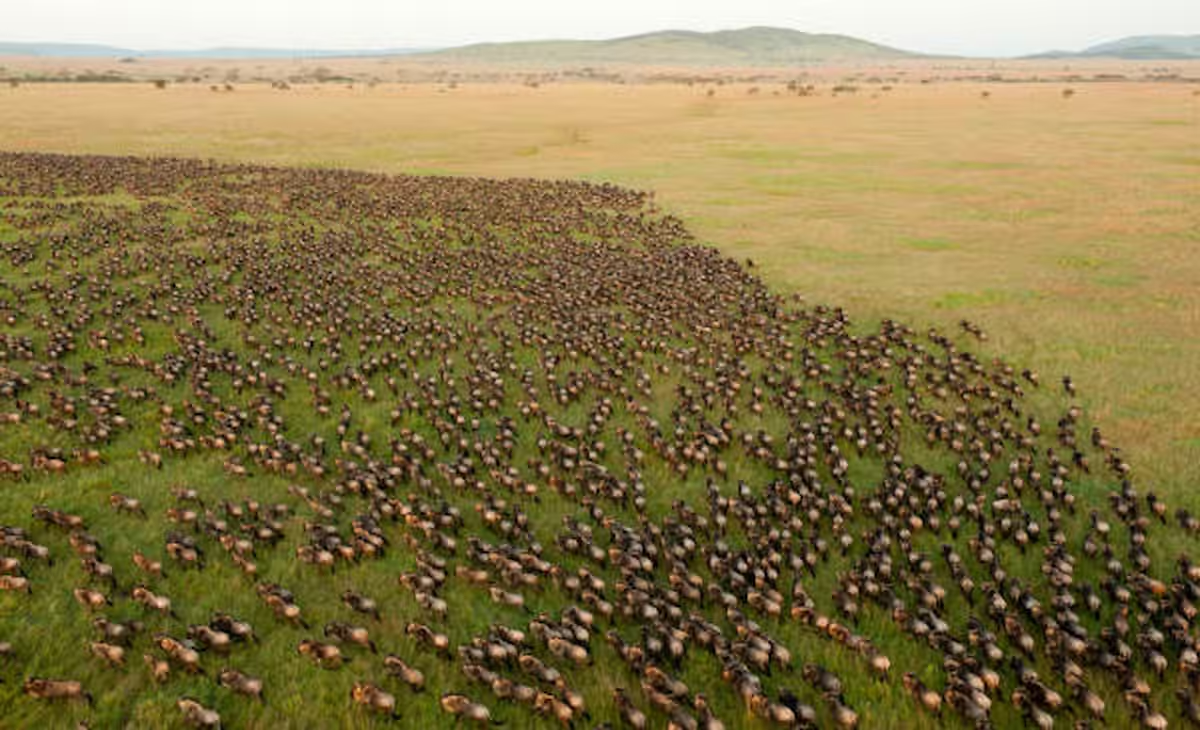
July–October in the northern Serengeti: wildebeest brave the Mara and Grumeti rivers. Position beats luck — we book camps near the herds. Crossing guide →
A full day on the crater floor: lions, black rhino, hyena clans and flamingo lakes in 260 km². Ngorongoro guide →
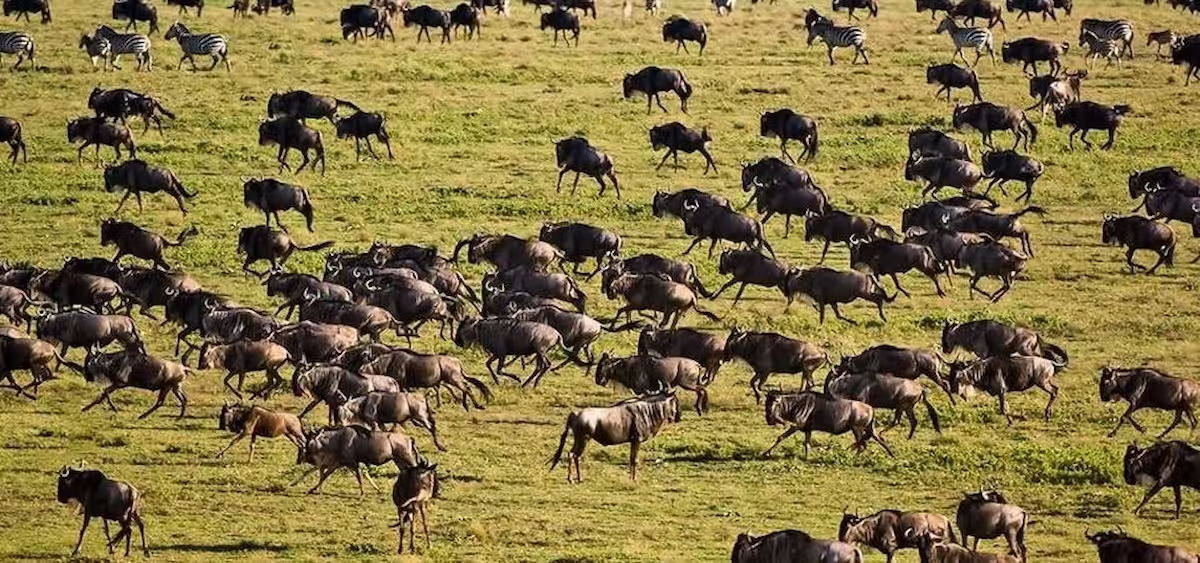
January–March: 8,000 calves a day, and every predator in the ecosystem watching. Calving guide →
Dawn flight plus bush breakfast. Worth it once. Balloon details →
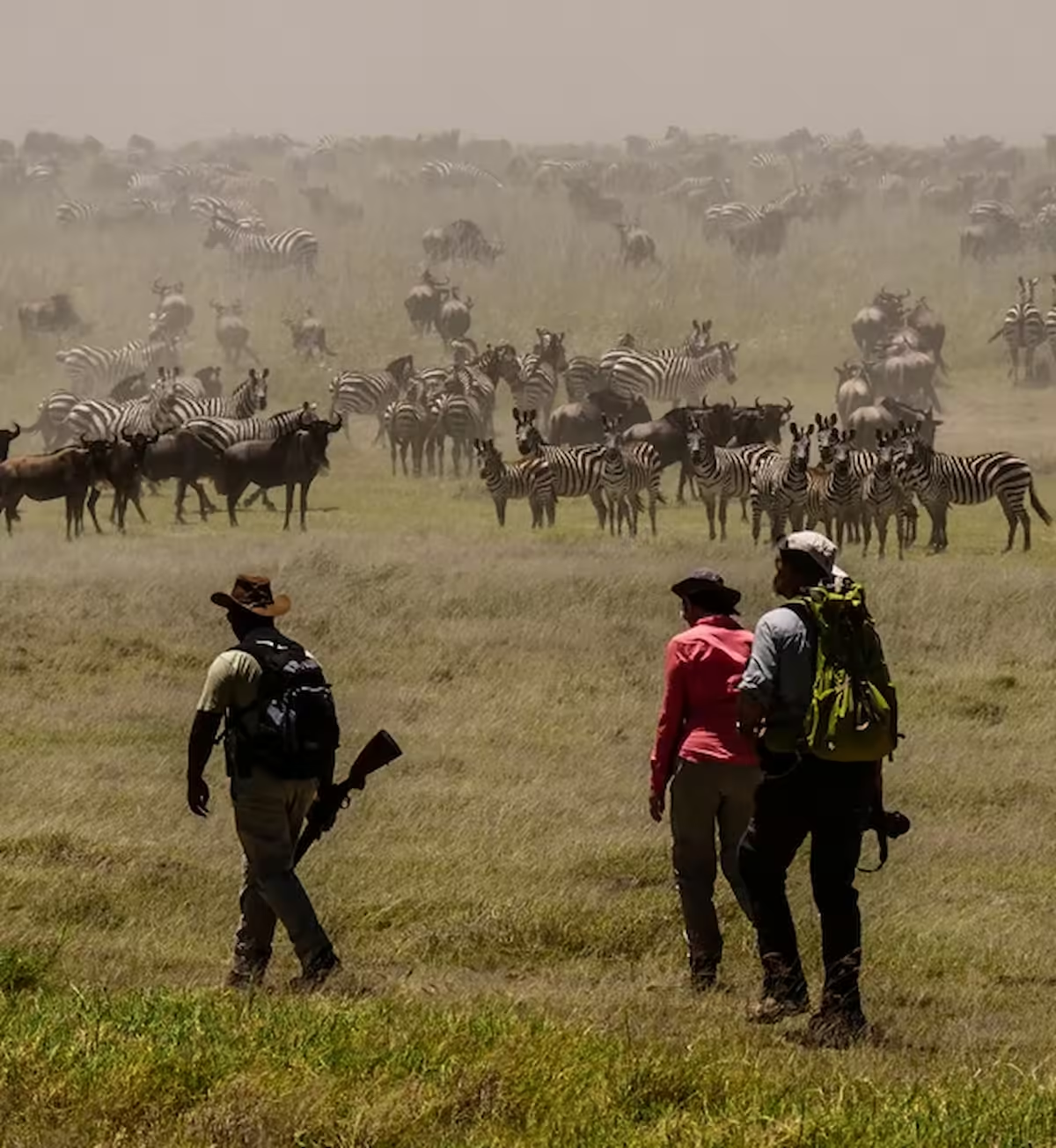
Available in Tarangire, Ruaha and Nyerere buffer zones — a different safari entirely. Walking safaris →
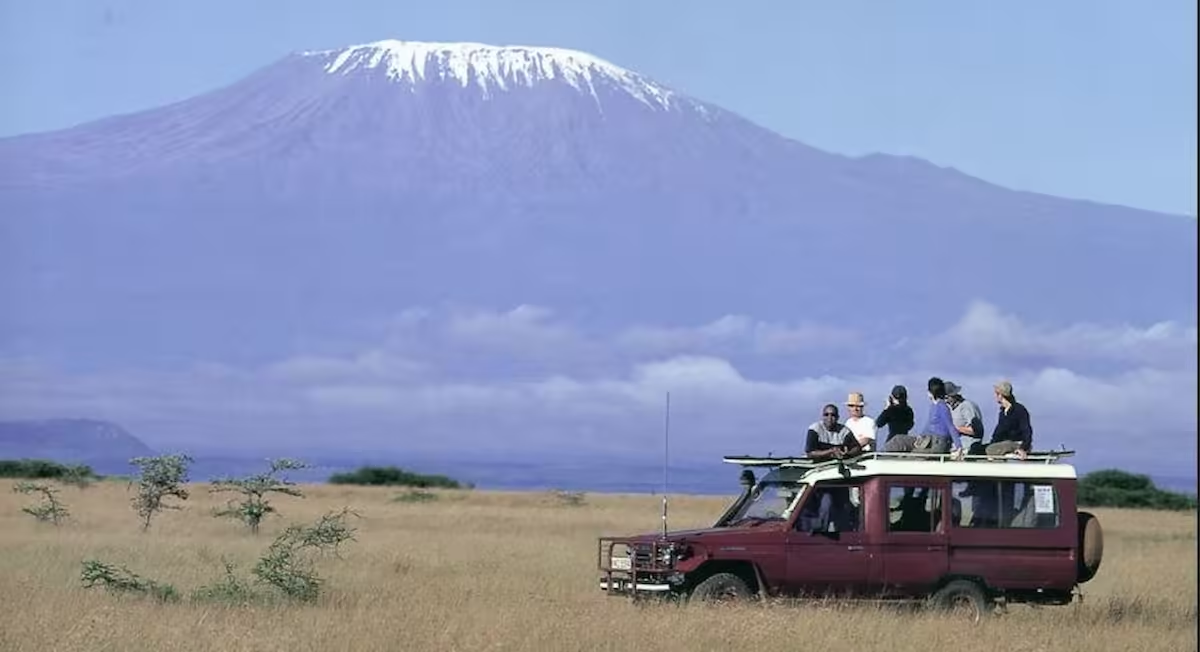
The classic triple: trek, safari, beach in 12–16 days. Best route →
Three we book most often. Every duration, park combination and budget lives on the packages page.
The shortest itinerary that still delivers all three northern icons — elephants, a crater descent and the plains.
From $1,650 pp
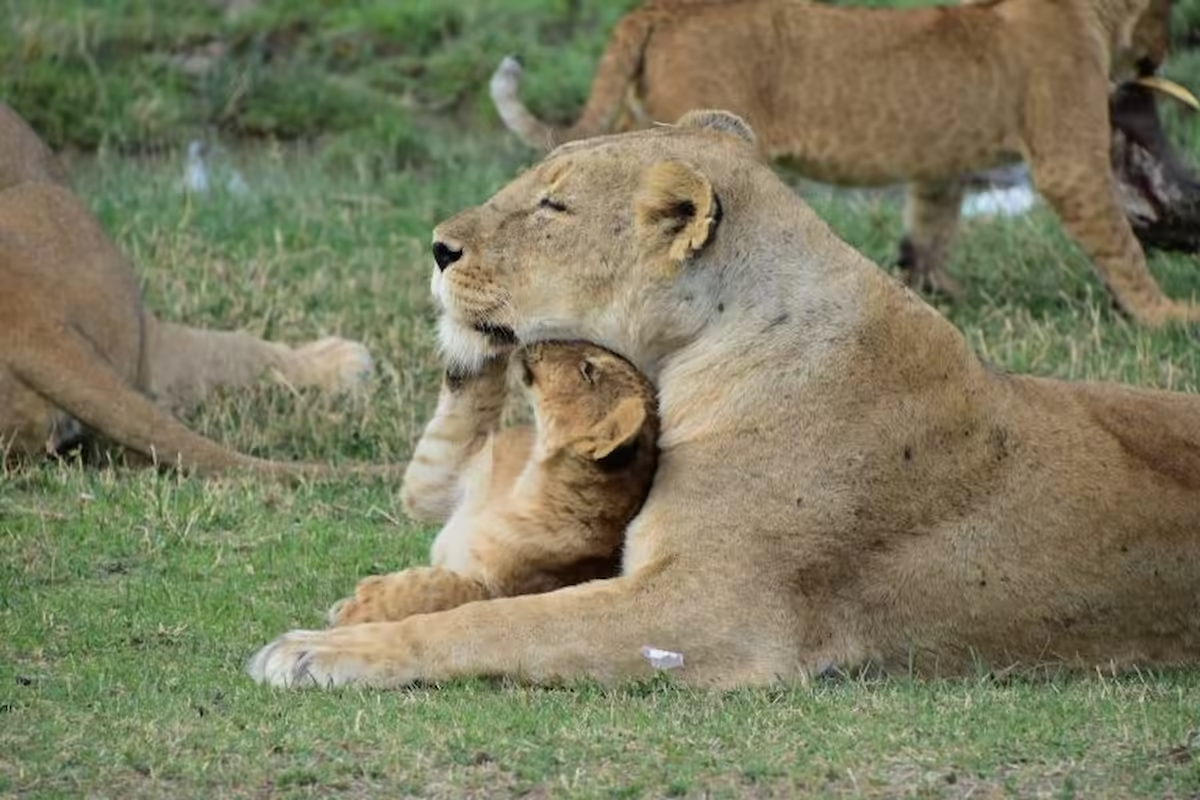
The classic circuit done properly, with room to breathe between parks instead of racing through them.
From $2,150 pp
Built around Migration positioning — camps placed near the herds rather than wherever there is space.
From $3,450 pp
One of the strongest ways to understand Tanzania's safari geography is through its ecosystems rather than simply through a list of national parks.
Tanzania's protected areas stretch across open grasslands, volcanic highlands, acacia woodland, baobab-studded savannah, wetlands, rivers and forests. Each supports a different wildlife community, a different landscape and a different kind of day in a vehicle — which is why two itineraries that both visit northern Tanzania can feel entirely different.
The sections below work through the country's major ecosystems and parks one by one, from the Serengeti grasslands through the volcanic highlands and the seasonal savannah of Tarangire to the rivers and wetlands of the south and the forests of the west.
The Serengeti ecosystem is dominated by extensive grasslands and supports enormous populations of grazing animals and their predators.
This is the ecosystem associated most strongly with the Great Migration, but its importance extends beyond the migration itself. Wildlife is present throughout the year, and resident populations of lions, leopards, cheetahs, elephants, giraffes, buffalo and many antelope species make the Serengeti a major year-round safari destination.
The ecosystem runs from the southern plains and Ndutu through the central Seronera valley, the western corridor and the northern Serengeti and Mara hills. Where the herds stand in any given month determines camp locations, drive times and what you are likely to see — which is why Migration timing drives more of our routing than any other single factor.
Full Serengeti guide → Great Migration guide →
A Ngorongoro safari adds a completely different dimension to a Tanzania safari. The Ngorongoro Conservation Area combines wildlife conservation with volcanic landscapes, archaeological sites, forests, grasslands and traditional pastoral communities.
At its centre is the Ngorongoro Crater, the world's largest intact and unfilled volcanic caldera. The crater floor contains a remarkable concentration of wildlife, including lions, elephants, buffalo, leopards, black rhinoceros, hippos, wildebeest, zebra and gazelles. The NCAA identifies the crater as one of the area's principal attractions and highlights its exceptional wildlife concentration.
Ngorongoro should not be treated simply as a crater game drive. The wider conservation area includes:
The NCAA identifies numerous natural, archaeological and cultural attractions throughout the conservation area.
The crater is particularly valuable for travellers interested in concentrated wildlife viewing. Possible sightings include:
The NCAA confirms that the conservation area supports the Big Five as well as numerous carnivores, herbivores, primates and bird species.
Travellers can also experience guided walks, cultural tours, birdwatching, archaeological sites and other activities within the conservation area. NCAA specifically lists walking safaris, cultural tours, nature walks, botanical tours, birdwatching and photographic safaris among available experiences.
This makes Ngorongoro an important destination for travellers who want their safari to include wildlife, landscapes, culture and human history rather than game drives alone.
Tarangire National Park is one of the defining destinations of northern Tanzania and is particularly associated with elephants, ancient baobabs and seasonal concentrations of wildlife.
The park covers more than 2,800 square kilometres and is shaped by the Tarangire River and surrounding seasonal habitats. TANAPA currently describes Tarangire as a major elephant destination and highlights its baobab landscapes.
During the dry season, wildlife can become concentrated around dependable water sources, while the surrounding landscape provides an important seasonal refuge for animals moving through the wider ecosystem.
Wildlife may include:
Tarangire is also an excellent destination for travellers interested in wildlife photography, especially because of the contrast between large elephants, enormous baobabs and open savannah.
Tarangire is not merely a shorter alternative to the Serengeti. Its appeal is its own: elephants, baobabs, seasonal wildlife, a distinctive landscape and easy northern circuit access.
TANAPA highlights elephant concentrations, baobab scenery and a range of safari experiences including game drives and balloon safaris.
Lake Manyara provides one of northern Tanzania's most compact but ecologically diverse safari experiences.
The park lies beneath the Great Rift Valley escarpment and combines groundwater forest, woodland, open floodplain, wetlands and an alkaline lake. TANAPA describes Lake Manyara as particularly known for its tree-climbing lions, elephants, flamingos, groundwater forest and birdlife. The park currently records more than 400 bird species.
Depending on season and location, visitors may encounter:
Game drives are the primary activity, but the park also offers experiences such as canopy walks and birdwatching. TANAPA currently describes a 470-metre canopy walkway reaching up to approximately 18 metres above the ground.
Lake Manyara works particularly well as part of a northern circuit because of its location between Arusha and the Ngorongoro area. It can be used as a full safari destination, a one-night stop, a day visit, a family-friendly addition, a birdwatching destination, or a complement to Tarangire and Ngorongoro.
Nyerere National Park represents a very different side of Tanzania.
Formerly part of the Selous ecosystem, Nyerere is dominated by the Rufiji River, floodplains, lakes, channels, miombo woodland and riverine habitats. TANAPA describes the park as a major southern wilderness supporting elephants, buffalo, hippos, crocodiles, lions, leopards, African wild dogs and extensive birdlife.
One of Nyerere's defining experiences is exploring the park from the water. A boat safari provides a different perspective on wildlife:
This is one of the major reasons to consider southern Tanzania when you want more than conventional 4x4 game drives.
The park supports:
Nyerere is particularly relevant to travellers seeking wildlife, rivers, boat safaris and a lower-density wilderness experience.
Ruaha National Park is one of Tanzania's major southern wilderness destinations.
TANAPA describes Ruaha as Tanzania's second-largest national park, covering approximately 20,226 square kilometres, with the Great Ruaha River forming one of its defining ecological features. The park's landscapes combine open plains, rugged terrain, baobabs and woodland.
Ruaha is particularly associated with:
TANAPA records hundreds of bird species in the park and highlights walking safaris and game drives among its experiences.
Ruaha is particularly suitable for travellers interested in:
It can be combined with Nyerere for a deeper southern Tanzania safari, usually with a short internal flight between the two.
Tanzania's western parks are particularly interesting for travellers who want something beyond classic savannah game viewing.
Mahale combines forested mountains, chimpanzee habitat and the shores of Lake Tanganyika. TANAPA describes the park as a major chimpanzee destination, with habituated chimpanzee groups that can be observed during guided treks.
A Mahale safari can combine:
Gombe is another important destination for travellers interested in chimpanzees and primate research. Together, Gombe and Mahale create a very different safari product from the open plains of the Serengeti.
Both parks are reached by light aircraft and boat rather than by road, and neither fits a rushed itinerary — plan at least two nights at each. For what a primate trek involves day to day, see chimpanzee trekking.
The Great Migration is one of the most important reasons travellers choose Tanzania.
The movement involves enormous numbers of wildebeest, accompanied by zebra and other herbivores, moving through the Serengeti-Mara ecosystem in response to rainfall, water and grazing conditions. UNESCO identifies the annual migration as one of the defining ecological processes of the Serengeti ecosystem.
It helps to understand the migration as a continuous ecological cycle rather than a fixed annual itinerary:
| Period | What tends to happen |
|---|---|
| January–March | The southern Serengeti and Ndutu area can become important during the calving period. |
| April–May | The herds begin moving north and west as conditions change. |
| June–July | The Western Corridor and northern movement can become increasingly relevant. |
| July–October | Northern Serengeti and the Mara ecosystem become important migration areas, although river crossings are unpredictable. |
| November–December | The herds generally begin moving back toward the southern plains. |
These are broad seasonal patterns rather than guaranteed dates. For camp positions and month-by-month detail, use the Migration month by month guide.
Mara River crossings are among the most sought-after migration experiences. However, crossings cannot be guaranteed. Animals may gather near a river for extended periods before crossing, change direction or move elsewhere.
That distinction matters when planning. Never build an itinerary that depends on a crossing happening on a particular day — instead, position camps near where the herds are expected to be and treat a crossing as a strong possibility rather than a promise. That is exactly how we route our Migration-focused packages.
Full Great Migration guide → River crossings →
There is no single best month for every Tanzania safari. The right time depends on the destination and on your priorities.
The dry season is traditionally popular for wildlife viewing. Vegetation becomes less dense in many areas, animals can concentrate around water and conditions are generally favourable for game drives. This period is particularly relevant for:
The short rains can bring fresh vegetation and greener landscapes. Wildlife remains active, and the period appeals to travellers who want greener scenery and fewer peak-season pressures.
This period is especially relevant to the southern Serengeti and Ndutu area because of the calving cycle. Travellers interested in newborn animals and predator activity often consider this window.
The long rains bring greener landscapes and can offer strong photographic conditions. Some safari areas see fewer visitors, although rain can affect road conditions and travel times.
Full detail: best time for an African safari · when to visit Tanzania · Migration month by month.
Lion, leopard, cheetah, black rhino (Ngorongoro), 1.5M wildebeest, 4,000+ lions in the Serengeti ecosystem, Tarangire's 3,000 elephants, 500+ bird species. If rhino is a priority, say so — we route you through the crater or Moru Kopjes.
There is no universal Tanzania safari price, because cost depends on how the trip is designed.
The main factors are:
Mid-range private safaris typically run 350 to 600 dollars per person per day and luxury 800 to 1,400 plus. Rather than publish a single misleading average price, we quote by itinerary and line-item every fee. Build-up and benchmarks: safari cost guide and cost breakdown.
Tanzania safaris are sold at several levels, and the difference between them is usually accommodation, vehicle arrangements, flexibility and service level — not the quality of the wildlife.
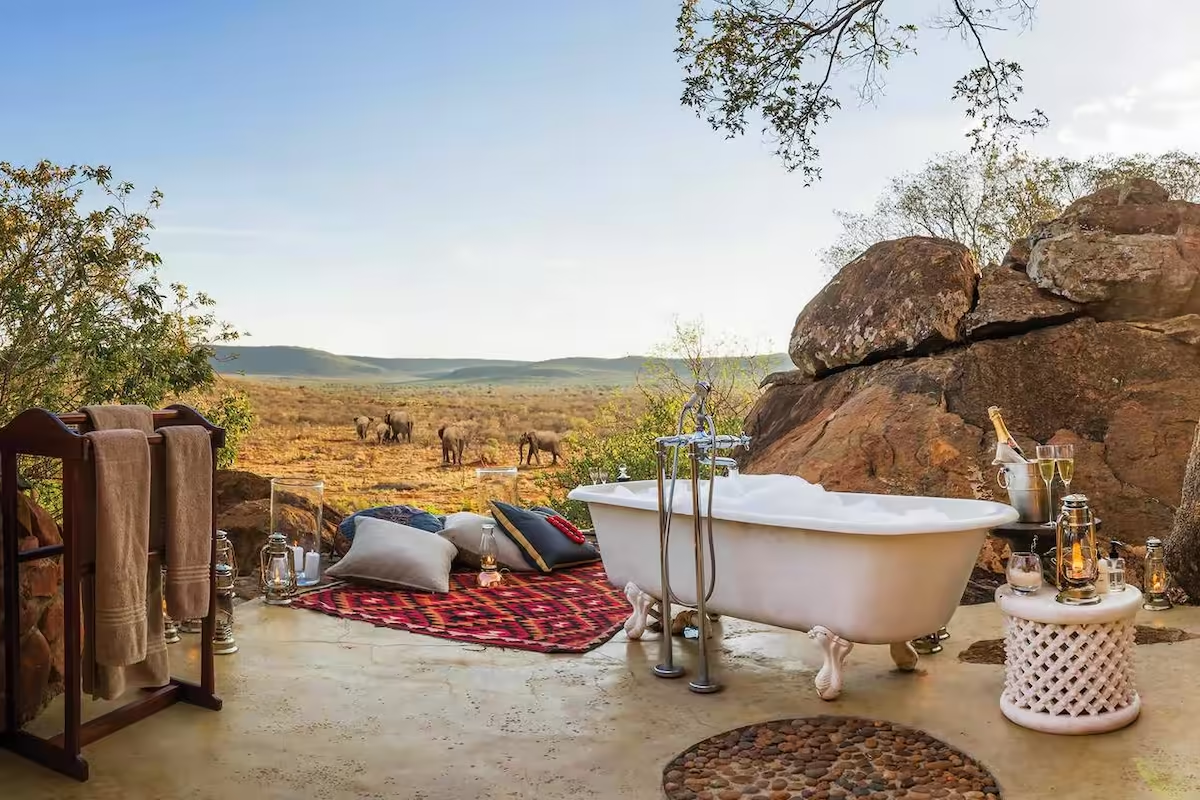
Flying safaris, Serengeti private concessions, crater-view lodges. Premium lodges, luxury tented camps, private vehicles and guides, domestic flights, personalised itineraries. Luxury options →
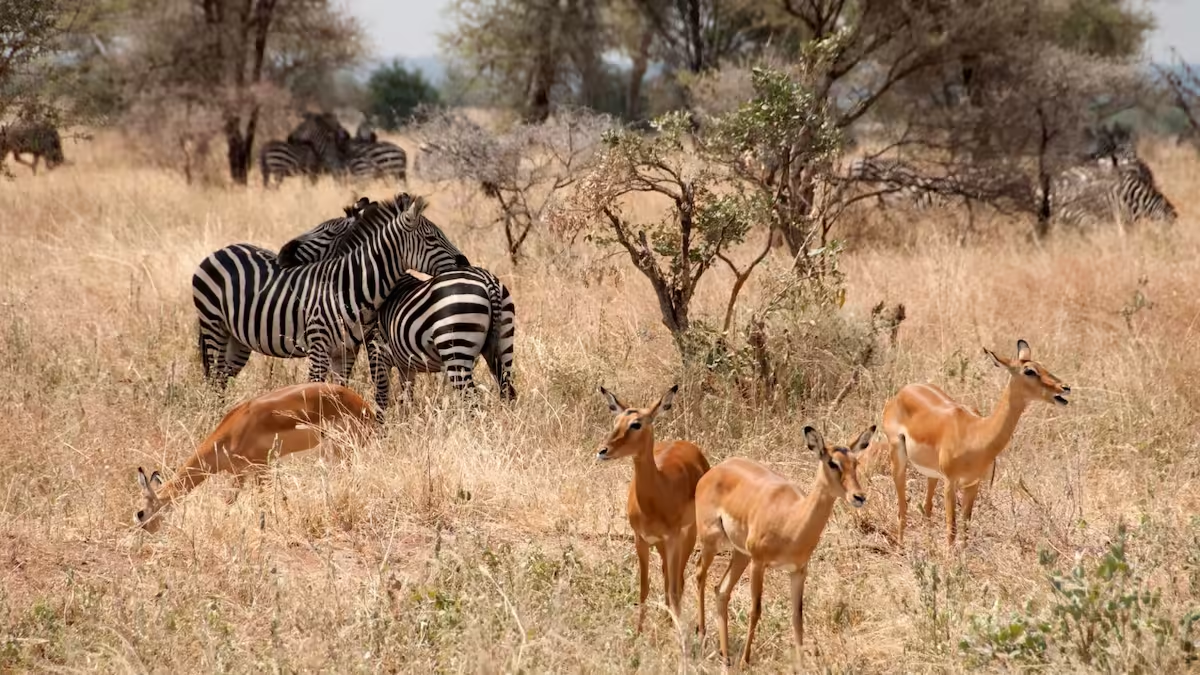
Shorter drive days, pools, private vehicles, Zanzibar finish. Built around children's ages, driving times, accommodation policies and appropriate activities. Family options →
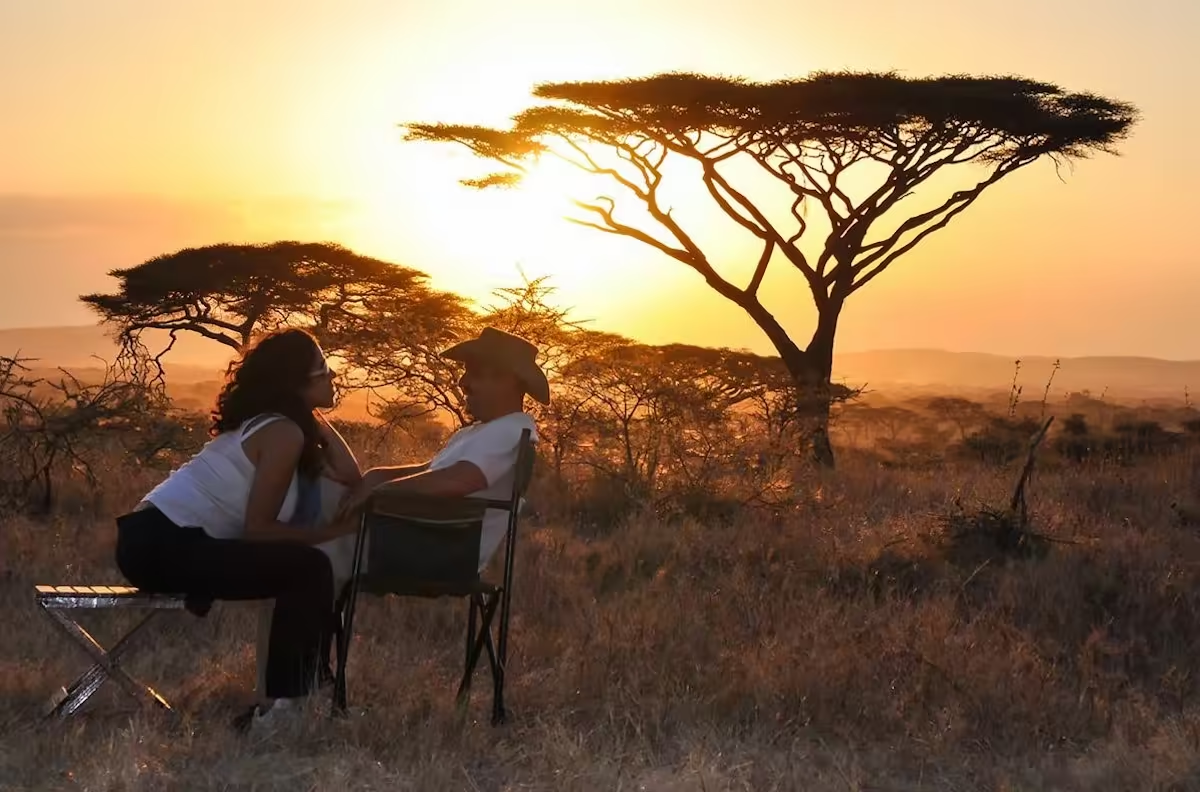
Bush dinners, Migration camps, Zanzibar barefoot luxury. Private game drives and luxury camps balanced with enough time to relax. Honeymoon ideas →
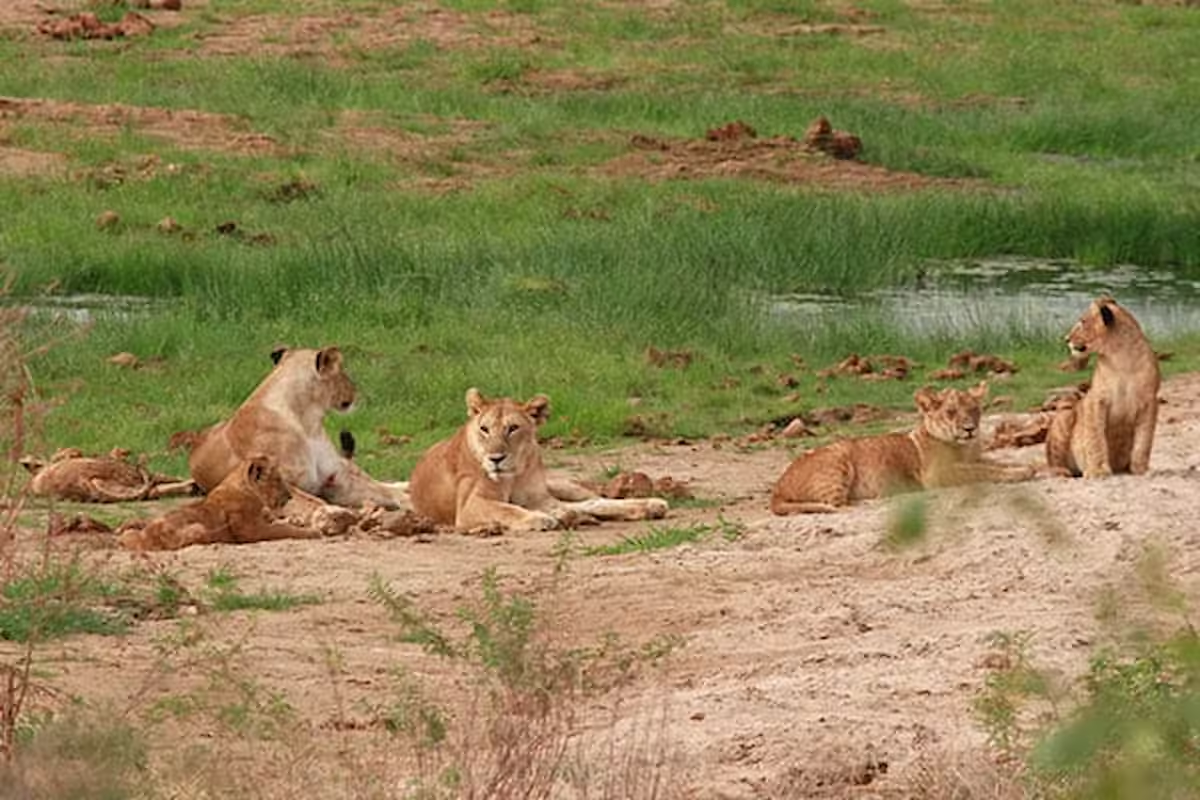
Your own 4x4 and guide; comfortable lodges and tented camps keep costs sane. Comfortable lodges and tented camps, private or shared vehicles, professional guides, full-board. Private safaris →
Budget safaris often focus on:
Budget does not necessarily mean a poor wildlife experience. The main difference is usually accommodation, vehicle arrangements, flexibility and service level — and on a budget itinerary you spend more of the day in the park, not less.
A private safari gives travellers their own vehicle and guide. This is particularly useful for:
Private safari options → Tailor-made safaris →
The ideal duration follows from the number of destinations, not from filling a predetermined number of days.
Suitable for travellers with limited time. The usual focus is Tarangire, Ngorongoro and the Serengeti, though the route must be planned carefully to avoid excessive driving.
A strong duration for a northern Tanzania introduction — enough for all three icons without rushing. See the 5-day itinerary.
Allows more time for the Serengeti and additional destinations, and is the shortest useful window for proper Migration positioning. See the 7-day itinerary.
Suitable for travellers wanting the northern circuit, the southern circuit, the Great Migration, multiple ecosystems, safari plus Zanzibar, or slower travel with fewer internal flights.
For how many days generally work for a trip, read how many days you need on safari.
Accommodation should be selected according to the itinerary, location, season and safari style.
Permanent lodges provide fixed rooms or cottages, restaurants and established facilities.
Tented camps range from simple safari camps to highly luxurious properties.
Mobile camps can move between seasonal wildlife areas, making them particularly useful for Migration-focused travel.
Camping provides a more direct connection with the wilderness and makes safari more accessible to travellers with tighter budgets.
In practice: comfortable tented camps run roughly $200–350 per night and icon lodges $700–1,500 plus. During the Migration, Serengeti location matters more than luxury level. Tanzania accommodation guide →
A Tanzania safari can include much more than a standard game drive.
The foundation of most Tanzania safaris — morning and late-afternoon circuits with a guide who knows the ground. See game drives.
Walking provides an opportunity to focus on tracks, plants, birds, insects and smaller ecological details. Ruaha and the Ngorongoro Conservation Area are among the destinations where walking experiences are available under appropriate guidance and regulations. Walking safaris →
Particularly important in southern Tanzania, especially around the Rufiji River in Nyerere National Park. Boat safaris →
A sunrise balloon flight provides an aerial perspective over the Serengeti landscape, usually ending with a bush breakfast. Balloon safaris →
Cultural experiences can include interactions with communities and visits to designated cultural sites. Ngorongoro offers opportunities to learn about Maasai, Hadzabe and Datoga cultures through designated experiences. Cultural tours →
Tanzania suits serious birdwatchers as well as travellers who simply enjoy seeing birds during game drives. Lake Manyara, Ruaha, Ngorongoro and the Serengeti all offer different bird habitats. Birdwatching →
Mahale and Gombe provide a very different wildlife experience centred on chimpanzees and forest ecosystems. Chimpanzee trekking →
These are framework examples rather than fixed itineraries. Actual routing should depend on season, flights, accommodation and your priorities.
A Tanzania safari and Zanzibar combination is one of the most natural ways to pair wildlife with the Indian Ocean.
A typical journey begins with a mainland safari before continuing to Zanzibar for beaches, marine experiences, Stone Town and Swahili culture. Tanzania's official tourism platform highlights Zanzibar's coastal, cultural and heritage experiences, including Stone Town and spice experiences.
Serengeti plus Zanzibar: ideal for travellers who want a classic wildlife experience followed by beach time.
Northern Tanzania plus Zanzibar: Tarangire, Ngorongoro, Serengeti, then the coast.
Nyerere plus Zanzibar: a southern safari followed by the Indian Ocean.
Ruaha plus Zanzibar: for travellers who want a deeper southern Tanzania experience.
Travellers already staying in Zanzibar can connect to mainland safari destinations by domestic aircraft. This makes it possible to create short safari packages without spending unnecessary time travelling through mainland cities — scheduled flights reach Mikumi and Nyerere in about 30 minutes and the northern parks in around 80.
Beach and safari combinations → Safaris starting from Zanzibar →
Also read: combine with Kenya for the cross-border Migration, Uganda for gorillas after the Serengeti, or the Serengeti vs Masai Mara comparison.
How you cover the ground shapes the trip as much as where you go.
Road safaris are the traditional way to explore northern Tanzania. They let you connect destinations such as Arusha → Tarangire → Ngorongoro → Serengeti and experience the landscapes between parks rather than simply flying between them.
Flights are particularly useful for:
TANAPA publishes park locations and flight-route information alongside its national park directory.
A mixed itinerary usually gives the best balance. For example: Arusha → Tarangire → Ngorongoro → Serengeti → flight to Zanzibar, or Dar es Salaam → Nyerere → Ruaha → flight to Zanzibar.
Arusha is the primary base for many northern Tanzania safaris. Kilimanjaro International Airport is convenient for international arrivals and northern circuit itineraries. Dar es Salaam is particularly useful for southern Tanzania and Zanzibar connections. Zanzibar suits travellers who want to start with a beach holiday and then fly to a mainland safari destination.
Tanzania provides exceptional photographic variety, and enough distinct habitat to keep birdwatchers busy for weeks.
Photography-focused travellers should prioritise: private vehicles, longer stays, flexible schedules, experienced guides, appropriate lenses, patience and ethical wildlife distances. Photographic safaris → · Photography guide →
Tanzania's varied ecosystems make it suitable for birdwatching throughout the country. Lake Manyara's forests and wetlands support more than 400 recorded bird species, while Ruaha currently records more than 570 species. Ngorongoro's varied habitats support more than 550 species according to the NCAA.
Bird-focused itineraries can include:
Migratory birds add seasonal variety to Tanzania's birdlife, and the green months are usually the best time to look. Birdwatching safaris →
A responsible safari should protect wildlife, ecosystems and local communities.
Travellers should:
Responsible tourism matters most in sensitive environments such as wetlands, forests, river systems and wildlife breeding areas. The objective is not simply to see wildlife but to make sure tourism contributes to maintaining the ecosystems that make Tanzania's safari destinations possible in the first place.
Three things worth sorting before you book flights.
International travellers should check Tanzania's current immigration requirements before departure. Tanzania Immigration operates an official online visa system covering travel to Tanzania Mainland and Zanzibar, and states that passports should generally have at least six months' validity and at least one unused visa page.
Requirements vary by nationality, so verify your own through Tanzania Immigration rather than a generalised safari website. Official Tanzania eVisa portal →
Speak to a qualified travel-health professional before visiting Tanzania, because recommendations depend on your own circumstances, your itinerary and your country of origin.
Travellers should also consider:
Safari vehicles and guides should always be used according to park regulations and professional safety instructions. Because guidance differs depending on where you are coming from and where you are going, get personalised advice rather than relying on a generic list. Safari safety guide → · Visa guide →
Clothing: lightweight shirts, trousers, shorts where appropriate, a fleece or warm layer, a lightweight waterproof jacket, comfortable walking shoes, a hat and sunglasses.
Safari equipment: binoculars, camera, spare batteries, memory cards, power bank and a universal travel adapter.
Personal items: sunscreen, insect repellent, personal medication, a reusable water bottle, a small daypack and basic toiletries.
Neutral, comfortable clothing is generally the most practical choice for safari conditions. Full list: what to pack for safari →
A good Tanzania safari starts with five decisions.
Migration, the Big Five, elephants, predators, birds, chimpanzees or landscape — name the one thing that matters most, because it determines your region, your season and your route.
Northern Tanzania is ideal for a classic first safari. Southern Tanzania suits travellers looking for larger wilderness areas and different safari activities. Western Tanzania is particularly relevant for chimpanzee and forest experiences.
Match your travel dates to the experience rather than searching for "the best month". The best time to go depends entirely on what you came for.
Decide between private or shared, budget, mid-range, luxury, family or photography-focused. See safari styles for what actually differs.
Avoid trying to visit every major park. A well-designed itinerary with enough time in fewer destinations is far more useful than a rushed one covering the whole country — which is exactly what we build against.
Send us your dates and priorities →
Explore all Tanzania packages (2–14 days) →
The packages on this page are a shortlist — three of the itineraries we are asked for most. The full collection, every duration and every style, lives on the packages page.
1 to 14 days, from a Mikumi day trip from Zanzibar to a two-week multi-park expedition.
Northern circuit classics, Migration-focused routes, southern wilderness and Zanzibar combinations.
Budget camping, private mid-range, luxury lodges, family, honeymoon and photographic safaris.
Explore all Tanzania safari packages → Or send us your dates
June to October for dry-season game viewing and Mara River crossings; January to March for Ndutu calving with peak predator action. November to December offers green-season value with few vehicles. April to May long rains can limit murram roads - we route around the worst of it or shift dates.
Five days covers the classic northern circuit; seven lets you position for the Migration properly; ten to twelve adds Zanzibar or the wild south. Four days works as a tight taste with one long transit day. Tell us your window and we build up, never squeeze in.
Mid-range private safaris typically cost 350 to 600 dollars per person per day; luxury 800 to 1,400 plus. Park and concession fees alone run 70 to 80 dollars daily. Our quotes line-item every fee so the total you compare is the total you pay.
Tanzania's cost structure splits in two: the northern circuit (Tarangire, Ngorongoro, Serengeti) carries the country's highest daily tariffs - park and concession fees alone reach US$70-120 per adult per day - while southern and western parks (Nyerere, Ruaha, Mahale) are cheaper per day but add flight legs of US$250-450. Mid-range private safaris commonly land at US$350-600 per person per day all-in.
North for Migration, crater icons and infrastructure; south (Ruaha, Nyerere) for wilderness, wild dogs and solitude at similar or lower nightly cost plus fly-in transfers. First-timers choose north; second-timers overwhelmingly choose south.
Arusha (via Kilimanjaro airport) for mainland-first itineraries; Zanzibar works when beach comes first - scheduled flights reach Mikumi and Nyerere in 30 minutes, the north in 80. Safari before beach remains the better order.
Very from age six up: private vehicles, pools at most stops, and Tarangire-crater-Serengeti routing that avoids the longest transits. Under-fives face some lodge limits - ask for the honest property list.
Fly Serengeti or Arusha to Zanzibar (1-2 hours); three beach nights minimum, four to five ideal. Ten to twelve days total covers safari plus sand without rushing.
Ndutu and the south January to March; western corridor June; Kogatende and the Mara River July to October; returning south November to December. Camp zone matters more than luck - see the month-by-month calendar.
Visa on arrival for most nationalities (50 dollars, US 100); yellow fever certificate if arriving from endemic zones; malaria prophylaxis per your doctor. ATMs in Arusha dispense shillings; lodges accept cards and dollars.
Three updates worth knowing before Arusha. Tanzania sells visas on arrival only against clean US$50 and US$100 notes - worn bills get refused - while the eVisa lets you skip the queue entirely. Since October 2024 every Zanzibar arrival must hold travel insurance arranged in advance. Yellow fever certificates count if you transit more than 12 hours through an endemic country, even without leaving the airport. Beyond Arusha and Dar es Salaam, plan for cash: ATMs thin out at weekends and most park fees travel on our pre-paid vouchers rather than your card.
Yes - it is one of the easier countries for a first trip. The northern circuit links Tarangire, Ngorongoro and the Serengeti on good roads with established camps and predictable driving times, so you get three very different landscapes in a week without needing internal flights.
The Serengeti, the Great Migration, Ngorongoro Crater, Mount Kilimanjaro and Zanzibar - plus the largest network of national parks in East Africa. The Migration is what fills the camps, but it is not the only reason to come.
TANAPA currently lists 21 national parks, including Serengeti, Tarangire, Lake Manyara, Nyerere, Ruaha, Mahale and Gombe. You will realistically visit three or four - park hopping makes a safari worse, not better.
Yes, though sightings are wildlife encounters rather than guarantees. Ngorongoro Crater is the most reliable single place for all five including black rhino, while the Serengeti, Tarangire and the southern parks add the rest across different habitats - which is why a multi-park route usually beats a single-park one.
Yes, and it is often quieter. The Serengeti supports resident lions, leopards, cheetahs, elephants and buffalo all year - the Migration is a bonus on top of an ecosystem that already works in every month.
They are not interchangeable. The Serengeti gives you a vast ecosystem, huge plains and full days of driving; Ngorongoro gives you a concentrated crater floor in a single day plus cultural and archaeological sites. Most itineraries do both, because they answer different questions.
Yes, and it is not simply a shorter Serengeti. Elephants, enormous baobabs and dry-season concentrations around the Tarangire River give it its own character, and it is the closest of the big three to Arusha - which matters on a short itinerary.
It is compact and genuinely different: tree-climbing lions, flamingos, a groundwater forest and more than 400 recorded bird species beneath the Rift Valley escarpment. Best used as a half or full day between Arusha and Ngorongoro rather than as a standalone destination.
Water. The Rufiji River, its channels and floodplains let you run boat safaris alongside game drives - hippos, crocodiles, elephants at the bank and fish eagles - and TANAPA identifies it as an important stronghold for African wild dogs. Far fewer vehicles than the north.
Scale and emptiness. Tanzania's second-largest national park at roughly 20,226 square kilometres, with the Great Ruaha River, large buffalo herds, elephants, lions, leopards, greater kudu and hundreds of bird species - and far fewer vehicles than any northern park. Pair it with Nyerere by air.
Yes. Mahale Mountains and Gombe, both on Lake Tanganyika in western Tanzania, are the two destinations. Each is reached by light aircraft and boat, and each needs at least two nights - they will not fit into a rushed northern itinerary.
What the logistics hide: Mahale needs a bush flight to Kigoma plus a boat transfer, and camps close in the March-May rains; Gombe is smaller, harder to reach and famous for Jane Goodall's 60-year study. Chimp permits are cheap relative to Uganda but park fees and flights dominate the total - neither is a cheap add-on.
Excellent at the top end: private concessions in the Serengeti, crater-view lodges, flying safaris, private guiding and charter flights. Luxury in Tanzania is usually about location and flexibility rather than the building itself.
Lightweight neutral clothing, a warm layer for dawn drives, a waterproof jacket, comfortable walking shoes, a hat and sunglasses - plus binoculars, a camera with spare batteries, a power bank, an adapter, sunscreen, insect repellent and any prescription medication. See the full packing list.
Safari travel follows professional guide and park safety instructions, and the parks themselves are well regulated. Wildlife is unpredictable - never leave the vehicle or approach animals except in designated, guided situations. For the wider picture, read our safari safety guide.
Yes. Three or four days can cover Tarangire, Ngorongoro and the edge of the Serengeti if the route is planned carefully - the real risk is spending the trip driving. A two-day Mikumi trip from Zanzibar is the shortest option we run.
There is no single itinerary that suits everyone. The right route follows your travel dates, wildlife interests, budget, preferred accommodation and available time. The classic starting point is five days on the northern circuit, extended to seven or more if you want proper Migration positioning.
A specialist replies within 24 hours.